In metal manufacturing, fabrication and machining are two common methods used to produce metal components. Both processes transform raw materials into finished parts, but they follow different manufacturing approaches.
Fabrication creates parts by changing material forms and joining different sections together. Machining produces parts by removing material from a workpiece to achieve specific dimensions, geometries, and functional features.
The difference between fabrication and machining is not simply about using different equipment or production methods. From a manufacturing perspective, the key difference is the type of problem each process solves.
Fabrication focuses on creating a stable structure. Machining focuses on controlling dimensional relationships and producing features that affect part function.
In real manufacturing projects, the choice is not about which process is better. It depends on the part requirements, design intent, tolerance needs, and assembly conditions.
Different Manufacturing Approaches: Building vs. Removing Material
Fabrication and machining follow different principles when transforming raw materials into finished components.
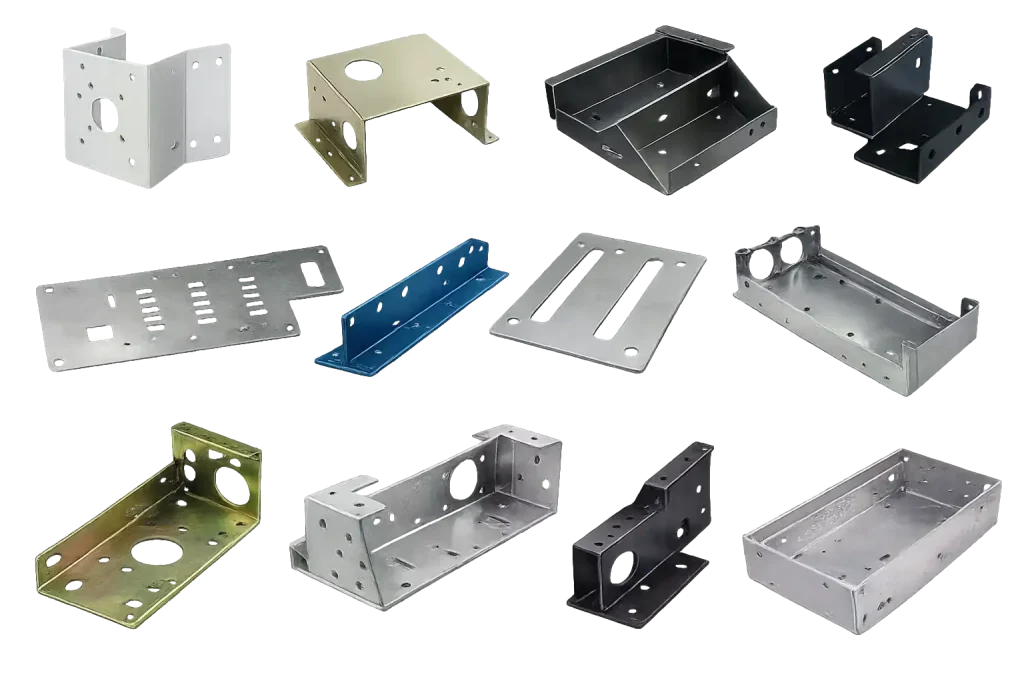
Fabrication builds a part by changing the shape of the material and connecting different sections through processes such as cutting, forming, bending, and welding. The manufacturing focus is on how materials are arranged and joined to create the required structure.
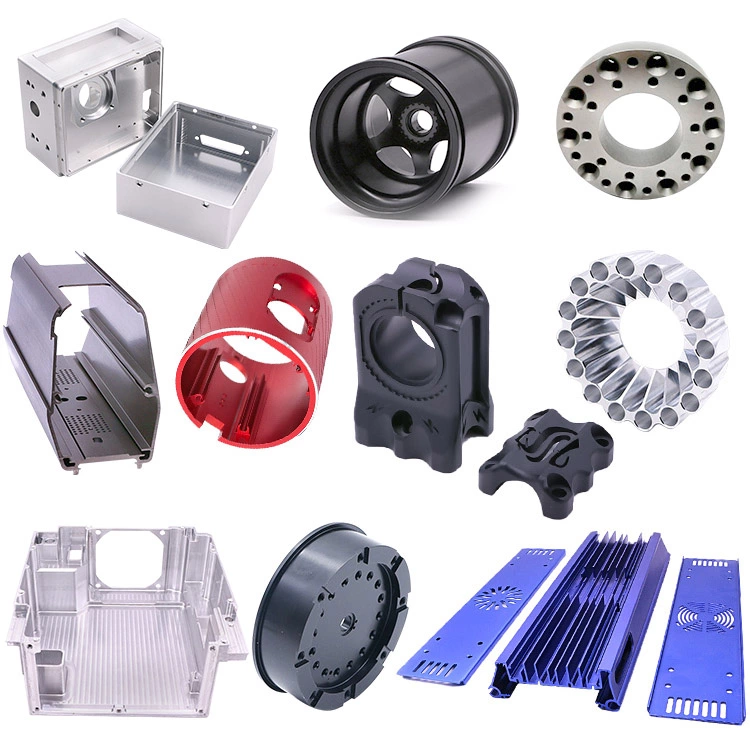
Machining takes a different approach. It starts with a piece of material and removes unwanted sections through cutting tools until the required geometry is achieved.
CNC milling and CNC turning are common machining processes where tool movement is controlled by programmed instructions. The process allows manufacturers to control dimensions, surface locations, and geometric relationships according to engineering drawings.
The basic difference can be understood as:
Fabrication focuses on how a structure is created.
Machining focuses on how functional features are accurately produced.
Fabrication Focuses on Structural Requirements
Fabrication is often selected when the primary goal is to create a complete structure.
The manufacturing process focuses on how materials are combined, how connections are formed, and whether the final structure meets functional requirements.
Processes such as welding and forming allow manufacturers to create large or complex structures. However, these processes can also influence dimensional stability.
For example, welding introduces heat into the material, which may cause movement or distortion during cooling. The actual effect depends on factors such as material properties, part thickness, joint design, and manufacturing conditions.
For areas where dimensional changes do not affect function, this may not create a significant issue.
However, when a component requires accurate alignment or controlled interfaces, additional CNC machining may be used to process critical surfaces or connection areas.
This is why fabrication is sometimes followed by machining in the same manufacturing process.
Machining Controls Functional Features and Dimensional Accuracy
The main purpose of machining is to control part geometry and dimensional relationships.
In mechanical components, performance often depends on the relationship between different features rather than the overall shape alone.
The position of holes, the relationship between surfaces, and the accuracy of mounting areas can influence assembly and operation.
CNC machining uses programmed tool paths to create these features according to design requirements.
Depending on factors such as material, part size, machine condition, tooling selection, and inspection method, many precision CNC machined components can achieve dimensional tolerances around ±0.01 mm to ±0.05 mm.
The required tolerance depends on the actual function of the part. Not every dimension requires the same level of accuracy. Excessive precision requirements can increase manufacturing difficulty, while insufficient control may affect assembly performance.
The Choice Depends on Part Requirements
Fabrication and machining are not simply replacement options for each other.
The suitable manufacturing approach depends on what the part needs to achieve.
When the main requirement is to create an overall structure, manufacturing decisions are usually focused on material arrangement, connection methods, and structural performance.
When the main requirement is to maintain accurate relationships between features, manufacturing decisions focus more on machining accuracy and geometric control.
Manufacturing considerations should be included during the design stage.
A part design needs to satisfy functional requirements while also considering how it will be produced.
Fabrication-oriented designs need to account for material forming and joining methods.
Machining-oriented designs need to consider tool accessibility, workholding methods, machining direction, and production sequence.
The connection between design and manufacturing has a direct impact on production efficiency and final part quality.
Why Fabrication and Machining Are Often Combined
In many manufacturing projects, fabrication and machining are used together.
The reason is that different areas of a component may serve different purposes.
Structural sections are mainly responsible for strength and support, while functional areas may require tighter dimensional control.
Fabrication can establish the overall structure, while CNC machining can process areas where accuracy is important.
This combination avoids unnecessary machining while still achieving the requirements of critical features.
For manufacturers, selecting the right process combination is often more practical than relying on only one manufacturing method.
Why CNC Machining Is Not Always the Only Solution
When a part is large and mainly serves a structural purpose, machining it completely from solid material may involve significant material removal.
In these situations, using fabrication to create the main structure and applying CNC machining only to critical areas can be a more suitable manufacturing approach.
Manufacturing decisions require balancing several factors, including material usage, machining time, part size, and functional requirements.
The goal is not to select the most complex process, but to select the process that matches the needs of the component.
How Engineers Select Between Fabrication and Machining
When selecting a manufacturing method, engineers usually begin by understanding the function of the component.
The first question is whether the part mainly serves a structural purpose or whether it depends on precise mechanical relationships.
After that, engineers evaluate which dimensions affect performance and which areas require additional machining.
Material form, part size, tolerance requirements, and production quantity also influence the final decision.
For prototypes and low-volume production, CNC machining often provides flexibility because design changes can be managed through CAD updates and machining programs.
For structural components, fabrication may serve as the primary manufacturing method.
The final solution is often a combination of processes selected according to the actual requirements of the part.
Conclusion
Fabrication and machining represent two different approaches to metal manufacturing.
Fabrication creates structures through material forming and joining, with a focus on overall shape and structural requirements.
Machining creates controlled geometries through material removal, with a focus on dimensional accuracy and functional features.
There is no simple rule that one process is better than the other. In many real manufacturing projects, fabrication and CNC machining work together, with fabrication handling structural requirements and machining providing the accuracy needed for critical areas.
Understanding the difference between fabrication and machining helps engineers make better manufacturing decisions during the design stage and reduce production adjustments later.