Precision CNC Machining Services

Precision CNC Machining Services for Custom Parts

CNC Milling, Turning & 5 Axis Machining for Metal and Plastic Components with Tight Tolerances up to ±0.005mm. MS Machining provides custom CNC machining services for prototypes, low-volume production, and precision manufacturing projects. We support a wide range of metals and engineering plastics for industrial applications requiring stable quality and reliable dimensional accuracy.

CNC Machining Capabilities

MS Machining offers a wide range of precision CNC machining capabilities for custom components and industrial parts.

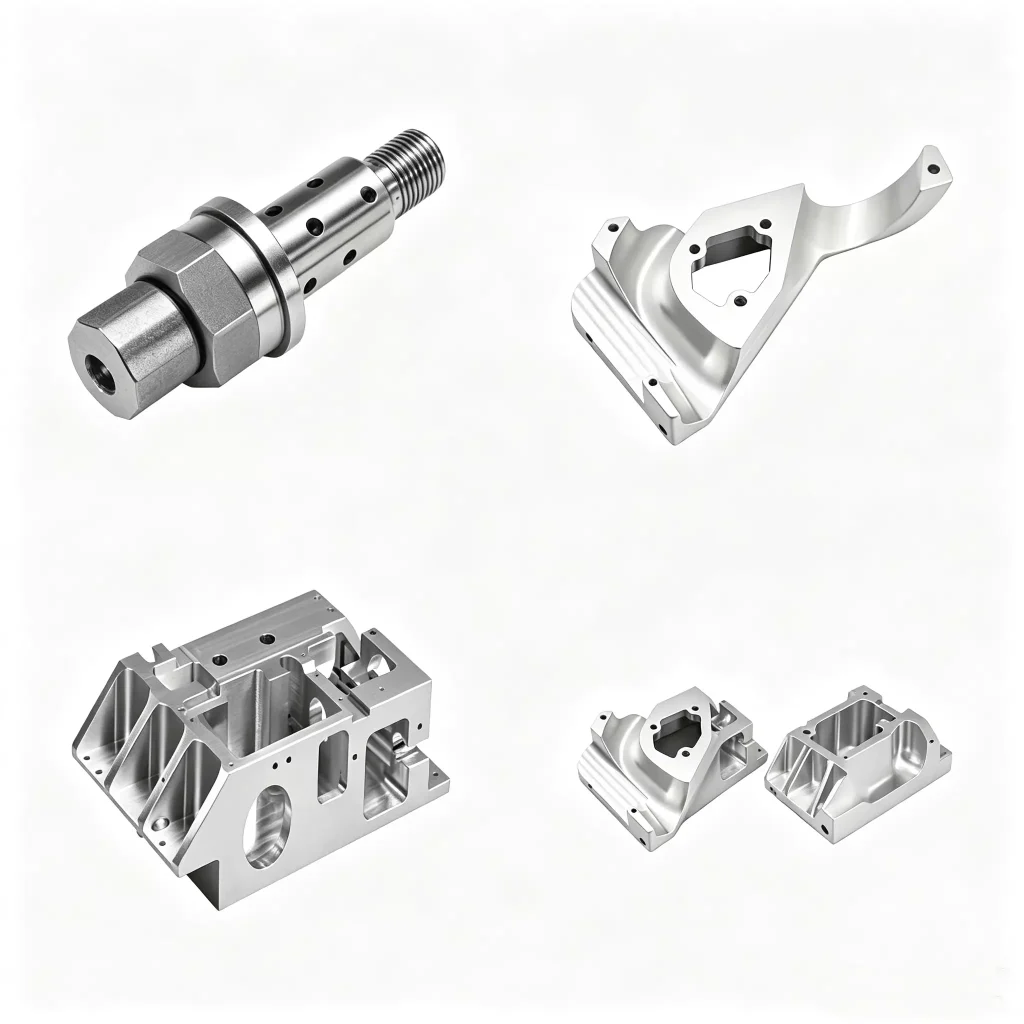
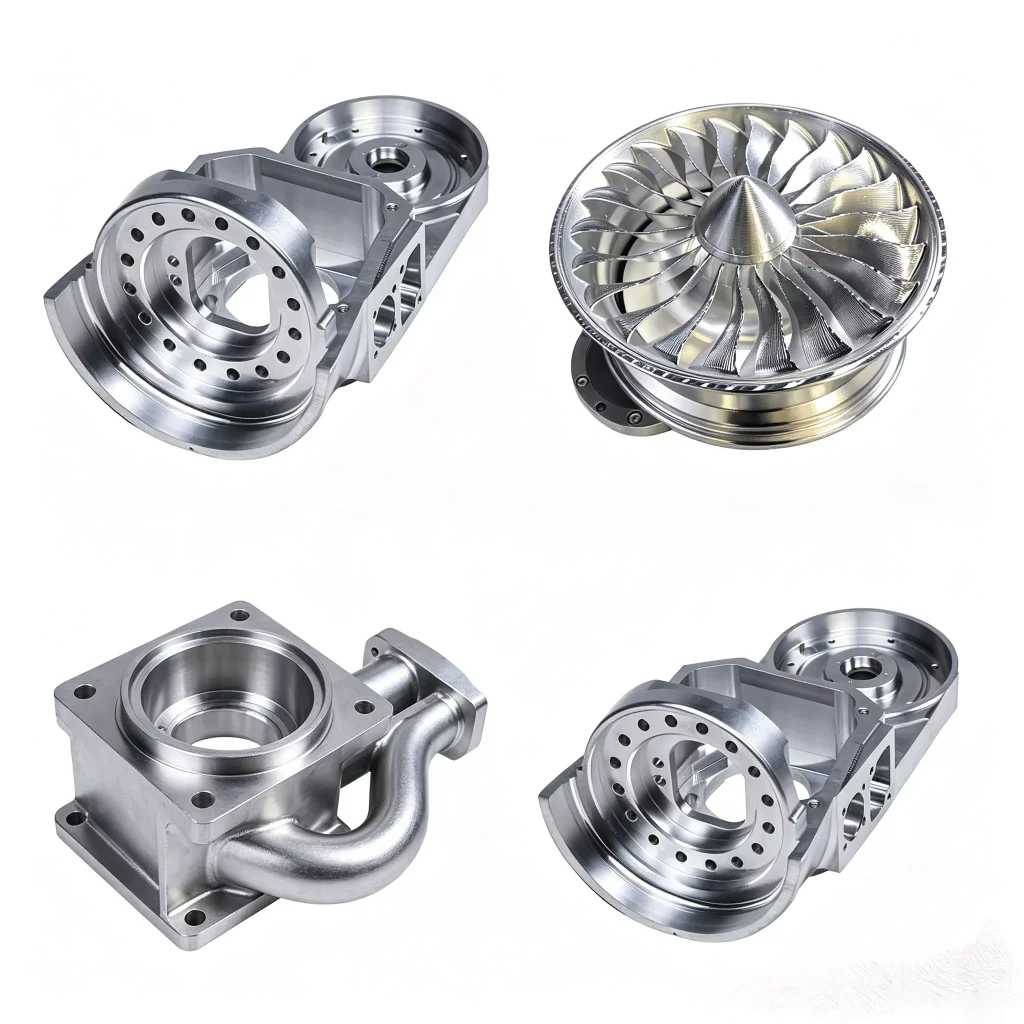
CNC Milling

Our CNC milling services support 3-axis, 4-axis, and 5-axis machining for complex geometries, precision surfaces, and tight-tolerance parts.

Typical applications include:

  • Aluminum housings
  • Mechanical components
  • Automation parts
  • Aerospace structures
  • Medical equipment components

Capabilities:

  • 3 Axis CNC Milling
  • 4 Axis CNC Milling
  • 5 Axis CNC Milling
  • High Speed Machining
  • Prototype & Production Milling
CNC Turning Parts-MS Machining

CNC Turning Services

Our CNC turning services are suitable for cylindrical components, threaded parts, shafts, bushings, and precision rotational parts.

Capabilities:

  • CNC Lathe Machining
  • Live Tool Turning
  • Thread Machining
  • Precision Shaft Manufacturing
  • Tight Tolerance Turning

Why Choose MS Machining

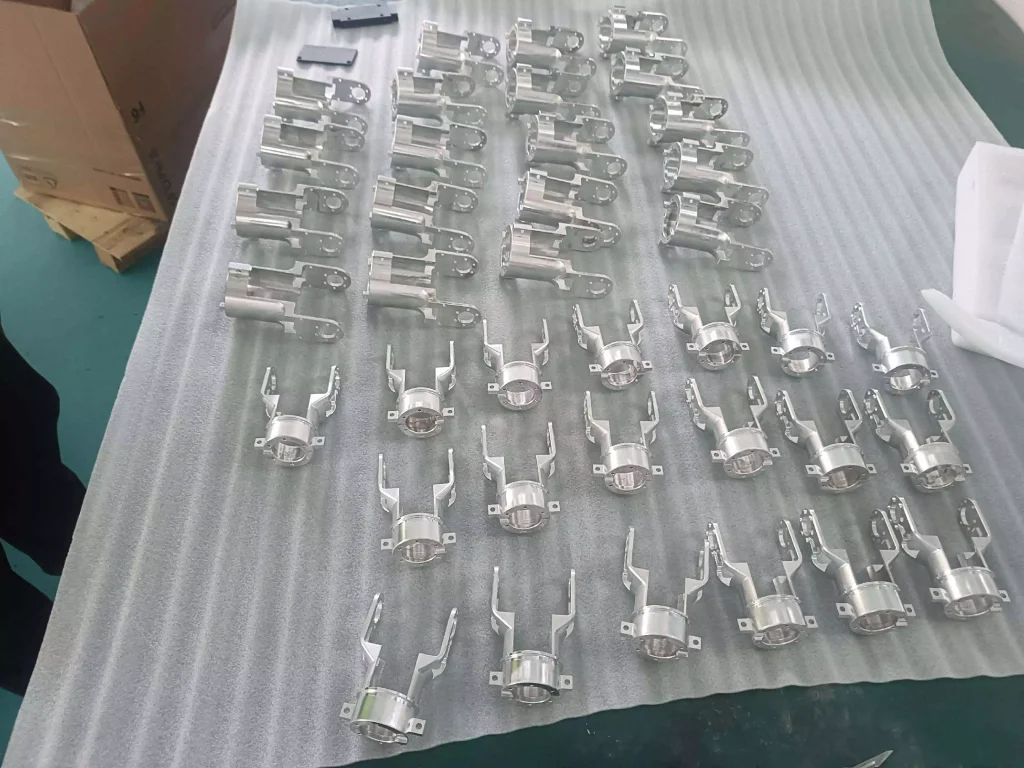
Stable Machining Quality

We implement in-process inspection and final quality control procedures to maintain dimensional consistency throughout production.

Tight Tolerance Capability

Our machining processes support tolerances up to ±0.005mm for critical dimensions and precision-fit assemblies.

Engineering Support

Our engineering team reviews CAD files and provides manufacturability feedback before production begins.

Flexible Production Capacity

We support both prototype machining and medium-volume production projects across different industries.

Material & Finish Support

A wide range of engineering materials and surface finishes are available based on functional and cosmetic requirements.
MS Machining

CNC Machining Tolerances

MS Machining provides precision CNC machining services for custom metal and plastic components with stable dimensional control and repeatable manufacturing quality.

Standard Tolerance

±0.01 mm

Tight Tolerance

Up to ±0.005 mm

Lead Time

3–7 Business Days

Inspection

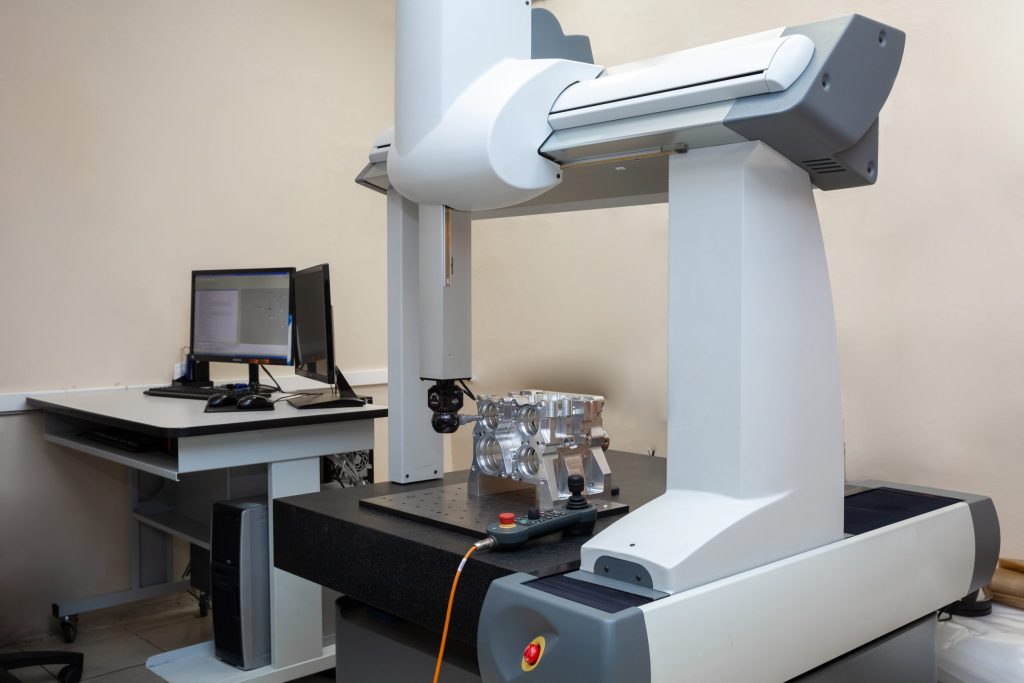
CMM & Precision Gauges

Feature Specification
Maximum Milling Size Up to 2000 × 1200 × 600 mm
Maximum Turning Size Up to Ø800 × 1500 mm
Standard Lead Time 3–7 Business Days
Standard Machining Tolerance ±0.01 mm
Tight Tolerance Capability Up to ±0.005 mm
Minimum Feature Size 0.5 mm depending on geometry and material
Surface Finish Standard as-machined finish Ra 3.2 μm
Edge Condition Sharp edges removed and deburred by default
Supported Thread Types Metric, UNC, UNF, BSP and custom threads
Inspection Equipment CMM, height gauge, micrometers, calipers

General Tolerance Standards

Unless otherwise specified on technical drawings, machining tolerances are typically controlled according to ISO 2768 standards.

  • Metal Parts: ±0.01 mm
  • Plastic Parts: ±0.05 mm
  • Precision Features: Up to ±0.005 mm

Tighter tolerances can be achieved based on part geometry, material stability, and inspection requirements.

Precision Machining Capability

MS Machining supports high-precision machining for critical dimensions, precision fits, and complex assemblies.

  • Tight positional tolerances
  • Flatness and concentricity control
  • GD&T requirements
  • Precision hole tolerances
  • Fine surface finishes

Engineering review is recommended for components with extremely tight tolerances or complex geometries.

Surface Finish Capability

Standard CNC machined parts are supplied with an as-machined surface finish unless additional finishing is requested.

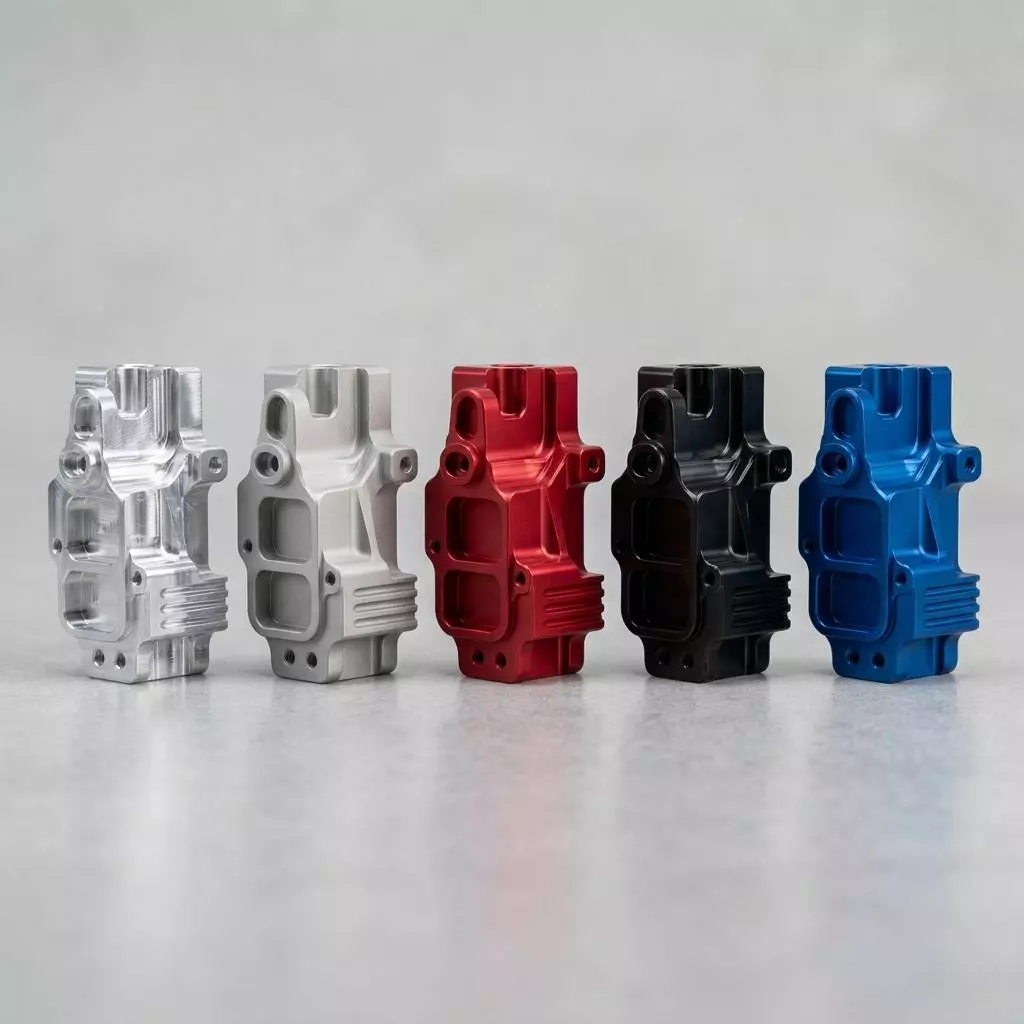
Anodizing Bead Blasting Powder Coating Polishing Electropolishing Black Oxide

Materials for CNC Machining Services

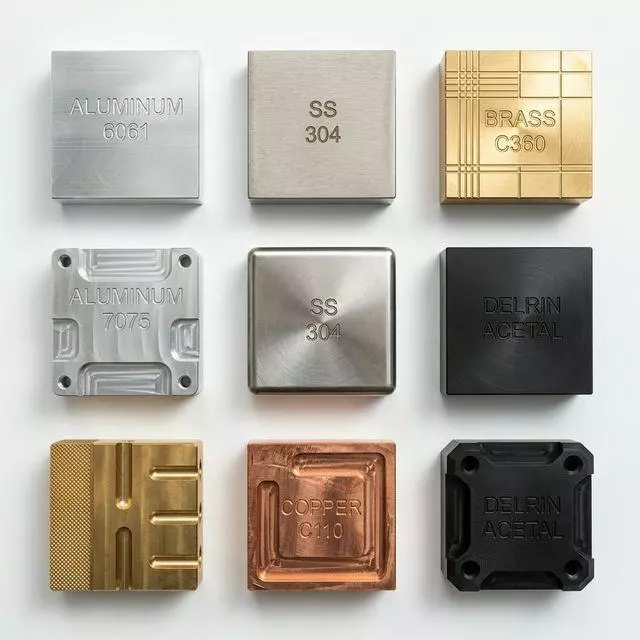
MS Machining supports a wide range of engineering metals and plastics for precision CNC machining, rapid prototyping, and production manufacturing. Material selection depends on mechanical strength, corrosion resistance, machinability, conductivity, weight reduction, and surface finishing requirements.

Aluminum is one of the most commonly used CNC machining materials due to its lightweight properties, corrosion resistance, and excellent machinability. It is widely used for structural components, housings, fixtures, and aerospace parts.

Typical Applications

  • Aerospace structures
  • Electronic housings
  • Automation components
  • Lightweight assemblies
  • Mechanical brackets

Common Aluminum Grades

  • Aluminum 6061
  • Aluminum 5052
  • Aluminum 2024
  • Aluminum 6063
  • Aluminum 7050
  • Aluminum 7075
  • Aluminum MIC-6

Stainless steel materials are suitable for applications requiring corrosion resistance, wear resistance, and stable dimensional performance. Different grades provide varying levels of strength and machinability.

Typical Applications

  • Medical equipment
  • Industrial machinery
  • Food processing components
  • Precision assemblies
  • Pump and valve parts

Common Stainless Steel Grades

  • Stainless Steel 303
  • Stainless Steel 304
  • Stainless Steel 316 / 316L
  • Stainless Steel 410
  • Stainless Steel 416
  • Stainless Steel 420
  • Stainless Steel 440C
  • Stainless Steel 17-4PH
  • Stainless Steel 15-5PH
  • Nitronic 60

Carbon steel and alloy steel materials provide excellent mechanical strength and durability for industrial and structural applications.

Typical Applications

  • Tooling systems
  • Industrial fixtures
  • Shafts and gears
  • Automotive components
  • Machine structures

Common Steel Grades

  • Steel 1018
  • Steel 1045
  • Steel 1215
  • Steel 4130
  • Steel 4140
  • Steel 4140PH
  • Steel 4340
  • A2 Tool Steel
  • O1 Tool Steel
  • D2 Tool Steel

Copper materials provide excellent electrical conductivity and thermal conductivity, making them suitable for electrical and electronic applications.

Typical Applications

  • Electrical connectors
  • Conductive components
  • Heat sinks
  • Power transmission parts
  • Electronic assemblies

Common Copper Grades

  • Copper 101
  • Copper C110
  • Tellurium Copper

Brass and bronze materials offer good machinability, corrosion resistance, and attractive surface appearance for industrial and decorative applications.

Typical Applications

  • Bushings
  • Precision fittings
  • Decorative hardware
  • Plumbing components
  • Industrial connectors

Common Brass & Bronze Grades

  • Brass C260
  • Brass C360
  • Bronze C932

Titanium materials provide exceptional strength-to-weight ratio, corrosion resistance, and high-temperature performance for demanding engineering applications.

Typical Applications

  • Aerospace structures
  • Medical components
  • Racing components
  • High-performance assemblies
  • Corrosion-resistant parts

Common Titanium Grades

  • Titanium Grade 2
  • Titanium Grade 5 (Ti-6Al-4V)

Engineering plastics are widely used for lightweight, electrically insulating, and wear-resistant applications. They are suitable for functional prototypes and industrial components.

Typical Applications

  • Insulation components
  • Wear-resistant parts
  • Lightweight housings
  • Functional prototypes
  • Sliding components

Common Engineering Plastics

  • POM / Delrin
  • ABS
  • Nylon
  • PEEK
  • PTFE
  • Polycarbonate
  • UHMW

Zinc alloys are suitable for industrial hardware, die-cast replacement components, and structural assemblies requiring good dimensional stability.

Typical Applications

  • Hardware parts
  • Industrial brackets
  • Mechanical housings
  • Structural connectors
  • Assembly components

Common Zinc Materials

  • Zinc Alloy
  • Zamak 3
  • Zamak 5

Material selection affects machining cost, lead time, surface finish quality, dimensional stability, and long-term performance.

MS Machining provides engineering support for:

  • Material substitution
  • Machinability optimization
  • Cost reduction recommendations
  • Surface finish compatibility
  • Structural performance requirements
MS Machining

Surface Finishing Options

MS Machining provides a range of surface finishing solutions for CNC machined parts to improve corrosion resistance, appearance, and functional performance.

Finish Material Appearance Function
Anodizing Aluminum Matte / Satin / Colored Improves corrosion resistance and surface protection
Hard Anodizing Aluminum Dark Gray / Black Enhanced wear resistance and durability
Bead Blasting Aluminum, Stainless Steel Uniform matte texture Removes machining marks and improves surface consistency
Powder Coating Aluminum, Steel Colored protective coating Corrosion protection and decorative finish
Black Oxide Steel Black metallic finish Rust resistance and reduced light reflection
Electropolishing Stainless Steel Bright smooth finish Improves corrosion resistance and cleanliness
Mechanical Polishing Stainless Steel, Aluminum Glossy / Mirror finish Improved surface smoothness and appearance
Brushed Finish Stainless Steel, Aluminum Linear satin texture Decorative industrial appearance
Zinc Plating Steel Silver / Blue tint Corrosion protection for steel components
Nickel Plating Steel, Copper, Brass Bright metallic finish Improved wear resistance and hardness

Surface Roughness Reference

Standard CNC machined parts are typically supplied with an as-machined finish of Ra 3.2 μm. Finer surface finishes are available depending on material and post-processing requirements.

CNC Machining Services-FAQS

We understand tolerance issues can cause assembly failure and project delays. That’s why we review all critical dimensions before production. If we see risk in your drawing, we will provide feedback or suggestions before machining starts.

Complex geometry is common in CNC projects. Instead of rejecting files, our engineers analyze manufacturability and suggest design adjustments if needed to reduce risk, cost, or machining difficulty.

Material selection mistakes often lead to performance issues or unnecessary cost. We help evaluate your application requirements (strength, corrosion resistance, weight, environment) and recommend suitable alternatives if needed.

We evaluate urgency at the quotation stage. For time-sensitive projects, we prioritize scheduling and offer feasible production plans to help you meet deadlines without sacrificing critical quality.

That’s not a problem. Many of our projects start from incomplete information. We can work with sketches or partial CAD files and help clarify technical details before production.

To reduce this risk, we verify critical dimensions during production and can provide inspection reports upon request. If there are special assembly requirements, we recommend marking key tolerances in advance.

Cost is usually related to material, tolerance, complexity, and quantity. We help identify cost drivers and suggest design or process adjustments to optimize pricing without affecting function.

We regularly work with international customers. We focus on clear communication, engineering confirmation before production, and consistent updates to reduce misunderstandings and project risk.

We support full lifecycle manufacturing—from prototype validation to repeat production. Once your design is confirmed, we can maintain consistency across batches to reduce variation and rework risk.

Because many teams prioritize reliability over lowest price. We focus on reducing hidden risks like tolerance failure, poor material choice, and unstable quality that often cause more cost later.