
Custom Aerospace CNC Machining Services
We provide precision CNC machining for aerospace components, from prototype development and engineering validation to low-volume and repeat production. Parts are manufactured according to customer drawings, material requirements, and quality specifications.
Our Service
Aerospace Component Manufacturing Services
We provide custom aerospace component machining services for aircraft, UAVs, and aviation equipment, covering structural components, mechanical parts, and prototype manufacturing requirements. Our machining capabilities support aerospace projects from initial part development to low-volume and repeat production.
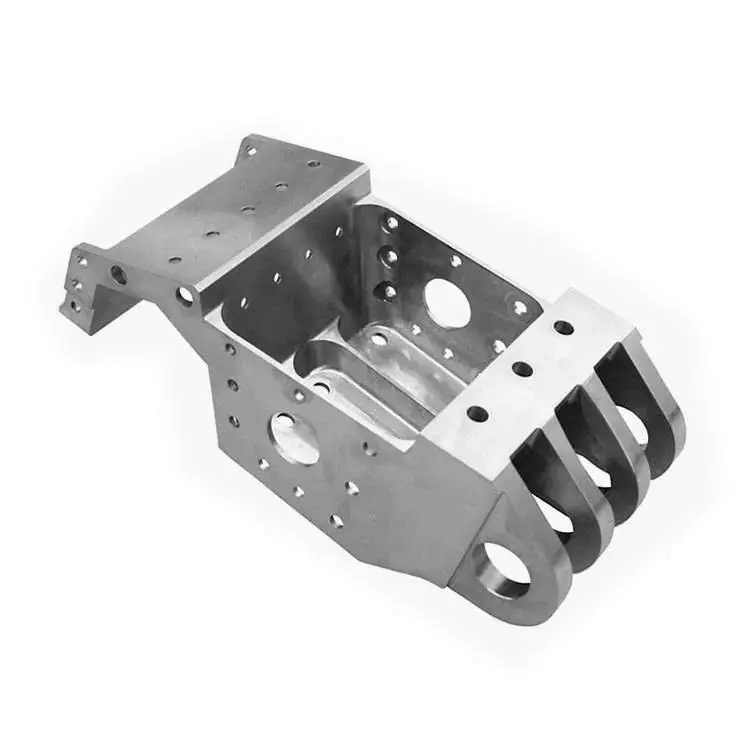
- Aerospace Structural Component Machining---We provide precision machining for aircraft structural components, including structural brackets, mounting components, lightweight structural parts, and custom assemblies. Our capabilities support complex geometries, precision interfaces, and lightweight designs where dimensional accuracy and assembly fit are critical.
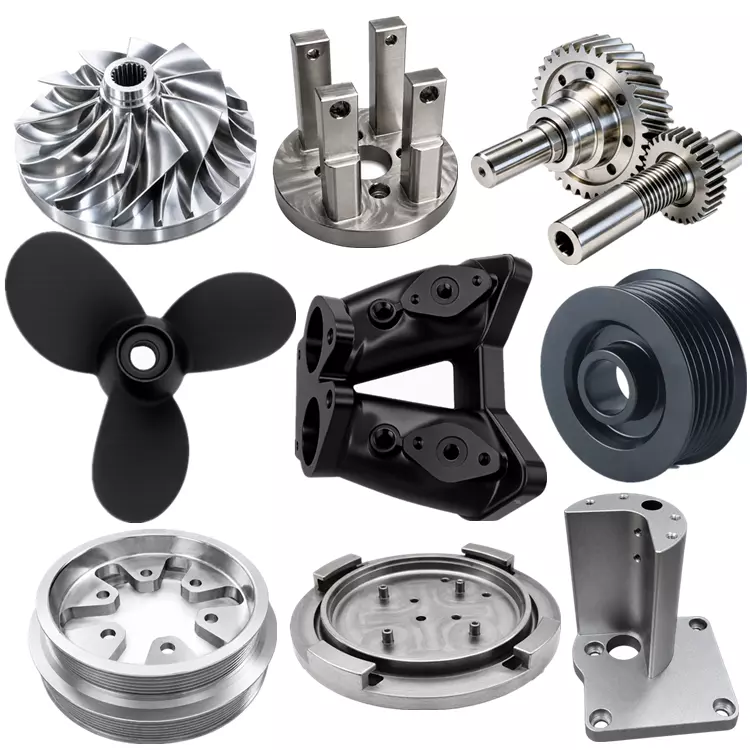
- Aerospace Mechanical Component Machining---We provide machining services for aerospace mechanical components, including housings, covers, connectors, and functional precision parts. We support components with complex features, tight dimensional requirements, and repeat production needs for aerospace equipment and systems.
- UAV Component Machining---We provide custom machining for UAV components, including frames, airframe components, equipment enclosures, and sensor mounting parts. Our services support UAV projects requiring prototype validation, design updates, and small-batch production.
- Aerospace Prototype & Low-Volume Production---We support aerospace prototype and low-volume production projects, including functional prototypes, engineering samples, and initial production parts. Our flexible machining capabilities help accommodate design changes, validation requirements, and production transition needs.
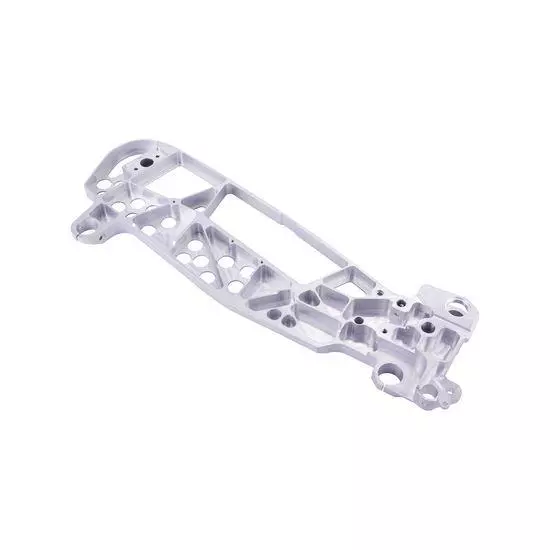
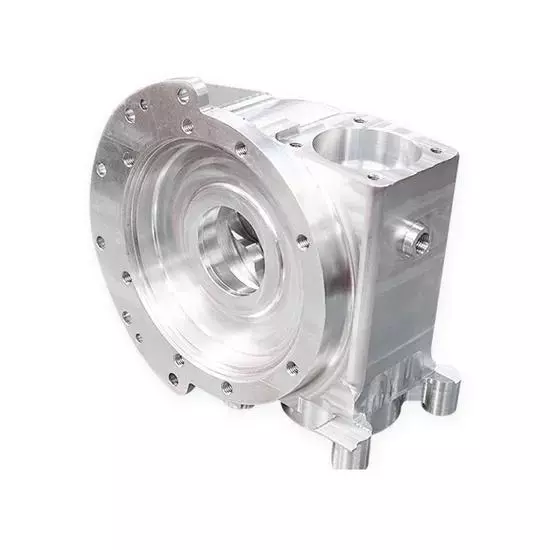
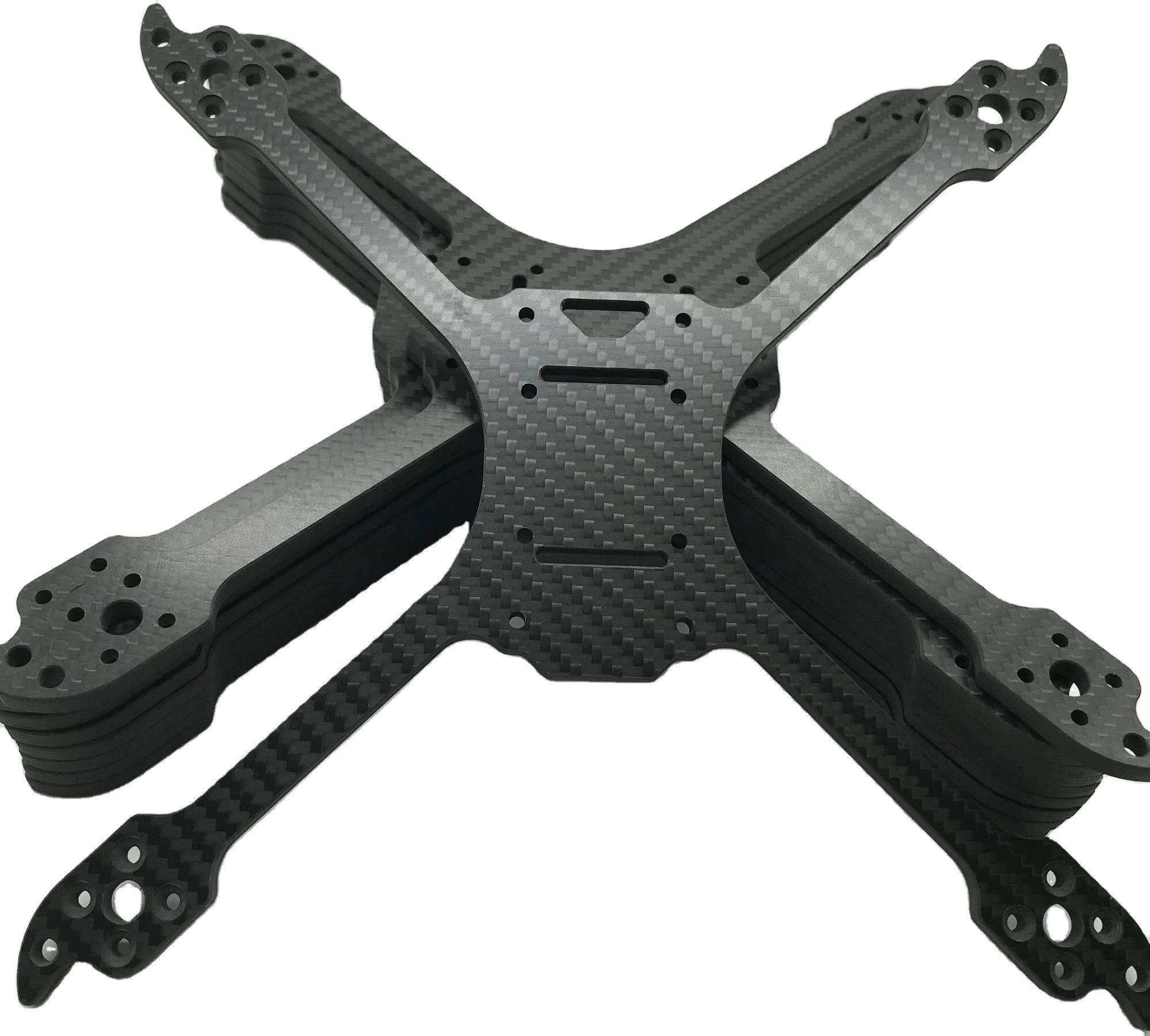
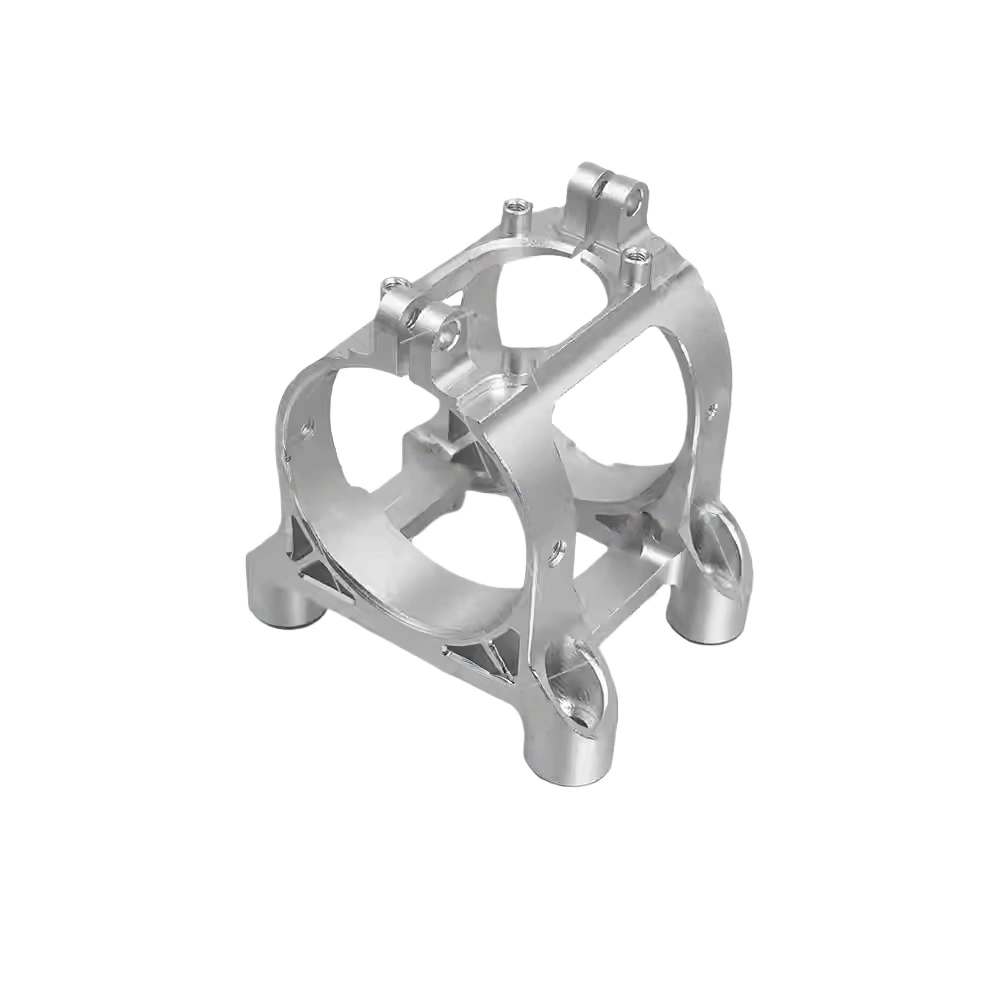
MS Machining
Precision Manufacturing Services for Aerospace Components
Aerospace component manufacturing requires strict tolerance control, complex geometry machining, lightweight material processing, and consistent production capability. By integrating precision CNC machining, complex structural part manufacturing, lightweight component processing, and secondary manufacturing support, we provide one-stop aerospace manufacturing services based on engineering drawings, material requirements, and technical specifications.
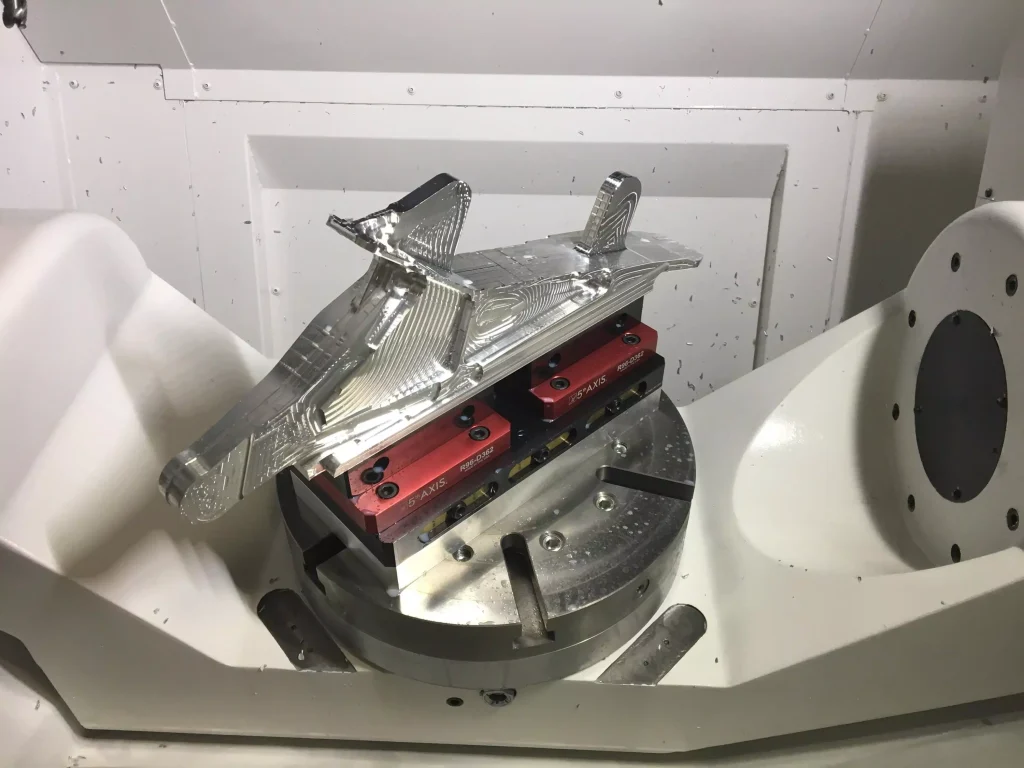
- Precision CNC Machining for Aerospace Components---Supporting high-precision CNC machining for aerospace parts with demanding dimensional requirements, critical features, and tight tolerance areas. Through precision milling, turning, and multi-axis machining capabilities, complex contours, precision holes, functional features, and critical interfaces can be manufactured with dimensional accuracy down to ±0.01 mm, ensuring parts meet engineering drawings, tolerance requirements, and application specifications.
- Lightweight Aerospace Component Manufacturing---Supporting lightweight aerospace component manufacturing using commonly applied aerospace materials such as aluminum alloys. The capability covers lightweight housings, structural support components, and complex aluminum parts. By combining precision machining, aluminum die casting, and secondary operations, suitable manufacturing methods can be selected according to part complexity and production volume to achieve lightweight structures with stable dimensions and consistent production quality.
- Complex Aerospace Structural Parts Manufacturing---Supporting the manufacturing of complex aerospace structural parts involving thin-wall designs, complex surfaces, and multi-side machining features. With multi-axis machining and precision manufacturing capabilities, complex geometries, critical interface areas, and high-accuracy features can be processed to meet requirements for structural integrity, dimensional control, and design specifications.
MS Machining
Aerospace Material Machining Services
Aerospace components often require high-strength, lightweight, and performance-driven materials to meet structural, weight, and long-term reliability requirements. Supporting the machining of aerospace materials including aluminum alloys, titanium alloys, stainless steel, and nickel-based alloys, with manufacturing approaches adjusted according to material characteristics, part geometry, and technical requirements to maintain dimensional stability, surface requirements, and overall part performance.
- Aluminum Aerospace Parts Machining---Supporting the machining of aerospace aluminum alloys including 6061-T6, 7075-T6, and 7050, commonly used for lightweight structural components, support parts, and aerospace equipment components. With experience handling complex aluminum structures, machining processes are controlled to minimize deformation and maintain critical dimensions, ensuring consistent accuracy and production stability for aerospace applications.
- Titanium Aerospace Components Machining---Supporting the machining of Ti-6Al-4V titanium alloy components for high-strength aerospace applications where material performance and reliability are critical. Considering the machining characteristics of titanium alloys, manufacturing processes focus on maintaining machining stability, dimensional accuracy, and surface quality to ensure parts meet engineering drawings and performance requirements.
- Stainless Steel and Nickel Alloy Components Machining---Supporting stainless steel and nickel-based alloy machining for aerospace mechanical components, equipment parts, and other performance-critical applications. For difficult-to-machine materials, manufacturing focuses on material behavior, dimensional consistency, and surface requirements to ensure components maintain reliable performance in demanding operating conditions.
MS Machining
Aerospace Manufacturing Engineering Support
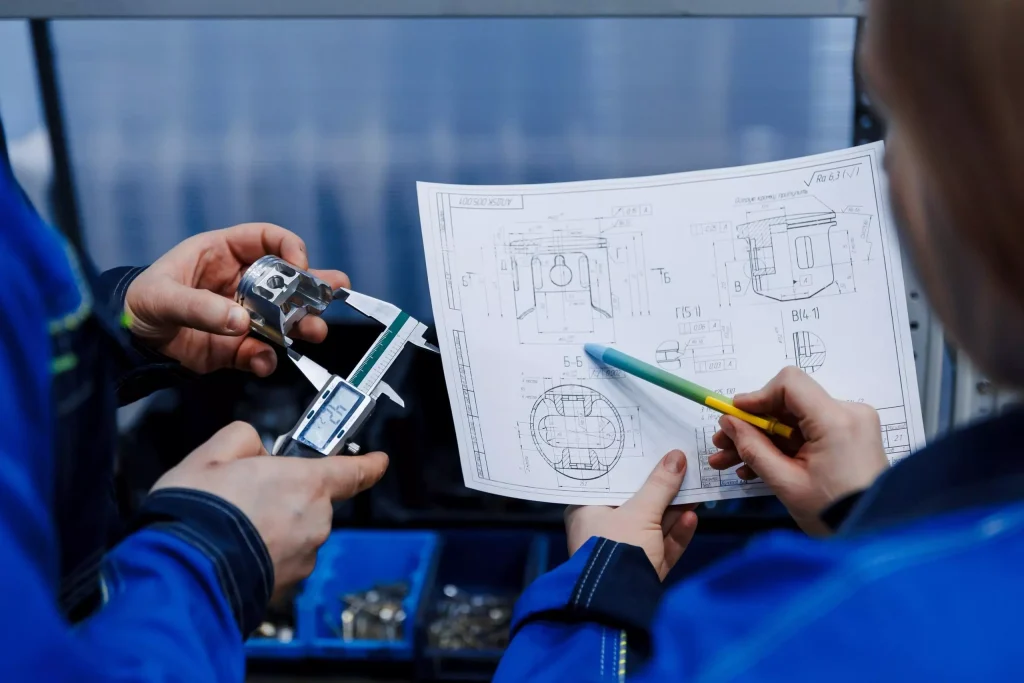
Aerospace component manufacturing requires more than meeting drawing dimensions; the part design, machining approach, and production requirements must remain consistent throughout the manufacturing process. Based on precision machining experience, we support engineering drawing review, manufacturing feasibility analysis, and technical communication to identify potential machining issues before production and develop practical manufacturing approaches that achieve the required specifications.
Drawing Review & DFM Support
Based on customer-provided engineering drawings, 3D models, and technical specifications, we evaluate manufacturing feasibility by reviewing part structures, machining challenges, tolerance requirements, and critical features. Through DFM feedback, potential issues that may affect machining accuracy, production stability, or manufacturability can be identified early, with practical recommendations based on actual manufacturing conditions.
Engineering Change Support
Aerospace projects often involve design revisions, drawing updates, and changing technical requirements during development and production stages. We support engineering change reviews, manufacturing adjustments, and production coordination to ensure updated requirements can be implemented smoothly while maintaining dimensional accuracy and production consistency.
Component Assembly Support
For aerospace projects requiring component-level delivery, we support part assembly, sub-assembly integration, and related secondary process coordination. By considering dimensional relationships, functional requirements, and component interfaces, we ensure machined parts meet integration requirements and support reliable aerospace equipment assembly.
MS Machining
Aerospace Prototype and Low-Volume Production Services
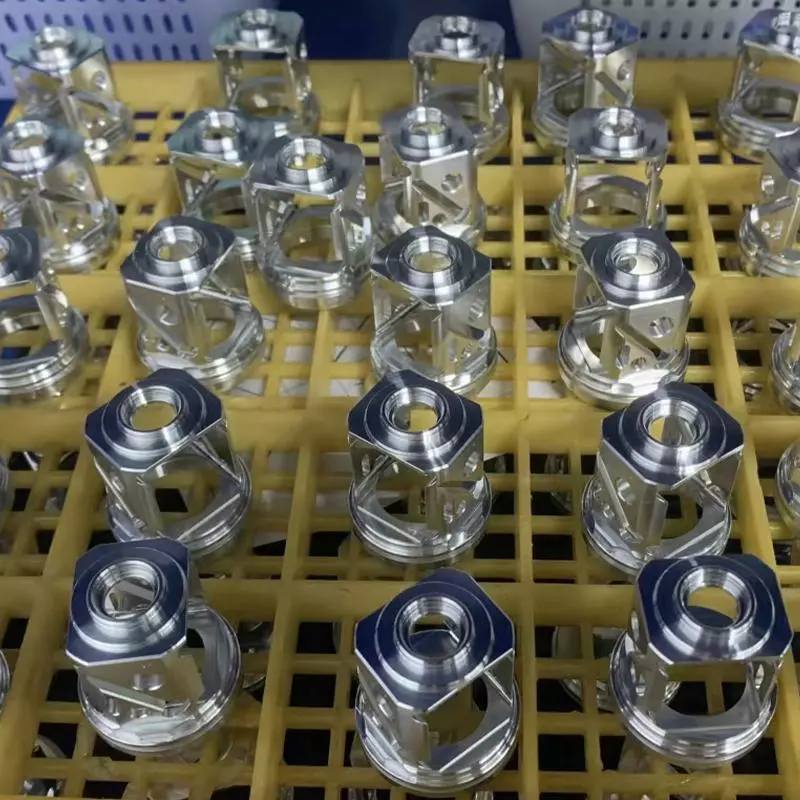
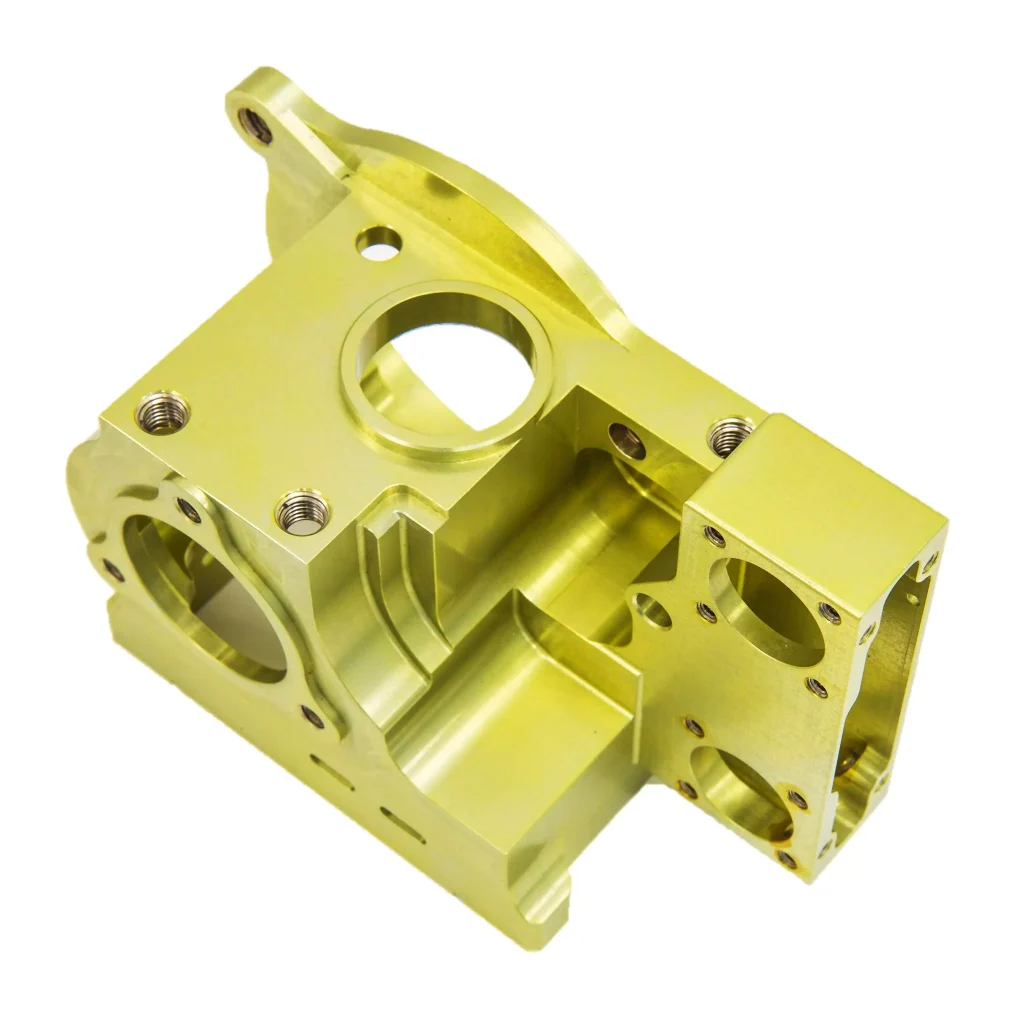
Aerospace component projects often progress through multiple manufacturing stages, including design validation, engineering testing, low-volume production, and long-term supply. Supporting prototype components, engineering samples, test parts, small batch production, repeat production, and replacement parts manufacturing, with flexible manufacturing support based on part complexity, technical requirements, and production volume to maintain consistent quality throughout different project stages.
Prototype Components and Engineering Samples
Supporting prototype components, engineering samples, and test parts manufacturing for aerospace product development and validation requirements. Based on customer-provided engineering drawings, 3D models, and technical specifications, parts are manufactured to support structural validation, functional testing, and engineering evaluation, while accommodating design updates and transition into production.
Small Batch Aerospace Production
Supporting low-volume aerospace production for initial manufacturing stages, trial production, and limited quantity requirements. Through stable manufacturing processes and quality control requirements, maintaining dimensional consistency and production stability across different batches to meet the needs of aerospace projects before full-scale production.
Repeat Production and Replacement Parts Manufacturing
Supporting repeat production and replacement parts manufacturing for long-term aerospace programs and maintenance requirements. Through consistent manufacturing processes and production control, ensuring subsequent batches maintain the required consistency for long-term supply, equipment maintenance, and replacement part requirements.
MS Machining
Aerospace Surface Finishing and Secondary Processing Services
The final performance of aerospace components depends not only on machining accuracy but also on surface treatment, material condition, and secondary processing requirements. Supporting anodizing, hard anodizing, passivation, polishing, and heat treatment services, with finishing processes selected according to material characteristics, application requirements, and technical specifications to achieve the required surface performance, corrosion resistance, and functional requirements.
- Aerospace Surface Treatment Services---Supporting surface treatment processes for aerospace aluminum and metal components, including anodizing, hard anodizing, and passivation. These processes improve corrosion resistance, surface durability, and long-term performance while maintaining the required surface quality and functional characteristics defined by engineering specifications.
- Secondary Processing for Aerospace Components---Supporting additional processing requirements for aerospace components, including polishing and heat treatment, to enhance material performance, surface condition, and functional properties. Through proper process coordination, secondary operations are integrated with machining requirements to meet the performance expectations of structural components, mechanical parts, and other aerospace applications.
- Integrated Manufacturing and Finishing Support---Supporting the complete manufacturing process from precision machining to secondary finishing operations. By coordinating machining requirements, material characteristics, and post-processing specifications, we help ensure finished aerospace components meet design requirements and application standards while reducing complexity across multiple manufacturing stages.
MS Machining
Aerospace Quality Assurance and Documentation Control
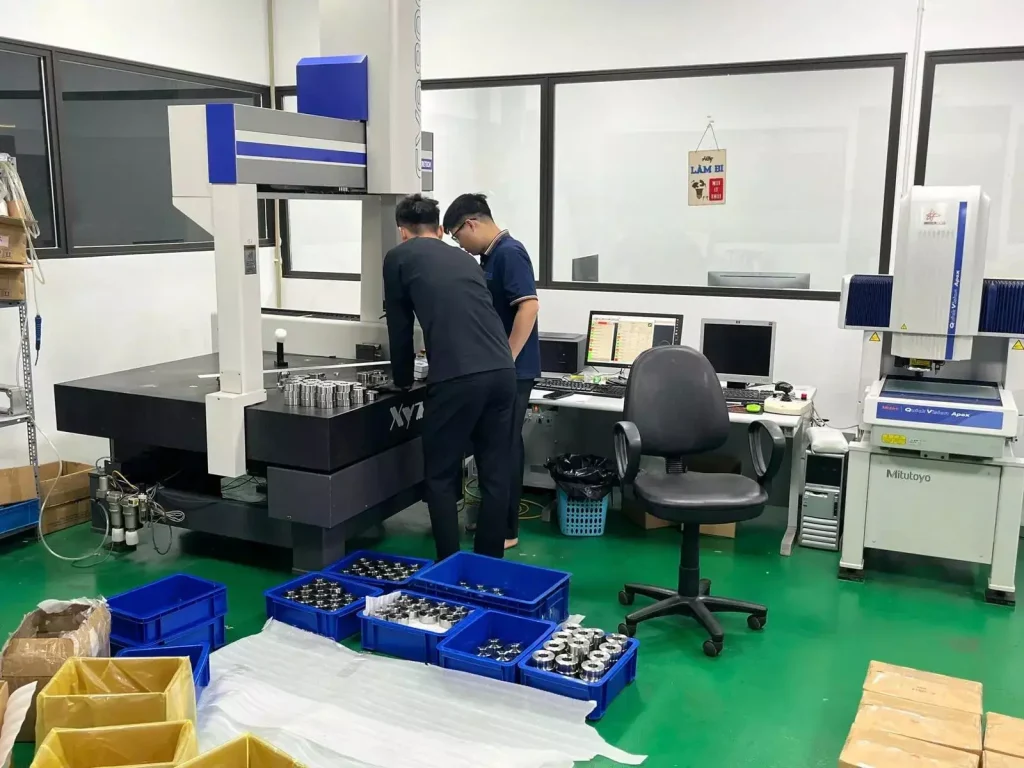
Aerospace component quality requirements extend beyond machining accuracy and require reliable inspection results, material verification, and complete manufacturing records. Supporting aerospace projects with dimensional inspection, quality verification, and documentation control, we ensure critical part characteristics are properly verified and provide the necessary quality records required for aerospace applications.
Dimensional Inspection and Quality Verification
For aerospace components with critical dimensions, tight tolerances, and complex features, inspection is performed according to engineering drawings and technical specifications. Supporting CMM inspection, dimensional inspection, and surface inspection, key dimensions, geometric features, and surface conditions are verified to confirm part compliance before delivery.
Material Traceability and Documentation Support
Aerospace programs often require detailed material information and quality documentation throughout the manufacturing process. Supporting the preparation of required documentation, including:
- Material certificates
- Inspection reports
- Traceability documentation
These records provide visibility into material origin, inspection results, and part quality status, supporting customer verification requirements and aerospace quality management processes.
Quality Control for Aerospace Components
From precision-machined structural parts to mechanical components and custom aerospace assemblies, quality requirements are considered throughout the manufacturing process. By combining process control with final inspection procedures, delivered components are verified against customer specifications and acceptance requirements.
Frequently Asked Questions About Aerospace CNC Machining Services
Can you manufacture aerospace components based on our drawings and specifications?
Yes. We support aerospace component manufacturing based on customer-provided engineering drawings, 3D models, and technical specifications. Before production, manufacturing requirements are reviewed to understand part structures, critical features, tolerances, and production considerations to ensure the machining process aligns with project requirements.
How do you handle complex aerospace components with tight tolerances?
Complex aerospace components often involve difficult geometries, critical dimensions, and strict fit requirements. We evaluate part structure, machining strategy, material characteristics, and inspection requirements before production. For critical features, dimensional verification can be performed through inspection processes such as CMM measurement to confirm compliance with drawing requirements.
Can you machine difficult aerospace materials such as titanium and nickel alloys?
Yes. We support machining of aerospace materials including aluminum alloys, titanium alloys, stainless steel, and nickel-based alloys. Machining parameters and processes are adjusted according to material properties to maintain dimensional stability, surface quality, and consistent part performance.
What tolerances can you achieve for aerospace components?
For precision aerospace components, critical dimensions can be controlled down to ±0.01 mm depending on part geometry, material, machining requirements, and inspection conditions. Final tolerance capability is evaluated according to drawing specifications and component requirements.
Do you support aerospace prototypes and low-volume production?
Yes. We support aerospace projects from prototype components, engineering samples, and test parts to low-volume production and repeat manufacturing. Manufacturing support can be adjusted according to project stage, production quantity, and technical requirements.
Can you support engineering changes during aerospace projects?
Yes. Aerospace projects often involve design revisions and drawing updates during development. We support drawing review, DFM feedback, and manufacturing discussions to evaluate the impact of design changes and ensure updated requirements can be implemented effectively.
Can you provide inspection reports and material traceability documents?
Yes. Quality documentation can be provided according to project requirements, including inspection reports, material certificates, and traceability documentation. Dimensional inspection, CMM inspection, and surface inspection can be performed to verify critical requirements.
How do you ensure consistency for repeat aerospace orders?
For repeat aerospace production, maintaining consistent manufacturing conditions is critical. We rely on controlled machining processes, inspection procedures, and production records to maintain part consistency across repeated orders.
Can you provide a complete manufacturing solution including secondary processes?
Yes. In addition to precision machining, we support secondary processing requirements such as anodizing, hard anodizing, passivation, polishing, heat treatment, and other finishing processes. These processes are coordinated according to material requirements and application specifications.