
PRECISION METAL FABRICATION

Laser Cutting Services | MS Machining

Custom sheet metal parts from your CAD file—prototypes through production. Fiber laser profiling holds a typical ±0.1 mm tolerance on stainless steel, aluminum, carbon steel, and other shop metals.

±0.25mm
Carbon steel (minimum tolerance )
±0.20mm
Stainless (minimum tolerance )
±0.12mm
Aluminum (minimum tolerance )
±0.10mm
Typical Accuracy
Laser Cutting Part
Precision Laser Cutting Capabilities

Our Service

Precision Laser Cutting Capabilities

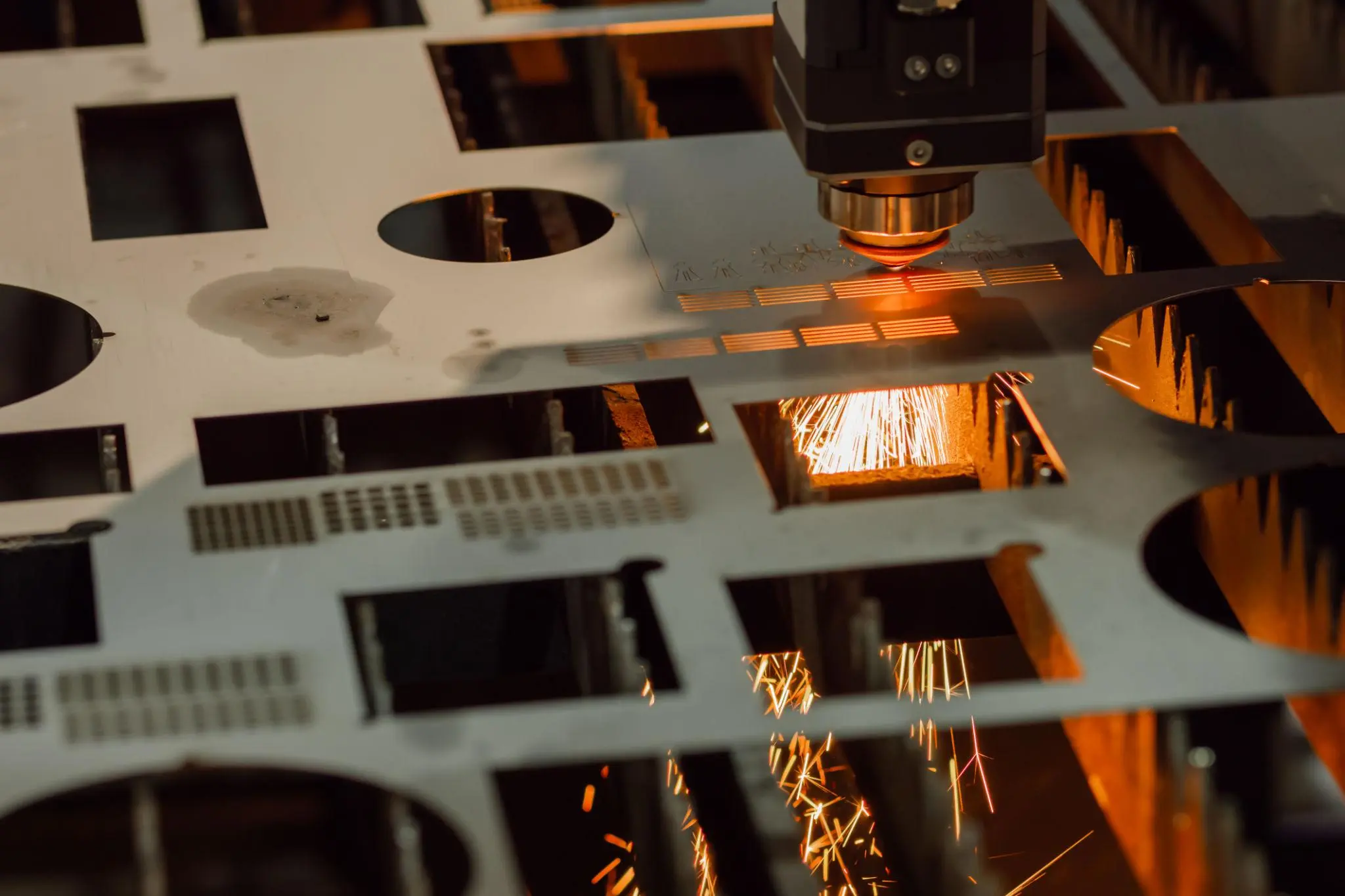
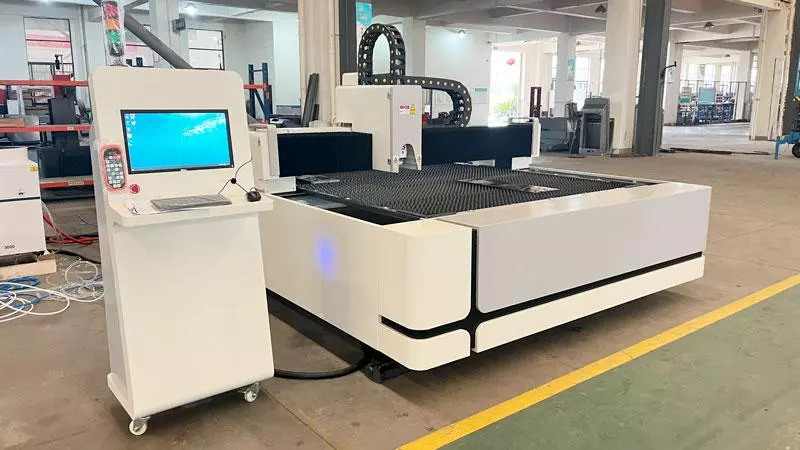
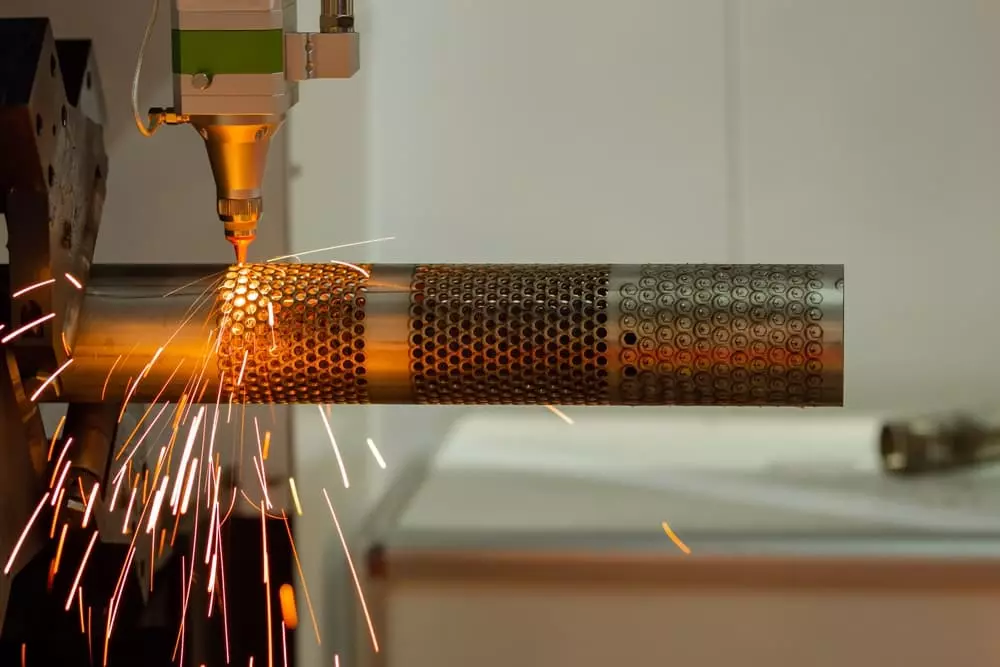
CNC fiber lasers cut flat profiles, holes, and internal features from sheet in one setup. No hard tooling, so prototypes and production blanks use the same process.

MaterialThickness range
Carbon steel0.5–25 mm
Stainless steel0.5–20 mm
Aluminum0.5–12 mm
Brass0.5–8 mm
Copper0.5–6 mm
Galvanized steelQuoted by gauge

Reflective alloys such as copper and brass run at lower max thickness. Stock outside this range is flagged before the sheet is scheduled.

After cutting, parts can move in-house to deburring, bending, hardware insertion, welding, or finishing. Typical profile accuracy is ±0.1 mm; full tolerance notes are below.

Materials for Laser Cutting

Most jobs use common fabrication sheet. Specify alloy, temper, and finish (2B, brushed, mill) so the quote matches the stock that will actually be cut.

Customer-supplied sheet is accepted when the grade is identified and the plate is flat enough to process. Coatings that release unsafe fumes, or stock we cannot fixture, are declined before scheduling.

Thickness limits by material are listed in the capabilities table above. If you need a grade that is not listed, send it with the file—we will confirm cuttability rather than assume it.

Materials for Laser Cutting
Laser Cutting Tolerances

Laser Cutting Tolerances

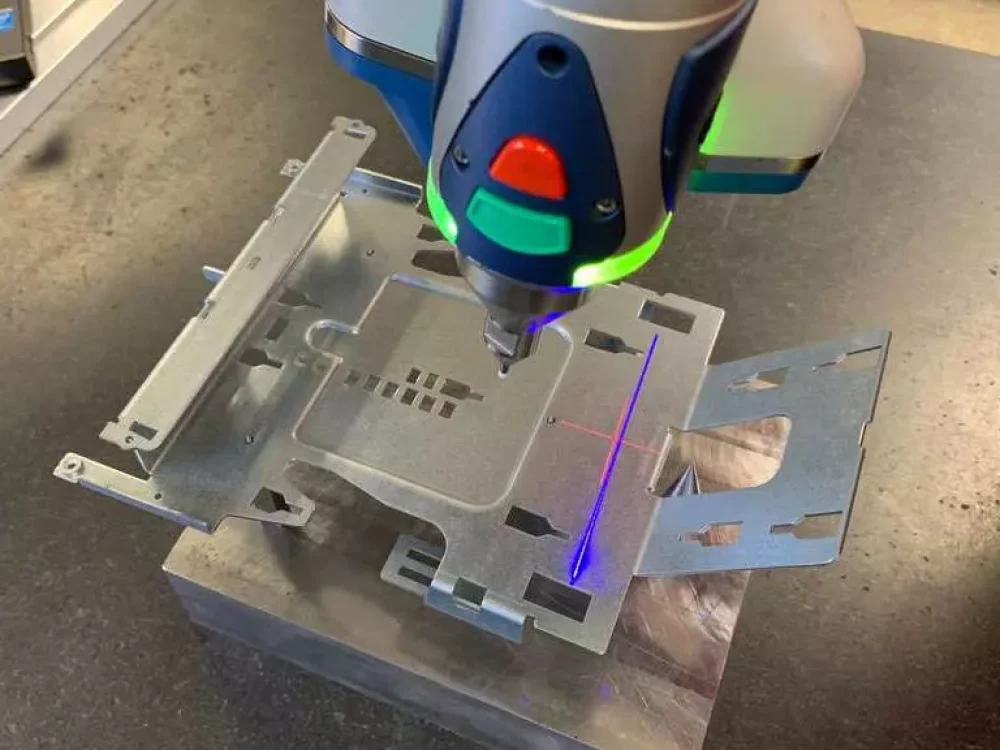
Typical profile accuracy is ±0.1 mm. Hole diameter is ±0.05 to ±0.1 mm, with the tighter end of that range on thinner sheet. Tolerance widens on thick plate, high aspect-ratio parts, and dense cutouts where heat accumulates in the web.

Kerf is typically 0.1–0.3 mm and is compensated in CAM unless a specific fit is required. Dimension parts to nominal size; do not pre-offset the file unless you have already designed a clearance or press fit.

A heat-affected zone is present at the cut edge. It is limited on thin stainless steel and aluminum, and larger on thick carbon steel cut with oxygen. Heavier plate may show striations. Deburring can be added for handling, paint, or assembly edges.

Call out critical hole patterns and mating edges on the drawing. Features tighter than the figures above are reviewed at quote.

Applications of Laser Cutting

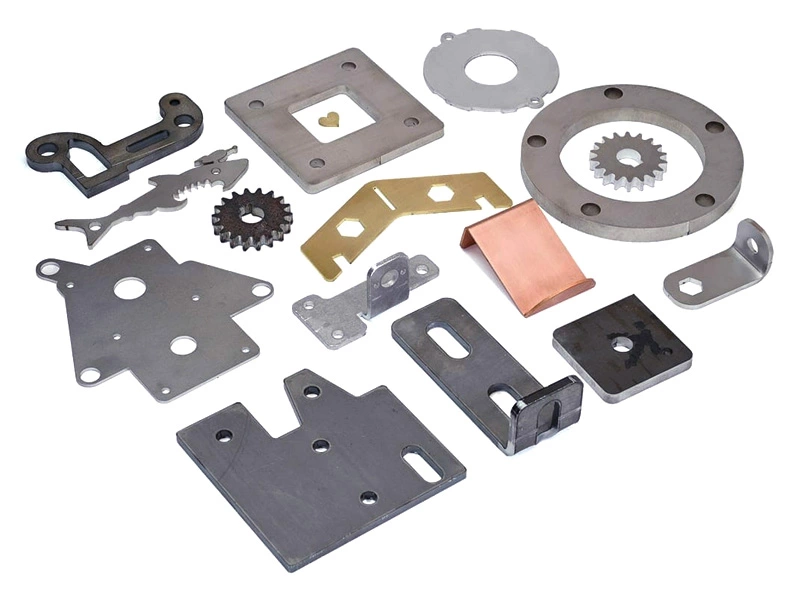
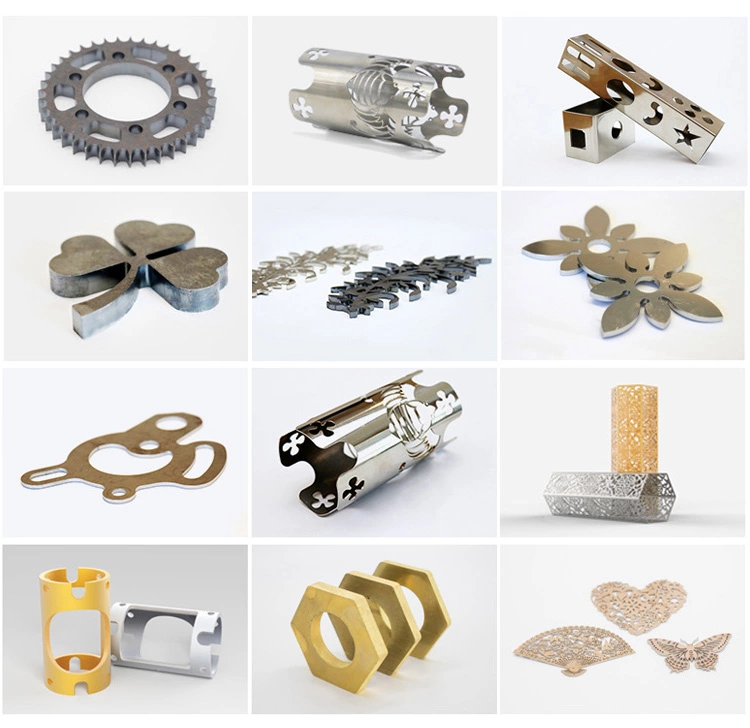
The same process covers development parts and production blanks: mounting brackets, gussets, fixture plates, equipment covers, faceplates, machine guards, frame profiles for weldments, and perforated or gasket-carrier panels.

It is a fit when the geometry is flat, the quantity does not justify a hard die, or the profile will change between revisions. Short-run hardware, enclosure kits, and repeat OEM blanks are typical.

If the part later needs bends or weldments, send the 3D model with the flat pattern so forming can be quoted with the blank. Decorative signage and architectural panels can be cut when the material falls inside the thickness range above.

Applications for Laser Cutting
Design Guide for Laser Cutting-01

Laser Cutting Design Guide

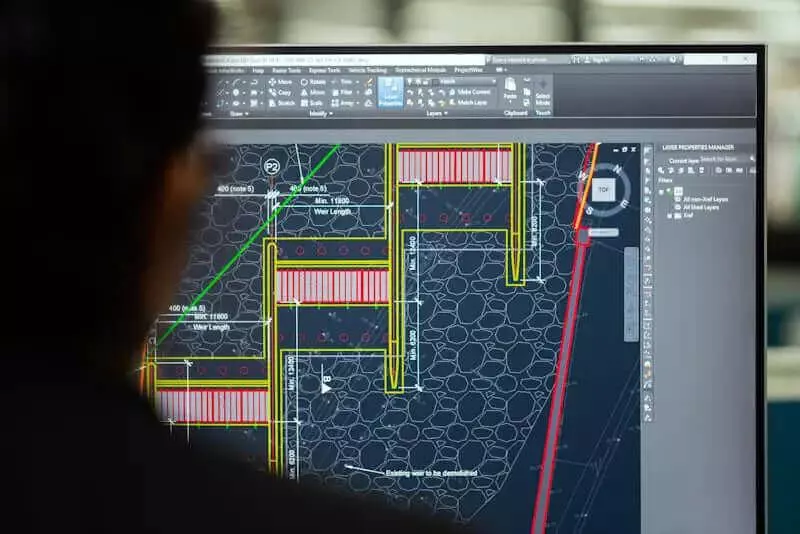
Submit DXF or DWG for flat profiles. Use STEP when bends or assemblies affect the blank. Use a single unit system, closed contours, and no stacked duplicate lines. Convert cut-through text to outlines.

Minimum hole diameter and slot width should be at least one material thickness. Keep at least one material thickness between features and from any feature to the outer edge. Sharp outside corners are acceptable. An inside corner radius of 0.5 mm, or the beam radius, reduces dwell marks.

Dimension to nominal size. Kerf compensation is applied in CAM unless a specific clearance or press fit is already designed in. Specify only functionally critical tolerances. Applying ±0.05 mm to every dimension increases cost without changing the cut.

Features outside these guidelines can still be reviewed before the job is scheduled.

How to Order Laser Cut Parts

Send the file with material, thickness, quantity, and finish. DXF or DWG is enough for flat parts; include STEP if the blank will be bent or welded.

Geometry, nest, and any notes that affect tolerance or edge quality are checked before pricing. The quote includes lead time. Simple flats in stock sheet are scheduled first; forming, hardware, or finishing adds time.

Prototype quantities are accepted. Repeat nests cost less per part when the program does not change. Customer-supplied sheet can be used when the grade is identified and the plate is flat enough to run.

Laser Cutting FAQ

What file should I send?

DXF or DWG for flat profiles. Add STEP when the part will be bent or assembled. A PDF helps if critical dimensions are not obvious in the model.

What tolerance can you hold?

Typical profile accuracy is ±0.1 mm. Holes are usually ±0.05 to ±0.1 mm on thinner sheet. Tighter callouts are reviewed at quote.

Which materials can you cut?

Stainless steel, aluminum, carbon steel, brass, copper, and galvanized sheet, within the thickness limits listed above.

Do you accept prototypes and production quantities?

Yes. The same program can run a first article and a repeat nest.