
5-Axis CNC Machining Services for Complex Parts

Fewer setups. Tighter alignment between faces. Prototype to production.

±0.01 mm typical · 5-axis milling & mill-turn

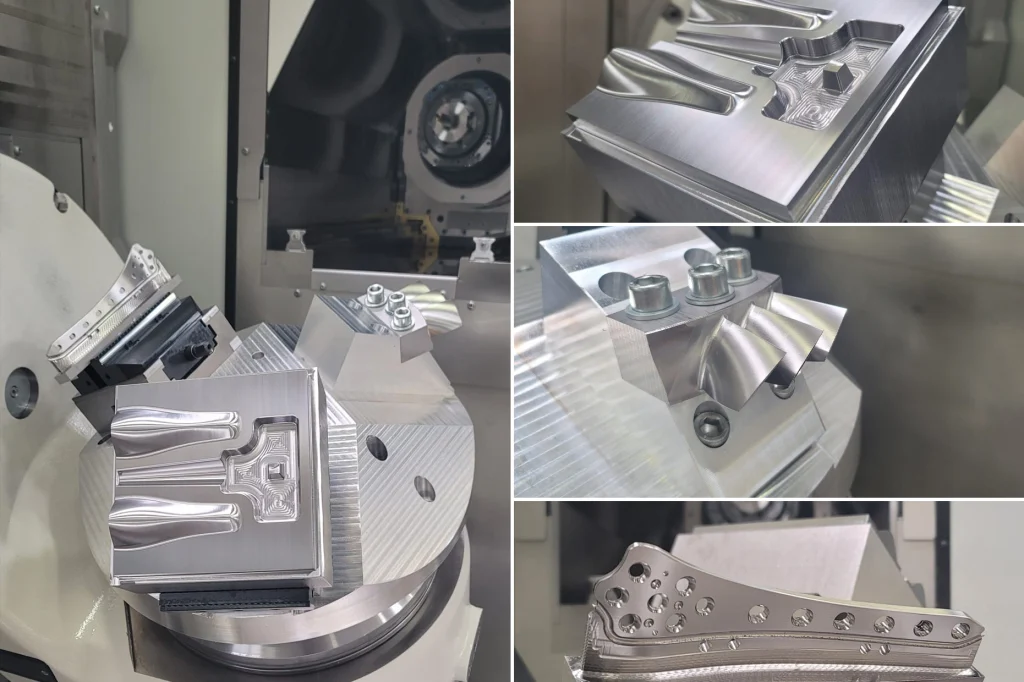
5-Axis milling and mill-turn in one setup

When a part has to stay true from one face to another, every extra setup adds stack-up. We machine those parts on 5-axis so holes, profiles, and contours are cut in one clamping — from first article through production.

  • Typical tolerance: ±0.01 mm
  • Work: simultaneous 5-axis and 3+2 milling, mill-turn
  • Lots: 1-off prototypes to repeat production

Send a STEP or PDF. We review the datum scheme and tell you what should stay in one setup before we quote.

5-Axis machining capabilities

We quote 5-axis milling and mill-turn from the drawing: what can stay in one setup, what needs 3+2, and what needs simultaneous 5-axis.

ItemSpec
Process3+2 indexed and simultaneous 5-axis milling; mill-turn
Typical tolerance±0.01 mm
Tighter featuresReviewed against the drawing before cutting
MaterialsAluminum, stainless steel, alloy steel, tool steel, copper, titanium
Lot size1-off prototypes to repeat production
FilesSTEP, IGES, PDF
InspectionFirst-article check; reports on request

If a feature cannot hold ±0.01 mm in one setup — thin walls, deep pockets, hardened stock — we say so in the quote, not after the first article.

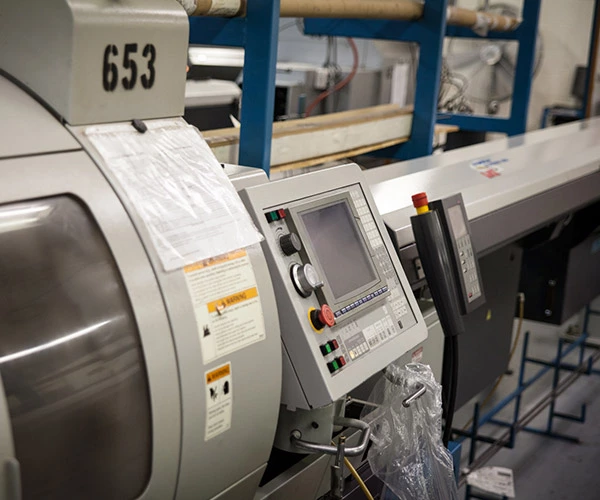
5-Axis CNC Turning

3+2 vs simultaneous 5-axis

Not every 5-axis job needs all five axes moving at once. We pick the mode from the drawing, not from a default program.

3+2 (indexed 5-axis)
The part is locked at an angle, then cut like a rigid 3-axis setup. Good for multi-face brackets, hole patterns on sloped walls, and pockets that only need access from another side. Fewer axes in motion usually means a more stable cut and a lower cost than full simultaneous work.

Simultaneous 5-axis
The tool and the table move together. This is for twisted blades, flowing surfaces, and contours that cannot be reached with a fixed tilt. Use it when the surface itself is the datum, not just the faces around it.

How we choose
If 3+2 holds the position and the finish, we stay on 3+2. If the form will facet, dwell, or need extra blending, we switch to simultaneous 5-axis and say so in the quote.

Send the STEP. We will mark which features stay indexed and which need simultaneous motion before you buy the process.

Materials for 5-axis machining 

We machine metals that hold up in a 5-axis cut — light alloys, stainless, and harder stock when the drawing calls for it. The grade and the heat-treat state decide the toolpath, not the other way around.

MaterialTypical gradesNotes
Aluminum6061, 7075Fast 5-axis work; watch thin walls and burrs on pockets
Stainless steel304, 316, 17-4 PHHeat and work-hardening control the feed; finish is quoted from the print
Alloy / tool steel4140, P20, and similarFine for brackets, molds, and wear parts; hardened stock is reviewed first
Copper alloysC110, brassSoft stock; sharp tools and clean edges matter more than speed
TitaniumTi-6Al-4VSlower cut, stable workholding, extra attention to heat

f the print calls out Inconel, Hastelloy, or pre-hardened tool steel above the usual range, send the spec before we quote. Some of those jobs run; some should stay on a different process.

Surface finish and treatments (anodize, passivation, heat treat) are quoted with the machining, not added after the fact.

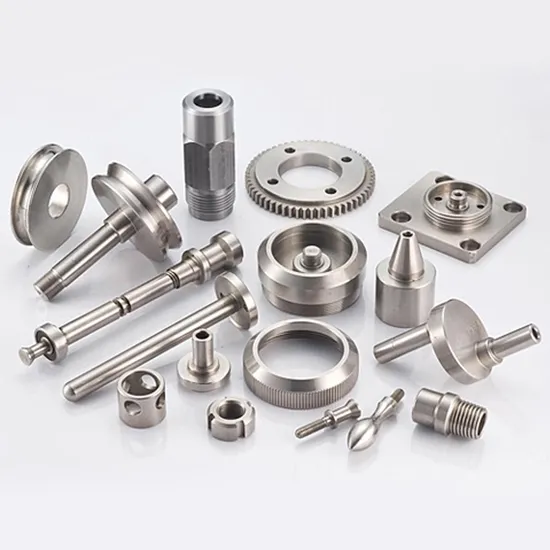
custom cnc lathe parts

Inspection and first-article checks

A 5-axis part can look finished and still be out on true position. We check the features that were supposed to stay in one setup — not only the size of a single hole.

Before the cut
The drawing is reviewed for datums, thin walls, deep features, and stock that will move. If a tolerance will not hold in the planned setup, we flag it in the quote.

First article
The first piece is checked against the print before the lot runs. Critical faces, hole position, and profiles are verified on that article.

During and after production
In-process checks stay on the same datums used in the program. A dimensional report ships with the order when you ask for it.

Tell us on the RFQ if you need a formal first-article package, CMM data, or a ballooned drawing. We will price the inspection with the parts, not as a surprise.
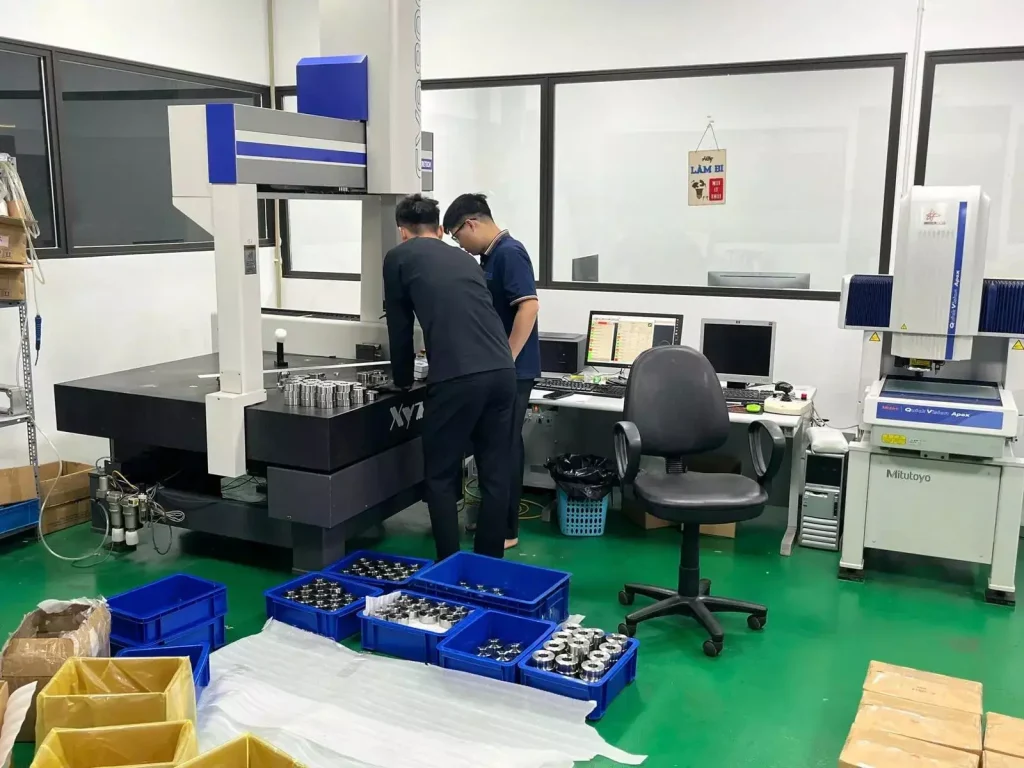
CMM inspectio-01

5-Axis machining FAQ

Do you run 3+2 or simultaneous 5-axis?

Both. 3+2 when a locked angle is enough. Simultaneous 5-axis when the surface has to flow — blades, contours, and forms that facet on an indexed cycle.

Typical production tolerance is ±0.01 mm. Tighter features are reviewed on the drawing before we cut. Thin walls, deep pockets, and hard stock may not hold the same number.

Aluminum, stainless steel, alloy and tool steel, copper alloys, and titanium. Unusual grades or pre-hardened stock need the spec with the RFQ.

STEP, IGES, and PDF. A 3D model plus a dimensioned PDF is enough to quote.

The hour rate can be higher. The job is often cheaper when it removes extra setups and extra chance to miss a datum. If 3-axis will hold the print, we will say so.

Lead time depends on geometry, material, quantity, and inspection. The quote includes a date. One-off prototypes and production lots both run.