Anodizing Services | MS Machining

Anodizing for CNC machined aluminum parts, with coating thickness, color, masking and dimensional requirements specified to your drawing. Send us your drawing and we’ll review the requirements and provide a quote.


CapabilityOptions / Requirements
Anodizing TypeType II · Type III Hardcoat
Coating ThicknessSpecified by drawing or purchase order
Anodizing ColorsClear · Black · Standard Colors · Custom Color Matching
Surface PreparationAs-Machined · Bead Blasted
MaskingThreads · Bores · Ground Pads · Press-Fit Areas
SealingAccording to anodizing specification and application
Aluminum Alloys5052 · 6061 · 6063 · 7075
Part TypesCNC Machined Parts · Sheet Metal Parts · Fabricated Aluminum Components
Production VolumePrototype · Low Volume · Production Runs

Our Service

Aluminum Anodizing Capabilities

We provide aluminum anodizing services for CNC machined parts, including Type II anodizing and Type III hardcoat anodizing. Coating thickness, color, surface preparation and masking requirements are specified according to the part drawing.

Type II vs Type III Anodizing

Choose the anodizing type based on the part's function, required wear resistance and dimensional requirements.

Requirement Type II Type III Hardcoat
Best For Housings, panels, brackets and general CNC parts Wear surfaces, fixtures and sliding components
Primary Purpose Color and general corrosion protection Higher hardness and wear resistance
Color Clear, black and standard dyed colors Natural gray, bronze to dark tones
Thickness According to drawing or specification According to drawing or specification
Dimensional Impact Critical features may require dimensional allowance or masking Greater coating buildup requires dimensional allowance or masking
Masking Ground pads, press-fits and fine threads as required Tight threads, bores, mating surfaces and datums as required

Type II is commonly used for CNC housings, brackets and panels where appearance and general corrosion protection are required. Class 1 is undyed; Class 2 is dyed.

Typical callout: ANODIZE PER MIL-A-8625 TYPE II, CLASS 2, BLACK

Type III Hardcoat is selected when the part requires greater wear resistance or when hardcoat is specified on the drawing. Because the coating is thicker, critical threads, bores and mating features may require masking or dimensional allowance.

Typical callout: ANODIZE PER MIL-A-8625 TYPE III, CLASS 1

If the drawing does not specify the anodizing type, include the intended application—such as cosmetic, outdoor or sliding service—when requesting a quote. We can confirm the appropriate anodizing specification before production.

Request a Quote

Our Service

Anodizing Colors and Surface Preparation

For CNC machined aluminum parts, the anodizing result depends on the alloy, machined surface and preparation specified before processing. We review these details with the drawing to make sure the required finish is clear before production.

Black, Clear and Color Anodizing

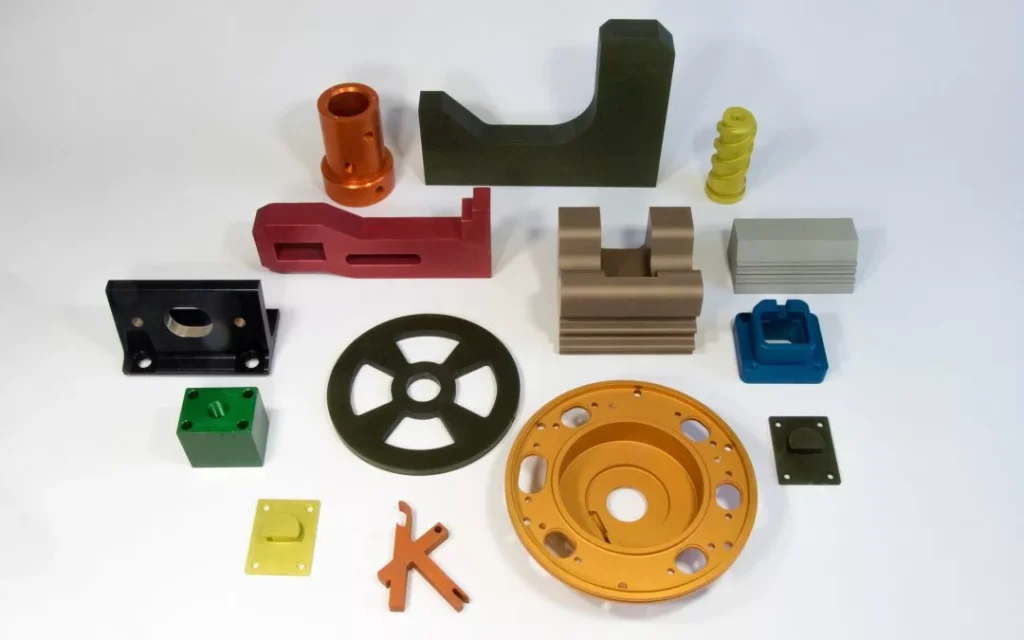
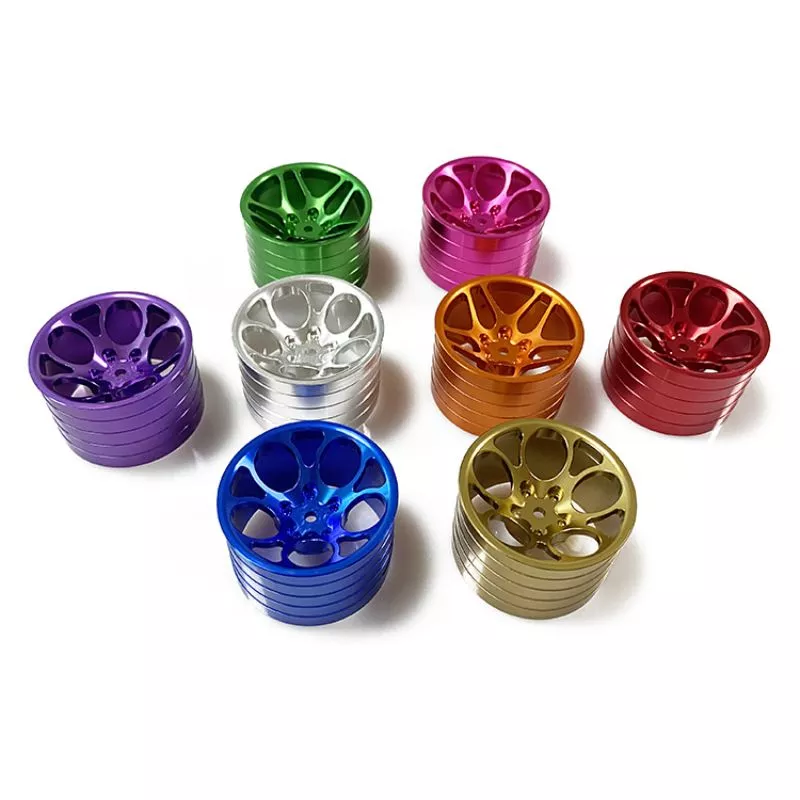
Clear and black are common finishes for CNC machined aluminum housings, brackets and covers. Blue, red and gold are also available for specified requirements.

Color can vary with the aluminum alloy, material batch and surface preparation. For cosmetic parts where appearance consistency matters, we recommend approving a color sample or chip before the production lot.

As-Machined or Bead Blasted?

As-machined keeps the visible machining pattern and tool marks. Choose it when the machined appearance is acceptable.

Bead blasted produces a more uniform satin surface and reduces visible machining marks. It is generally better when several visible faces need to have a consistent appearance.

Masking Critical Features

Anodizing can affect the size and fit of critical features. Threads, bores, press-fit areas, grounding surfaces and mating features may require masking.

For these features, the masking requirement should be identified on the drawing. For Type III hardcoat parts, we pay particular attention to critical dimensions and coating buildup.

For critical features, we review the machining dimensions and anodizing requirements together before processing.

MS Machining

Our Aluminum Anodizing Process

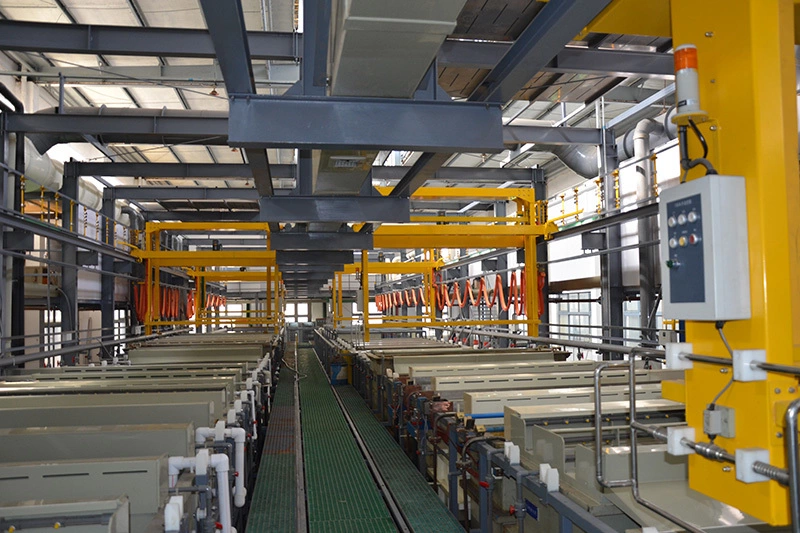
Our anodizing process starts with the part drawing, not the finishing tank. Before production, we review the aluminum alloy, anodizing type, coating thickness, color, masking requirements and critical dimensions that may be affected by the coating.

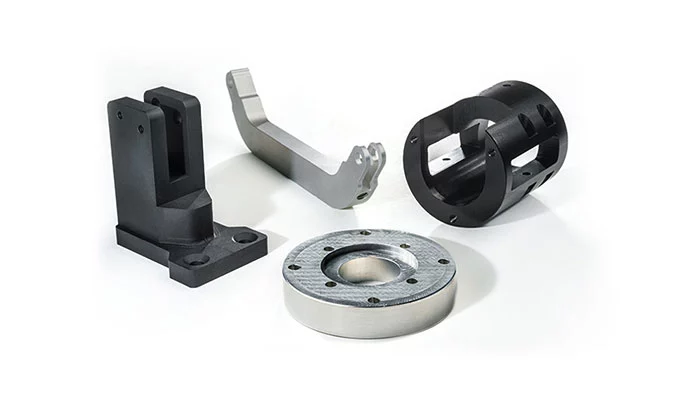
Anodized CNC Machined Parts-MS Machining

MS Machining

How to Quote Aluminum Anodizing Services

A reliable anodizing quote starts with complete part information. We review the drawing and finishing requirements together so the quoted process matches the part you actually need to produce.

RFQ Checklist

  1. Aluminum alloy and temper — 6061-T6, 7075-T6, etc.
  2. Anodizing type, class and specification
  3. Required coating thickness
  4. Color or approved color chip
  5. Surface preparation — As-machined or bead blasted
  6. Masking requirements — Marked on the drawing or masking sketch
  7. Quantity
  8. 2D drawing and STEP file

The more complete the finishing specification, the more accurately we can review the requirements and prepare the quote. If a critical item such as anodizing type, thickness or masking is not specified, we will confirm it before finalizing the quotation.

Have a drawing ready? Send it for review and we’ll identify the anodizing requirements before quoting.

FAQ

Anodizing Services FAQ

Answers to common questions about aluminum anodizing, CNC machined parts, masking, color, dimensions and quoting.

What aluminum anodizing services do you offer?

We provide Type II and Type III hardcoat anodizing services for CNC machined aluminum parts, including clear, black and specified dyed finishes. Surface preparation, masking and sealing can be included according to the part drawing and purchase specification.

What is the difference between Type II and Type III anodizing?

Type II anodizing is commonly selected for color, appearance and general corrosion protection. Type III hardcoat anodizing provides a harder, thicker coating for parts exposed to greater wear. Because Type III adds more coating buildup, critical threads, bores and mating features may require masking or dimensional allowance.

Can you anodize CNC machined aluminum parts?

Yes. We anodize CNC machined aluminum housings, brackets, covers and other precision components. The machining drawing and anodizing requirements are reviewed together, particularly where coating thickness may affect critical dimensions or fit.

What information do you need to quote aluminum anodizing services?

For an accurate quote, provide the aluminum alloy and temper, anodizing type and class, coating thickness, color, surface preparation, masking requirements, quantity and 2D/3D files. If a critical finishing requirement is missing, we will confirm it before finalizing the quotation.

What anodizing colors are available?

Common finishes include clear and black anodizing, with blue, red, gold and other specified colors available depending on the requirement. Final color can vary with aluminum alloy, material batch and surface preparation. For cosmetic parts with strict color requirements, an approved color sample or chip can be used as the production reference.

Can you match anodizing color across different aluminum alloys?

Color matching across different aluminum alloys is not automatically identical. Alloy composition, material batch and surface preparation can affect the final appearance. When color consistency is critical, we recommend approving a reference sample for the specific alloy and production requirement.

Do CNC machined parts need masking before anodizing?

Masking may be required for threads, bores, press-fit areas, grounding surfaces and critical mating features that must remain uncoated. The required masking areas should be identified on the drawing so they can be reviewed together with the anodizing and dimensional requirements.

How does anodizing affect CNC part dimensions?

Anodizing adds a coating to the part surface, so critical dimensions can be affected by coating buildup. For tight-tolerance threads, bores, shafts and mating features, the drawing should identify the required dimensions, masking or other dimensional requirements before anodizing.

Can you anodize parts with an as-machined or bead-blasted surface?

Yes. Both as-machined and bead-blasted surfaces can be specified before anodizing. As-machined surfaces retain visible machining marks, while bead blasting produces a more uniform satin appearance. The required surface preparation should be specified on the drawing or purchase order.

Can you quote anodizing without a drawing?

We can review an initial inquiry with basic part information, but a firm quotation is more accurate when the 2D drawing, 3D model, material, anodizing specification, quantity and finishing requirements are available. Critical dimensions, masking and cosmetic requirements can then be reviewed before quoting.
Request a Quote

Send your drawing and anodizing requirements for review.