CNC engineering Services

Metal Fabrication: Processes, Materials, Applications & CNC Machining Solutions

Centers
0 +
Punching Machines
0 +
Hydraulic Press Machines
0 +
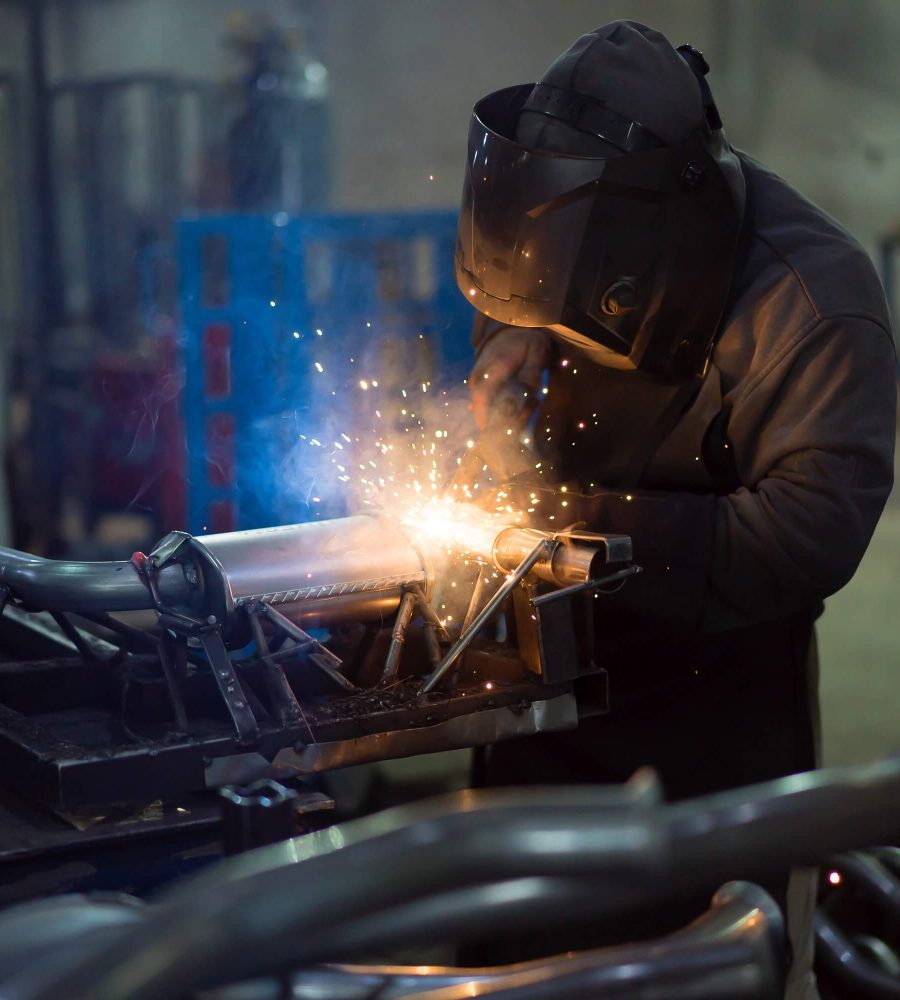
worker-welding-exhaust-pipes-pieces-together-1.jpg
Metal Fabrication and CNC Machining: Combining Structure with Precision

Metal fabrication focuses on building the overall structure and form of a component, while CNC machining adds precision features such as accurate dimensions, complex geometries, and critical functional surfaces. By combining fabrication capabilities with precision CNC machining, manufacturers can produce reliable metal parts for industries including automotive, aerospace, medical, electronics, and industrial equipment.

MS Machining

What Is Metal Fabrication?

Metal fabrication is the process of turning raw metal materials into custom parts, components, and assemblies through a combination of manufacturing techniques.

Typical metal fabrication processes include:

Cutting

Removing material to create the required shape and size.

Forming

Bending or shaping metal into specific designs.

Welding

Joining multiple metal components into a complete structure.

Machining

Creating precise features and tight tolerances through CNC processes.

Finishing

Improving surface quality, appearance, and durability.

Assembly

Improving surface qualiIntegrating fabricated parts into finished products.ty, appearance, and durability.

" We Have Precious CNC Machining & Engineering "

CNC Machining

Metal Fabrication Processes

Different metal fabrication projects require different manufacturing approaches depending on part design, material selection, production volume, and performance requirements.

Our fabrication capabilities cover a range of processes, from initial material preparation to precision machining and final surface treatment.

Cutting

Cutting is the first step in many fabrication projects, creating the basic shape and dimensions of metal parts before further processing. Common methods include laser cutting, plasma cutting, waterjet cutting, and precision sawing.

Forming

Forming processes reshape metal materials into specific profiles and structures while maintaining material strength. These processes are commonly used for brackets, enclosures, frames, and custom sheet metal components.

Welding

Welding provides strong and reliable joints between metal components, making it essential for structural parts, frames, and assemblies that require durability and stability.

Finishing

Finishing processes enhance the appearance, protection, and performance of fabricated metal parts. Options may include anodizing, powder coating, polishing, plating, and other surface treatments.

CNC Machining

CNC machining delivers the precision required for complex features, tight tolerances, and functional surfaces. It is often used after fabrication processes to achieve final dimensions and critical specifications.

CNC Machining

CNC Machining in Metal Fabrication

While metal fabrication creates the overall structure and form of a component, CNC machining provides the precision required for critical features and functional performance.

Many fabricated parts require additional CNC machining after cutting, forming, or welding to achieve the accuracy and specifications needed for final applications.

CNC machining is commonly used for:

Tight Tolerances

Maintaining precise dimensional accuracy and consistency for critical components that require reliable performance and repeatable manufacturing results.

Precision Holes

Creating accurate hole locations and diameters for assembly, fastening, and component integration.

Threaded Features

Machining internal and external threads for secure connections and mechanical fastening.

Mounting Surfaces

Producing flat, accurate surfaces for proper installation and alignment with other components.

Alignment Surfaces

Achieving tight tolerances to ensure precise positioning and reliable operation.

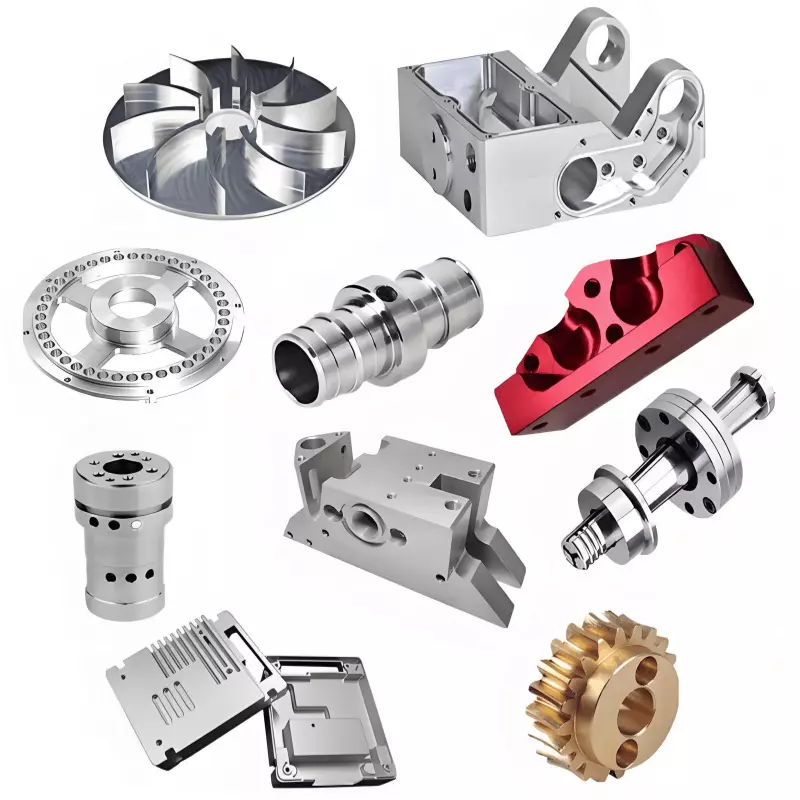
Complex geometries

Manufacturing detailed contours, pockets, slots, and custom features that cannot be achieved through traditional fabrication methods.
MS Machining

Metal Fabrication Materials

Selecting the right material is critical for producing precision metal parts that meet specific requirements for strength, durability, weight, corrosion resistance, and performance.

CNC machining supports a wide range of metals, allowing manufacturers to produce custom components for different industries and applications. Commonly machined materials include:

Aluminum

Aluminum is widely used for CNC machined parts due to its excellent machinability, lightweight properties, and corrosion resistance. It is commonly selected for housings, brackets, prototypes, aerospace components, and other precision parts.

Stainless Steel

Stainless steel offers high strength, durability, and corrosion resistance, making it suitable for demanding applications. It is frequently used for medical components, industrial parts, food processing equipment, and precision assemblies.

Steel

Steel provides excellent mechanical strength and wear resistance for heavy-duty applications. It is commonly machined for shafts, fixtures, machinery components, and structural parts.

Titanium

Titanium combines high strength, lightweight performance, and excellent corrosion resistance. It is often used for aerospace components, medical devices, and high-performance engineering applications.

Choosing the right material depends on part requirements, operating conditions, mechanical performance, and manufacturing needs. Our CNC machining capabilities support a variety of metal materials to produce accurate, reliable, and application-ready components.

Explore our [Metal Fabrication Materials] guide to learn more about material options and machining capabilities.

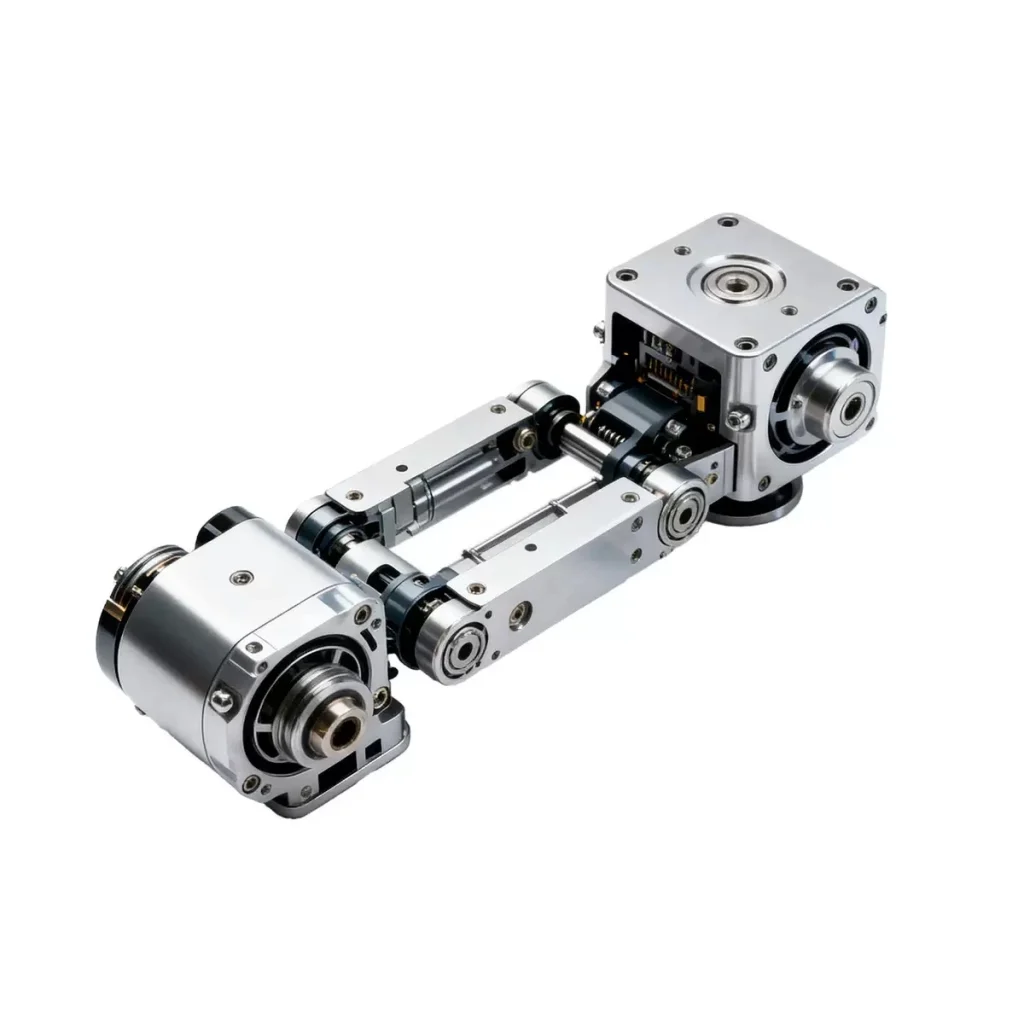
5-axis-robot-joint-housing-precision-cnc-machining
From Complex Designs to Precision Metal Components

With advanced CNC machining capabilities and flexible manufacturing solutions, we help customers across industries turn complex designs into high-quality metal components.

MS Machining

Metal Fabrication Applications

Precision metal fabrication and CNC machining are widely used across industries that require accurate, reliable, and high-performance components.

From prototypes to production parts, manufacturers rely on advanced machining capabilities to produce components that meet strict design requirements, material specifications, and quality standards.

Our experience supports a range of industries, including:

Aerospace

Aerospace applications require lightweight, strong, and highly precise components. CNC machining is commonly used to produce structural parts, brackets, housings, and complex components with tight tolerances.

Medical

Medical equipment and devices require precision, reliability, and strict manufacturing control. CNC machining supports the production of surgical components, medical instrument parts, and custom precision assemblies.

Robotics

Robotic systems depend on accurate mechanical components to ensure smooth movement and reliable performance. CNC machined parts are commonly used for robot arms, fixtures, frames, and custom automation components.

Automotive

Automotive manufacturers require durable and consistent components for vehicles, testing equipment, and production systems. CNC machining supports custom parts, prototypes, fixtures, and functional automotive components.

Semiconductor

Semiconductor equipment requires extremely precise components with excellent dimensional accuracy and surface quality. CNC machining is used for equipment parts, chambers, fixtures, and other critical components.

MS Machining

Why Choose CNC Machining for Fabricated Parts?

Fabricated parts often require additional machining to achieve the precision, consistency, and functional performance needed for final applications.

CNC machining after fabrication helps manufacturers improve part accuracy, optimize assembly performance, and meet demanding engineering requirements.

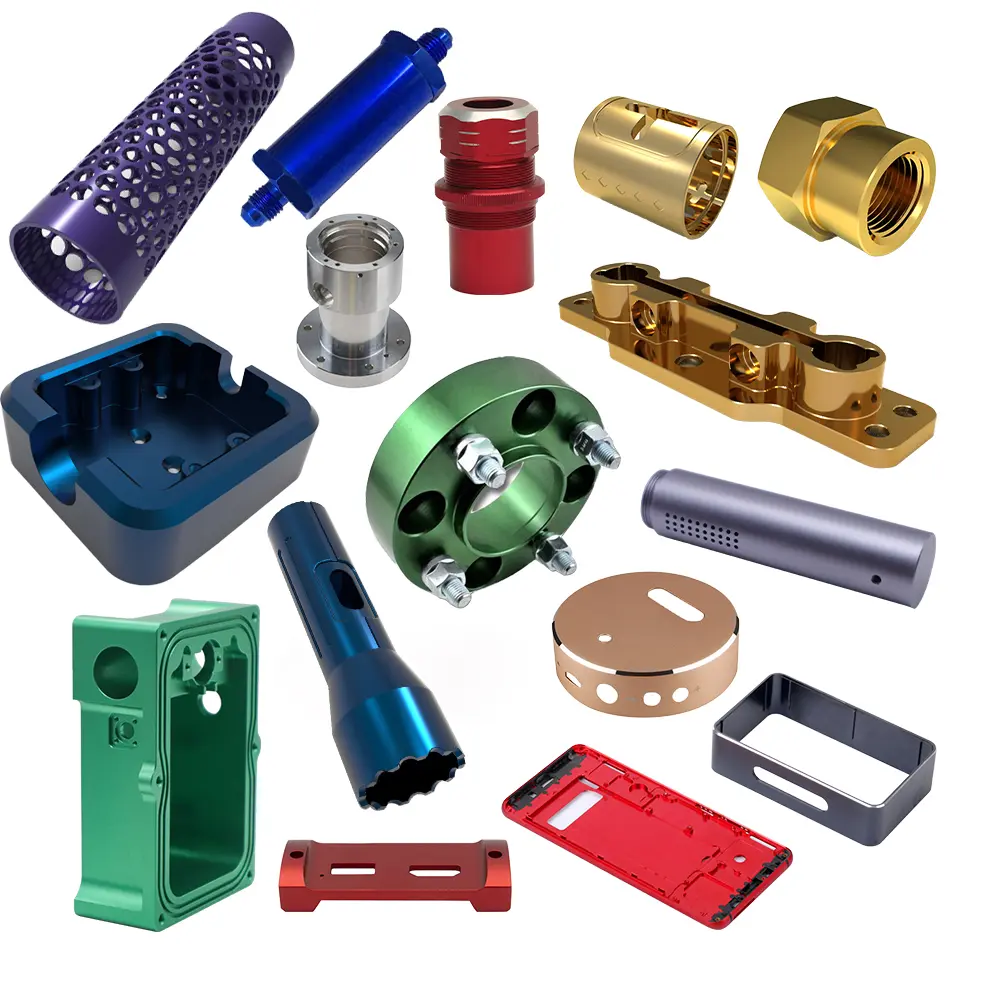
Anodized CNC Machined Parts-MS Machining
Our WorkContact Our Team

Need Precision CNC Machining for Your Fabricated Metal Parts?

Frequently Asked Questions

What CNC machining services do you provide?

We provide custom CNC machining services including CNC milling, CNC turning, multi-axis machining, and precision machining for custom metal components.

Yes. We work with customer-provided drawings, 3D models, and engineering specifications to manufacture precision CNC machined parts according to project requirements.

We machine a wide range of metals, including aluminum, stainless steel, steel, titanium, brass, and copper, supporting different performance and application requirements.

Our CNC machining capabilities support tight-tolerance components with precise dimensions, accurate features, and consistent quality based on part requirements and specifications.

Yes. We support prototype machining, small-batch production, and repeat manufacturing for companies developing and producing custom components.

Yes. CNC machining can be combined with fabrication processes to produce complete metal components that require both structural strength and precision features.

We follow controlled machining processes and inspection procedures to verify dimensions, critical features, and overall part quality before delivery.

Send your part drawings, CAD files, material requirements, quantities, and specifications. Our team will review your project and provide a customized quote.