Introduction
The oil and gas industry depends on a wide range of mechanical systems that must operate reliably in demanding environments. From drilling equipment working deep underground to offshore production systems operating in marine conditions, every stage of energy production requires components that can maintain performance under pressure, temperature changes, corrosion exposure, and continuous mechanical loading.
When people think about oil and gas equipment, they often focus on large structures such as drilling rigs, offshore platforms, pipelines, and processing facilities. However, the operation of these systems depends on thousands of smaller mechanical components that perform critical functions.
A valve body controls the movement of fluids. A drilling connection transfers torque and mechanical force. A subsea connector maintains a sealed connection under water. A pump shaft supports continuous rotation inside processing equipment.
Although these components may appear simple compared with the equipment around them, their manufacturing requirements are often highly specific. Their performance depends on accurate dimensions, controlled surface conditions, suitable materials, and reliable assembly with other components.
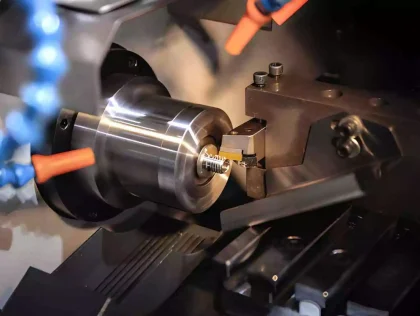
This is where CNC machining plays an important role in the oil and gas industry. Unlike standard machining applications, oil and gas components often require manufacturing processes that consider not only the final geometry of the part but also the conditions in which the part will operate.
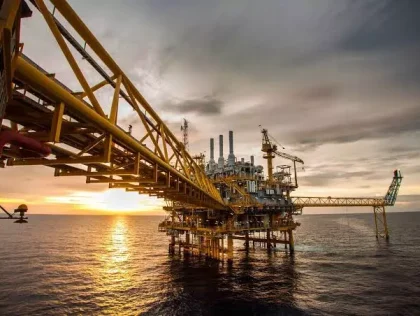
From upstream drilling operations to offshore production, pipeline transportation, and equipment maintenance, CNC machining supports the production of components designed for some of the most demanding industrial environments.
Understanding the Role of CNC Machining in Oil & Gas Manufacturing
CNC machining is rarely the only manufacturing process involved in producing oil and gas components.
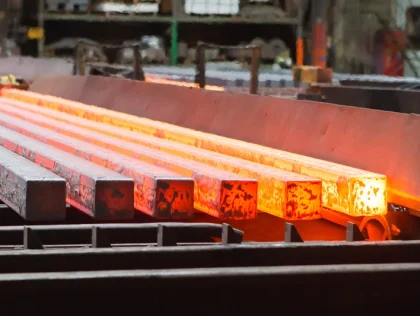
Many critical parts begin as forged or cast components. These processes provide the basic shape and material characteristics required for heavy-duty applications. CNC machining is then used to create the precise features that allow the component to function correctly.
For example, a pressure-control valve body may start as a forged steel blank. The forging process provides structural strength, but the component still requires machining to create internal flow passages, sealing areas, threaded connections, and mounting surfaces.
The same principle applies to many drilling and subsea components. A forged component may have the required strength, but CNC machining creates the accuracy needed for assembly and operation.
This combination of manufacturing methods is common because oil and gas components must satisfy two different requirements at the same time:
They need the mechanical strength to survive harsh operating conditions, and they need precise features to function as part of a larger system.
CNC machining provides control over these functional features, including hole locations, internal geometries, threads, sealing surfaces, and mating interfaces.
CNC Machining Applications in Drilling Equipment
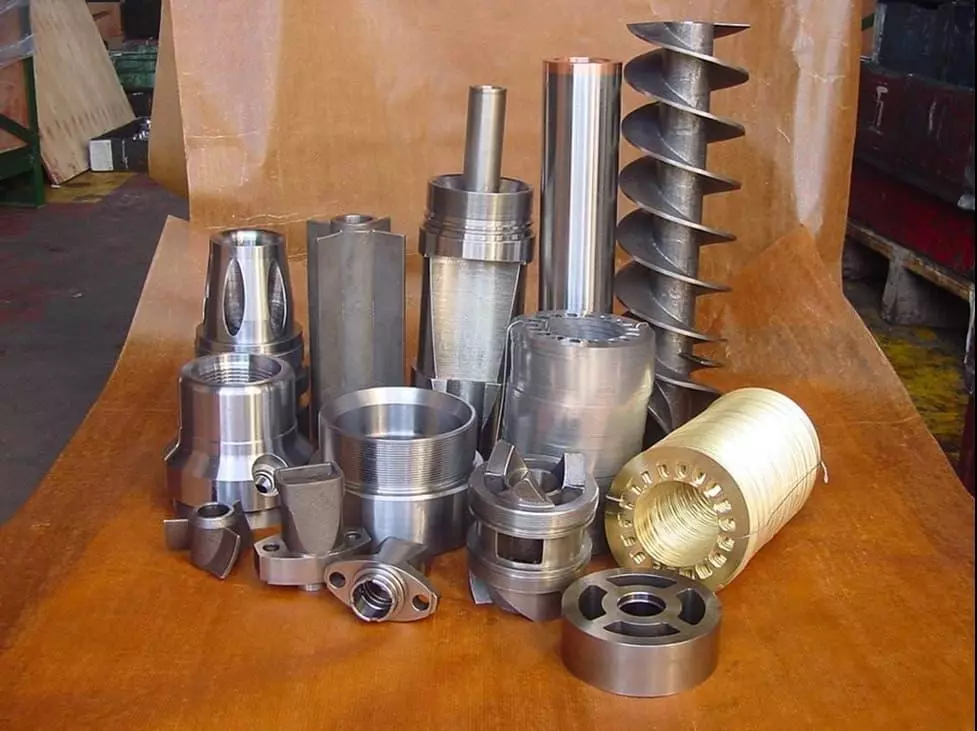
Drilling is one of the most demanding stages of oil and gas production.
During drilling operations, equipment extends deep below the surface and experiences forces that are rarely encountered in conventional industrial applications. Components are exposed to vibration, torque, impact loading, pressure changes, and abrasive drilling fluids.
Because maintenance access is limited during operation, drilling components must maintain their mechanical performance over long periods.
Many drilling components rely on precision-machined features to operate correctly. Connections between drilling tools, for example, depend on accurately manufactured threads and mating surfaces.
These connections are responsible for transferring rotational force through the drilling assembly. If the geometry of the connection is incorrect, stress may become concentrated in certain areas, increasing the risk of fatigue or premature wear.
CNC machining is commonly used for components such as drilling tool bodies, connection sections, mandrels, and stabilizers because these parts require accurate relationships between multiple features.
The challenge is not simply producing a part that matches a drawing. The component must also maintain its dimensional stability while experiencing repeated mechanical loads.
Materials used in drilling applications are often selected for strength and wear resistance. However, these same properties can make machining more difficult. High-strength steels may generate greater cutting forces, while certain alloys may harden during machining and affect tool performance.
For this reason, manufacturing drilling components requires consideration of both the operating environment and the machining behavior of the selected material.
CNC Machining for Downhole Tools and Measurement Equipment
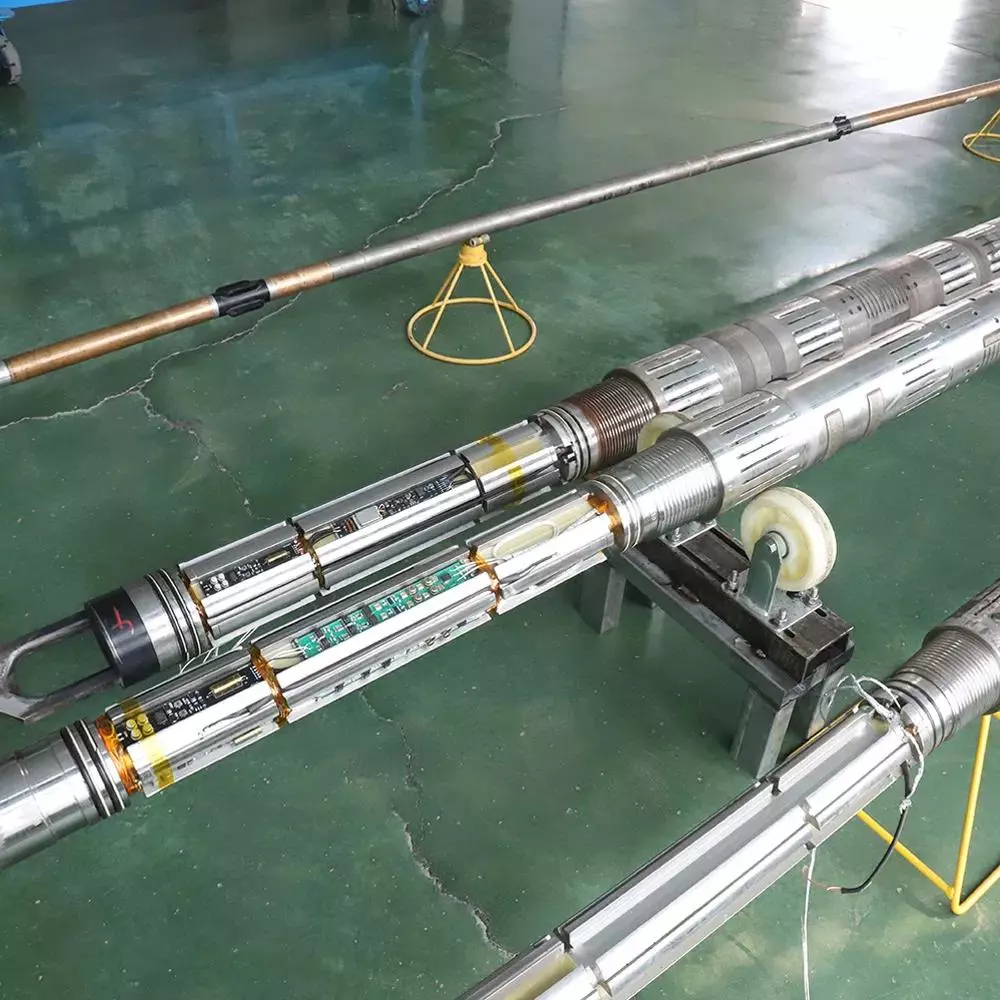
Modern drilling operations increasingly rely on downhole measurement systems that collect information during drilling.
Measurement While Drilling (MWD) and Logging While Drilling (LWD) equipment contain sensors and electronic systems that operate in conditions where temperature, vibration, and pressure can be significant.
The mechanical housings protecting these systems must provide enough strength to survive downhole conditions while maintaining accurate internal dimensions for electronic assemblies.
CNC machining is often applied to these housings because the relationship between internal and external features is important.
For example, the internal cavity must accommodate sensors and electronic components correctly. External surfaces may need to connect with other drilling tools. Threaded sections must maintain accurate alignment with adjacent components.
Unlike a general protective enclosure, a downhole housing is part of an operating system. The machining accuracy of the component can influence the reliability of the equipment inside it.
CNC Machining in Wellhead and Pressure Control Systems
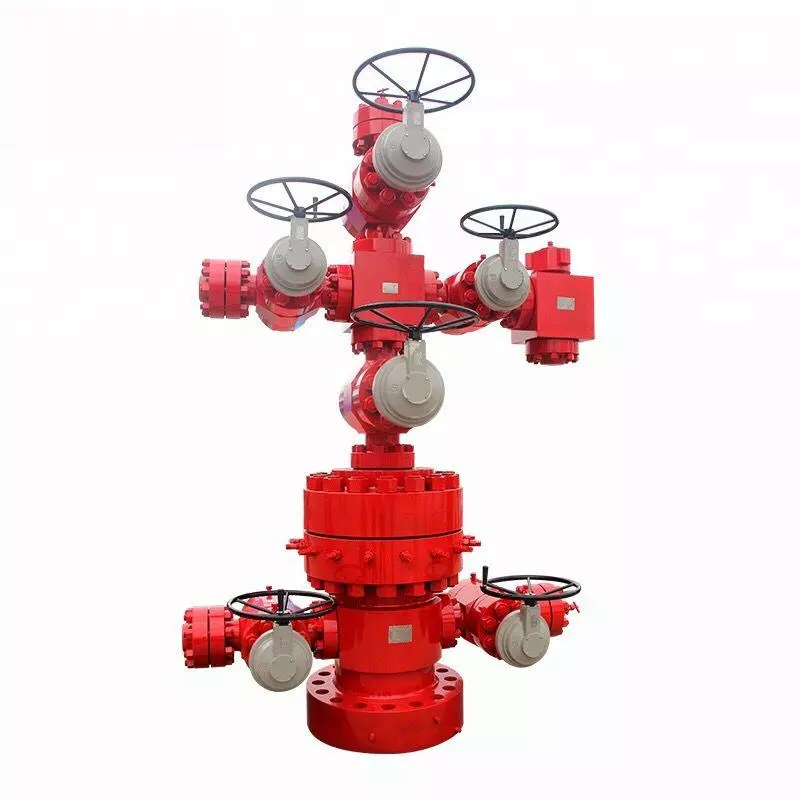
After drilling reaches an oil or gas reservoir, controlling pressure becomes one of the most important requirements in production operations.
Wellhead systems provide the connection between underground formations and surface equipment. They control the movement of oil, gas, and other fluids while maintaining controlled operating conditions.
One of the key components in this area is the Christmas tree, a valve assembly installed on the wellhead to regulate production flow.
Many components used in wellhead and pressure-control systems require precision machining because their function depends on the interaction between multiple machined surfaces.
A valve body, for example, may contain internal passages that direct fluid flow, sealing surfaces that prevent leakage, and connection features that allow integration with other equipment.
These features must work together accurately.
A sealing surface cannot be considered separately from the component it contacts. A threaded connection must match the equipment installed around it. Internal passages must maintain the intended flow path.
Therefore, CNC machining in pressure-control equipment is not only about achieving dimensional accuracy. It is about producing components where each feature contributes to the performance of the complete system.
Materials used in these applications are often selected based on pressure conditions, temperature exposure, and the chemical characteristics of the fluids being handled.
CNC Machining Applications in Offshore and Subsea Equipment
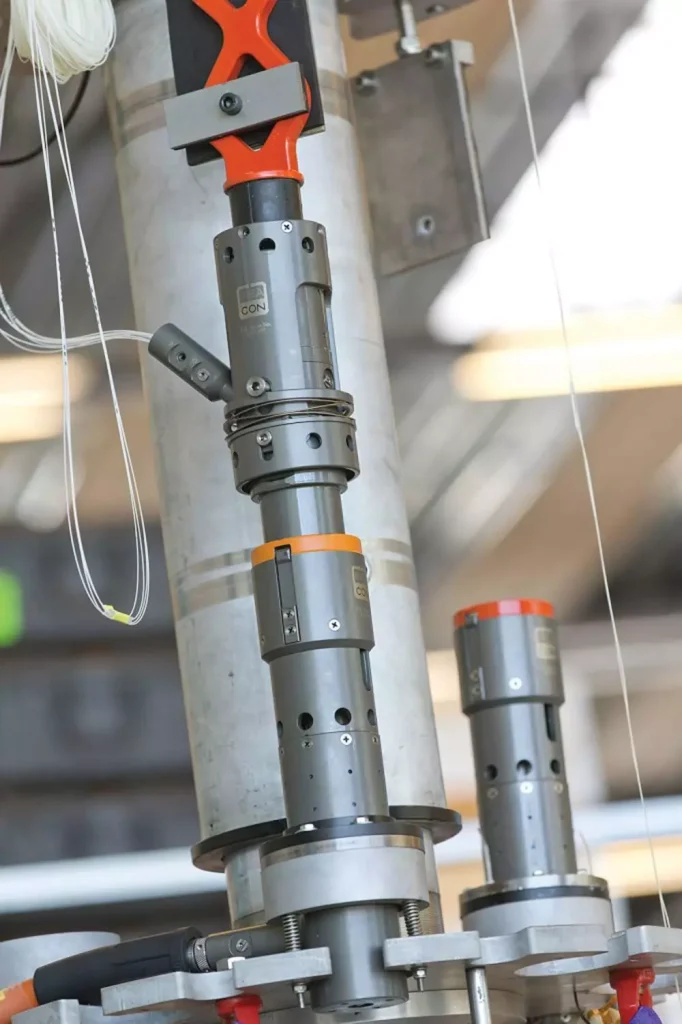
Offshore and subsea environments create additional challenges because equipment must operate in locations where maintenance is difficult and expensive.
A component installed on land can often be accessed quickly if a problem occurs. A subsea component may require specialized vessels, remotely operated vehicles, and complex intervention procedures.
Because of this, subsea equipment is designed with long-term operation in mind.
CNC-machined components are found throughout offshore and subsea systems, particularly where accurate mechanical connections and controlled geometries are required.
Subsea connectors, hydraulic manifolds, equipment housings, and mounting components are examples of parts where machining accuracy influences assembly and long-term performance.
A subsea hydraulic manifold illustrates the complexity involved. Internally, it may contain multiple passages that connect different hydraulic circuits. The position, size, and direction of these passages must be controlled because they determine how fluid moves through the system.
The external appearance of such a component may seem simple, but the internal geometry can require careful machining planning.
Material selection is also closely connected with subsea manufacturing. Components exposed to seawater often require alloys with suitable corrosion resistance, such as duplex stainless steels, super duplex stainless steels, nickel-based alloys, or titanium alloys.
However, these materials also influence the machining process.
For example, super duplex stainless steel provides high corrosion resistance and strength but can be more demanding to machine because of its hardness and work-hardening characteristics. Nickel-based alloys maintain performance in challenging environments but often create higher cutting forces and heat during machining.
Manufacturing these components therefore requires understanding both how the material performs in service and how it behaves during machining.
CNC Machining in Pipeline Transportation Systems
After oil and gas resources are extracted from underground reservoirs, they enter another critical stage: transportation.
Crude oil and natural gas often travel through extensive pipeline networks before reaching storage facilities, processing plants, or refineries. These systems rely on thousands of mechanical components that must operate continuously under changing pressure and environmental conditions.
Compared with drilling equipment, pipeline components may not experience the same level of vibration or impact loading. However, they face different challenges, including long operating periods, pressure cycling, corrosion exposure, and the need for reliable flow control.
Pipeline valves are a typical example.
A valve installed in a pipeline is responsible for controlling fluid movement, isolating sections of the system, and supporting maintenance operations. Inside the valve body are internal passages, sealing areas, and connection features that must be manufactured accurately.
A valve body is often produced through a combination of forging, casting, and machining processes. The initial process creates the basic structure, while CNC machining creates the functional surfaces that determine how the valve operates.
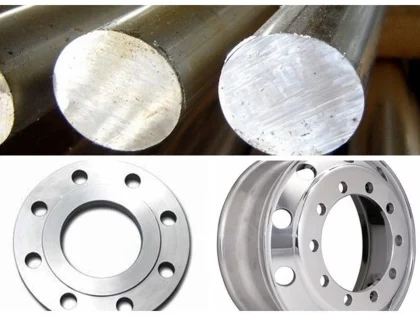
These machined features may include internal bores, flange surfaces, bolt holes, and sealing areas.
The importance of these features becomes clear during assembly. A valve does not operate as an independent component. It must connect correctly with pipes, actuators, seals, and other equipment.
If connection surfaces are not properly aligned, installation problems may occur. If sealing areas do not meet the required conditions, long-term leakage risks may increase.
Therefore, CNC machining in pipeline equipment focuses on creating reliable mechanical relationships between different components.
CNC Machining for Pumps and Compressor Components
Pumps and compressors are essential parts of oil and gas infrastructure because they move fluids and maintain pressure throughout production and transportation systems.
These machines contain many components where precision machining directly affects operating performance.
Rotating equipment is particularly sensitive to dimensional accuracy because multiple components must work together continuously.
A pump shaft, for example, rotates inside a system that includes bearings, seals, couplings, and other mechanical elements. The shaft diameter, concentricity, and surface condition all influence how smoothly the equipment operates.
A small machining deviation may not prevent initial assembly, but it can contribute to vibration, uneven loading, or accelerated wear during long-term operation.
CNC turning and milling are commonly used for these components because they allow manufacturers to control critical geometric relationships.
The same principle applies to compressor components used in natural gas transportation.
Gas compressors operate under demanding conditions where alignment between rotating and stationary components is important. Machined housings, shafts, mounting interfaces, and sealing surfaces all contribute to equipment reliability.
In these applications, machining accuracy is not simply about meeting a drawing specification. It is directly connected with how efficiently and consistently the equipment operates in the field.
CNC Machining Applications in Oil & Gas Processing Facilities
The final stages of the oil and gas lifecycle involve processing crude oil and natural gas into usable products.
Refineries and gas processing facilities contain complex networks of equipment, including pumps, valves, heat exchangers, compressors, pressure-control systems, and chemical processing units.
Each section of a facility may operate under different conditions.
Some components may encounter high temperatures. Others may be exposed to corrosive chemicals or high-pressure fluids. The materials and manufacturing methods must therefore be selected according to the specific operating environment.
CNC machining is used in many processing equipment components where precise features are required for assembly and operation.
For example, flow-control components may require accurately machined internal passages and sealing surfaces. Pump components may require controlled alignment between rotating elements. Hydraulic systems may use machined blocks with complex internal channels to control fluid movement.
A key challenge in processing facilities is that equipment often operates continuously. Unplanned downtime can interrupt production and create significant operational costs.
Because of this, components are generally designed with durability and maintainability in mind.
CNC Machining for Replacement Parts and Equipment Maintenance
One of the most practical applications of CNC machining in the oil and gas industry is the production of replacement components.
Many oil and gas facilities operate equipment that has been in service for many years. Some platforms, processing plants, and pipeline systems continue operating long after their original installation.
Over time, certain components may need replacement because of wear, corrosion, fatigue, or changes in operating conditions.
However, obtaining replacement parts is not always straightforward.
The original manufacturer may no longer produce the component. The equipment model may have been discontinued. The required part may only be needed in a small quantity, making traditional mass production impractical.
In these situations, CNC machining provides a flexible manufacturing approach.
A replacement component can be produced based on existing drawings, engineering specifications, or measurements from the original part.
However, replacement machining is not simply copying a shape.
A component that has operated for years contains valuable information about real-world performance. Wear patterns, corrosion areas, and failure locations can reveal whether the original design was suitable for the application.
When producing a replacement part, engineers may need to consider whether the same material, geometry, or manufacturing approach remains appropriate.
This is especially important in oil and gas applications because components often operate under conditions that are difficult to reproduce during design.
Material Selection for Oil & Gas CNC Machined Components
Materials used in oil and gas components are selected based on the environment where the component will operate.
Unlike general industrial applications, oil and gas equipment may face combinations of pressure, temperature, corrosion, and chemical exposure.
The material must therefore provide the required performance throughout the expected service life.
Stainless Steel
Stainless steels are widely used in oil and gas applications where corrosion resistance and mechanical strength are required.
They may be found in valves, connectors, housings, and other equipment components.
However, different stainless steel grades provide different performance characteristics. The correct selection depends on factors such as temperature, chemical exposure, pressure conditions, and mechanical requirements.
Duplex and Super Duplex Stainless Steel
Duplex stainless steels are commonly considered for applications where higher corrosion resistance and strength are required.
Offshore environments are a typical example because seawater contains chlorides that can accelerate corrosion processes.
Super Duplex 2507 provides higher levels of corrosion resistance and mechanical strength compared with many conventional stainless steels.
However, these properties also create machining challenges.
The material’s strength can increase cutting forces, and its tendency to work harden means machining parameters must be carefully controlled.
Poor machining conditions can affect tool life and surface quality.
Nickel-Based Alloys
Nickel-based alloys such as Inconel 625 and Inconel 718 are used in applications where components must maintain performance under high temperature and corrosive conditions.
These materials are commonly associated with demanding environments because they retain mechanical properties where many conventional metals may lose strength.
However, they are also difficult to machine.
Their low thermal conductivity causes heat to remain concentrated near the cutting area. Their tendency to work harden can increase cutting resistance and tool wear.
Manufacturing these components requires careful consideration of cutting conditions, tooling, and machining sequence.
Titanium Alloys
Titanium alloys may be selected when corrosion resistance and weight reduction are important considerations.
They are used in specialized applications where their combination of strength and low density provides advantages.
However, titanium also presents machining challenges because it generates heat during cutting and reacts differently compared with common engineering metals.
The selected machining approach must consider both the advantages of the material and its manufacturing behavior.
Manufacturing Challenges When Machining Oil & Gas Components
The difficulty of machining oil and gas components often comes from the combination of several factors rather than one single requirement.
A part may involve complex geometry, difficult materials, tight dimensional relationships, and strict functional requirements at the same time.
Complex Internal Geometry
Many oil and gas components contain internal features that cannot be easily inspected visually.
Manifolds, valve bodies, and hydraulic components may include internal channels that intersect at specific locations.
The accuracy of these internal features affects how fluids move through the system.
Manufacturing such parts requires careful planning because machining sequence and tool access can influence the final result.
Dimensional Relationships Between Features
In many applications, individual dimensions are less important than the relationship between multiple features.
A hole location may determine whether a component can be assembled.
A sealing surface may need to align with another machined surface.
A shaft diameter may need to maintain a precise relationship with bearing positions.
This is why inspection methods such as coordinate measuring machines (CMMs) are often used for complex components where multiple geometric features must be verified.
Industry Standards and Quality Requirements
Oil and gas equipment is often manufactured according to industry standards that define requirements related to design, materials, testing, and performance.
Examples include API specifications used for different categories of equipment, such as wellhead systems, pipeline valves, and subsea equipment.
For manufacturers, this means machining requirements cannot be considered separately from the overall equipment specification.
A machined feature may influence pressure containment, assembly reliability, or long-term service performance.
Therefore, understanding the application behind the drawing is an important part of manufacturing oil and gas components.
Conclusion
CNC machining applications in the oil and gas industry extend across the entire equipment lifecycle.
From drilling tools operating deep underground to offshore production systems, pipeline infrastructure, processing facilities, and replacement parts for aging equipment, precision machining supports many components that keep energy systems operating.
The importance of CNC machining in this industry is not simply the ability to produce complex metal parts.
Its value comes from the ability to manufacture components where geometry, material performance, and operational requirements must work together.
Oil and gas equipment often operates in environments where maintenance is difficult and failure can have significant consequences. Because of this, the manufacturing of these components requires careful consideration of design, material behavior, machining processes, and inspection requirements.
CNC machining remains an important manufacturing method because it provides the precision and flexibility needed for components used throughout the oil and gas industry.