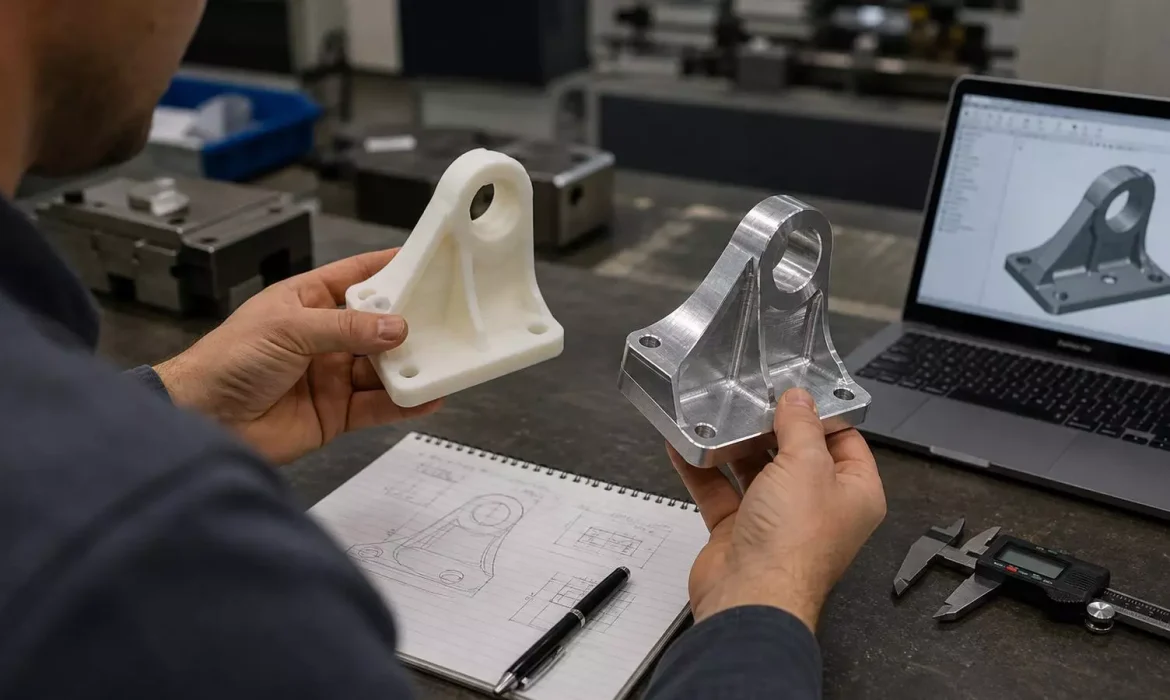
A CAD model is only the beginning of a manufacturing project. While the design defines the geometry, dimensions, and features of a part, it does not determine how that part should be manufactured.
The same component can often be produced through different manufacturing methods, but the final result may vary depending on the process selected. Material requirements, dimensional control, surface finish, assembly conditions, and production goals all influence the manufacturing decision.
CNC machining and 3D printing are two commonly used methods for prototypes, custom parts, and low-volume production. Both technologies can turn digital designs into physical components, but they approach manufacturing from different directions.
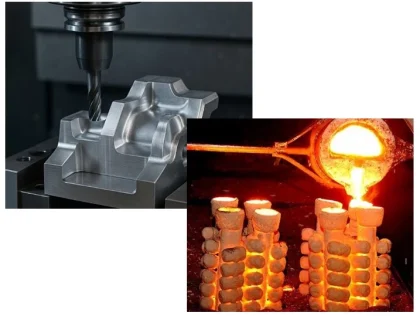
CNC machining creates parts by removing material from a solid workpiece through cutting operations such as milling and turning. 3D printing creates parts by adding material layer by layer based on a digital model.
The important question is not which technology is better.
The real question is:
Which manufacturing process is suitable for the requirements of your part?
Start With the Purpose of the Part
The manufacturing decision should begin with understanding the function of the component rather than choosing a process first.
A part used only for design evaluation has different requirements from a component that needs to operate in a real system.
During the early development stage, engineers may only need to confirm the overall shape, dimensions, or assembly position. In this situation, producing a physical model quickly can help identify design issues before investing more time and resources.
However, when a part needs to perform under actual working conditions, other factors become more important. The material must provide suitable mechanical properties. Critical dimensions must remain consistent. The surface condition may need to support assembly, movement, sealing, or corrosion resistance.
This is why the manufacturing process should be selected based on what the part needs to achieve after production.
The purpose of the component determines whether speed, flexibility, material performance, or dimensional control should receive more attention.
CNC Machining for Functional Parts and Engineering Applications
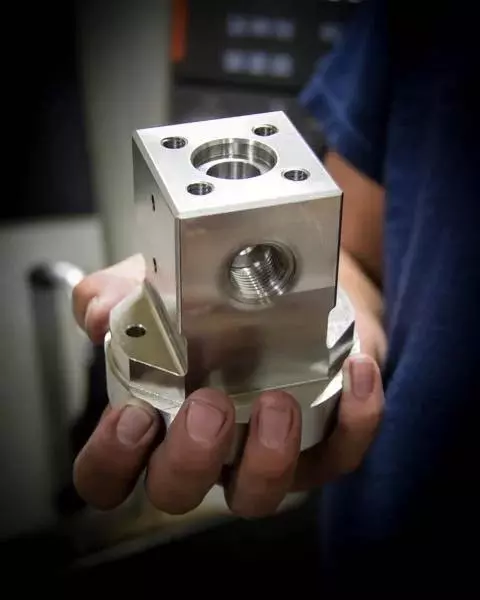
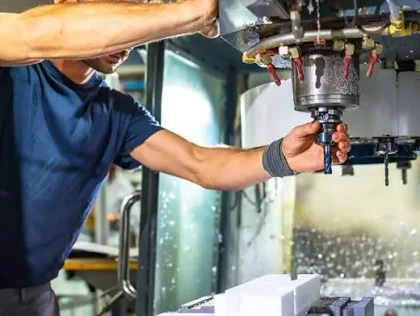
Unlike additive manufacturing, CNC machining starts with a solid material block, bar, or billet. The machine removes unwanted material until the required geometry is achieved.
This approach allows manufacturers to produce parts directly from many materials used in final applications, including aluminum, stainless steel, brass, copper, titanium, and engineering plastics.
For functional components, using the intended material is often an important consideration.
A prototype made from production-grade material can provide more realistic feedback about strength, durability, thermal behavior, and long-term performance. This information is valuable when the part needs to be tested before entering larger-scale production.
CNC machining is therefore often used when the prototype is not only a visual model but also a functional representation of the final component.
CNC Machining for Parts With Precise Assembly Requirements
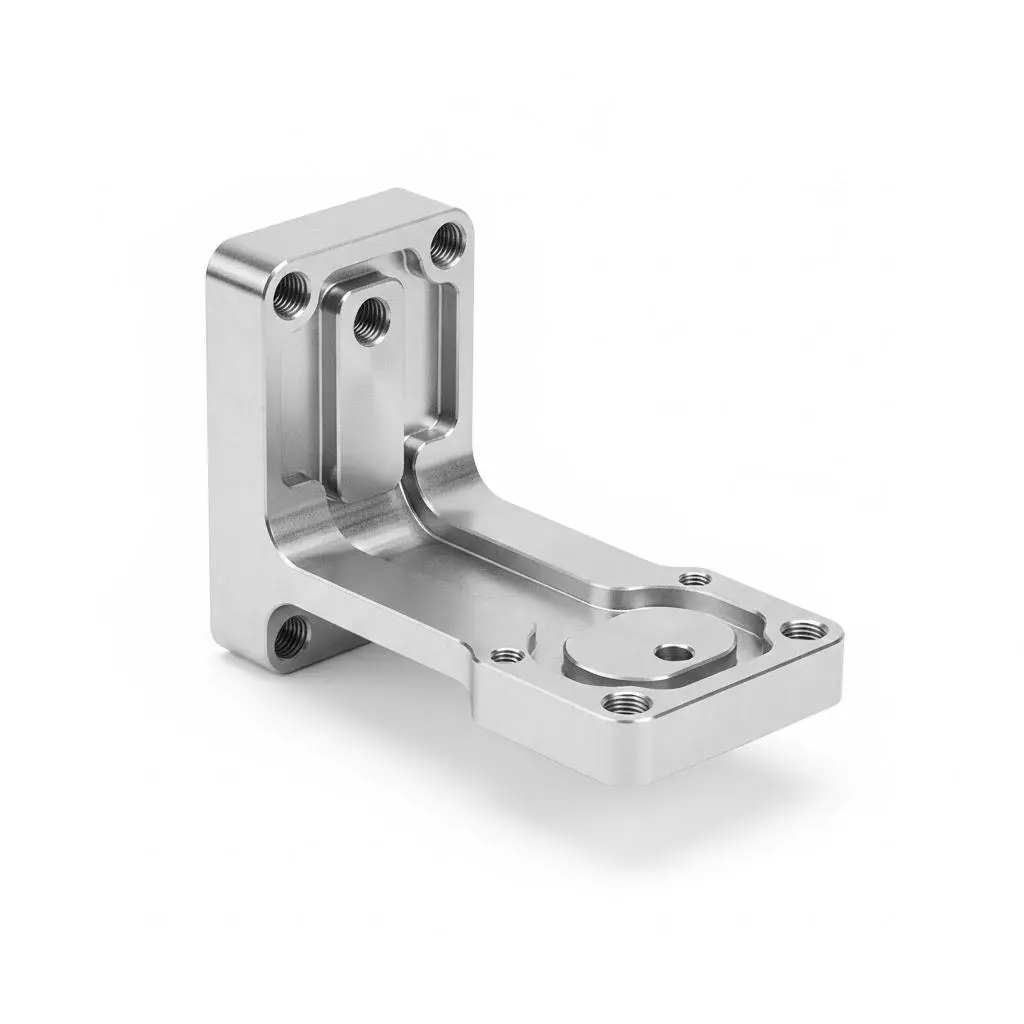
Many manufactured components are designed to work together with other parts. Their performance depends not only on the overall shape but also on the accuracy of specific features.
Mounting holes, threaded sections, alignment surfaces, and mating areas often determine whether a component can be installed correctly and operate as intended.
A part may appear acceptable visually while still causing problems during assembly if important dimensions are not controlled properly.
For these applications, manufacturing accuracy should focus on the features that influence function.
CNC machining is widely used for components where consistent dimensions and reliable interfaces are required. Through proper machining planning, tooling selection, and inspection methods, manufacturers can maintain control over critical areas that affect assembly performance.
The goal is not simply to reproduce the CAD model. The goal is to produce a component that works correctly in the final application.
CNC Machining for Low-Volume Production
Low production quantities do not always mean that 3D printing is the most suitable option.
Many companies require only small quantities of parts, but those components still need production-level materials, consistent dimensions, and functional performance.
This situation is common in custom equipment, industrial replacement parts, testing fixtures, and specialized machinery.
CNC machining can provide a practical solution for these applications because it does not require high-volume tooling investment while still allowing manufacturers to produce parts close to their final design requirements.
For low-volume manufacturing, the decision should consider more than the number of parts needed. Material requirements, assembly conditions, and future production plans also influence the right process.
3D Printing for Rapid Design Development
3D printing provides a different manufacturing approach by building parts layer by layer from digital models.
Its main advantage is flexibility during the early stages of product development. When designs are changing frequently, the ability to quickly produce and evaluate new versions can help engineers improve the design process.
3D printing is often useful when the main objective is to verify:
- overall dimensions
- product shape
- component arrangement
- user interaction
At this stage, the focus is usually on design validation rather than final performance testing.
Because the manufacturing process does not require traditional tooling, design modifications can often be implemented quickly. This makes 3D printing a valuable option for concept development and early prototypes.
However, faster production does not automatically mean the part is suitable for final use. The required material properties, operating environment, and performance expectations still need to be considered.
Complex Geometry Does Not Always Determine the Process Choice
One commonly discussed advantage of 3D printing is its ability to create complex shapes.
Additive manufacturing can produce certain geometries that may require additional machining strategies when using traditional manufacturing methods. Internal structures, lightweight designs, and topology-optimized components can sometimes benefit from this flexibility.
However, geometry alone should not determine the manufacturing method.
A complex shape still needs to meet practical requirements such as strength, durability, dimensional stability, and application conditions.
In some cases, a design may be geometrically possible with 3D printing but still require another manufacturing process to achieve the necessary material performance or surface requirements.
The final application remains the most important factor.
Material Selection Often Determines the Manufacturing Method
Material requirements are one of the most important factors when comparing CNC machining and 3D printing.
Many functional components rely on the properties of the material itself. Weight, strength, corrosion resistance, electrical conductivity, thermal performance, and wear resistance can all influence material selection.
For example, an aluminum component may be selected because it provides a balance between strength and weight. A stainless steel component may be required for durability in demanding environments.
If the final part requires a specific engineering material, the manufacturing process should support that requirement.
CNC machining can process a wide range of commonly used engineering materials, making it suitable for many functional applications.
3D printing materials continue to expand, but printed part performance depends on factors including material type, printing technology, layer orientation, and post-processing requirements.
The manufacturing method should follow the material requirements of the final product rather than the other way around.
Precision Should Be Evaluated Based on Function
When comparing CNC machining and 3D printing, accuracy is often discussed as a simple comparison between the two technologies.
However, precision is not only about machine capability.
The more important question is:
Which dimensions affect the function of the part?
Not every feature on a component requires the same level of control.
A cosmetic surface may have different requirements from a mounting interface. A general outer profile may not be as important as a hole location that determines assembly alignment.
Manufacturing decisions should focus on the features that influence performance.
CNC machining is commonly used for components requiring:
- accurate mounting locations
- consistent mating surfaces
- repeatable assembly conditions
3D printed parts can achieve suitable accuracy for many applications, but factors such as material shrinkage, printing direction, and post-processing need to be considered during design and evaluation.
CNC Machining Requires Manufacturing Planning
CNC machining is sometimes viewed simply as removing material from a block.
In practice, successful machining requires careful consideration of how the part will be produced.
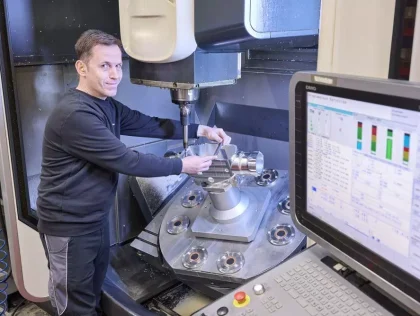
Engineers and manufacturers need to evaluate tool access, machining sequence, workholding methods, and material behavior before production begins.
A component may be possible to machine in theory but difficult to produce consistently if the design does not consider manufacturing conditions.
For example, thin walls, deep cavities, or complex features may require specific machining strategies to maintain dimensional stability.
This is why design and manufacturing planning are closely connected in CNC machining.
A well-designed part considers not only the final geometry but also how the geometry can be produced reliably.
Cost Should Be Evaluated Across the Entire Project
Cost is another important factor when choosing between CNC machining and 3D printing, but the comparison is not always based on the initial part price.
3D printing may provide a lower-cost solution during early prototyping because it requires less setup and allows quick design changes.
However, if the part later requires different materials, machining operations, finishing processes, or functional testing, additional steps may increase the overall project cost.
CNC machining may involve more preparation, but it can provide a more direct path toward functional prototypes and low-volume production parts.
A better cost evaluation considers the complete manufacturing process, including development time, testing requirements, revisions, finishing, and future production needs.
CNC Machining and 3D Printing Can Work Together
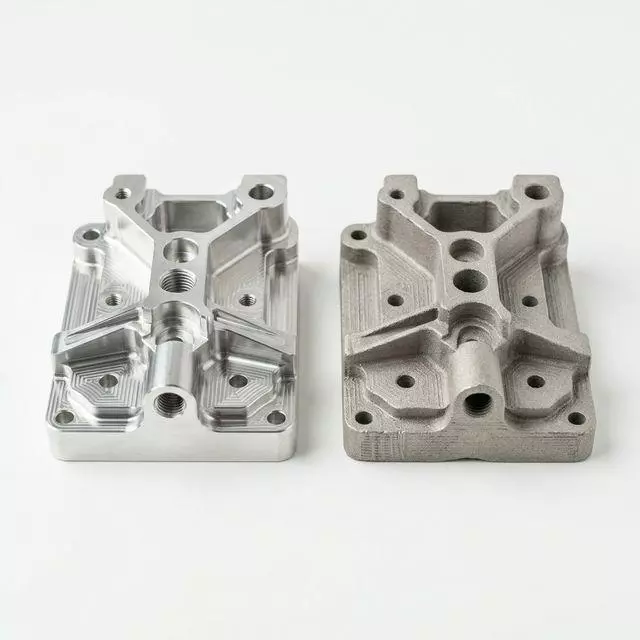
CNC machining and 3D printing are not necessarily competing technologies.
In many product development projects, they are used at different stages depending on the purpose of the part.
3D printing can help engineers quickly evaluate early concepts and make design improvements before finalizing the design.
Once the design becomes stable, CNC machining can produce functional prototypes or production components using the required materials and manufacturing conditions.
Using both technologies at the appropriate stage can help balance development speed with final part requirements.
How to Choose Between CNC Machining and 3D Printing
The right manufacturing method depends on what the component needs to achieve.
3D printing is often suitable when the priority is rapid design iteration, early concept validation, or exploring complex geometries.
CNC machining is often preferred when the part requires engineering materials, precise assembly features, controlled dimensions, surface requirements, or repeatable production.
Before selecting a process, engineers should evaluate the final application rather than only considering production speed or initial cost.
The best manufacturing decision comes from matching the process with the actual requirements of the part.
Conclusion
CNC machining and 3D printing both play important roles in modern manufacturing, but they support different stages and requirements.
3D printing provides flexibility during early design development and helps teams quickly evaluate physical concepts.
CNC machining provides a practical solution for functional components that require engineering materials, dimensional control, and consistent production quality.
Choosing between CNC machining and 3D printing is not simply a comparison of two technologies. It is a decision based on material requirements, part function, accuracy expectations, and production goals.
A successful manufacturing process begins with understanding what the part needs to achieve after production.