
The Real Problem With 30–100 Pieces
Have you ever wondered why setting the right unit price for small batch production machining—say, 30 to 100 pieces—feels so tricky? This mid-range quantity often feels like the “valley of death” between prototypes and large-scale manufacturing. It’s a tough spot because the costs and pricing models don’t quite line up like they do for both extremes.
When you’re producing fewer than 30 parts, it’s usually easy to see that costs will be high. But once you hit above 100, economies of scale kick in, bringing unit prices down. The problem lies in this tricky middle zone where fixing costs—like programming, setup, and fixturing—don’t spread out enough to make the price competitive. That’s why the unit price in low volume production machining stays hard to balance.
This range feels like a financial “black hole”—it’s neither high enough volume for significant cost savings nor low enough to justify the high fixed costs per part. So, every small batch ends up costing more per piece than you’d hope. It’s a reality that can leave engineers, designers, and production managers scratching their heads wondering if they should tweak the design, find a different supplier, or just accept the higher costs.
Understanding what makes this quantity range so complex is the first step to managing it better. In the next sections, I’ll break down why low volume CNC machining costs are especially tough to control at 30–100 pieces, and how you can work smarter to lower those costs.
Low Volume CNC Cost Basics
When it comes to low volume production machining, understanding the difference between fixed costs and variable costs is key. Fixed costs are expenses that stay the same regardless of how many parts you produce, like programming, setup, fixturing, inspection, and material preparation. These costs can add up quickly even if you’re only making 30 or 50 pieces. CNC tips highlight how important it is to optimize these steps to control costs in small batches.
Variable costs, on the other hand, depend on the number of parts you produce, such as raw material and cutting tools. In low volume machining, these costs are often smaller compared to fixed costs, but they still matter. The challenge is that most fixed costs—like programming and fixturing—don’t decrease much when you produce fewer pieces. This is where low volume CNC cost considerations become tricky because fixed costs disproportionately impact the unit price for small batches.
Why fixed costs hurt most when the batch is small? Because you’re spreading setup and programming costs across just a few parts. For example, creating custom fixtures or programming a CNC machine takes time and effort that doesn’t scale down easily with fewer parts. This makes it difficult to balance the unit price for 30–100 pieces, as the fixed costs per part remain high compared to high-volume production. That’s why small batch costs tend to be higher and less predictable without careful planning and design adjustments.
Why 30–100 Pieces Are So Hard To Price
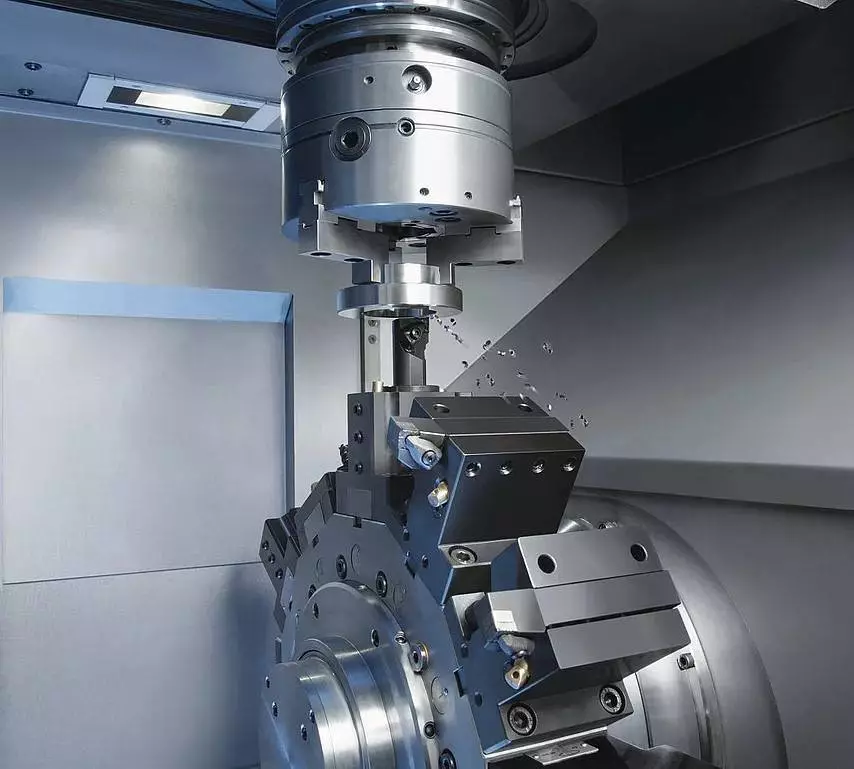
One of the biggest challenges with low volume production machining is how the unit price stays high, even with small batches like 30 to 100 pieces. The core issue is that setup costs—thinking programming, fixturing, and machine calibration—are fixed regardless of the number of parts. When you’re only making a few dozen, those costs are spread across too few pieces, making each part expensive. This is a common problem in small batch production machining.
Another factor is that material discounts, which companies often rely on for reducing costs, are limited for such small quantities. Suppliers tend to offer decent discounts only when buying large quantities, so with 30 to 100 parts, you’re usually paying close to retail or standard prices.
Plus, machine time, labor, and overhead costs don’t decrease much in small batch CNC machining. Setting up a machine, changing tools, and performing inspections all take a significant amount of time and skill, regardless of batch size. This means that even if the actual machining takes less time, the cost of the setup—and fixed overhead like equipment depreciation and supervision—remains high.
All these factors combine to make the per-unit price in small batch production machining a balancing act, often pushing it higher than expected compared to larger-volume runs. To lower costs, it’s critical to understand these dynamics and explore options like design for manufacturability or process simplification.
Main Cost Drivers In Small Batch Machining
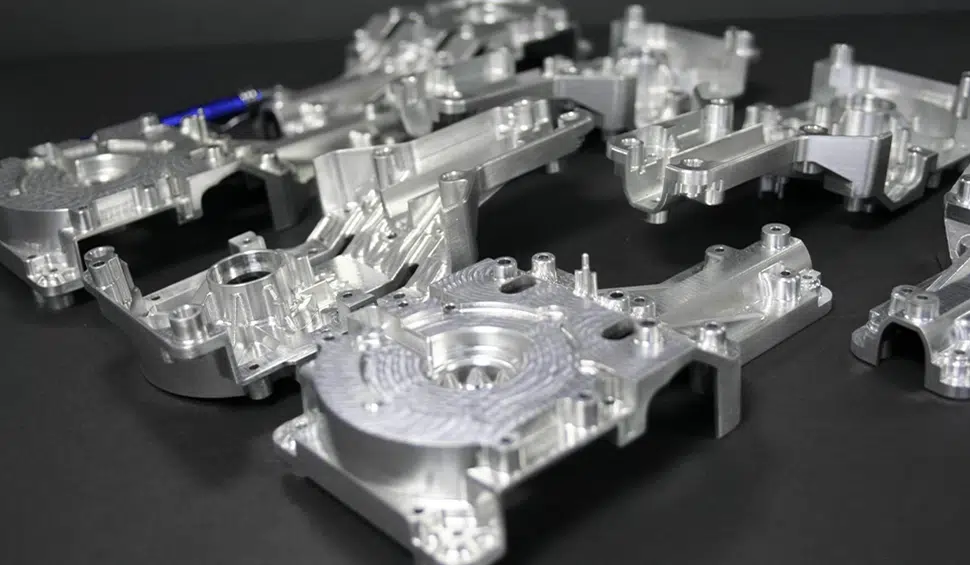
When it comes to low volume production machining, several key cost drivers significantly influence the unit price, especially for small batches of 30 to 100 pieces. These factors tend to inflate costs because they are often fixed or semi-fixed, meaning they don’t decrease proportionally with fewer parts.
CAM programming and engineering time is a big one. For small batches, creating precise CNC programs, often requiring complex setups or custom tool paths, eats up a chunk of time and money. The more complex the part, the more engineering work needed, which can considerably push up the unit price.
Machine setup and workholding also matter. Every batch needs to be anchored securely, and setting up the machine—especially for precision parts—can be time-consuming. This involves aligning fixtures, calibrating tools, and ensuring repeatability, all of which add to the upfront costs that don’t diminish with the batch size.
Custom fixtures and tool changes are common for low volume machining because off-the-shelf solutions often don’t fit unique parts. Designing or building specialized fixtures costs money and time, especially when the part geometry requires multiple tool changes or complex workholding solutions.
First article inspection (FAI) and quality checks are critical when producing small batches, especially in industries like medical device manufacturing, where quality control is non-negotiable. These inspections ensure parts meet tight tolerances but add additional costs, such as dedicated inspection tools or specialized personnel.
Finally, material waste, scrap, and finishing costs can have a notable impact. Small runs often mean higher waste ratios, especially if the parts require difficult-to-machine materials or complex features. Finishing processes like deburring, polishing, or coating may also have a fixed time component, making them less cost-efficient in small batches.
In , the combination of fixed setup costs, specialized tooling, extensive quality checks, and waste management all act as major cost drivers, making small batch machining a challenge for maintaining a competitive unit price. To optimize costs, focusing on reducing setup time and standardizing processes can make a big difference.
Hidden Factors That Push Unit Price Up
When it comes to low volume production machining, there are often hidden costs that can unexpectedly drive up the unit price, especially for 30–100 pieces. For example, tight tolerances and complex geometry can significantly increase the time and effort required for each part. Achieving precise specifications might involve using specialized tools or multi-axis CNC machines, which add to the machining complexity and costs.
Extra setups and multi-axis machining routines also contribute to higher costs. Each change in part design or orientation can trigger additional setup time, especially if custom fixtures or tooling are needed. Sometimes, parts need multiple revisions or encounter drawing issues, leading to reprogramming and additional manufacturing cycles.
Scheduling delays are another often-overlooked factor. Low shop priority or scheduling conflicts can cause longer lead times, which push costs higher indirectly. These delays might result in rushed jobs or overtime, both of which are costly in small batch production.
All these hidden factors add up quickly, making it harder to keep the unit price balanced within the small batch range of 30–100 pieces. Understanding these can help better plan and communicate with your machinist or supplier, ensuring you’re prepared for potential cost swings.
How Design Choices Change Per Part Cost
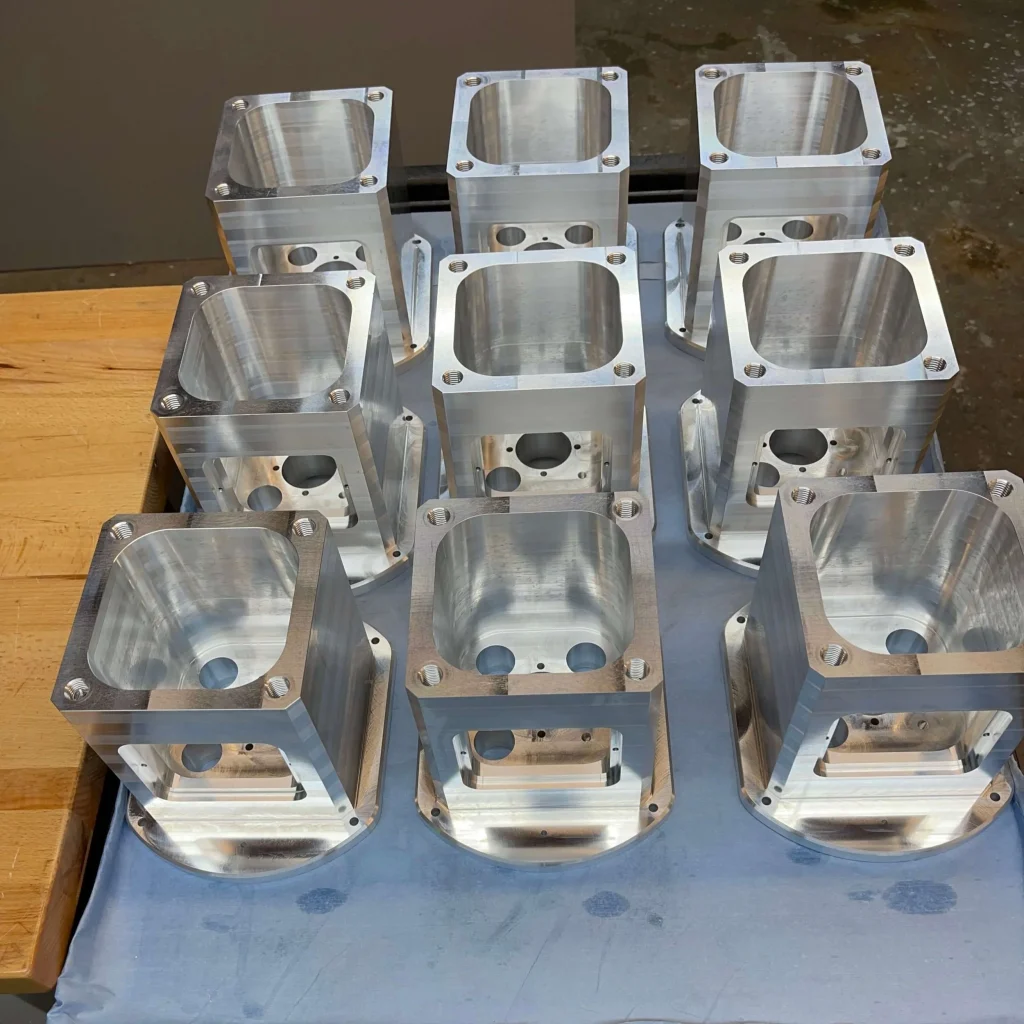
Design choices can significantly impact the unit price, especially in low volume CNC machining of 30–100 pieces. When parts are optimized for manufacturability, it becomes easier and more cost-effective to produce each one. A key step is design for manufacturability (DFM), which involves creating parts that are easier to machine and require less setup time. For example, avoiding complex geometries or tight tolerances can lower the costs associated with custom fixtures and multiple machining setups.
Choosing practical tolerances is another way to cut costs. Tight tolerances often mean longer setup times and more precision work, both of which drive up the unit price. By setting achievable tolerances that meet function without over-engineering, you can reduce the time and effort needed for inspection and machining.
Reducing design features like deep pockets, thin walls, and intricate details also helps control costs. These features often require special tooling, longer machining times, and additional inspection steps. Simplifying part geometry not only decreases machining complexity but also minimizes material waste and finishing costs.
Lastly, standardizing holes, edges, and surfaces can streamline the manufacturing process. Using common sizes for holes and avoiding unique edge finishes reduces the need for custom fixtures and tooling. Overall, thoughtful design adjustments make small batch production machining more predictable and budget-friendly, avoiding the costly pitfalls that drive unit prices up in low volume runs.
Ways To Lower Cost In Low Volume Machining
Reducing unit price for small batch production machining—typically 30 to 100 pieces—can be tricky, but there are clear ways to make it more affordable. One of the most effective strategies is to simplify the part design. Removing unnecessary features, tight tolerances, or complex geometries can significantly cut down on CNC setup costs and machining time. For example, avoiding deep pockets, thin walls, or intricate contours makes the process faster and more predictable.
Another key step is choosing easier-to-machine materials. Opting for aluminum or simpler plastics instead of stainless steel or exotic alloys can speed up machining and reduce tool wear. When material selection aligns with your functional needs, it helps keep costs manageable without sacrificing quality.
Reducing setup time is also essential. You want to minimize the number of tool changes and fixture adjustments. Using standard tooling and modular fixtures allows for quicker adjustments and reduces custom fixturing costs, especially when machining multiple parts that can be grouped together. Grouping similar parts not only improves efficiency but also spreads setup costs over more units, lowering the single-piece price.
Implementing these approaches involves careful planning and close collaboration with your machining supplier. When you send in detailed, clear part files and discuss your goals upfront, it helps identify opportunities to optimize tolerances and choose manufacturing strategies that keep small batch costs in check. For more on designing with manufacturability in mind, check out our Design for Manufacturability (DFM) CNC guide.
Material and Process Choices for Low Volume Production Machining
Choosing the right materials and manufacturing processes can significantly impact the unit price, especially for small batches of 30–100 pieces. Aluminum, steel, stainless steel, and plastics all have their place depending on your project needs. For example, aluminum is popular for its lightweight and ease of machining, which helps reduce costs in low volume machining projects. Steel and stainless steel offer higher durability but can increase machining complexity and tool wear, affecting overall costs.
Material selection directly influences machining speed, tool life, and finish quality. Harder materials tend to wear tools faster, leading to more frequent replacements and longer setup times. This can make small batch machining more expensive if not carefully managed. If you’re working on complex parts with tight tolerances, selecting materials that are easier to machine can save both time and money.
Sometimes, hybrid manufacturing methods, like combining CNC machining with 3D printing, come into play. 3D printing materials or additive processes can help prototype or produce features that would be costly or difficult to machine in high volume. This approach can lower costs by reducing material waste and machining time. For more precise, small batch parts, exploring these hybrid options can be a game-changer, especially when tight tolerances are required.
In sum, wise material choices and process considerations are key to controlling unit price in low volume machining. For specific materials that help optimize machining speed and reduce tool wear, ultra-precision machining might be worth exploring for high-precision parts.
How To Work Better With A Machining Supplier
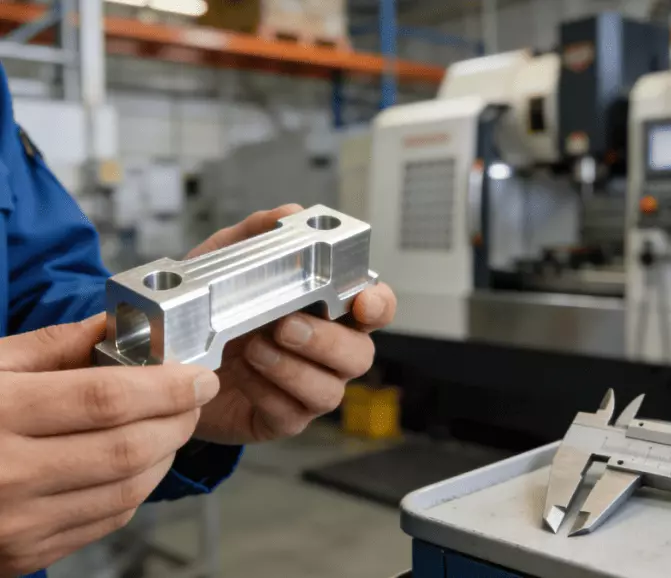
Getting the most value out of low volume CNC machining starts with knowing what to send for a quote and how to compare pricing effectively. When requesting quotes, it’s important to provide detailed drawings, including tolerances and finish requirements. Clear communication helps suppliers give accurate estimates and avoid surprises later. If you’re unsure about design details, a design for manufacturability (DFM) review can often identify cost-saving tweaks, especially when aiming to reduce setup and fixturing costs in small batch production machining.
When comparing quotes, don’t just look at the bottom line. Ask about lead times, inspection processes, and how they handle repeat orders. Shorter lead times can sometimes mean higher costs, but they also reduce project delays. Understanding inspection procedures—like first article inspection—gives you peace of mind about quality and helps avoid costly revisions. Repeat orders often benefit from better pricing due to experience and optimized processes, so working with a supplier that has low volume machining experience can make a big difference in the final unit price.
Choosing the right machining partner involves more than just price. A supplier familiar with small batch production machining understands the challenges of balancing fixed costs and variable expenses. They can help you optimize part design, material choices, and the batching process to maximize savings. Building a collaborative relationship ensures smoother communication and more effective cost management, especially for projects within the 30–100 pieces range, which often lands in that tricky “valley of death” between prototype and high-volume production.
Real-World Small Batch Pricing Examples
When working on low volume production machining, certain part types tend to show noticeable cost swings. For example, complex parts with tight tolerances or intricate geometries often carry much higher unit prices compared to simpler designs. These parts demand extra setup time, custom fixtures, and multiple tool changes, which significantly affect the overall cost per piece.
After a Design for Manufacturability (DFM) review, you typically see improvements in pricing. Simplifying features—like reducing deep pockets, thinning walls, or eliminating tricky curves—can cut down the machining complexity. This, in turn, lowers setup costs and reduces the number of tool changes needed during the run.
Most importantly, as setup and complexity decrease, the unit price drops considerably. It’s all about finding the right balance: optimizing the design for CNC machining and reducing unnecessary features can make small batch production much more cost-effective. If you’re interested in learning how DFM can impact your project, check out our guide on designing for manufacturability in CNC.
Choosing The Right Strategy For 30–100 Pieces
Deciding on the best approach for low volume machining between 30 and 100 pieces can be tricky. Sometimes, sticking with CNC machining is the smart move—especially if the part design is simple or doesn’t require complex features. This keeps setup costs manageable and lets you produce smaller batches efficiently. If your part has tight tolerances or unique geometries, CNC machining offers the precision you need without breaking the bank.
On the flip side, if the design is complex or involves tricky features like deep pockets or thin walls, it might be time to consider redesigning for manufacturability (DFM). Simplifying the part can significantly lower the cost by reducing setup time and tooling complexity. You can also split production into phases—starting small to validate the design, then scaling up as needed. Planning for future repeats is key; that way, you can streamline workflows and possibly automate some processes down the line.
In the end, the right strategy balances your project’s timeline, budget, and future production needs. Whether you choose to stay with CNC machining, redesign, or phase the production, understanding these options helps keep unit prices in check and ensures your small batch production runs smoothly. For insights on designing parts that are easier and cheaper to produce, CNC prototyping benefits can offer some helpful guidance.
Common Questions About Low Volume Production Machining
Is CNC machining cost-effective for 50 pieces?
The answer depends on the complexity of the part and the material used. Generally, CNC machining becomes more cost-efficient as you move past small batches, but for around 50 pieces, it can still be a smart choice—especially when quick turnaround and tight tolerances matter. Small production runs can leverage cost-efficient small quantity CNC machining just like larger orders, provided the setup and design are optimized.
Why does a quote for 30 parts look so close to 100 parts?
This often comes down to fixed manufacturing costs—things like programming, fixture setup, and inspection—being spread across too few parts. These setup costs don’t shrink much with fewer pieces, which makes unit prices stay high. That’s why low volume CNC costs remain relatively flat between 30 and 100 units unless you reduce aspects like fixture complexity or redesign for manufacturability.
What really lowers unit price in small batch production?
The biggest savings often come from simplifying the part design to reduce machining time, minimizing custom fixtures, and standardizing features like holes and edges. Choosing easier-to-machine materials and reducing deep pockets or complex geometries can also help. These strategies align with best practices in design for manufacturability (DFM), making it easier and cheaper to produce small batches without sacrificing quality.