
What Is Custom Machining?
Are you wondering how tailored parts are made? Custom machining is the process of creating precision custom parts designed specifically to meet unique requirements. Unlike standard off-the-shelf components, custom machining produces bespoke machined components that fit your exact specifications.
How Custom Machining Differs from Standard and Mass Production
Many assume manufacturing is the same across the board, but there’s a big difference. Custom machining focuses on low-to-medium volume runs with an emphasis on precision, flexibility, and unique designs. In contrast:
- Standard machining involves common parts that can be mass-produced easily.
- Mass production emphasizes large-scale, high-volume manufacturing, often using molds or casting.
Custom machining uses subtractive manufacturing techniques—removing material from solid blocks to shape the part—mainly through CNC technology. This approach allows for complex geometries, tight tolerance control, and high precision.
Why Do Businesses Need Custom Machining?

Many industries turn to custom machining because off-the-shelf parts don’t always fit their unique needs. Common reasons include:
- Need for complex, bespoke components not available elsewhere.
- Quick prototyping to test new designs.
- Small batch or low-volume production where custom solutions are more cost-effective.
- Ensuring high precision and quality for critical parts, like in aerospace or medical devices.
- Reducing waste and optimizing material use.
- Improving product performance and fit in assembled systems.
In today’s competitive markets, custom CNC machining offers the flexibility and design freedom that standard manufacturing methods can’t match.
The Custom Machining Process
The process for custom machining typically starts with a detailed design and engineering consultation. During this phase, we review CAD files and provide Design for Manufacturability (DFM) feedback to ensure the part can be machined efficiently and meet quality standards. Once the design is finalized, material selection and sourcing are critical steps—choosing the right metals or plastics based on strength, durability, and cost.
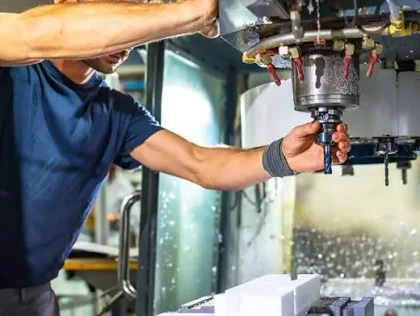
Next, CNC programming is prepared, and machines are set up for precise machining operations. This usually includes a combination of milling, turning, and multi-axis work to produce complex, tight-tolerance parts. After the primary machining is complete, secondary finishing processes such as deburring, heat treatment, and surface finishing are performed to improve both appearance and performance.
Quality inspection and testing follow, ensuring each custom part meets strict tolerances and industry standards. Finally, the parts are carefully packaged and delivered, ready for use in high-precision applications. This step-by-step approach ensures that each custom machining project delivers reliable, high-quality components tailored to your specific needs. For more detailed insights into how we handle critical component machining, check out critical component machining.
Key Technologies and Techniques

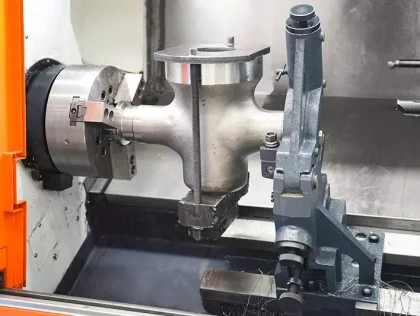
When it comes to custom machining, the right technology makes all the difference. CNC milling is perfect for creating complex shapes and pockets in parts with tight tolerances, allowing for high precision. CNC turning is ideal for manufacturing cylindrical components with smooth finishes. For more complex geometries, 5-axis and multi-axis CNC machining are game-changers, enabling access to hard-to-reach areas and reducing setup times.
Supporting processes like electrical discharge machining (EDM), laser cutting, and grinding further enhance the capabilities of custom machining. These technologies help achieve intricate details and ultra-fine finishes that standard methods can’t match.
All these advanced techniques work together to improve the overall precision and repeatability of parts. That means you get consistent quality, even with complex designs, making these technologies essential for industries like aerospace and medical manufacturing that demand tight tolerances and high reliability. For innovative design and production, leveraging these CNC custom machining techniques ensures parts are manufactured accurately, efficiently, and to spec.
Materials Commonly Used in Custom Machining
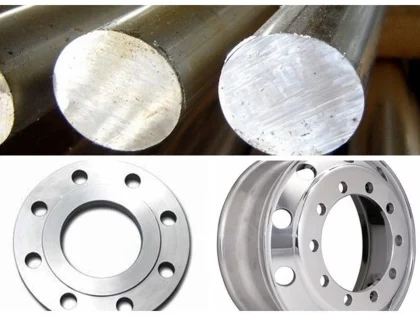
When it comes to custom machining, choosing the right material is crucial. Metals like aluminum, stainless steel, titanium, brass, tool steel, and exotic alloys are popular choices for their strength and durability. These metals are often used in industries like aerospace and medical, where precision and reliability are essential. You can also opt for plastics and composites such as ABS, PEEK, Delrin, and carbon fiber, which are great for lighter or specialty parts.
How to Choose the Right Material
Selecting the best material depends on several factors:
- Strength and durability: Does the part need to withstand stress or impact?
- Weight: For applications like aerospace or automotive, lightweight materials can improve performance.
- Corrosion resistance: Will the part be exposed to moisture or chemicals?
- Machinability: Some materials cut and shape easier than others, affecting production speed and cost.
- Cost: Budget constraints play a key role, especially for low-to-medium volume projects.
Industry-specific Considerations
If you’re working on parts for aerospace or medical devices, you’ll need materials that meet strict industry compliance and quality standards. Custom machining services often provide guidance to ensure your selected material aligns with the specific technical requirements, ensuring the final product is both high-quality and compliant. For detailed information on how materials impact manufacturing, you might want to explore our CNC engineering services to see how material choice aligns with your project’s needs.
Benefits of Custom Machining
Custom machining offers several key advantages that make it a popular choice for many businesses in the US. Here’s why investing in precision custom parts can really pay off:
- Design freedom for complex parts: Unlike standard options, custom machining allows for intricate and unique designs. You can create parts with tight tolerances and detailed features that are hard to produce with other methods. This is especially useful for bespoke components and specialized equipment.
- Fast prototyping and shorter time-to-market: When speed matters, custom machining delivers. We can turn around prototypes quickly, helping you test and refine your designs fast. This accelerates your overall development process.
- Low-to-medium volume cost efficiency: For small to medium production runs, custom CNC milling and turning are cost-effective. Unlike large-scale manufacturing, it avoids expensive molds and tooling costs, making it a smart choice for limited runs.
- High precision and consistent quality: Custom machining ensures each part meets tight tolerances. The process guarantees high repeatability, so your parts are reliable and conform to strict industry standards—important for aerospace, medical, or other critical applications.
- Reduced material waste: With CNC technology, material is removed precisely where needed, minimizing waste. This not only saves money but also supports sustainable manufacturing practices.
- Better fit for assemblies and performance needs: Custom parts are designed to fit perfectly with other components. This ensures optimal performance, reduces assembly time, and prevents issues caused by mismatched parts.
- Scalability from prototypes to production runs: Starting with prototypes, you can smoothly scale up to full production. Custom machining adapts easily to changing needs, making it flexible for growth and larger projects.
In short, custom machining provides unmatched flexibility, precision, and efficiency — perfect for complex, high-performance parts. If you want to explore the possibilities, there are custom CNC machining services that can help turn your ideas into reality.
Industries That Use Custom Machining

Custom machining plays a crucial role across many industries, thanks to its ability to produce high-precision, bespoke components. In aerospace and defense, tight-tolerance machining ensures critical parts meet strict safety and performance standards — think of turbine blades or fuel system components. Medical and healthcare sectors rely on custom CNC milling and turning to craft complex, sterile, and reliable implants, surgical tools, and patient-specific devices.
The automotive and transportation industries use custom metal fabrication for lightweight, durable parts like engine components, brackets, and transmission housings. Electronics and robotics companies benefit from precision custom parts that require tight tolerances to ensure functionality and reliability, whether it’s housings or circuit interfaces.
Energy, oil and gas, and industrial equipment industries need tough, corrosion-resistant parts that can withstand harsh environments. Renewable energy sectors, like wind and solar, also depend heavily on custom machining for parts like turbine blades or mounting systems. Finally, consumer product manufacturing often turns to custom CNC machining for prototyping and low-volume production, ensuring that each product meets exact design specifications.
Basically, any industry that demands high precision custom parts or bespoke machined components can benefit from the versatility and accuracy of modern CNC machining services. Whether for prototypes or production runs, custom machining helps ensure your parts fit, perform, and last. To learn more about how we serve these industries with advanced custom CNC milling and turning, visit our CNC machining services.
Custom Machining vs Other Manufacturing Methods
When deciding on the best manufacturing approach, it’s important to understand how custom machining compares to other methods like injection molding, casting, 3D printing, and manual machining. Each process has its strengths, but CNC custom machining often stands out for specific project needs.
Custom Machining vs Injection Molding and Casting
Injection molding and casting are great for high-volume production of identical parts, often with complex shapes. However, these methods typically have high upfront costs due to mold and tooling creation. Custom machining provides a cost-effective solution for low to medium volume runs, especially for prototypes or small batches. It also allows for quick adjustments without needing new molds. If your project requires tight tolerances and bespoke components, custom CNC milling or turning is usually the better fit. For more on how custom machining compares to traditional forming methods, check out this detailed comparison.
Custom Machining vs 3D Printing
3D printing has gained popularity for rapid prototyping and complex geometries, but it often falls short in terms of material strength, surface finish, and precision. Custom machining excels when high precision, durable materials, and tight tolerances are needed. It’s ideal for creating functional parts that must withstand stress, such as aerospace or medical components. Plus, with advances in precision CNC milling, custom machining can produce highly detailed and reliable parts at a consistent quality level, making it the top option for certain applications.
Custom Machining vs Manual Machining
Manual machining relies heavily on operator skill and tends to be slower and less precise. It’s suitable for small, simple projects or repairs. Custom CNC machining automates much of the process, resulting in faster turnaround times, greater accuracy, and better repeatability. This makes custom machining perfect for projects that need tight tolerances and consistent quality, especially in industries like aerospace, defense, and medical devices.
When CNC Custom Machining Is the Better Choice
In scenarios where precision, complex geometries, or tight tolerances are a must, CNC custom machining is usually the best route. It allows for cost-efficient small-batch production, quick prototyping, and scalability from prototypes to full production runs. If your project involves unique designs, demanding specs, or materials like titanium or advanced plastics, custom machining provides the flexibility and quality you need to succeed.
Design for Custom Machining Success
To ensure smooth, cost-effective custom machining, start with a solid design. Here are some tips:
- Optimize geometry to minimize setups, saving time and reducing costs. Simplifying complex shapes can make a big difference.
- Set realistic tolerances and surface finishes. Trying to push tight tolerances beyond machine capabilities can lead to delays. Clearly communicate what’s needed to avoid unnecessary rework.
- Plan for machinability and appropriate wall thickness. Thin walls or complex features might need special handling or multiple passes, so design with manufacturing in mind.
- Use standard tooling when possible. Custom tools can increase costs and lead times unless absolutely necessary.
- Share CAD files and detailed engineering info early. Early collaboration helps identify potential issues upfront, leading to faster, more accurate production.
- Work closely with your machining partner on design for manufacturability (DFM). They can suggest tweaks that improve efficiency without sacrificing quality.
Taking these steps helps you produce high-precision custom parts efficiently and with fewer surprises. For example, properly designing for CNC machining can lead to more consistent, high-quality results and faster turnaround. For insights on material selection, check out custom machining materials.
How to Choose the Right Custom Machining Partner
Finding the right partner for custom machining is key to getting high-quality, precision custom parts on time and within budget. Here’s what to focus on:
| Key Factors | What to Look For |
|---|---|
| Equipment & Tech | Make sure they have advanced CNC machining tools like 5-axis CNC machining and other essential tech to handle complex geometries and tight tolerances. Their equipment should match your project needs, whether it’s high precision machining services or custom CNC milling. |
| Quality Control | Check their inspection methods—look for certifications like ISO and review how they test parts for accuracy and quality. Consistent quality is critical for custom machined prototypes or low-volume production runs. |
| Industry Experience | Experience in your industry (aerospace, medical, automotive) means they understand the specific requirements and standards, especially for selecting the right custom machining materials. If you need custom metal fabrication or precision parts that meet strict specs, an experienced shop makes a difference. |
| Lead Time & Support | A reliable partner communicates clearly and respects deadlines. Ask about their average lead time and how they support clients during the process, from CAD review to final delivery. Efficient communication helps prevent delays. |
| Flexibility | Choose a provider that can handle both prototypes and larger production runs. They should be able to adapt to changes in design or order size without compromising quality or delivery speed. Flexible services are especially important for startups and evolving projects. |
In short, a reliable custom machining provider will combine the right technology, strong quality control, proven industry expertise, good communication, and flexibility. Doing a bit of homework upfront saves time and ensures your parts meet your expectations for performance and precision.
Cost Factors and Project Optimization
When it comes to custom machining, understanding the key cost drivers is essential to keeping your project within budget without sacrificing quality. Material costs are a big part of the equation, especially when using premium metals like titanium or exotic alloys. Also, the amount of machine time and initial setup can significantly impact your overall expenses, particularly for complex parts that require multiple setups. The part’s complexity and the tightness of tolerances needed can also influence costs — more intricate designs demand more time and skill from CNC operators.
Order quantity plays a role too. Small runs or prototypes usually cost more per piece than larger production batches, but there are ways to optimize for both scenarios. Finishing and secondary processes, such as deburring, heat treatment, or surface finishing, add extra costs but are often necessary for high-performance or aesthetic requirements.
To lower costs without hurting quality, consider these strategies:
- Design for manufacturability (DFM): Simplify your part design and avoid unnecessary features to reduce machining time.
- Use standard tooling: When possible, rely on common tools to cut costs and improve setup speed.
- Choose the right material: Picking a material that balances strength, machinability, and cost can make a big difference.
- Plan for repeatability: Efficient workflows and proper planning can reduce machine downtime and waste.
By balancing these factors and planning ahead, you can make the most of your custom machining budget while still achieving high-quality parts. For complex components or high-precision projects, partnering with a shop experienced in custom CNC machining can really help optimize costs and timelines.
Future Trends in Custom Machining
The landscape of custom machining is evolving rapidly with new technologies and approaches. AI-assisted programming is playing a bigger role, helping shops optimize CNC machining and reduce setup times for complex, high-precision parts. Hybrid manufacturing—combining additive and subtractive methods—allows for more design flexibility and quick prototyping.
Automation is also steadily increasing, making turnaround times faster and production more consistent. This means more efficient low-volume custom machining services that meet tight deadlines. Sustainable practices are on the rise too, with shops adopting eco-friendly methods and minimizing material waste.
Digital twins and on-demand CNC parts platforms are transforming how we plan and produce custom components. These innovations help improve accuracy while reducing lead times, giving customers faster access to high-quality, bespoke machined components. Staying ahead in this field means embracing these future trends, which are making custom machining more agile, precise, and sustainable.