

Discover high-quality part manufacturing services offering precise, reliable, and efficient solutions for your industrial needs.
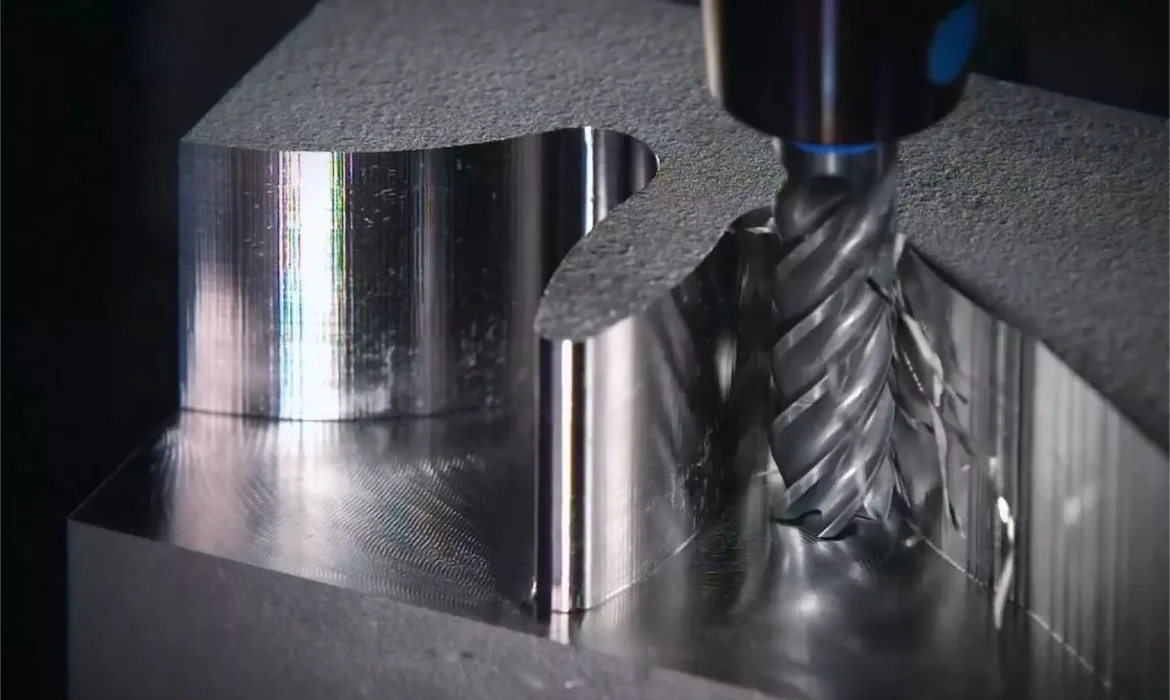
Hard Milling Process: Advantages of Machining Hardened Steel Components Above 50 HRC
In high-precision manufacturing, processing steel components exceeding 50 HRC (Rockwell C) frequently involves a combination of soft machining, heat treatment, and secondary processes such as EDM (Electrical Discharge Machining) or grinding. While this sequence is widely utilized to manage material hardness, Hard Milling provides an alternative route by machining materials...

Custom Machining Services for Precision Parts and Prototyping
What Is Custom Machining? Are you wondering how tailored parts are made? Custom machining is the process of creating precision custom parts designed specifically to meet unique requirements. Unlike standard off-the-shelf components, custom machining produces bespoke machined components that fit your exact specifications. How Custom Machining Differs from Standard and...
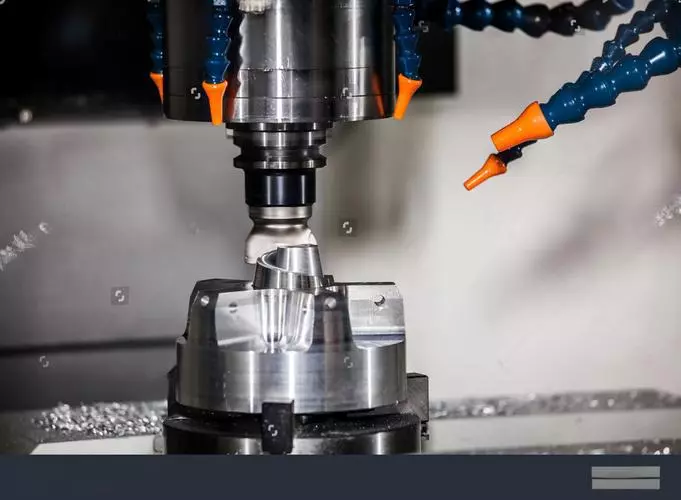
Why Some Factories Can Do CNC Turning But Not 5-Axis Milling
Understanding the Core Differences Between CNC Turning and 5-Axis Simultaneous Milling CNC turning and 5-axis simultaneous milling are both essential machining processes, but they serve different purposes and have distinct capabilities. CNC Turning: Basic Rotational Machining for Cylindrical Parts Primarily designed for cylindrical and rotational parts. Uses a rotating workpiece and...
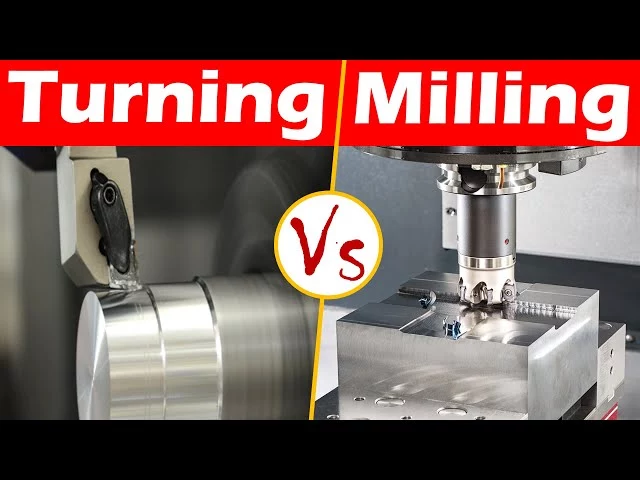
What is the difference between CNC milling and CNC turning?
Learn the key differences between CNC milling and CNC turning to choose the right machining process for precision parts and efficient production.
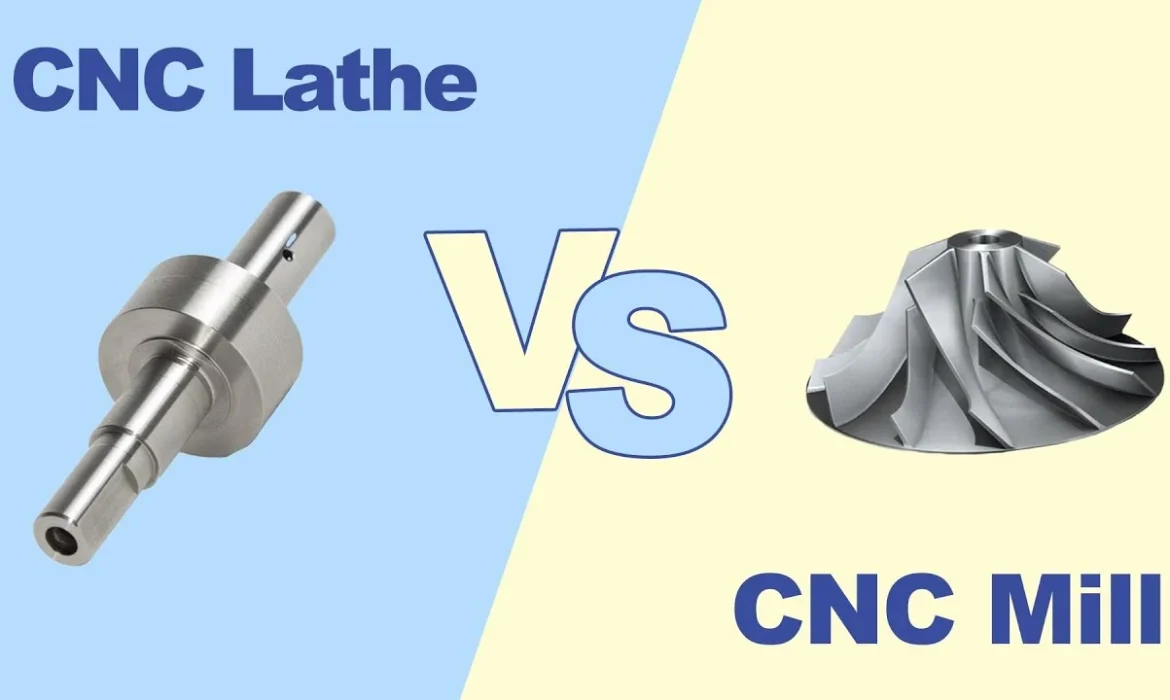
CNC Lathe Machining vs. Milling: How to Choose the Right Process for Your Parts
Ideally, every part would be designed with a specific manufacturing process in mind. However, in practice, we frequently see drawings where a prismatic component is forced onto a lathe, or a perfectly cylindrical shaft is slated for a 4-axis mill. This "mismatch" between design and process is often the root...