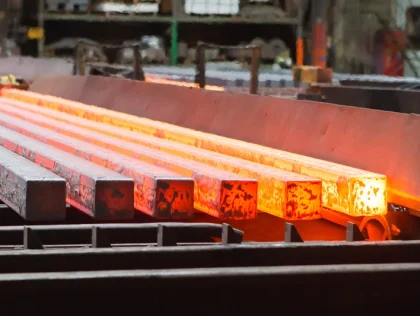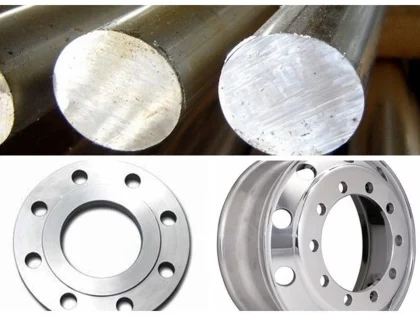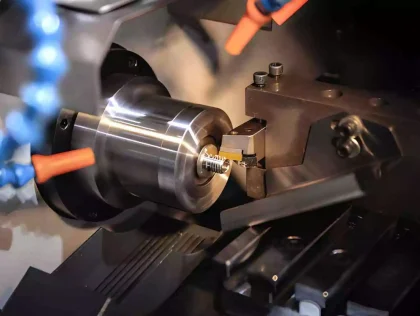

If you’re stepping into part manufacturing, you know it’s more than just producing components—it’s about precision, efficiency, and staying ahead of demand. Choosing the right part manufacturing process can mean the difference between a seamless supply chain and costly delays. Whether you’re optimizing for quality, cost, or speed, understanding the essentials can give your business a real competitive edge. Ready to unlock the secrets to smarter part manufacturing? Let’s dive in.
Introduction to Part Manufacturing: What You Need to Know
Part manufacturing is a crucial part of many industries, from automotive to aerospace, electronics, and consumer goods. It involves transforming raw materials into precise, functional parts that meet specific specifications. Whether you’re designing prototypes or producing large quantities, understanding the fundamentals of part manufacturing can help you make better decisions, save costs, and ensure quality.
In today’s fast-paced market, companies rely on various manufacturing processes—such as CNC machining, injection molding, casting, and 3D printing—to create parts efficiently. Each method offers unique advantages depending on the part’s complexity, material, and production volume. With the rise of Industry 4.0 and automation, the landscape of part manufacturing is evolving quickly, providing more options to meet customer demands faster and more cost-effectively.
If you’re new to part manufacturing, focus on selecting the right process, using quality control in manufacturing, and managing your supply chain properly. This foundation will give you confidence to navigate the industry’s challenges and stay ahead of emerging trends. Whether you’re sourcing rapid CNC parts or considering the best casting techniques for your parts, knowing your options is key to success in today’s manufacturing world.
Overview of Part Manufacturing Processes: Types and Techniques
Part manufacturing involves various processes and techniques, each suited to different needs, materials, and production volumes. The main types include injection molding, CNC machining, casting, and 3D printing.
Injection molding parts are ideal for high-volume production of complex shapes with tight tolerances. This process uses a mold, typically made from steel or aluminum, to produce durable and precise parts efficiently. If you’re considering injection molding, it’s essential to work with a manufacturer experienced in molding techniques for parts to ensure quality and cost-efficiency.
CNC machining for parts is another popular method, especially for prototypes and low to medium production runs. CNC machining offers excellent accuracy and a wide range of materials, making it a go-to choice for detailed or custom parts. To get the best results, it’s important to select the right manufacturing equipment and programming skills.
Casting techniques for parts like sand casting or die casting are used for larger, one-piece components. Casting allows for complex geometries and can be cost-effective for large quantities. Proper material selection and casting process knowledge are critical to avoid defects.
3D printing for manufacturing has gained popularity for rapid prototyping and small batch production. This method provides flexibility in design changes and reduces lead times. It’s increasingly used in industries that require quick turnaround and customizable parts.
Understanding these different part manufacturing processes helps in choosing the right technique for your project, balancing factors like cost, speed, and quality.
Design and Prototyping for Part Manufacturing: CAD and 3D Modeling
When it comes to part manufacturing, designing and prototyping are crucial steps. Using Computer-Aided Design (CAD) software allows us to create precise 3D models of the parts before production. This helps catch potential issues early, saving time and money. CAD files also make it easier to communicate design ideas with manufacturers and ensure everyone’s on the same page.
3D modeling takes this a step further by allowing us to visualize the final product, 3D print prototypes, and make quick adjustments. Rapid prototyping techniques, especially 3D printing for manufacturing, are popular for testing forms and fit. They give us a real feel of the part and help refine the design before moving on to more costly manufacturing methods.
Efficient design and prototyping not only improve the quality of the final parts but also streamline the part manufacturing process. It’s essential to balance design complexity with manufacturability, considering factors like material selection and production techniques. For those interested in high-precision prototypes, CNC machining for parts is often used for creating accurate, functional test pieces.
Overall, good design and prototyping lay the foundation for a smooth part manufacturing journey, helping ensure the parts meet both quality and cost expectations.
Material Selection for Durable and Cost-Effective Parts
Choosing the right material is a vital step in part manufacturing. It impacts not only the durability and strength of your parts but also the overall production cost. For most applications, you’ll want a balance between quality and affordability. Common materials like aluminum, steel, and plastics are popular because they offer good mechanical properties at reasonable prices.
When selecting materials, consider factors such as load capacity, corrosion resistance, and ease of fabrication. For example, if your parts need to withstand harsh environments, materials like stainless steel or certain composites might be best. On the other hand, if cost is a major concern, plastics or lightweight alloys could be better options.
Additionally, having a solid understanding of material properties helps when working with different manufacturing methods like CNC machining or injection molding. For instance, some plastics are ideal for intricate shapes in 3D printing, while metals work better for high-stress applications.
To keep costs manageable, focus on material availability and supplier reliability. Proper material selection can make the difference between a part that just works and one that performs reliably over time. For more about choosing the right materials, you might find this helpful: Material Selection for Manufacturing Parts.

Manufacturing Methods for Parts: Injection Molding, CNC Machining, Casting, 3D Printing
When it comes to part manufacturing, choosing the right process is key to meeting your project’s needs. Common methods include injection molding, CNC machining, casting, and 3D printing. Each has its own advantages and best-use scenarios.
Injection molding is perfect for high-volume production of parts with complex shapes. It offers excellent surface finish and consistent quality, especially for plastic components. If you’re considering metal injection molding, check out how material selection impacts durability and cost-efficiency here.
CNC machining is highly precise and flexible, making it ideal for prototypes and low to medium production runs. With tools like CNC drilling and critical component machining, you can achieve tight tolerances and a smooth surface finish. For intricate CNC work, it’s worth exploring rapid CNC parts options or getting a custom CNC part quote for your project.
Casting techniques, such as investment casting or sand casting, are suited for large, complex metal parts. Casting allows for creating large components efficiently, although post-processing may be required for tighter tolerances. For more on different casting methods, you can visit investment castings.
3D printing is revolutionizing manufacturing by enabling quick, cost-effective prototyping and small-batch runs. It’s especially useful when you need custom or complex geometries without expensive tooling. 3D printing is expanding into various industries as technology advances, making it a popular choice for innovative product development.
Understanding these manufacturing methods helps you choose the best process based on volume, material, and quality needs. Combining multiple techniques can also optimize results for your specific application.
Choosing the Right Manufacturing Process: Factors and Decision-Making Tips

Picking the best part manufacturing process can be tricky, but it’s crucial for quality, cost, and speed. Several factors come into play when making this choice:
- Material Type: Some materials work better with specific techniques. For example, plastics are often suited for injection molding, while metals might be better for CNC machining or casting.
- Design Complexity: Highly intricate or detailed parts usually favor 3D printing or precision CNC machining. Simpler shapes might be made faster and cheaper with casting or injection molding.
- Production Volume: Low volumes typically mean one-off methods like CNC or 3D printing. For larger runs, injection molding or casting become more cost-effective because of their scalability.
- Tolerance and Precision: If parts need tight measurements and high consistency, CNC machining for parts often offers the best accuracy. For larger tolerances, other methods may suffice.
- Lead Time and Budget: Quick turnarounds lean toward 3D printing and CNC machining, while processes like casting or injection molding might need longer setup times but lower costs per piece for bulk orders.
- Part Size and Geometry: Larger or more complex parts may require casting or CNC machining. Smaller, detailed parts often benefit from additive manufacturing like 3D printing.
When choosing a manufacturing process, it’s helpful to review what each method offers. For example, if you want detailed prototypes fast, 3D printing for manufacturing is often the go-to. If you’re trimming costs on high-volume production, injection molding parts tend to be a top choice.
Understanding these factors helps ensure you’re selecting the right process to meet your project’s needs efficiently and economically. For extra guidance on CNC machining for parts or casting techniques for parts, I recommend checking out resources like investment casting vs. sand casting for detailed comparisons.
Setting Up Your Manufacturing Line: Equipment, Layout, and Workflow
When starting a part manufacturing process, setting up an efficient manufacturing line is crucial. The right equipment, an optimized layout, and smooth workflow can save time and cut costs. For example, choosing the correct manufacturing equipment like CNC machining tools or injection molding machines ensures precision and repeatability for your parts.
Layout planning should focus on minimizing material handling and reducing movement between workstations. A well-designed floor plan helps keep production flowing smoothly and avoids bottlenecks. For complex parts, integrating advanced CNC machining services such as 5-axis CNC machines can improve accuracy and flexibility, making your process more efficient.
Workflow must be streamlined. Organize steps logically—from material prep to finishing—so your team works seamlessly. Incorporating automation in part manufacturing, like automated conveyor systems or robotic arms, can further boost productivity and consistency, especially for high-volume production.
Remember, investing in quality manufacturing equipment and designing a thoughtful layout will lead to more reliable and cost-effective part production. If you’re looking to upgrade your CNC machining setup, exploring options like rapid CNC parts or custom CNC machining services can make a real difference in meeting your project goals. For more on advanced CNC machining techniques, check out CNC 5-axis machining services.
Quality Control in Part Manufacturing: Ensuring Precision and Consistency
Quality control is a critical part of manufacturing, especially when producing parts that must meet strict standards. In part manufacturing, ensuring precision and consistency helps avoid costly mistakes and rework. It’s about making sure each part meets design specs, material standards, and safety requirements.
One common method is using modern inspection tools like coordinate measuring machines (CMMs) to verify dimensions. These help catch any deviations early. For high-volume production, implementing quality control in manufacturing processes ensures each batch stays consistent. This might include visual checks, testing raw materials, or performing functional tests.
Additionally, documentation plays a big role. Keeping records of inspections and tests not only proves compliance but helps identify patterns that could indicate issues. For industries with strict regulations, like aerospace or medical devices, adhering to standards such as ISO or AS9100 is essential.
In the world of part manufacturing, quality control isn’t just about catching defects—it’s about building reliability and trust. For CNC machining for parts, precision measurement tools are often used to verify tolerances down to thousandths of an inch. Also, techniques like non-destructive testing help identify internal flaws without damaging the part.
More advanced quality control systems incorporate automation, like vision systems or sensors, to speed up inspections and reduce human error. Integrating these tools into your manufacturing process leads to better consistency and fewer surprises in production.
If you’re interested in methods like metal injection molding or casting techniques for parts, quality assurance remains vital. For example, metal injection molding can produce very complex parts with tight tolerances, making quality control even more crucial to guarantee the final product meets expectations.
Cost Management in Part Production: Budgeting, Material Costs, and Efficiency Tips
Managing costs effectively is crucial in part manufacturing to keep projects on budget and maintain quality. A big part of this is understanding material costs, which can make up a significant portion of your overall budget. Choosing the right materials not only impacts durability and performance but also influences your manufacturing expenses. For example, selecting affordable yet high-quality materials can reduce waste and speed up the production process.
Another way to control costs is by streamlining your manufacturing process. Using efficient methods like CNC machining for parts, especially in
Supply Chain Management: Sourcing Materials and Managing Inventory
Effective supply chain management is crucial for smooth part manufacturing. It starts with sourcing the right materials at competitive prices, ensuring quality and availability. Whether you need aluminum, plastics, or specialty alloys, building reliable relationships with trusted suppliers helps keep production on track. For precision parts, like those made through CNC machining, quality materials are essential to meet tight tolerances and durability standards.
Managing inventory is also key. Too much stock ties up capital, while too little can cause delays. Implementing smart inventory practices, such as real-time tracking and just-in-time delivery, can minimize waste and improve efficiency. It’s worth considering how your supply chain can adapt to fluctuations in demand or material costs, which are common challenges in part manufacturing.
Tools like supply chain management software can streamline sourcing and inventory tasks, giving you better control and visibility over your production schedule. For example, sourcing high-quality casting materials or specialty plastics becomes easier when you have a clear overview of your suppliers and stock levels. In the end, a well-managed supply chain supports consistent quality control and cost-effective part production, keeping your manufacturing process running smoothly.
Leading Trends in Part Manufacturing: Automation, Industry 4.0, and Sustainability
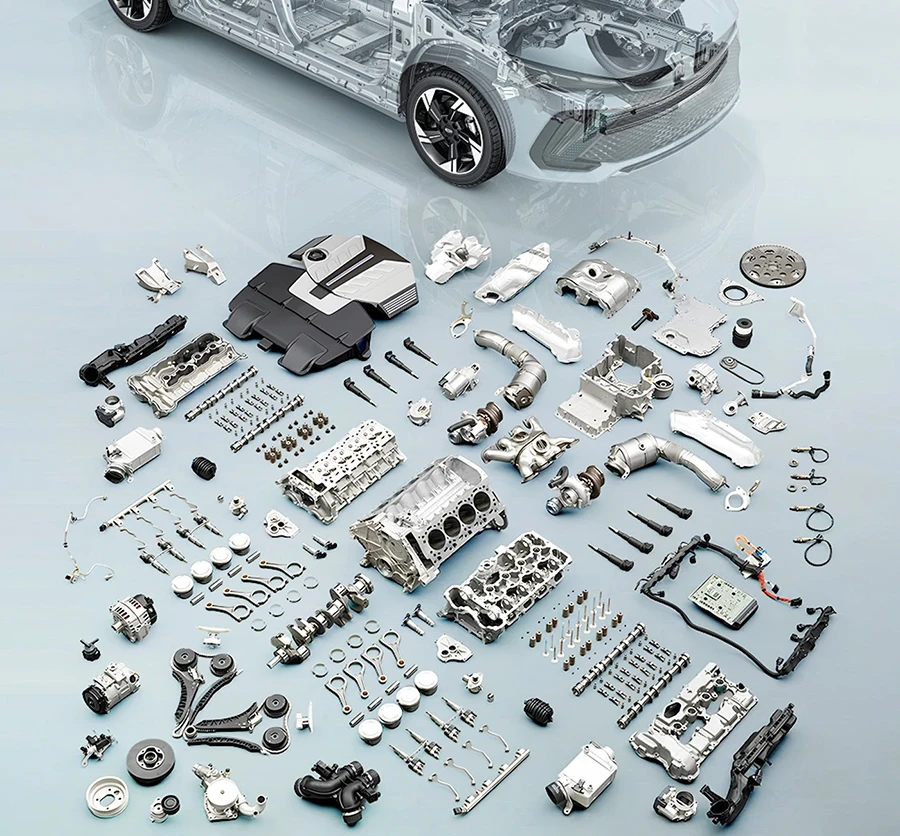
Staying ahead in part manufacturing means keeping an eye on the latest trends shaping the industry. Right now, automation is transforming how we produce parts, making processes faster, more accurate, and reducing human error. Industry 4.0 — the smart manufacturing movement — is all about connecting machines and data, enabling real-time adjustments and better decision-making. This connectivity boosts efficiency and flexibility, especially when managing complex part manufacturing processes.
Sustainability is also becoming a must-have in modern manufacturing. Using eco-friendly materials, reducing waste, and energy-efficient equipment are now standard practices for many manufacturers. These efforts help lower costs and meet growing regulatory requirements while supporting a greener economy.
These trends—automation, Industry 4.0, and sustainability—are shaping how part manufacturing will evolve, offering better quality, cost savings, and environmental responsibility. For example, advanced manufacturing equipment that integrates these trends allows for rapid CNC parts production with high precision and efficiency. To stay competitive in the US market, incorporating these innovations into your manufacturing setup is essential.
If you’re interested in the latest advances, exploring automation in part manufacturing or Industry 4.0 manufacturing solutions can offer significant advantages.
Common Challenges in Part Manufacturing: Troubleshooting and Solutions
Part manufacturing isn’t always smooth sailing. There are common challenges that can pop up, from design issues to production delays. Knowing these ahead of time helps you troubleshoot quickly and keep things moving.
One big challenge is dimensional inaccuracies, which can happen if the manufacturing process isn’t properly set up or if there are issues with material quality. Regular quality control in manufacturing is crucial to catch these early. For example, making sure CNC machining for parts is precisely calibrated can prevent parts from being out of tolerance.
Another common issue is tool wear and tear—especially in high-volume production like injection molding parts or CNC machining. Using durable manufacturing equipment and sticking to proper maintenance routines helps reduce downtime.
In addition, material defects can lead to weak or defective parts. Selecting the right materials for parts is essential, especially when aiming for durability and cost-effectiveness. Sometimes, casting techniques for parts or 3D printing for manufacturing can leave imperfections if not done correctly.
When problems arise, effective troubleshooting involves checking the entire process—from design and material selection to equipment calibration and process parameters. Rapid CNC parts can be produced faster if adjustments are made quickly, but identifying the root cause is key.
Finally, cost overruns can happen if scrap rates are high or if workflow inefficiencies aren’t addressed. Streamlining production and sticking to a solid supply chain management plan helps control costs.
By understanding these common challenges and their solutions, you can ensure your part manufacturing process stays smooth, efficient, and high quality.
Regulations and Compliance in Part Manufacturing: Standards, Certifications, and Safety Requirements
Staying within regulations and ensuring compliance is key in part manufacturing. It’s not just about making good parts — it’s about meeting strict standards that keep products safe and reliable. U.S. manufacturers often need certifications like ISO 9001 or AS9100, especially for aerospace and medical parts.
Here’s a quick look at what’s involved:
| Area | What to Know | Common Standards/Certifications |
|---|---|---|
| Safety | Parts must meet safety criteria to prevent accidents or failures | OSHA, ANSI standards |
| Quality | Consistent quality is critical for precision parts | ISO 9001, AS9100, TS16949 |
| Material | Use materials that meet industrial and environmental safety standards | RoHS, REACH compliance |
| Processes | Manufacturing methods must meet regulatory and safety guidelines | FDA regulations for medical device parts |
For companies doing CNC machining or casting, understanding these regulations is vital to avoid legal issues and recalls. It’s wise to work with partners who understand these standards and can help ensure your parts meet all necessary safety and environmental rules.
If you need guidance on compliance, check out MS Machining’s overview of regulations in manufacturing. Staying compliant not only keeps your business safe but also helps build trust with clients in the U.S. market.
Future Outlook of Part Manufacturing: Innovations and Market Trends
The future of part manufacturing looks bright, driven by advancements in technology and shifting market needs. We’re seeing a strong push toward automation and Industry 4.0, which are making manufacturing processes more efficient, accurate, and flexible. Automated systems, like smart CNC machines and robotics, are helping companies reduce costs and speed up production, especially for custom and low-volume parts.
Another big trend is the rise of sustainable manufacturing. Using eco-friendly materials, recycling waste, and reducing energy consumption are becoming standard practices. This not only helps the environment but also appeals to customers who value sustainability in their supply chain.
3D printing for manufacturing is also gaining momentum. It allows for rapid prototyping and on-demand part production, which cuts down lead times and lowers costs. As 3D printing tech becomes more precise and affordable, it’s expected to play a bigger role in producing complex and customized parts