

Brass vs Stainless Steel: Which Metal Is Right for Your Needs? When choosing between brass and stainless steel, many people ask, “Which is better for my project?” Whether you’re considering hardware, plumbing parts, or decorative items, understanding the key differences can help you make an informed decision. Both metals have...

High-Quality Part Manufacturing Solutions for Precision Production
Discover high-quality part manufacturing services offering precise, reliable, and efficient solutions for your industrial needs.
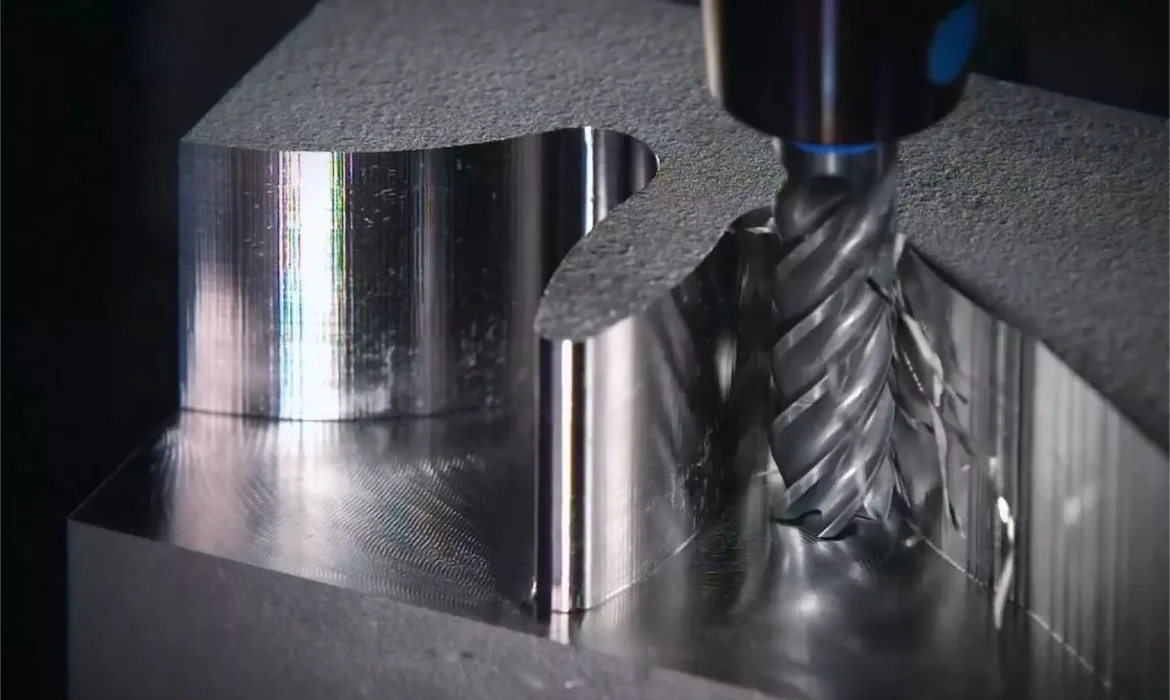
Hard Milling Process: Advantages of Machining Hardened Steel Components Above 50 HRC
In high-precision manufacturing, processing steel components exceeding 50 HRC (Rockwell C) frequently involves a combination of soft machining, heat treatment, and secondary processes such as EDM (Electrical Discharge Machining) or grinding. While this sequence is widely utilized to manage material hardness, Hard Milling provides an alternative route by machining materials...

Why Low Volume Production Machining Limits Unit Price Balance 30–100 Pieces
Learn why low volume production machining costs are high for 30 to 100 pieces and discover strategies to lower unit prices effectively.

Custom Machining Services for Precision Parts and Prototyping
What Is Custom Machining? Are you wondering how tailored parts are made? Custom machining is the process of creating precision custom parts designed specifically to meet unique requirements. Unlike standard off-the-shelf components, custom machining produces bespoke machined components that fit your exact specifications. How Custom Machining Differs from Standard and...
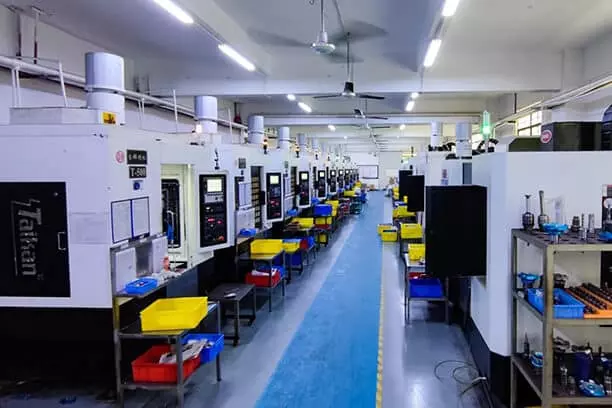
Why Your CNC Quote Is Higher Than Others Check These 5 Overdesign Points
Discover why your CNC part quote might be higher than others and learn five common overdesign mistakes to optimize costs without sacrificing quality.