Custom CNC Prototyping Services for Product Development

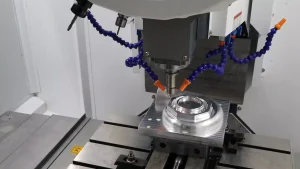
Custom CNC prototype parts machined from CAD models and engineering drawings for design verification, assembly checks, and pre-production evaluation. Low-volume CNC machining is available for validated designs.

MS Machining

Custom CNC Prototype Parts Machined from Your Design Files

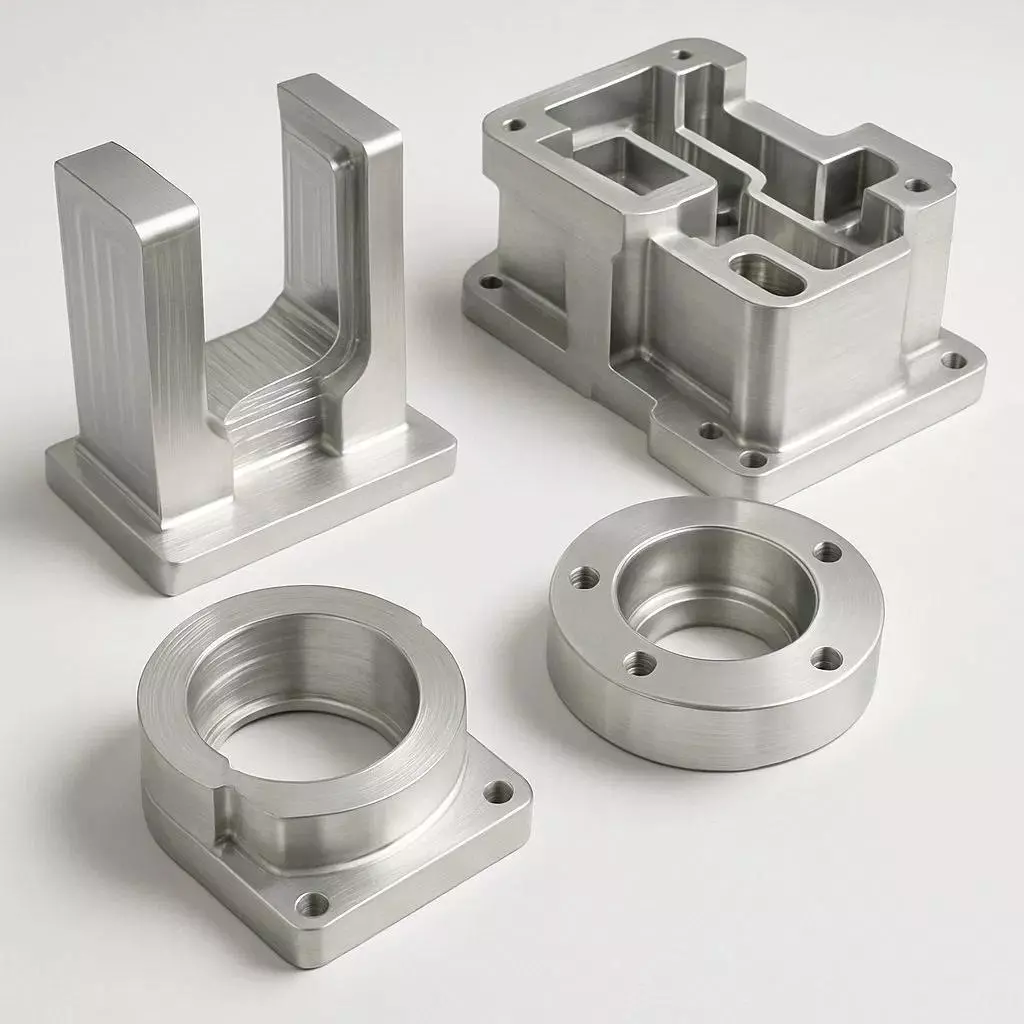
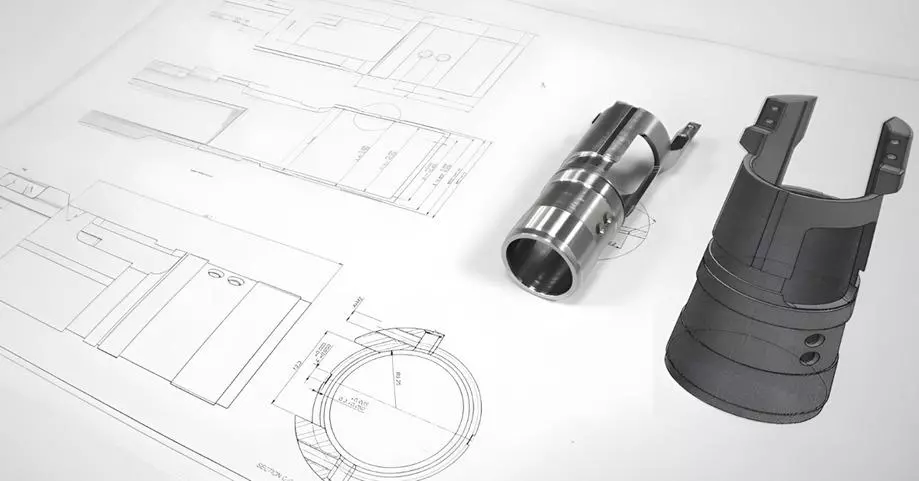
We manufacture custom CNC prototype parts based on customer-provided 3D CAD models, engineering drawings, and technical specifications. Each part is machined according to the required geometry, tolerances, material requirements, and surface finish specifications.

Our CNC prototyping service is suitable for validating part designs, checking assembly fit, and reviewing design changes with physical machined components before production. The same machining processes can also be applied for low-volume manufacturing and custom CNC part production.

Custom CNC Prototyping Services with Precision Machining Capabilities

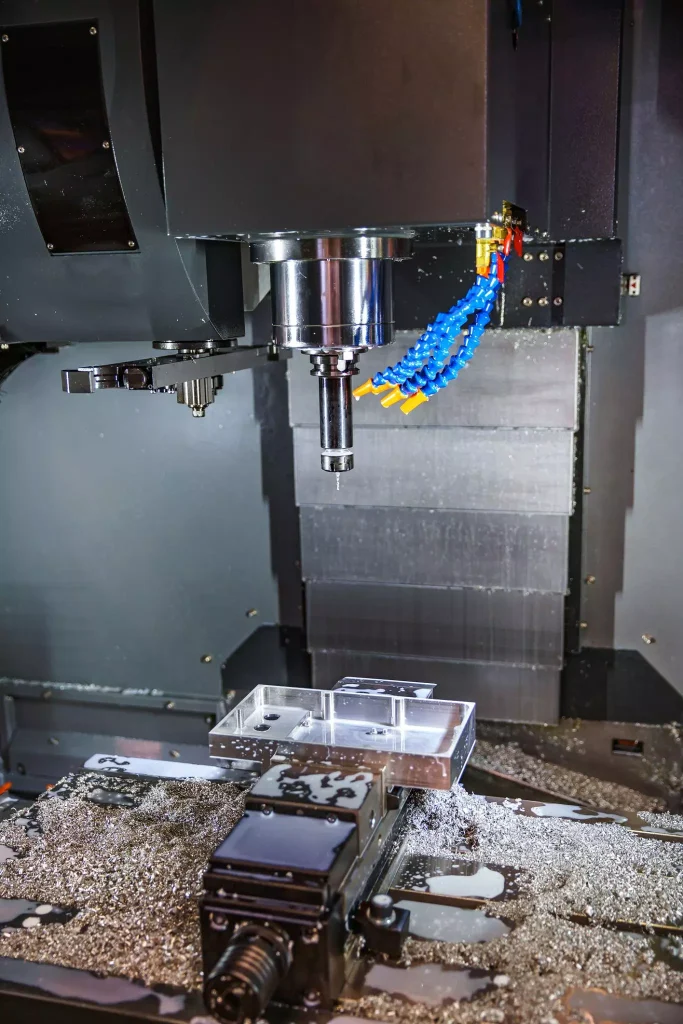
Our custom CNC prototyping services provide machined prototype parts produced through CNC milling, CNC turning, and multi-axis machining processes. Each prototype is manufactured according to customer CAD files, engineering drawings, tolerances, and technical specifications.

Our machining capabilities support prototype parts with complex geometries, tight dimensional requirements, and critical assembly features. Depending on part design and inspection requirements, machining tolerances can be achieved down to ±0.01 mm, with critical dimensions verified against engineering drawings.

From single prototype components to low-volume production requirements, our CNC machining processes provide a consistent approach for developing and refining custom parts before production.

Custom CNC Prototyping Services- Complex Part

CNC Prototype Manufacturing for Complex Part Development

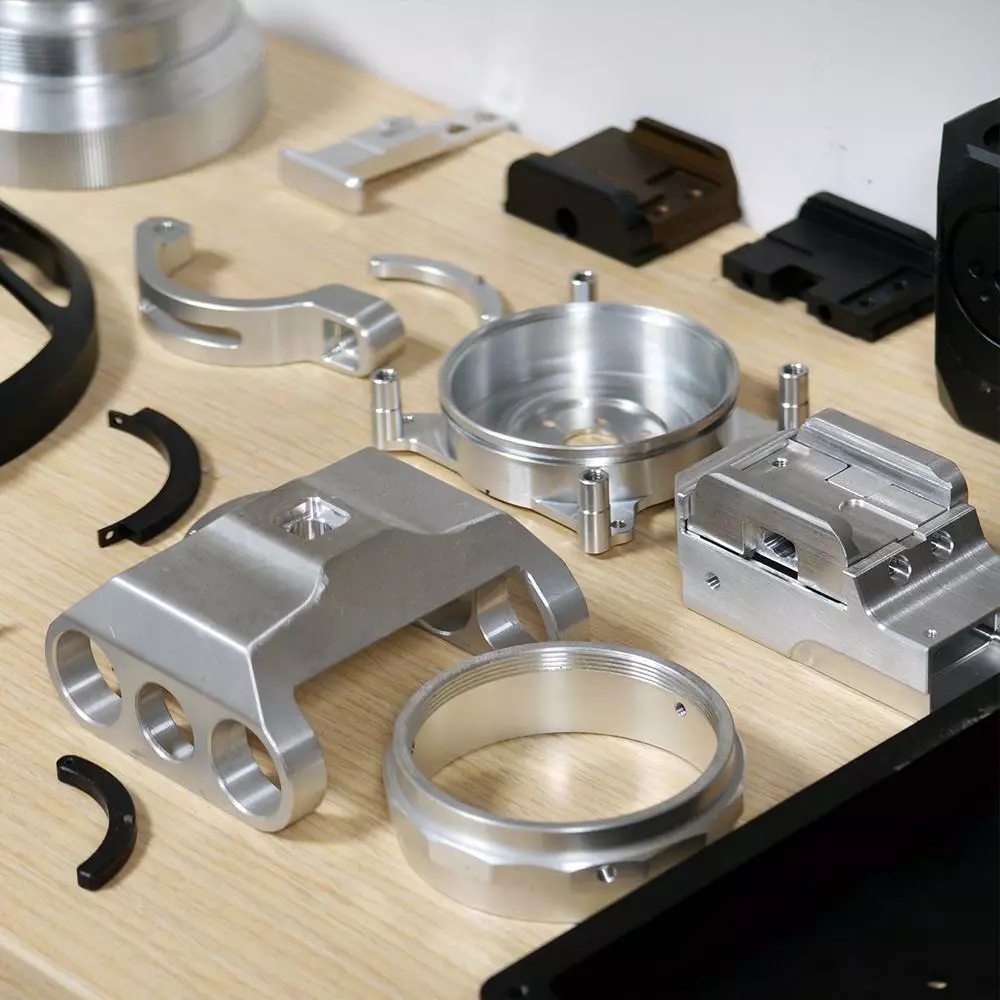
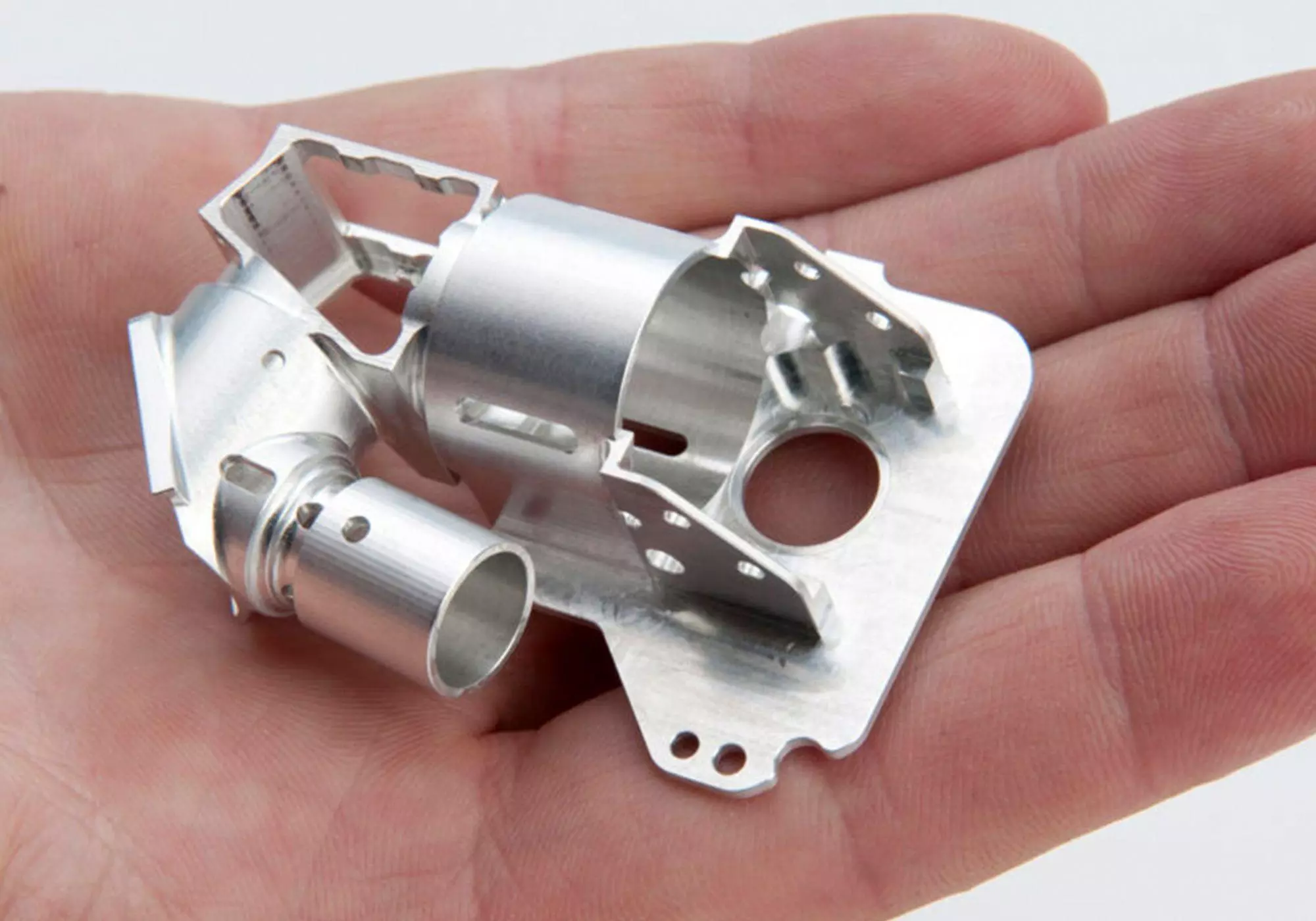
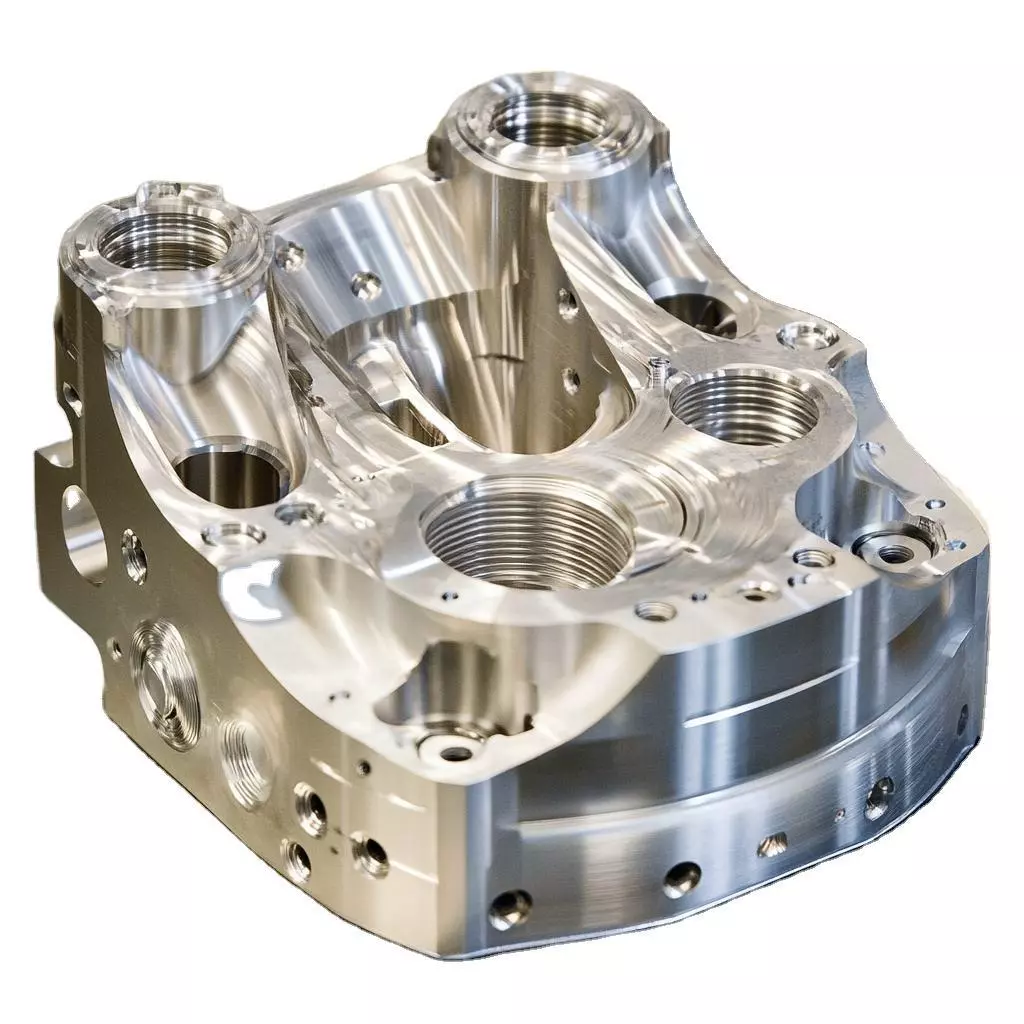
Complex prototype projects often involve detailed geometries, multiple functional features, and strict requirements for part integration. Our CNC prototyping services provide the machining capability needed to turn complex designs into accurate prototype components for testing, evaluation, and further development.

Using multi-axis CNC machining and precision manufacturing processes, we can produce prototype parts with complex surfaces, intricate features, and challenging design details while maintaining consistency with the original engineering requirements.

From the first prototype iteration to design updates and low-volume production needs, our CNC machining experience helps customers move their parts from concept validation toward manufacturing.
Materials and Finishes for CNC Prototype Parts

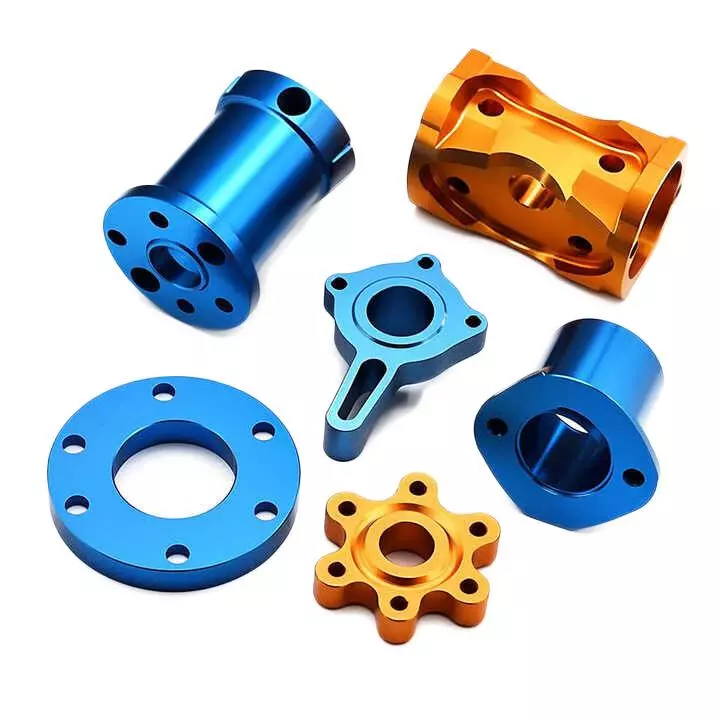
Prototype parts may require different materials depending on functional testing, assembly requirements, and final product considerations. Our CNC prototyping services support commonly used metals and engineering plastics, including aluminum, stainless steel, carbon steel, brass, copper, titanium, ABS, and PEEK.

Material selection can be based on part requirements, machining considerations, surface finish expectations, and the intended use of the prototype. Common CNC prototype materials include 6061 aluminum, 7075 aluminum, 304 stainless steel, 316 stainless steel, brass, copper, titanium, and engineering plastics.

Surface finishing options such as anodizing, bead blasting, polishing, and coating are available for prototypes requiring specific appearance, surface condition, or additional protection.

Custom CNC Prototyping Services- Engineering

Engineering Support Before CNC Prototype Machining

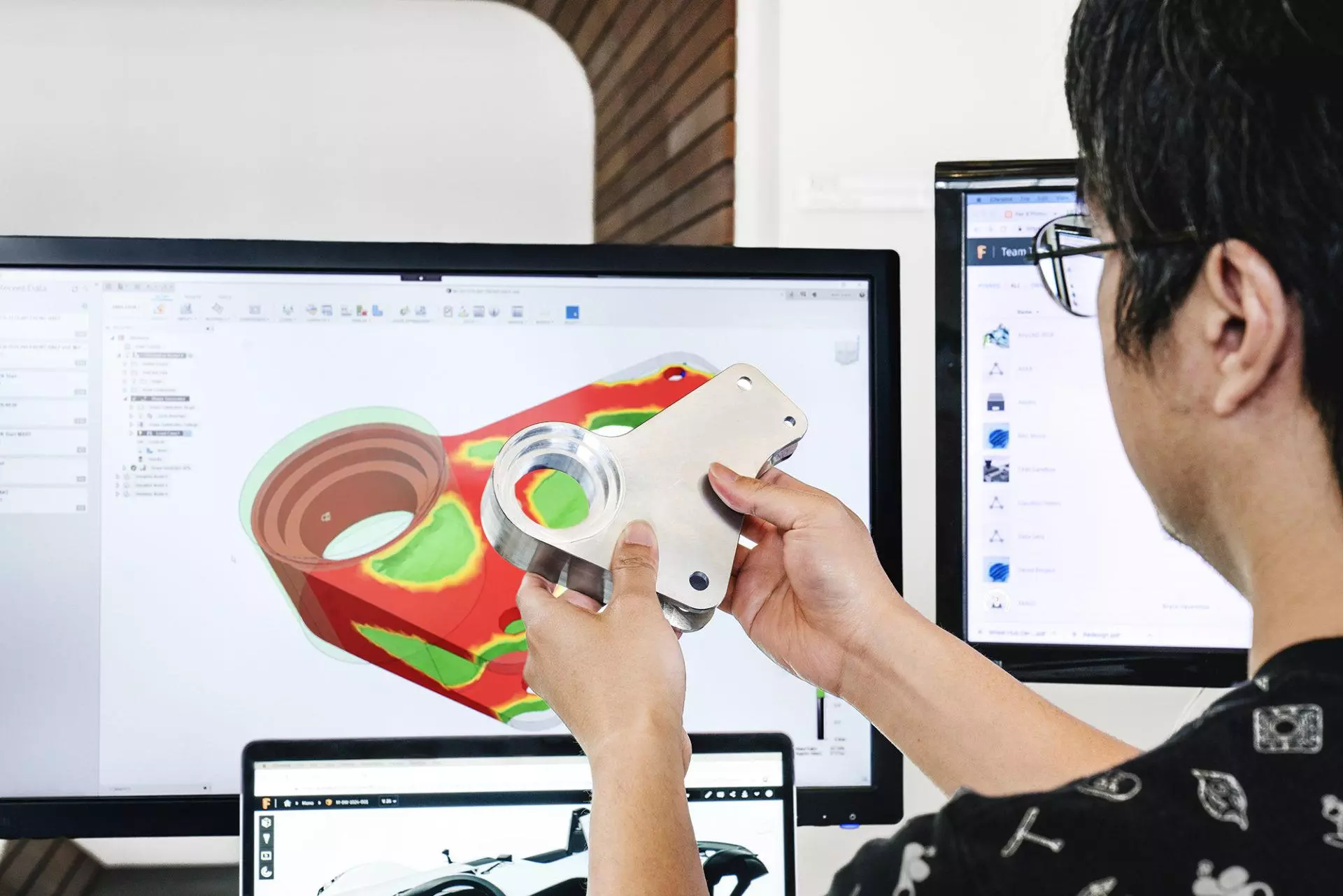
Before prototype machining begins, our engineering team reviews customer designs, drawings, and part requirements to identify potential machining considerations.

The review process focuses on part geometry, feature accessibility, assembly requirements, and manufacturing feasibility. When design adjustments may improve machinability or reduce unnecessary machining challenges, feedback can be provided before production.

This engineering support helps customers refine prototype designs and prepare parts for CNC machining and future manufacturing requirements.

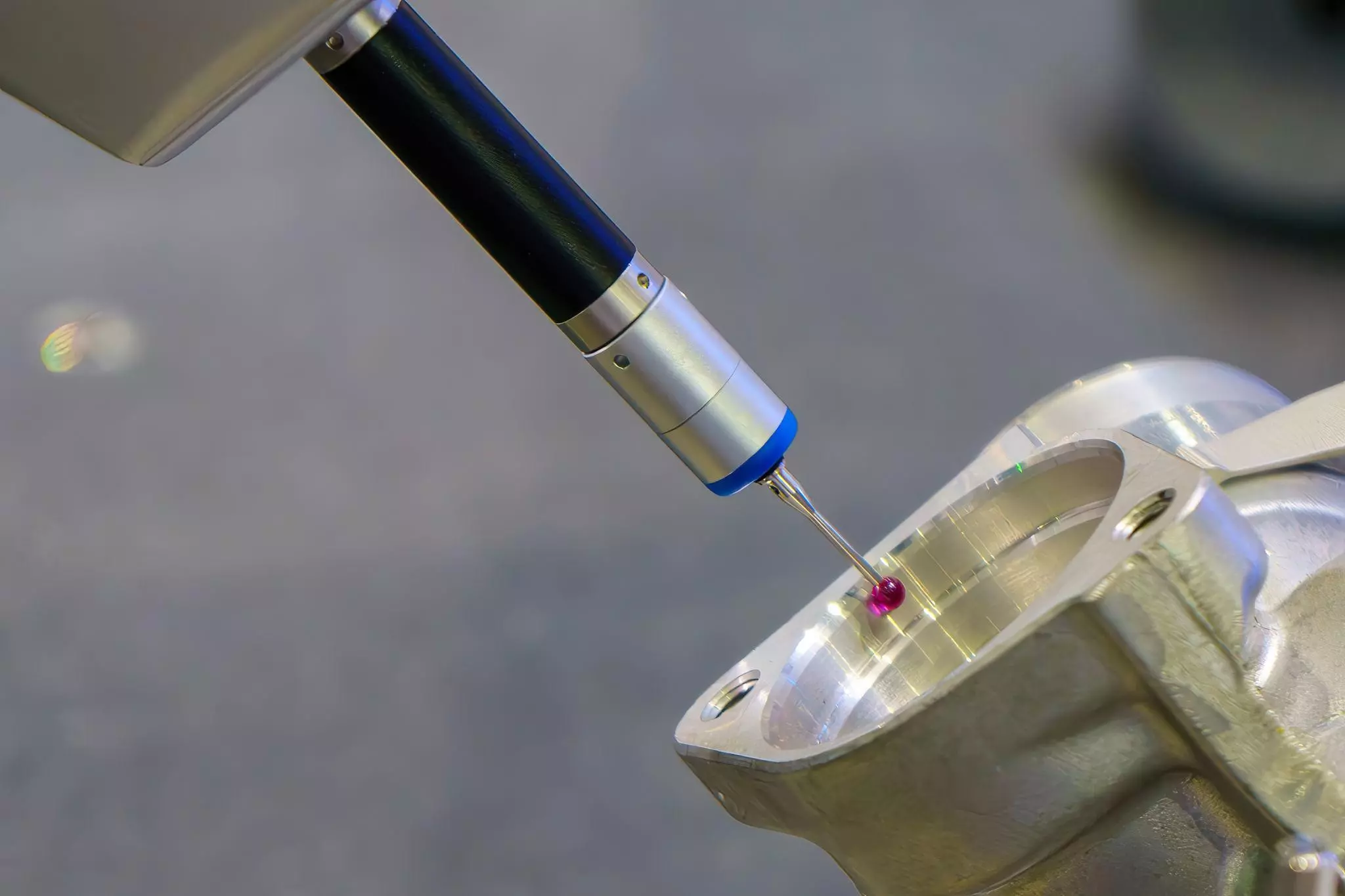
How CMM Inspection Works

Prototype Testing and Quality Verification

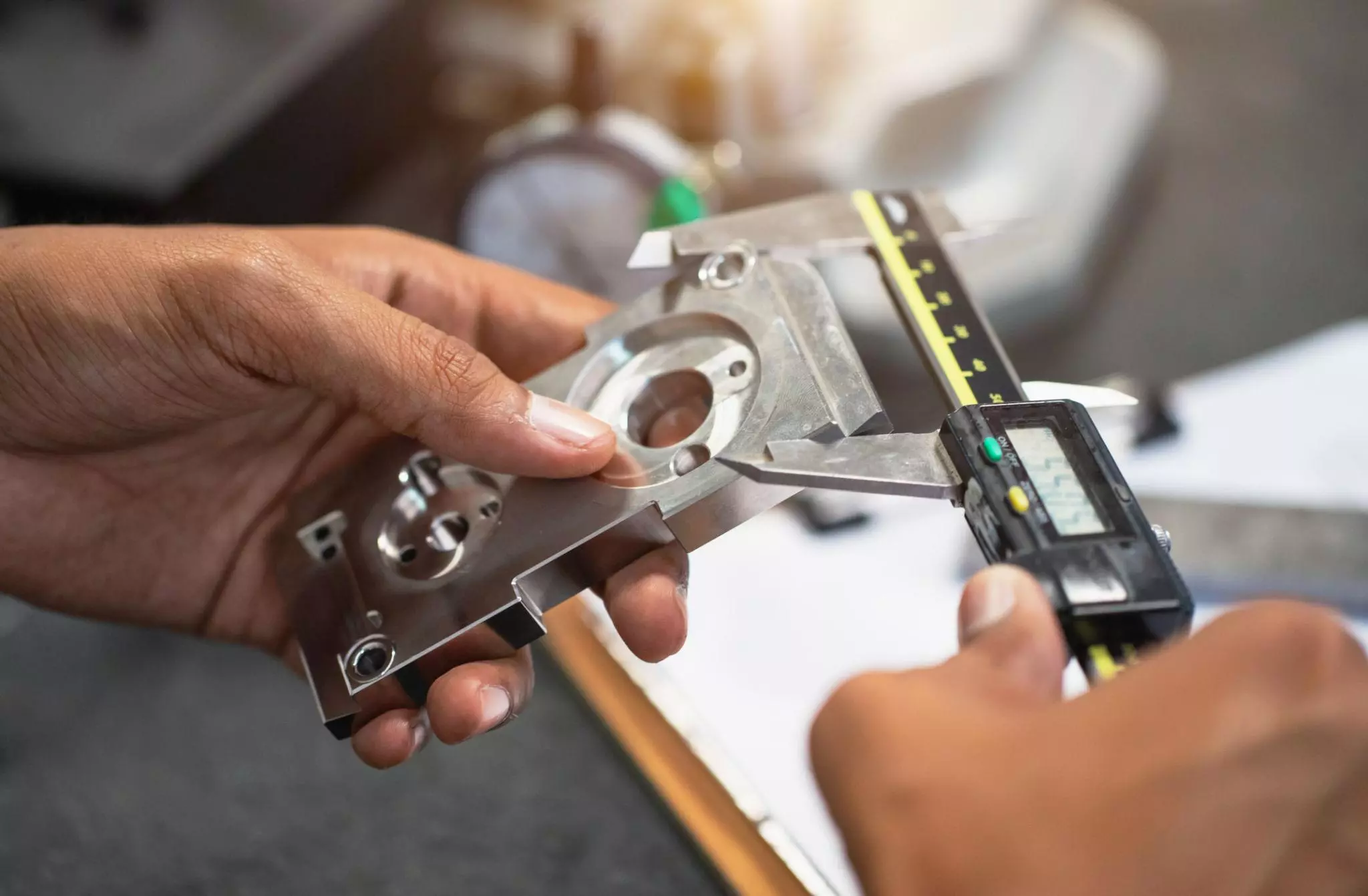
Prototype parts often require dimensional verification before functional testing, assembly evaluation, or further production. Our CNC prototyping services include inspection processes to check critical features, key dimensions, and part requirements based on engineering drawings.

Dimensional inspection using CMM inspection helps verify complex features and critical measurements that require accurate evaluation. Inspection results can be used to confirm whether machined prototypes meet the specified requirements before moving to the next development stage.

Quality verification is integrated into the prototype manufacturing process to help identify potential issues and support design validation.

From CNC Prototype Development to Production Manufacturing

After prototype testing and design approval, many projects move into low-volume production or repeat manufacturing. Keeping the same machining partner during this stage helps maintain consistency when design updates, process adjustments, or production requirements are introduced.

Our CNC machining services support the move from prototype parts to low volume CNC machining, allowing approved designs to continue into the next manufacturing stage with established machining requirements and production knowledge.

For projects requiring ongoing part production, CNC manufacturing processes can be adapted to meet changing production volumes and manufacturing needs.

FAQ

Frequently Asked Questions About CNC Prototyping Services

Selecting the right CNC prototyping supplier involves more than machining the part itself. Customers also need to understand material options, production quantities, quality verification, and the path from prototype development to future manufacturing. The following FAQs address common questions during the CNC prototype process.

Custom CNC Prototyping Services-cnc milling machining

To start a CNC prototype project, customers can provide 3D CAD files, engineering drawings, and any specific requirements related to dimensions, materials, surface finishes, or inspection needs. These details help determine the appropriate machining process and production requirements.

Yes. Our CNC prototyping services support parts with complex geometries, multiple features, and demanding design requirements. Multi-axis machining processes can be used when parts require machining from different orientations or include difficult-to-access features.

CNC prototypes can be machined from a wide range of materials, including aluminum, stainless steel, carbon steel, brass, copper, titanium, and engineering plastics. Material selection depends on the intended application, functional requirements, and final product considerations.

CNC prototyping services are suitable for single prototype parts as well as small quantities for design verification, testing, and early production requirements. The appropriate quantity depends on project requirements and manufacturing needs.

Yes. CNC machined prototypes are commonly used for functional testing, assembly checks, and design validation because they are produced using production-grade machining processes and materials.

Yes. Surface finishing options are available for CNC prototype parts, including anodizing, bead blasting, polishing, and other finishing processes. The suitable finish depends on appearance requirements, surface conditions, and application needs.

Yes. After prototype evaluation and design approval, CNC prototype parts can transition into low volume CNC machining when additional quantities are required. This allows updated designs and manufacturing requirements to continue with an established machining process.

Prototype parts are inspected according to engineering requirements and critical dimensions. Inspection methods may include dimensional measurement and CMM inspection for features requiring accurate verification.