
Carbon Steel Fabrication Services
Custom Carbon Steel Fabrication for Precision Components
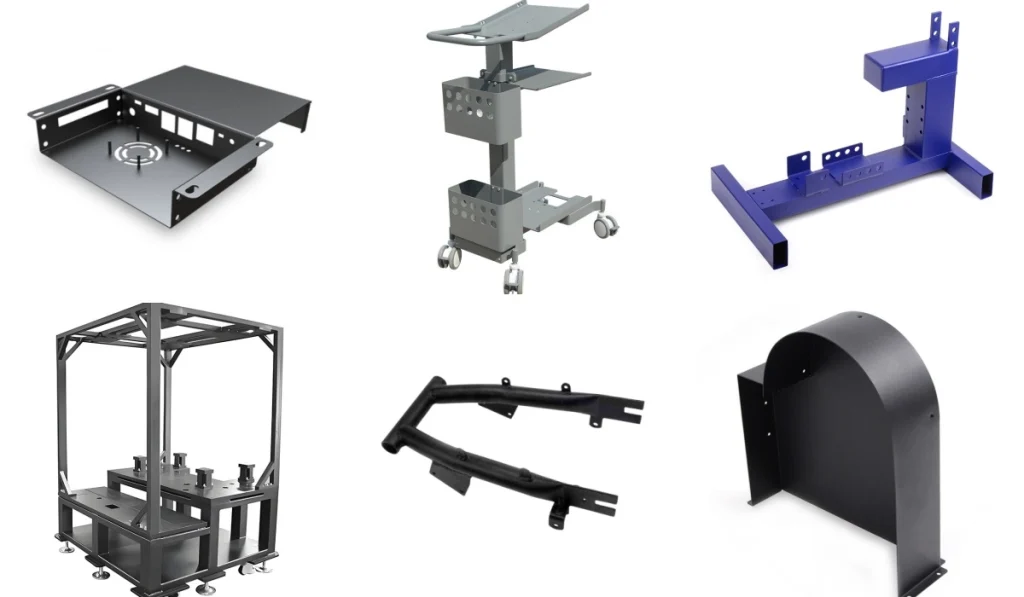
MS Machining
What Is Carbon Steel Fabrication?
Carbon steel fabrication is the process of converting carbon steel materials into finished parts or assemblies through a combination of manufacturing processes. Depending on the part design and application requirements, different fabrication methods may be used to achieve the required dimensions, shape, and functionality.
Typical carbon steel fabrication processes include:
- CNC Machining – Produces precise features, holes, threads, and complex geometries.
- Cutting – Shapes raw material using processes such as laser cutting, plasma cutting, or sawing.
- Forming – Bends or shapes carbon steel into the required profile without removing material.
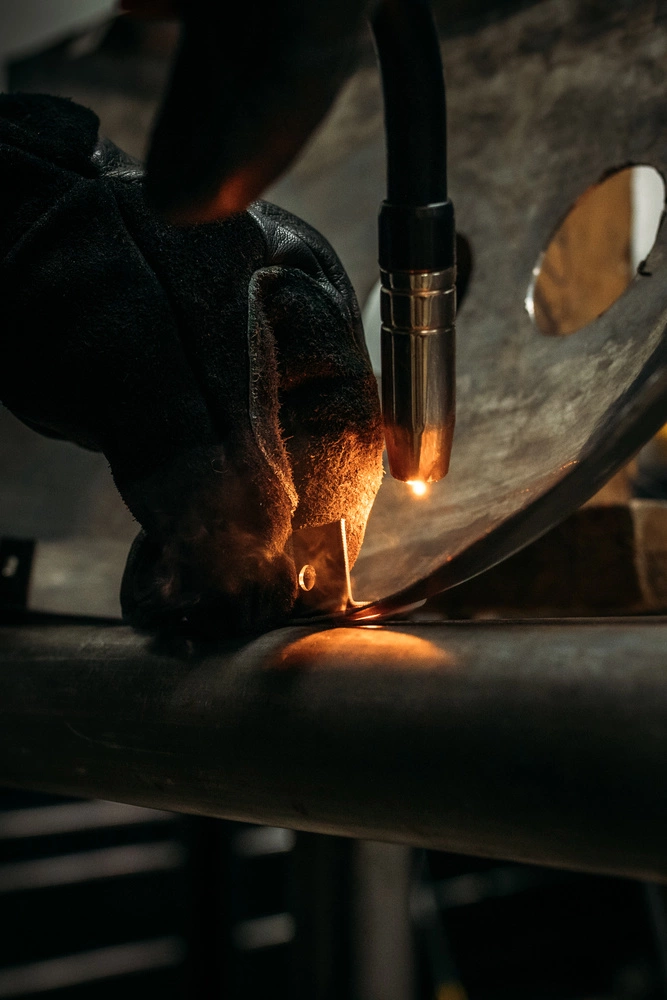
- Welding – Joins multiple components into a single structure or assembly.
- Drilling – Creates holes for fasteners, assembly, or additional machining operations.
- Surface Finishing – Applies treatments such as painting, powder coating, plating, or sandblasting to meet appearance or performance requirements.
- Assembly – Combines fabricated and machined components into a completed product when required.
MS Machining
Why Choose Carbon Steel for Fabrication?
Carbon steel is commonly selected for fabricated parts that require a combination of strength, machinability, and cost control. It is suitable for projects where parts need to be cut, formed, welded, machined, and finished according to specific design requirements.
Suitable for Strong and Durable Parts
Carbon steel is often used for components that need to handle mechanical loads, impact, or repeated operation, such as brackets, base plates, frames, supports, and machine parts.
Works Well with Multiple Manufacturing Processes
Carbon steel can be processed through cutting, bending, welding, drilling, and CNC machining. This makes it suitable for parts that require both fabrication work and precision machining features.
A Practical Option for Cost Control
For applications that do not require stainless steel corrosion resistance, carbon steel can provide the required mechanical properties while helping manage material costs.
Available in Different Grades and Forms
Carbon steel is available in various grades, thicknesses, and forms, including plates, sheets, bars, and tubes. This allows material selection based on part design and fabrication requirements.
Supports Different Surface Protection Methods
Carbon steel parts can be finished with coatings or treatments such as powder coating, painting, zinc plating, and black oxide to improve corrosion protection and surface appearance.
Carbon Steel Grades We Support
Carbon steel is available in different grades, each with different mechanical properties, machinability, and application considerations. The right grade depends on factors such as part function, required strength, machining requirements, and fabrication process.
MS Machining
Carbon Steel Fabrication Capabilities
Our carbon steel fabrication capabilities include CNC machining, cutting, forming, welding, and finishing processes for custom parts and assemblies. We combine different manufacturing methods to produce components based on part design, material requirements, and production needs.
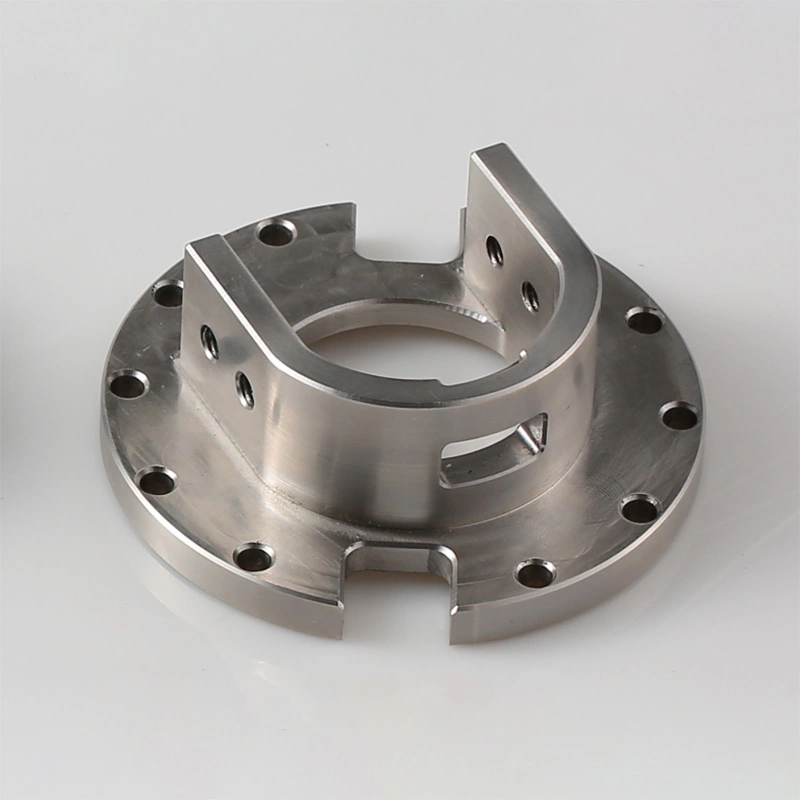
- CNC Milling & Turning---CNC milling and turning are used to produce carbon steel parts with machined features such as holes, threads, slots, and precision surfaces. These processes are often combined with fabrication work for components requiring tighter dimensional control.
- Laser Cutting & Forming---Laser cutting and forming allow carbon steel sheets and plates to be shaped into brackets, plates, frames, and other fabricated components according to design requirements.
- Welding & Assembly---Welding and assembly are available for carbon steel structures and multi-component parts that require joining, modification, or integration before final processing.
- Surface Finishing---Carbon steel parts can be finished with options such as powder coating, painting, plating, and other surface treatments based on application requirements.
MS Machining
Carbon Steel Fabrication Capabilities
Our carbon steel fabrication capabilities include CNC machining, cutting, forming, welding, and finishing processes for custom parts and assemblies. We combine different manufacturing methods to produce components based on part design, material requirements, and production needs.
- CNC Milling & Turning---CNC milling and turning are used to produce carbon steel parts with machined features such as holes, threads, slots, and precision surfaces. These processes are often combined with fabrication work for components requiring tighter dimensional control.
- Laser Cutting & Forming---Laser cutting and forming allow carbon steel sheets and plates to be shaped into brackets, plates, frames, and other fabricated components according to design requirements.
- Welding & Assembly---Welding and assembly are available for carbon steel structures and multi-component parts that require joining, modification, or integration before final processing.
- Surface Finishing---Carbon steel parts can be finished with options such as powder coating, painting, plating, and other surface treatments based on application requirements.
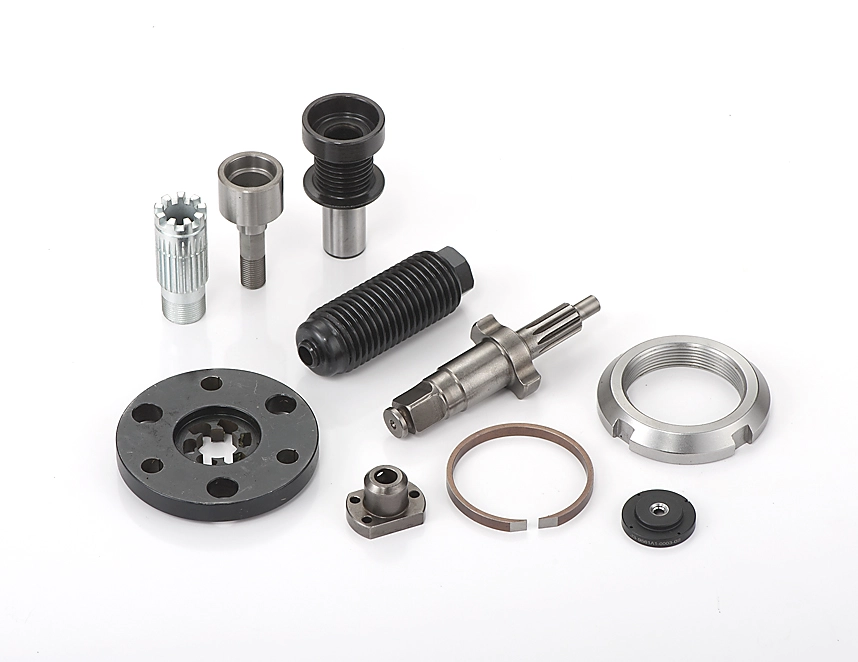
MS Machining
Typical Carbon Steel Fabricated Parts
From simple machined components to welded structures, carbon steel parts can be produced through a combination of fabrication and CNC machining processes. We support custom components that require cutting, welding, machining, and finishing based on engineering drawings and project requirements.
- Precision Machined Carbon Steel Components---Parts such as shafts, bushings, flanges, and mounting plates are CNC machined to achieve accurate dimensions, holes, threads, and functional surfaces.
- Welded Carbon Steel Assemblies---Custom welded assemblies combine multiple carbon steel components into frames, supports, brackets, and equipment structures.
- Machine Bases and Frames---Carbon steel frames and base structures are fabricated for equipment mounting, structural support, and mechanical integration.
- Custom Brackets and Mounting ComponentsCustom Brackets and Mounting Components---Carbon steel brackets, plates, and supports are produced for installation, alignment, and connection requirements.
- Heavy-Duty Fabricated Components---Base plates, structural parts, and equipment supports are manufactured for applications requiring strength and stable support.
Frequently Asked Questions
1. How do I choose the right carbon steel grade for my parts?
The suitable carbon steel grade depends on factors such as required strength, machinability, wear resistance, welding requirements, and operating conditions. Common grades such as 1018, 1020, and 1045 are selected based on the specific requirements of the component.
2. Can carbon steel fabricated parts achieve tight dimensional requirements?
Yes. For components requiring accurate dimensions, CNC machining can be added after fabrication processes such as cutting or welding. This allows critical features such as mounting surfaces, holes, and interfaces to be machined according to drawing requirements.
3. What challenges should be considered when fabricating carbon steel parts?
Common considerations include material selection, welding distortion, machining allowance, surface protection, and dimensional control. Reviewing these factors during the manufacturing stage helps reduce potential issues during production and assembly.
4. Can you manufacture carbon steel parts that combine welding and CNC machining?
Yes. Some carbon steel components require welded structures combined with precision-machined features. CNC machining after welding can help achieve required dimensions for assembly areas and functional surfaces.
5. Do you support custom carbon steel parts with complex designs?
Yes. Carbon steel components with custom geometries, machined features, holes, slots, and mounting interfaces can be manufactured based on engineering drawings or CAD models. The manufacturing process is selected according to part requirements.
6. Can you produce small quantities of carbon steel fabricated parts?
Yes. Carbon steel fabrication can support prototype projects, small-batch production, and repeat manufacturing. Production methods can be adjusted depending on part complexity, quantity, and required processes.
7. How can you help prevent quality issues with carbon steel parts?
Quality issues can often be reduced through proper material verification, manufacturing process planning, dimensional inspection, and communication of technical requirements before production. Inspection methods can be selected based on critical part features.
8. What surface protection is recommended for carbon steel parts?
The suitable surface treatment depends on the working environment and application requirements. Options such as black oxide, zinc plating, powder coating, and painting can be considered for improving corrosion resistance or appearance.
9. Can carbon steel fabrication support both structural and precision components?
Yes. Carbon steel is commonly used for both structural components and precision-machined parts. The manufacturing approach depends on whether the priority is strength, dimensional accuracy, assembly requirements, or surface protection.
10. What should I consider before starting a carbon steel fabrication project?
Important factors include material grade, part design, tolerance requirements, production quantity, finishing requirements, and inspection needs. Reviewing these details early helps determine a suitable manufacturing solution.