
Metal Fabrication Materials for Custom Industrial Components
Explore common metal fabrication materials and understand how material properties influence machining processes, surface finishes, and component requirements.
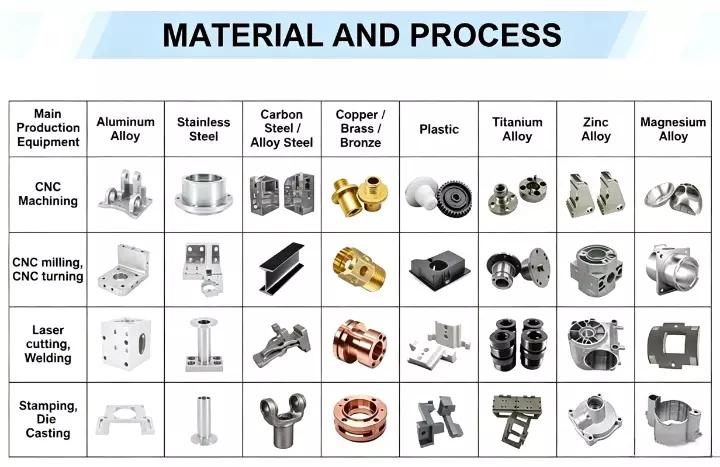
MS Machining
Material Selection for Metal Fabrication Projects
Selecting the right material is an important part of the metal fabrication process. The choice is not based only on material strength, but also on how the part will be used, manufactured, and finished.
Different applications require different material characteristics. A component exposed to outdoor conditions may require corrosion resistance, while a precision machined part may need stable dimensions and good machinability. For production parts, factors such as manufacturing process, quantity requirements, and cost considerations also influence the final material selection.
When evaluating materials for a fabrication project, key factors include part function, operating environment, mechanical requirements, machining methods, surface finishing options, production volume, and budget requirements.
Understanding these factors helps determine whether materials such as aluminum, stainless steel, carbon steel, titanium, brass, copper, or Inconel are suitable for a specific application.
Key Factors in Metal Fabrication Material Selection
Material selection involves evaluating how a material will perform during manufacturing and in its final application. Factors such as strength, machinability, corrosion resistance, and finishing requirements can directly influence the fabrication approach, production process, and overall part requirements.
Metal Fabrication Materials Comparison
Different metals provide different combinations of properties, processing characteristics, and application options. This comparison helps identify common fabrication materials and their typical considerations for industrial components.
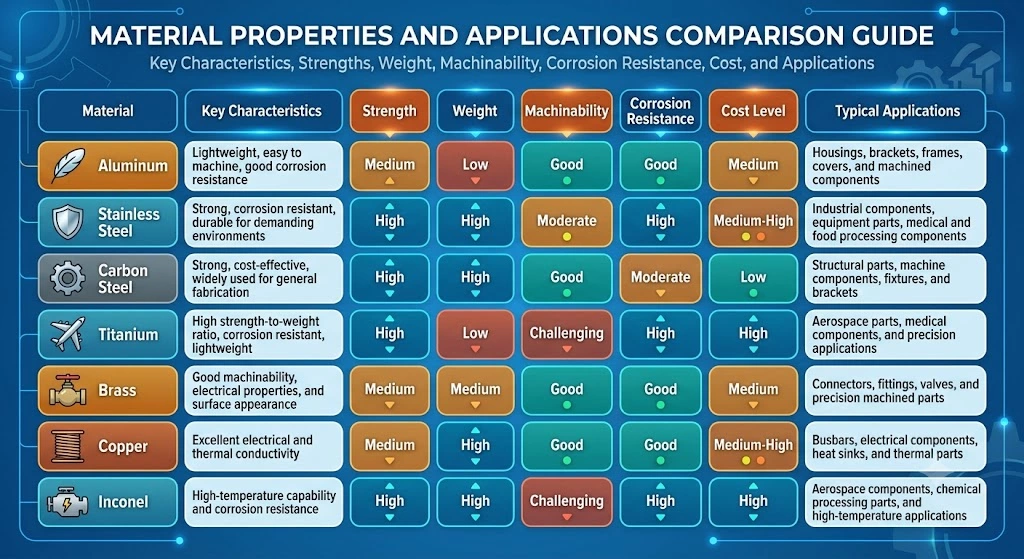
MS Machining
Material Selection Checklist for Metal Fabrication Projects
Before choosing a fabrication material, review the following project requirements to help define suitable material options and manufacturing approaches.
- Part Function---What function will the component serve, and what loads, stresses, or operating conditions will it experience?
- Operating Environment---Will the part be exposed to moisture, chemicals, temperature changes, outdoor conditions, or other environmental factors?
- Material Requirements---Are there specific requirements for strength, weight, corrosion resistance, thermal properties, or electrical conductivity?
- Manufacturing Process---Will the component be CNC machined, welded, formed, or produced using a combination of fabrication methods?
- Surface Finish Requirements---Are finishing processes such as anodizing, coating, polishing, or plating required after fabrication?
- Production Quantity---Is the project intended for prototyping, low-volume production, or larger production quantities?
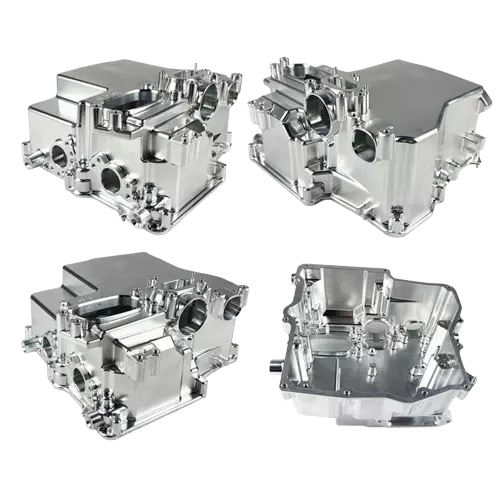
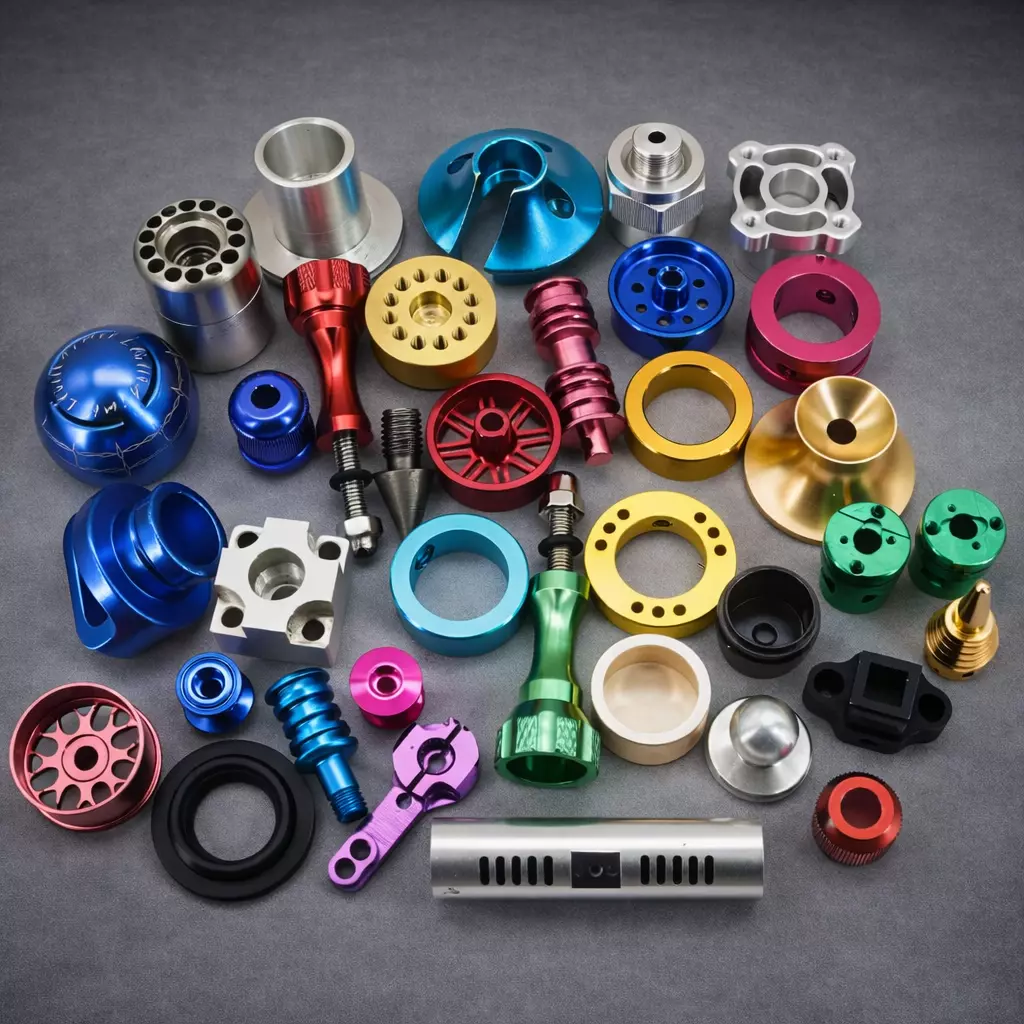
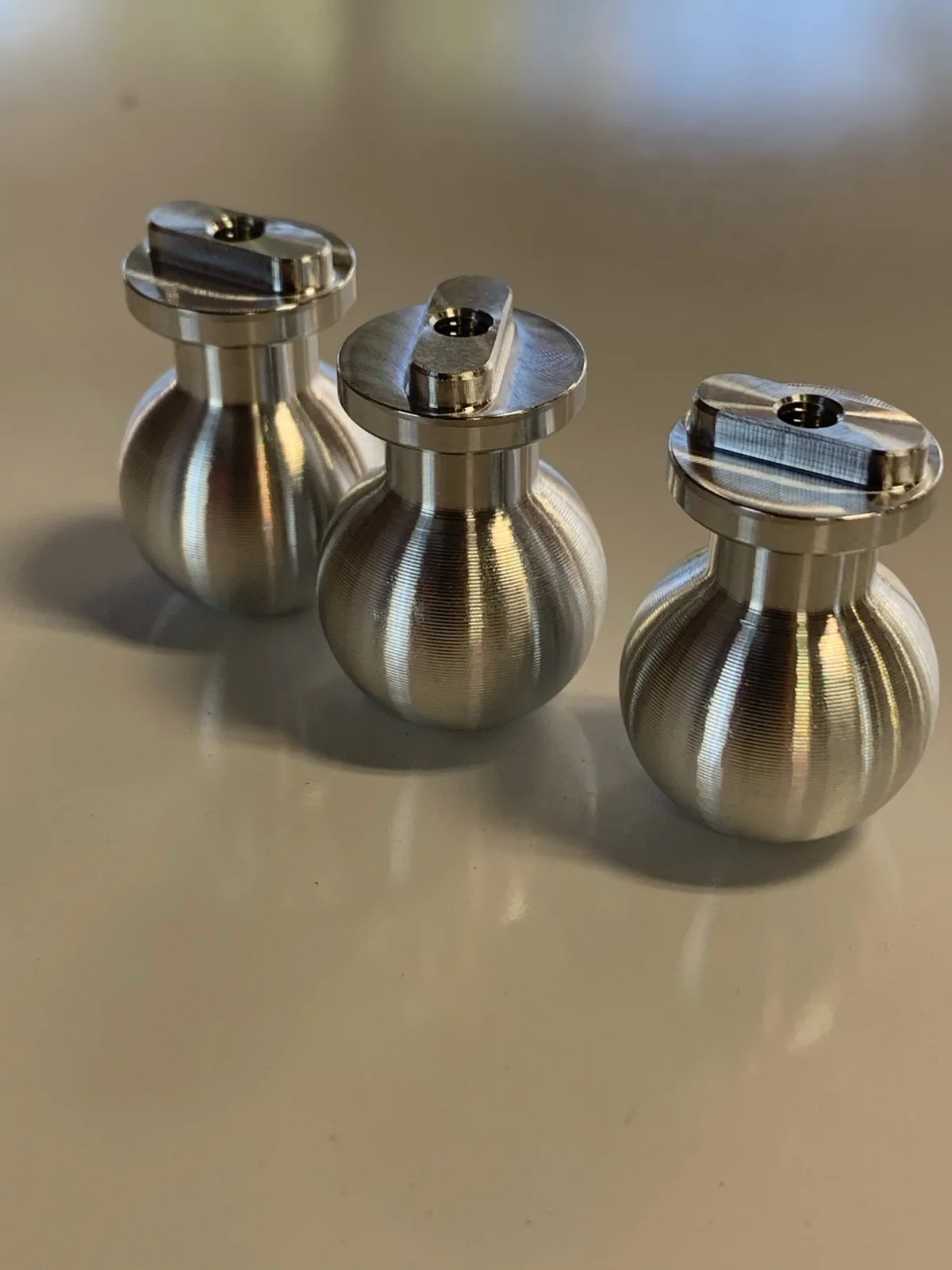
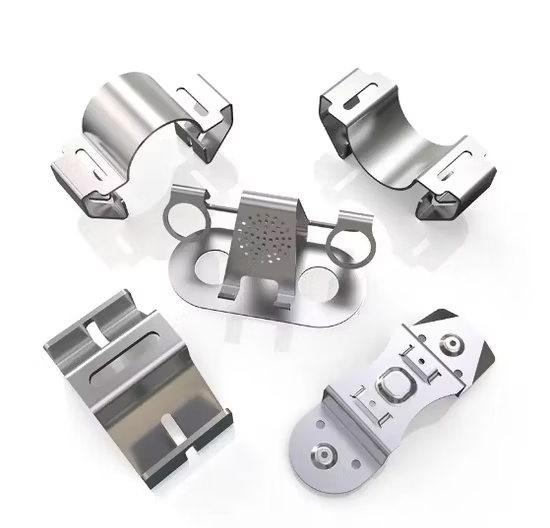
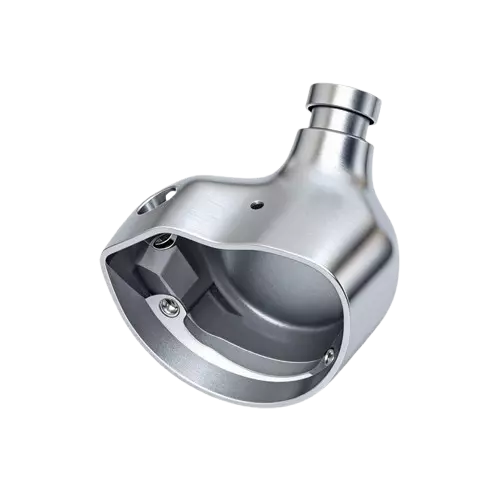
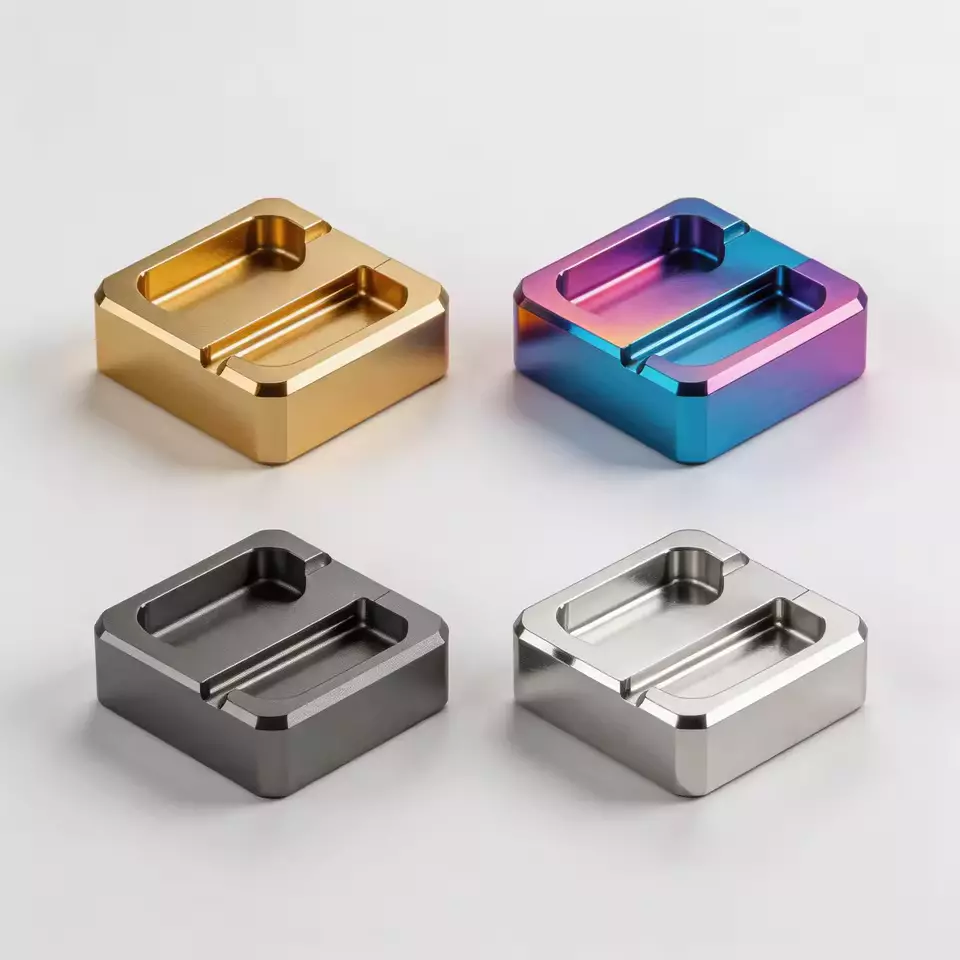
MS Machining
Metal Fabrication Materials Guide
Explore detailed guides for commonly used metal fabrication materials, including their characteristics, fabrication methods, machining considerations, and typical applications. Each material guide provides additional information to help evaluate material options for different component requirements.
Aluminum Fabrication
Learn about aluminum alloys, fabrication processes, machining considerations, and common applications for aluminum components.
Explore Aluminum Fabrication →
Stainless Steel Fabrication
Explore stainless steel grades, fabrication methods, and manufacturing considerations for industrial components and assemblies.
Explore Stainless Steel Fabrication →
Carbon Steel Fabrication
Understand carbon steel grades, fabrication options, and typical uses for structural and industrial components.
Explore Carbon Steel Fabrication →
Titanium Fabrication
Review titanium grades, machining considerations, and fabrication requirements for components where weight, strength, and corrosion resistance are important factors.
Explore Titanium Fabrication →
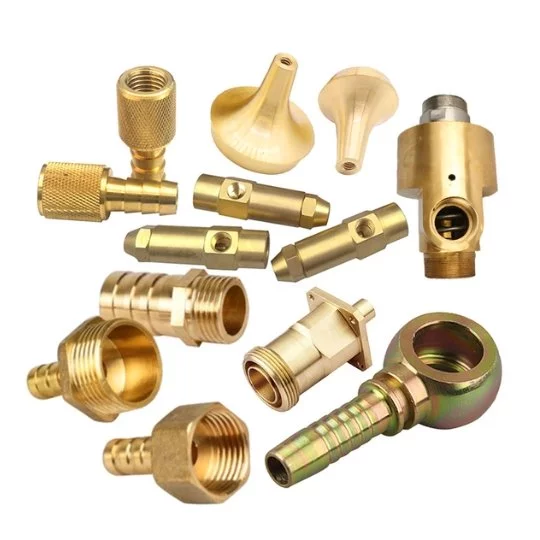
Brass Fabrication
Learn about brass alloys, machining characteristics, and applications for precision components, connectors, and fittings.
Copper Fabrication
Explore copper grades, fabrication methods, and manufacturing considerations for electrical and thermal components.
Inconel Fabrication
Learn about Inconel alloys, machining considerations, and fabrication requirements for components used in elevated-temperature and corrosion-related applications.
MS Machining
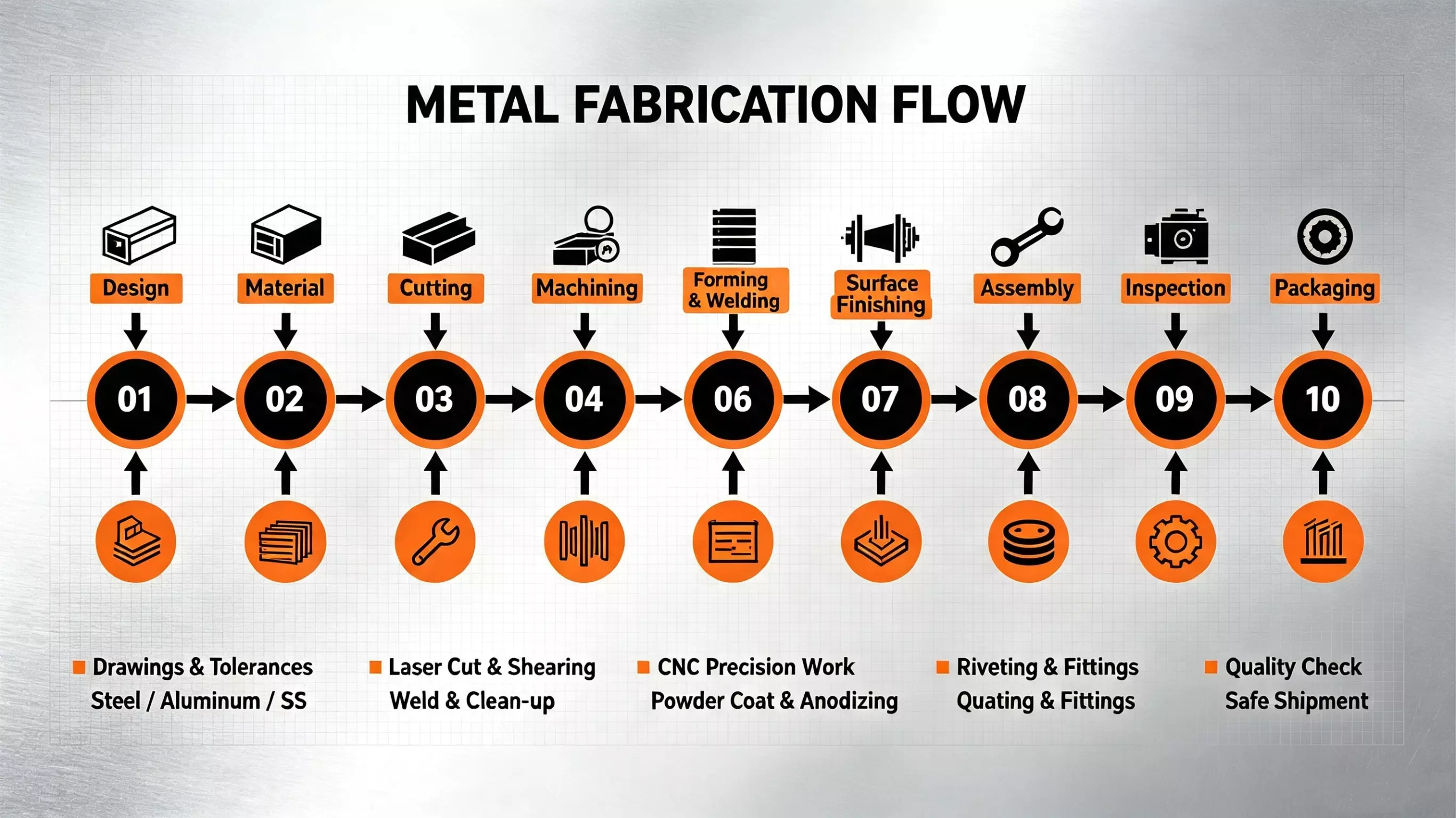
Fabrication Processes for Metal Materials
The fabrication process used for a metal component depends on material characteristics, part design, production requirements, and application needs. Different materials may require different approaches throughout the manufacturing process, from initial material preparation to final finishing.
- Material Preparation and Cutting---The fabrication process often begins with preparing raw materials into the required shapes and sizes. Cutting methods such as laser cutting, waterjet cutting, and sawing are selected based on material type, thickness, geometry, and production requirements.
- Machining---Machining processes such as CNC milling and CNC turning are used to create precise features, holes, threads, and complex geometries. Material properties such as hardness, machinability, and thermal characteristics influence machining conditions and process planning.
- Forming---Forming processes reshape metal through methods such as bending, pressing, or rolling. Material ductility, thickness, and part geometry are important considerations when determining suitable forming approaches.
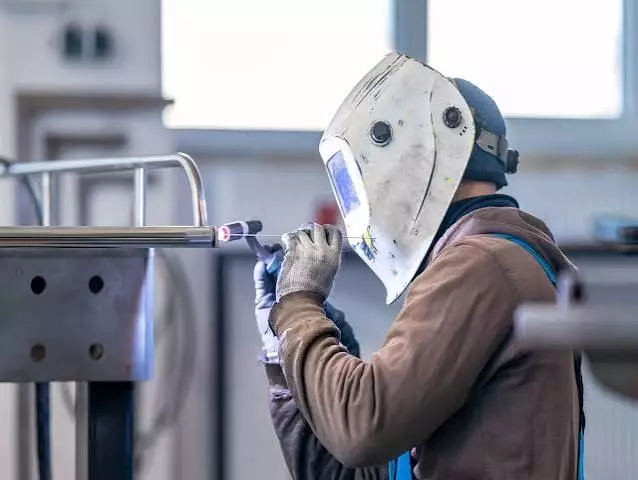
- Welding and Assembly---Welding and joining processes are used when multiple components need to be combined into a finished assembly. Material compatibility, joint design, and application requirements influence the selection of joining methods.
- Surface Finishing---Surface finishing is often applied after fabrication to achieve required surface conditions, appearance, or protection characteristics. Options such as anodizing, coating, polishing, and plating depend on the material type and application requirements.
MS Machining
Engineering Review for Fabrication Projects
Material selection is only one part of a successful fabrication project. Before manufacturing, reviewing drawings, specifications, and production requirements helps ensure the selected material and fabrication approach align with the project needs.
- Drawing and Specification Review---Review part drawings, 3D models, material specifications, tolerances, and technical requirements before production.
- Material and Process Review---Evaluate whether the selected material and fabrication methods are suitable for the component requirements and manufacturing conditions.
- Prototype and Production Planning---Support prototype development and production projects by reviewing quantities, inspection requirements, and manufacturing considerations.
FAQ
Can I request fabrication using a specific material grade?
Yes. If your project requires a specific material grade or specification, you can provide the required details during project review. The material requirements will be considered together with part design, manufacturing requirements, and application conditions.
Do you support alternative material suggestions for fabrication projects?
If the specified material is unavailable or there are concerns regarding manufacturing feasibility, alternative options can be reviewed based on the required properties, application requirements, and fabrication considerations.
Can you work with customer-supplied material specifications?
Yes. Customer-provided material specifications, standards, or grade requirements can be reviewed as part of the project requirements before manufacturing.
Do you provide material certifications for fabricated parts?
Material documentation requirements can be discussed based on project needs. If certification or traceability documentation is required, this can be reviewed before production.
Can the same component be fabricated using different materials?
In some cases, multiple materials may be suitable for the same component depending on performance requirements, manufacturing considerations, and application conditions. Material alternatives should be evaluated based on the specific project requirements.
What happens if I do not know the exact material grade for my part?
You can provide available information such as drawings, application details, operating conditions, or required performance characteristics. The project requirements can then be reviewed to determine suitable material options.
Can you support custom materials or less common alloys?
Projects involving less common materials or specialty alloys can be reviewed based on material availability, fabrication requirements, and manufacturing considerations.