
Custom Stainless Steel Fabrication Services
Stainless steel fabrication services for custom components, including CNC machining, sheet metal fabrication, welding, finishing, and inspection.
Our Service
What Is Stainless Steel Fabrication?
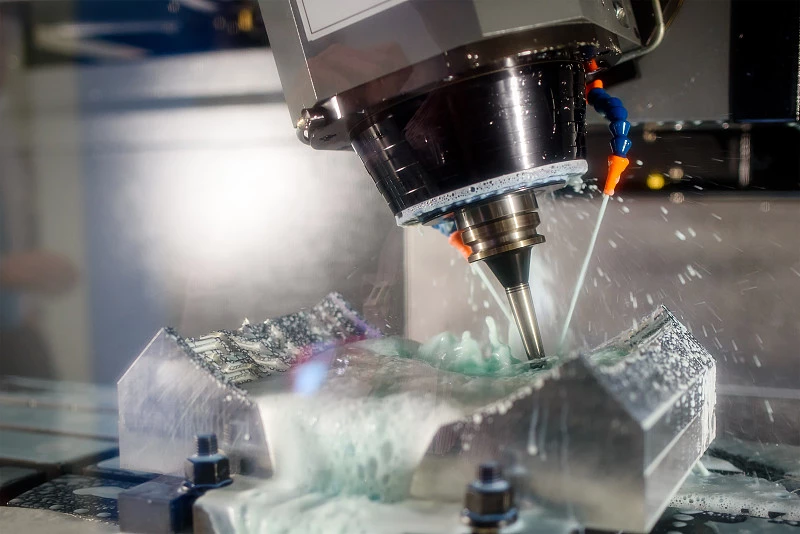
Stainless steel fabrication is the process of manufacturing stainless steel materials into custom components through one or more production methods. The manufacturing process is determined by the part design, material specification, dimensional requirements, and production quantity.
Depending on the application, stainless steel fabrication may include CNC machining, sheet metal fabrication, laser cutting, bending, welding, assembly, surface finishing, and inspection. Different manufacturing methods are often combined to produce the required features and dimensions.
The process typically starts with stainless steel sheet, plate, bar, tube, or other raw material forms. After the required manufacturing operations are completed, parts may undergo surface finishing and dimensional inspection before delivery.
Stainless steel fabrication can support both prototype and production manufacturing for components used across a range of industrial applications.
Learn more about metal fabrication materials and material selection considerations.
Our Service
Why Choose Stainless Steel for Fabrication?
Stainless steel is widely used for fabricated components because it combines corrosion resistance, mechanical strength, and compatibility with a range of manufacturing processes. Different grades can be selected according to the application, operating environment, and production requirements.
- Corrosion Resistance---Many stainless steel grades are suitable for applications exposed to moisture, chemicals, or outdoor environments, helping reduce the effects of corrosion during service.
- Mechanical Strength---Stainless steel is used for components that require structural support or load-bearing capability across a range of industrial applications.
- Heat Resistance---Some stainless steel grades retain their material properties at elevated temperatures, making them suitable for heat-related operating conditions.
- Surface Suitable for Clean Environments---The smooth surface of stainless steel is commonly used for components in food processing, medical, laboratory, and pharmaceutical equipment where regular cleaning is required.
- Service Life---Depending on the material grade and operating conditions, stainless steel components are often selected for applications that require extended use.
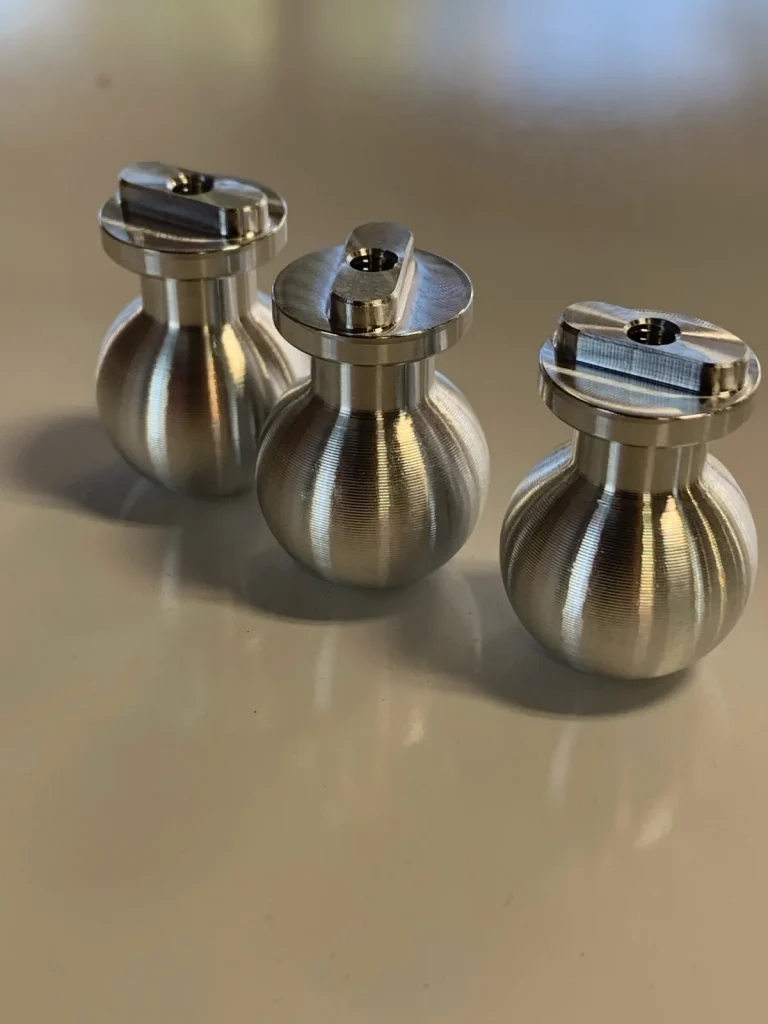
- Surface Appearance---Stainless steel has a metallic finish and can be processed with polishing, brushing, bead blasting, and other surface finishing methods to achieve different surface textures.
Stainless Steel Material Selection Guide
Stainless steel grade selection depends on factors such as material properties, machining requirements, operating conditions, and part design. The following grades are commonly used for custom fabricated and CNC machined components.
Every stainless steel fabrication project has different manufacturing requirements. Material grade, part geometry, production quantity, and drawing specifications all influence the manufacturing process. Reviewing these factors before production helps determine suitable fabrication methods and inspection requirements.
Material Selection
Material selection is based on the application requirements, operating environment, and manufacturing process. Different stainless steel grades have different machining, welding, and corrosion resistance characteristics, making grade selection an important part of the fabrication process.
Machining & Welding
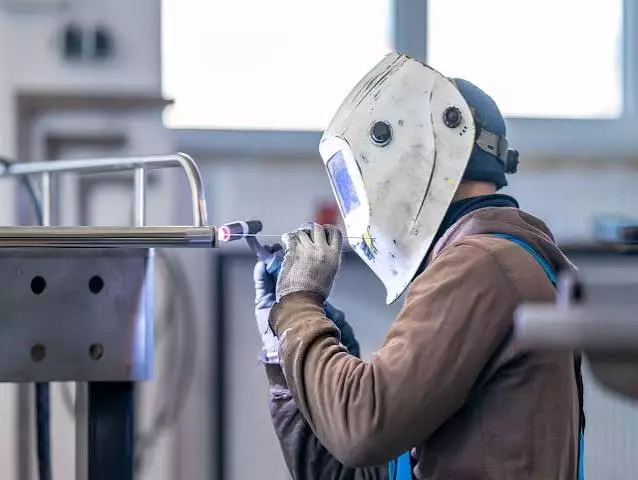
Machining and welding methods are selected according to the part geometry, dimensional requirements, and assembly features. Depending on the material grade and component design, manufacturing parameters and welding processes may vary throughout production.
Surface Finishing
Surface finishing is selected according to the functional and appearance requirements of the finished component. Common finishing options include polishing, brushing, bead blasting, passivation, and electropolishing.
Inspection
Inspection methods are determined by the drawing specifications and critical part features. Depending on the project requirements, dimensional inspection, CMM inspection, material verification, and inspection reports may be included as part of the manufacturing process.
MS Machining
Our Stainless Steel Fabrication Capabilities
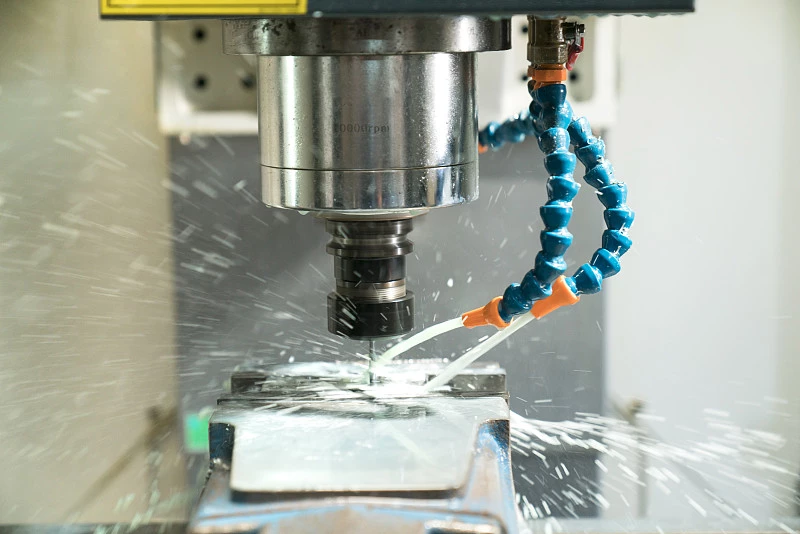
MS Machining supports stainless steel fabrication projects through CNC machining, sheet metal fabrication, laser cutting, welding, and assembly processes. Manufacturing methods are selected according to part design, material requirements, production volume, and application needs.
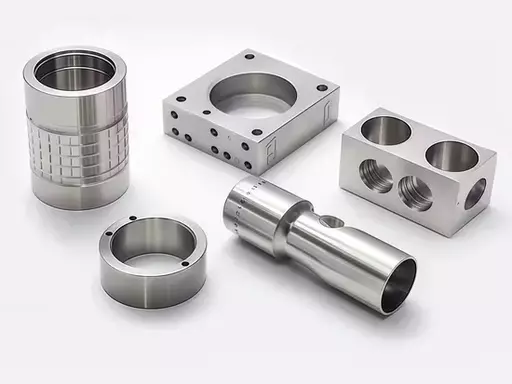
- CNC Milling---Stainless steel milling services for machined components with custom features and complex geometries.
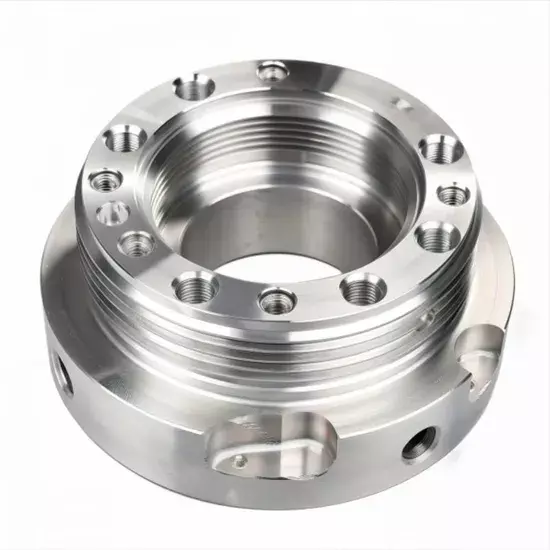
- CNC Turning---CNC turning for stainless steel cylindrical parts, shafts, bushings, and threaded components.
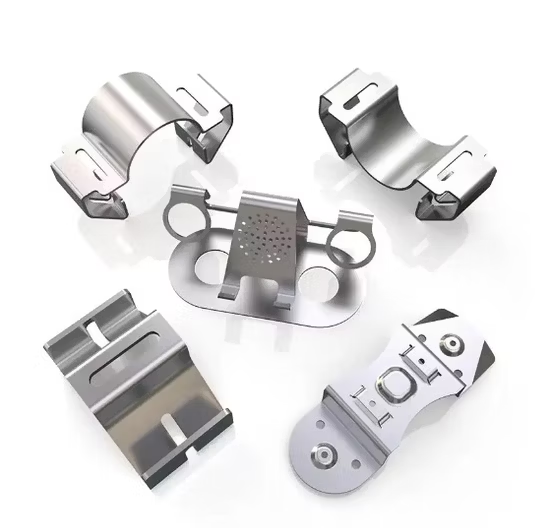
- Sheet Metal Fabrication---Fabrication of stainless steel sheet components through cutting, forming, and assembly processes.
- Laser Cutting---Laser cutting for stainless steel sheets and plates with custom profiles and openings.
- Welding---Stainless steel welding for fabricated assemblies and joined components.
- Assembly---Assembly of fabricated stainless steel components according to project requirements.
MS Machining
Surface Finishing Options for Stainless Steel
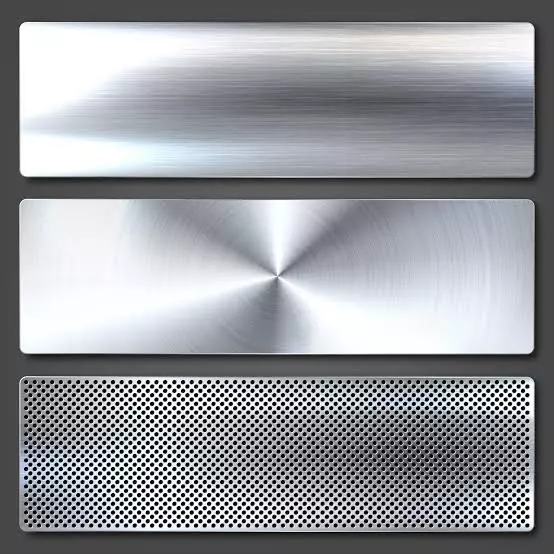
Surface finishing is often selected based on the functional requirements, appearance preferences, and operating environment of stainless steel components. MS Machining supports various finishing options to meet different part specifications and application needs.
Brushed Finish
Characteristics
Brushed finishing creates a directional surface texture by applying a consistent abrasive pattern to stainless steel. It reduces the visibility of minor surface marks and provides a uniform appearance.
Typical Applications
Commonly used for stainless steel enclosures, panels, covers, equipment components, and parts where a consistent surface texture is required.
Mirror Polish
Characteristics
Mirror polishing creates a smooth, reflective surface by progressively refining the stainless steel surface. It is selected when a bright and polished appearance is required.
Typical Applications
Used for decorative components, visible hardware, architectural parts, and applications where surface appearance is an important consideration.
Bead Blasting
Characteristics
Bead blasting uses abrasive media to create a uniform matte texture on stainless steel surfaces. It can also help remove visible machining marks from fabricated components.
Typical Applications
Commonly used for machine parts, housings, enclosures, fixtures, and components requiring a non-reflective surface finish.
Passivation
Characteristics
Passivation is a chemical treatment used to remove free iron contaminants from the stainless steel surface and support the material’s corrosion resistance characteristics.
Typical Applications
Commonly specified for precision machined parts, medical components, food processing equipment, and stainless steel parts used in corrosion-sensitive environments.
Electropolishing
Characteristics
Electropolishing removes a thin layer of material from the stainless steel surface through an electrochemical process, producing a smoother surface finish.
Typical Applications
Used for components requiring smooth surfaces, cleanability, and reduced surface roughness, including medical equipment, laboratory components, and food processing parts.
MS Machining
Custom Stainless Steel Parts We Manufacture
- Stainless Steel Brackets---Custom stainless steel brackets with mounting holes, slots, and connection features for different assembly requirements.
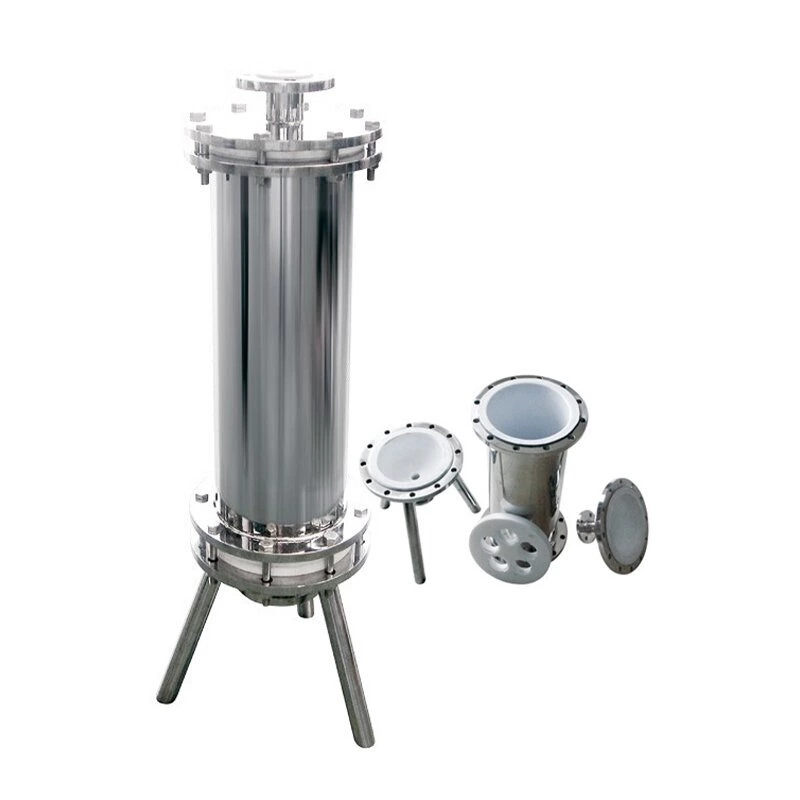
- Valve Components---Stainless steel valve components manufactured according to required dimensions, material specifications, and part drawings.
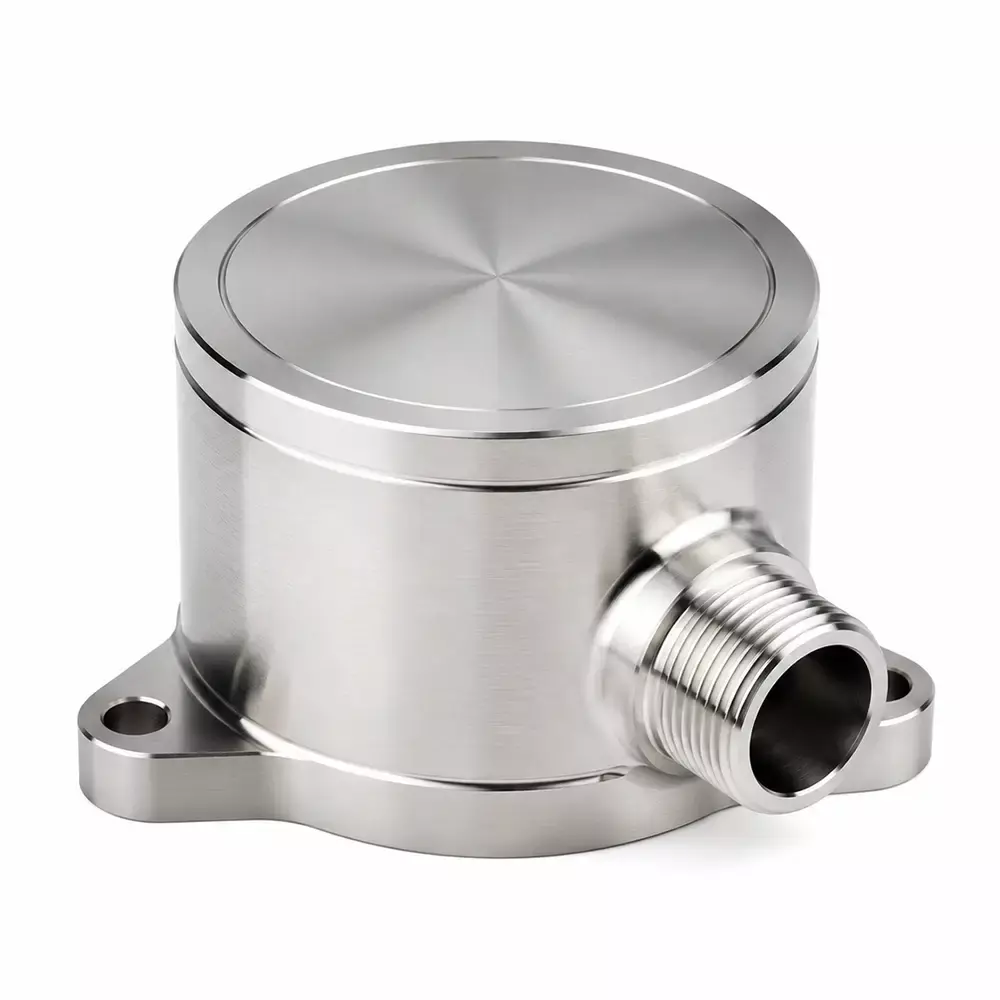
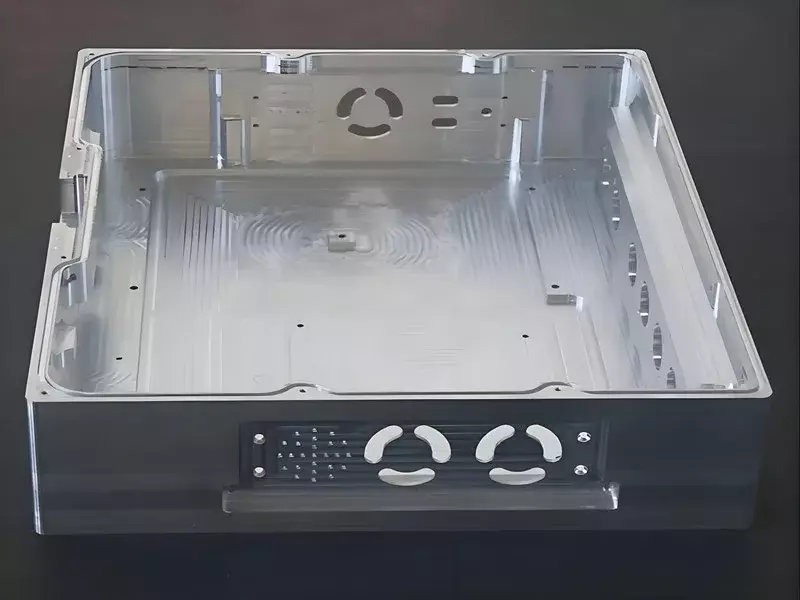
- Stainless Steel Housings---Custom housings with machined features, mounting points, and finishing requirements for component assemblies.
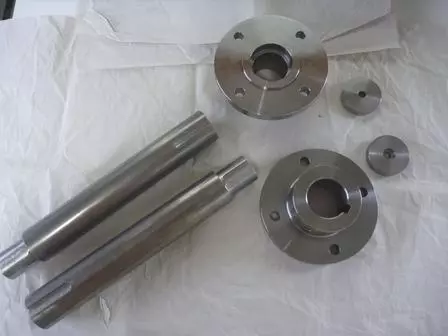
- Machine Components---Custom stainless steel machine components, including shafts, plates, supports, and mechanical parts.
- Stainless Steel Shafts---Precision-machined shafts produced with specified dimensions, surface requirements, and functional features.
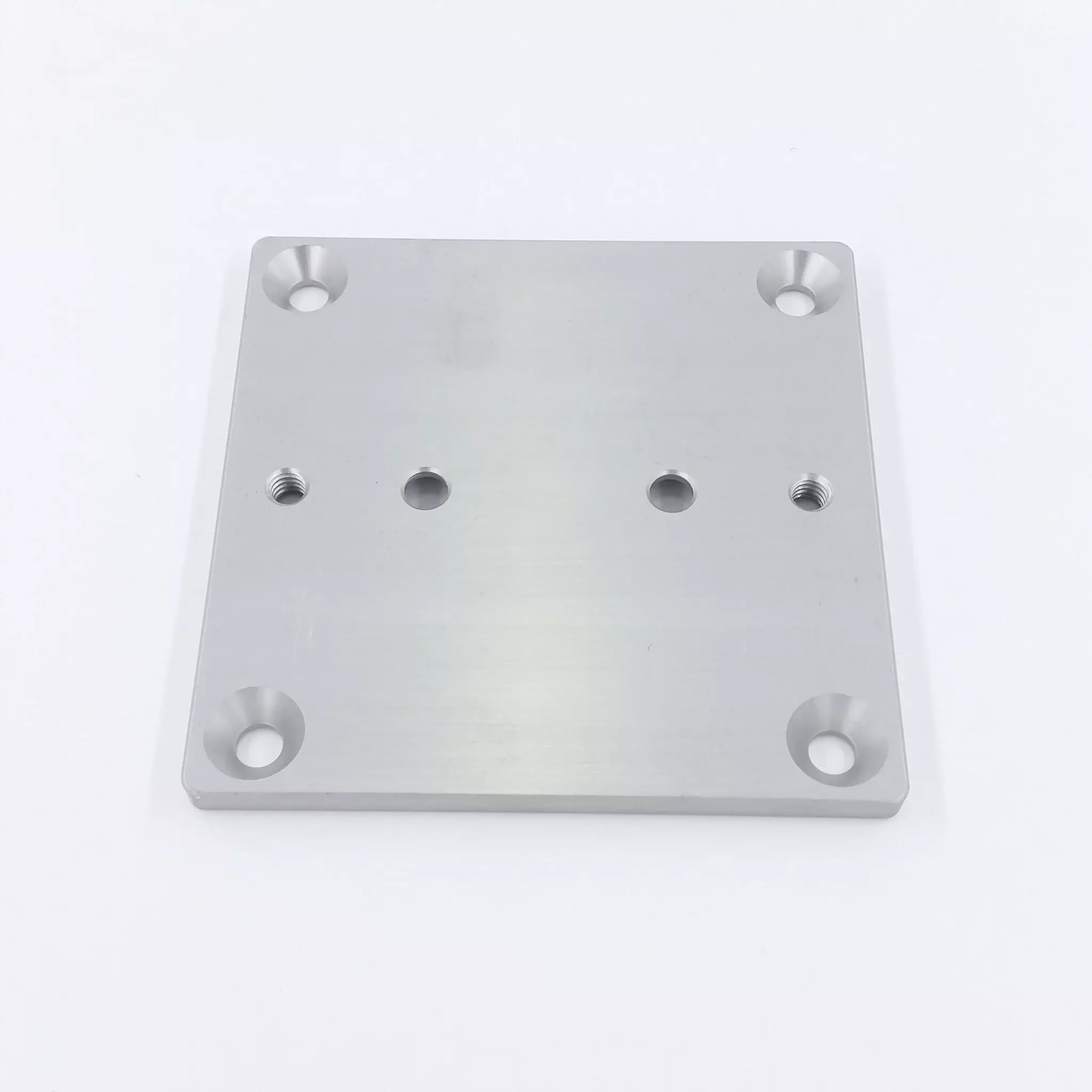
- Mounting Plates---Stainless steel mounting plates with machined holes, slots, and locating features for equipment installation.
- Base Plates---Machined stainless steel base plates with flat surfaces and mounting patterns for equipment assembly.
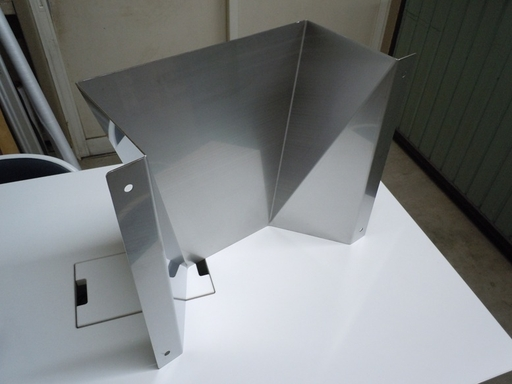
- Enclosures---Custom stainless steel enclosures with openings, cutouts, and mounting features based on design requirements.
- Fixtures---Custom stainless steel fixtures used for positioning, holding, and supporting components during manufacturing or assembly.
- Structural Frames---Fabricated stainless steel frames and welded structures produced according to size and assembly requirements.
- Stainless Steel Fittings---Custom fittings manufactured for connection, mounting, and assembly applications.
- Covers & Panels---Stainless steel covers and panels produced with specified dimensions, openings, and surface finishes.
Frequently Asked Questions About Stainless Steel Fabrication
What factors affect the cost of stainless steel fabrication?
The cost of stainless steel fabrication depends on several factors, including material grade, part complexity, manufacturing processes, tolerances, surface requirements, production volume, and inspection requirements.
Components with complex geometries, tight tolerances, additional machining operations, welding requirements, or special finishes may require more manufacturing time and resources.
Providing complete project information, including CAD files, technical drawings, material specifications, and quantities, helps manufacturers evaluate the requirements and provide a more accurate quotation.
What information is required for a stainless steel fabrication quote?
To prepare an accurate quotation, manufacturers typically require:
- 3D CAD files such as STEP, STP, IGES, or SolidWorks files
- Engineering drawings with dimensions and tolerances
- Stainless steel grade requirements
- Production quantity
- Surface finish specifications
- Inspection or certification requirements
Complete design information helps determine the suitable manufacturing processes, production requirements, and expected lead time before manufacturing begins.
Do you support prototype and production stainless steel fabrication?
Yes, stainless steel fabrication can support prototype development, low-volume production, and larger production orders.
Prototype manufacturing allows engineers to verify part dimensions, assembly requirements, material selection, and functional performance before moving into full production.
For production projects, manufacturing processes can be optimized to improve consistency, repeatability, and quality control across different quantities.
What is the typical lead time for stainless steel fabrication?
The lead time for stainless steel fabrication depends on factors such as part complexity, material availability, production quantity, manufacturing processes, finishing requirements, and inspection needs.
Projects involving precision CNC machining, welded assemblies, special stainless steel grades, or additional documentation may require additional processing time.
Providing complete drawings and project requirements during the quotation stage helps improve production planning and scheduling accuracy.
Can stainless steel fabrication combine CNC machining and welding?
Yes, many stainless steel components require a combination of CNC machining and fabrication processes.
CNC machining can be used to create precision features such as holes, mounting surfaces, threaded areas, and critical dimensions. Welding can be used to create structural assemblies or larger fabricated components.
Combining multiple manufacturing processes allows complex stainless steel parts and assemblies to be produced according to specific design requirements.
Can you manufacture stainless steel parts based on customer drawings?
Yes, custom stainless steel components can be manufactured based on customer-provided CAD models and engineering drawings.
Projects may include:
- Precision machined features
- Custom dimensions
- Threaded holes
- Welded assemblies
- Functional prototypes
- Production components
Design reviews can be performed before manufacturing to evaluate manufacturability, identify potential issues, and select suitable production methods.
What stainless steel certifications and inspection documents are available?
Documentation requirements depend on the application, industry requirements, and project specifications.
Common quality documents may include:
- Material certificates
- Dimensional inspection reports
- CMM inspection reports
- Material verification records
- Compliance documentation
These documents help verify material traceability, dimensional accuracy, and that manufactured components meet specified requirements.
What production quantities can stainless steel fabrication support?
Stainless steel fabrication can support a wide range of production volumes, from single prototypes to repeat production orders.
The most suitable manufacturing approach depends on:
- Part design
- Production quantity
- Required tolerances
- Manufacturing processes
- Quality requirements
Manufacturing methods can be adjusted to balance flexibility, efficiency, and consistency for different project requirements.
Can you manufacture stainless steel assemblies instead of individual parts?
Yes, stainless steel fabrication can include assembly services in addition to individual component manufacturing.
Depending on project requirements, assemblies may include:
- CNC machined components
- Welded structures
- Fabricated sheet metal parts
- Installed hardware
- Finished sub-assemblies
Combining multiple manufacturing steps through one supplier can simplify production coordination and improve project efficiency.
Why choose your stainless steel fabrication services?
Choosing the right stainless steel fabrication partner requires evaluating manufacturing capabilities, quality control processes, engineering support, and production flexibility.
Our stainless steel fabrication services support projects from prototype development to production manufacturing, combining CNC machining capabilities with fabrication processes such as welding, sheet metal fabrication, finishing, and assembly.
Key capabilities include:
- Engineering support and DFM feedback during the design stage
- Experience working with stainless steel materials including 303, 304, 316, and 17-4 PH
- CNC machining and fabrication capabilities for custom components
- Quality inspection and material verification support
- Flexible production options for prototypes, low-volume orders, and production requirements
By combining machining expertise with stainless steel fabrication capabilities, we help customers manufacture reliable components that meet dimensional, functional, and quality requirements.