
Custom Aluminum Fabrication Services
Precision aluminum fabrication services for prototypes and production parts, including cnc machining, sheet metal fabrication, welding, finishing, and assembly.
Metal Fabrication
What Is Aluminum Fabrication?
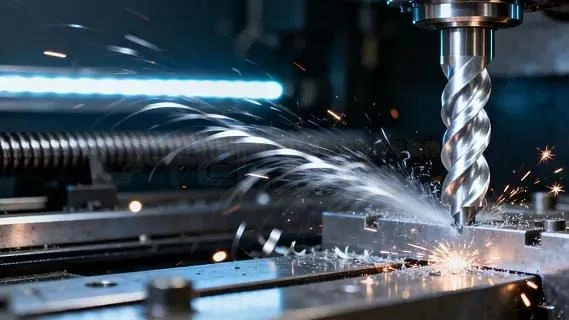
Aluminum fabrication is the process of transforming aluminum materials into finished components through various manufacturing methods. By combining processes such as cutting, CNC machining, forming, welding, assembly, and finishing, manufacturers can produce aluminum parts with specific shapes, dimensions, and performance requirements.
Unlike basic material cutting, aluminum fabrication involves multiple production steps to create precision-engineered components for different applications. The fabrication process can include removing material through CNC machining, reshaping aluminum through forming operations, joining components through welding or assembly, and improving surface properties through finishing treatments.
With its versatility and precision, aluminum fabrication is widely used to manufacture lightweight and durable components for industries such as aerospace, automotive, electronics, industrial equipment, and custom machinery.
Metal Fabrication
Why Choose Aluminum for Fabrication?
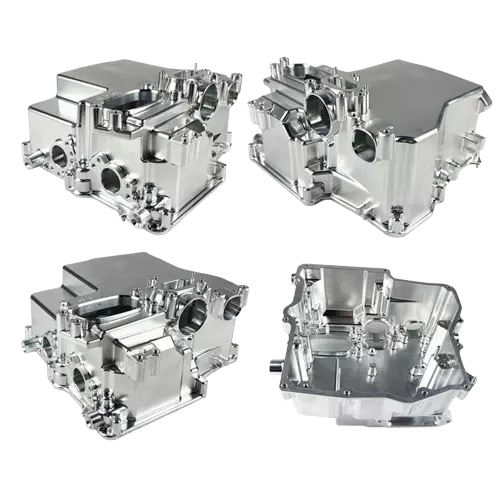
Aluminum is widely used in fabrication because it combines lightweight properties, excellent machinability, corrosion resistance, and strong performance. These advantages make it suitable for producing cost-effective, durable, and precision-engineered components across multiple industries.
- Lightweight
Reduces overall product weight while maintaining structural performance, making aluminum ideal for weight-sensitive applications. - Excellent Machinability
Allows fast and precise CNC machining with efficient production cycles and reduced manufacturing costs. - Corrosion Resistance
Provides long-term durability for outdoor equipment, marine components, and electronic enclosures. - High Strength-to-Weight Ratio
Delivers reliable strength with reduced weight for aerospace and automotive applications. - Thermal Conductivity
Supports efficient heat dissipation in heat sinks and cooling components. - Surface Finish Options
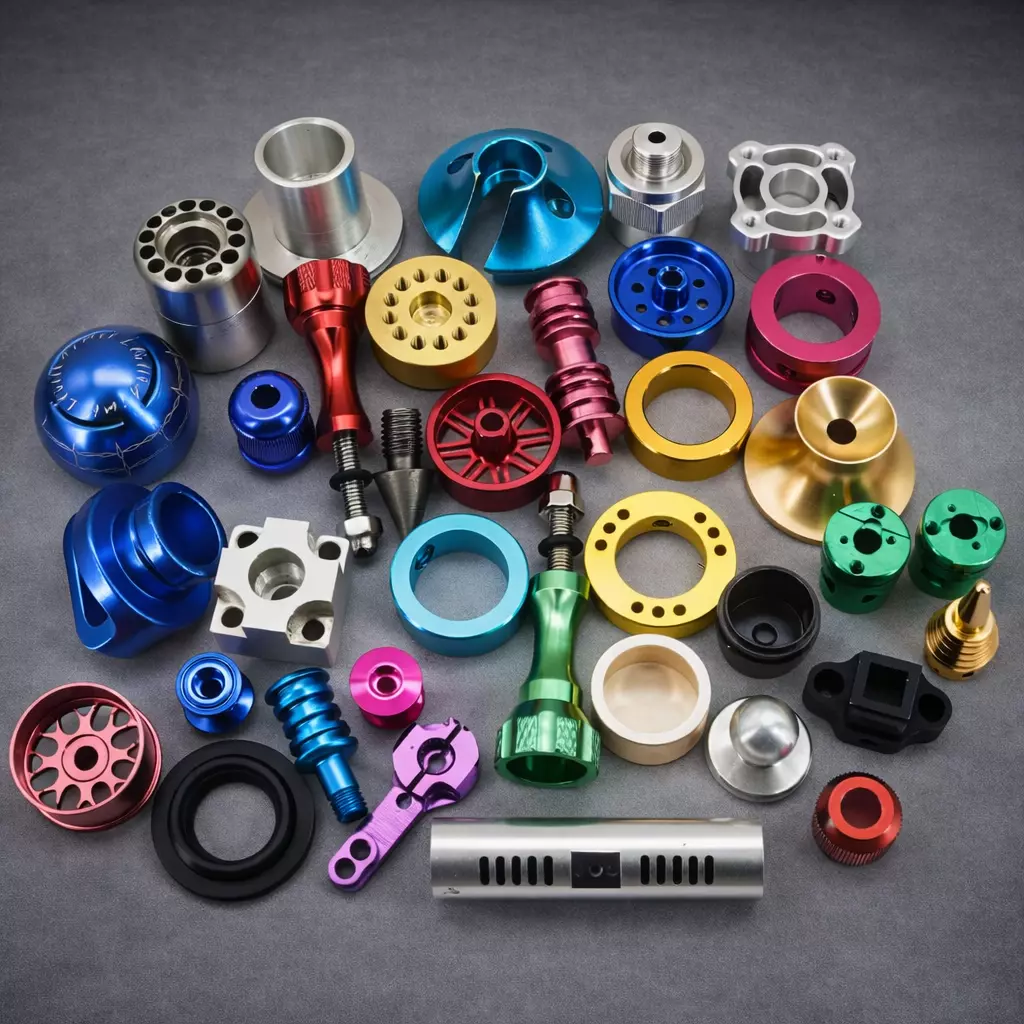
Enables finishes such as anodizing and polishing for both functional and appearance-focused parts.
Our Service
Aluminum vs Other Fabrication Materials
Selecting the right material is an important decision for fabrication projects. Different metals offer different advantages in terms of weight, machining performance, durability, and cost. Aluminum is often compared with stainless steel, carbon steel, and copper because it provides a balanced combination of performance, efficiency, and versatility for many manufacturing applications.
- Lighter Than Steel
- Easier to Machine
- Better Corrosion Resistance Than Carbon Steel
- High Strength with Lower Weight
- More Cost-Efficient for Machined Parts
- Flexible Finishing Options
Metal Fabrication
Aluminum Alloy Selection Guide
Different aluminum alloys offer different combinations of strength, machinability, corrosion resistance, and surface finish performance. Selecting the right alloy helps ensure the final component meets the required performance, manufacturing, and application requirements.
| Aluminum Alloy | Key Characteristics | Common Applications |
|---|---|---|
| 6061 Aluminum | Balanced strength, machinability, and corrosion resistance | General machined parts, structural components, industrial equipment |
| 5052 Aluminum | Excellent corrosion resistance and good formability | Enclosures, panels, marine components |
| 7075 Aluminum | High strength and excellent mechanical performance | Aerospace parts, high-performance components |
| 6063 Aluminum | Excellent surface finish and extrusion performance | Frames, architectural components, appearance parts |
| MIC6 Aluminum | High dimensional stability and flatness | Precision fixtures, tooling plates, inspection equipment |
Metal Fabrication
Aluminum Fabrication Processes
Aluminum fabrication involves different manufacturing processes to create components with specific shapes, tolerances, and functional requirements. The right fabrication method depends on factors such as part design, production volume, and application needs.
Common aluminum fabrication processes include:
| Process | Used For |
|---|---|
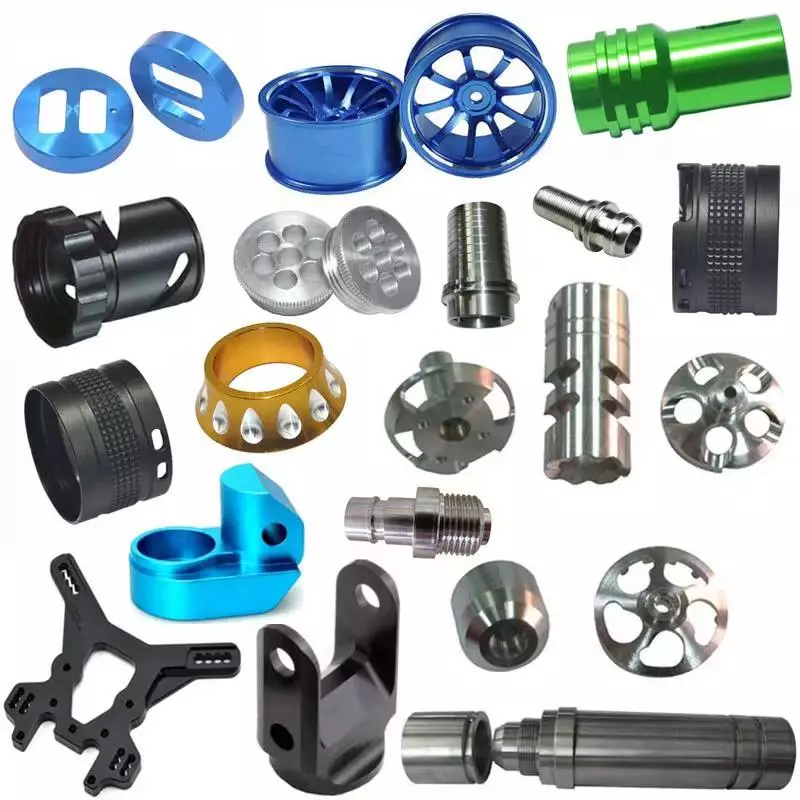
| CNC Machining | Precision aluminum components requiring tight tolerances and complex geometries |
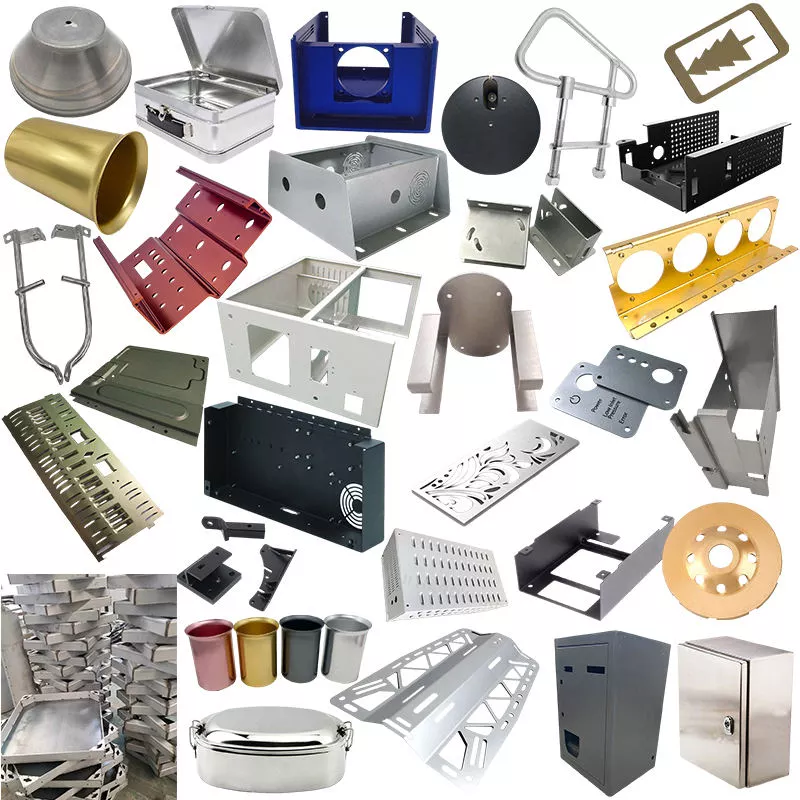
| Sheet Metal Fabrication | Aluminum panels, enclosures, and formed sheet components |
| Laser Cutting | Flat profiles, custom shapes, and sheet material cutting |
| Welding | Structural assemblies and joined aluminum components |
| Extrusion Machining | Aluminum frames, profiles, and custom structural parts |
| Surface Finishing | Surface protection, improved durability, and appearance enhancement |
Metal Fabrication
Surface Finishing Options
Surface finishing helps improve the appearance, durability, and functional performance of aluminum components. At MS Machining, we offer various aluminum finishing options to meet different requirements for surface protection, appearance, and application needs.
| Finishing Option | Available Options / Applications |
|---|---|
| Anodizing | Clear anodizing, black anodizing, and hard anodizing for improved surface protection and surface appearance |
| Powder Coating | Provides durable color finishes and additional protection for aluminum components |
| Bead Blasting | Creates a uniform matte texture and consistent surface appearance |
| Brushing | Produces a directional surface texture for decorative and appearance-focused parts |
| Polishing | Creates a smooth surface finish for parts requiring enhanced visual appearance |
| Chemical Conversion Coating | Helps improve corrosion protection and coating adhesion for aluminum components |
MS Machining supports aluminum fabrication projects with machining, fabrication, and finishing options based on part requirements and application needs.
Learn more about metal fabrication materials and material selection considerations.
Metal Fabrication
Typical Aluminum Fabricated Parts
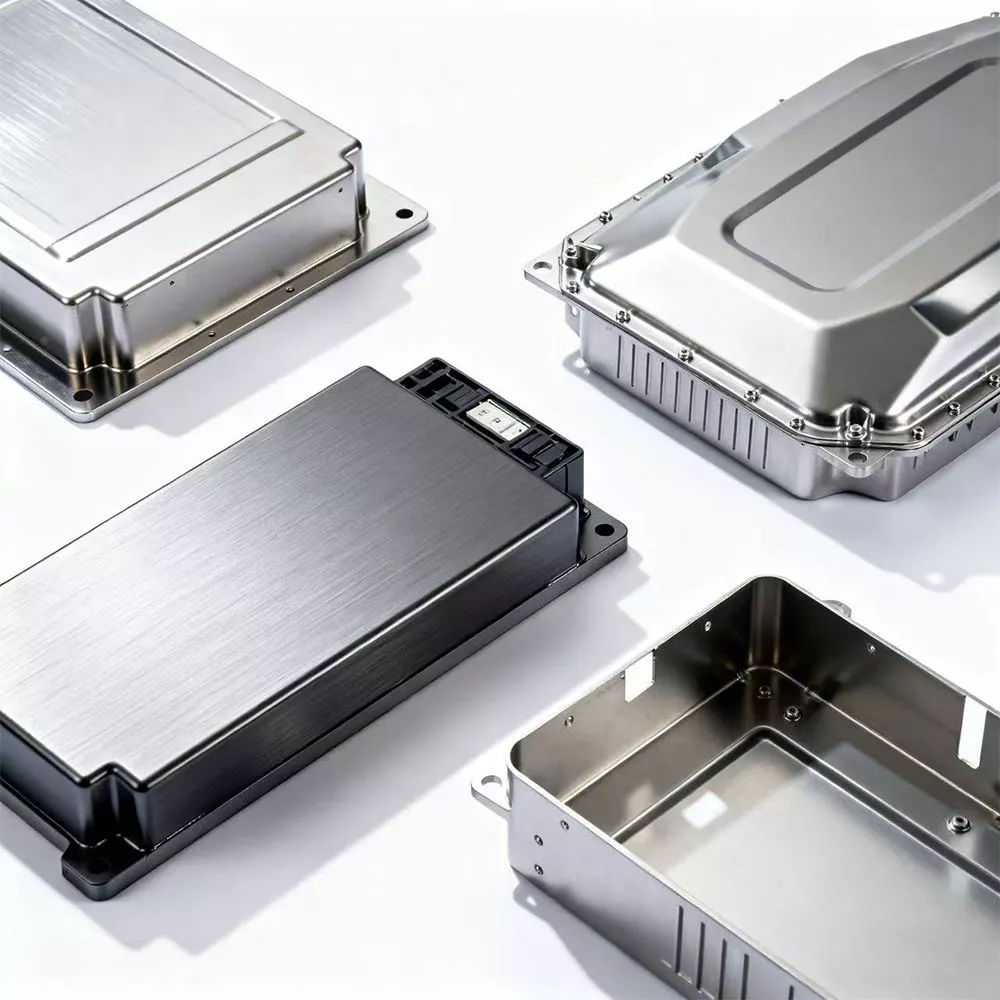
Aluminum fabrication is used to produce different types of components based on part design, functional requirements, and manufacturing needs. MS Machining provides aluminum fabrication services for various custom parts, including machined components, enclosures, frames, and assemblies.
| Part Type | Description |
|---|---|
| Aluminum Housings | Protective covers or shells used to hold and protect internal components |
| Heat Sinks | Aluminum components designed for heat dissipation in thermal applications |
| Brackets | Support parts used for mounting, positioning, and structural connections |
| Frames | Aluminum structures used for equipment builds, assemblies, and support applications |
| Base Plates | Flat components used as mounting surfaces or structural supports |
| Machine Parts | Custom aluminum components manufactured according to drawings and specifications |
| Fixtures | Tooling components used for part positioning and manufacturing processes |
| Enclosures | Aluminum covers or boxes used to protect internal assemblies |
| Mounting Components | Parts designed for fastening, alignment, and component installation |
Our Service
Manufacturing Capabilities & Quality Control
MS Machining supports aluminum fabrication projects with machining capabilities and quality control processes to meet different part requirements. Our services include part manufacturing, dimensional inspection, and documentation support based on project specifications.
- Manufacturing---CNC Milling, CNC Turning, 5-axis machining, and sheet fabrication for aluminum components
- Inspection---CMM inspection, dimensional inspection, and material verification to check part requirements
- Documentation---Material certificates, inspection reports, and compliance documents available based on project needs
Frequently Asked Questions About Aluminum Fabrication
What is aluminum fabrication?
Aluminum fabrication is the process of manufacturing custom aluminum components by cutting, machining, forming, welding, assembling, and finishing aluminum materials. Depending on part requirements, aluminum fabrication may include CNC machining, sheet metal fabrication, laser cutting, bending, welding, and surface finishing processes.
Unlike simple machining, aluminum fabrication covers the complete manufacturing process from raw aluminum material selection to finished parts. It is commonly used for lightweight, corrosion-resistant, and precision components in industries such as aerospace, automotive, electronics, medical, and industrial equipment.
Which aluminum alloy is best for machining?
The best aluminum alloy for machining depends on the application, strength requirements, surface finish, and operating environment.
6061 aluminum is one of the most commonly used alloys because it provides a good balance of machinability, strength, corrosion resistance, and cost-effectiveness. It is widely used for brackets, housings, machine components, and structural parts.
7075 aluminum offers higher strength and is often selected for aerospace and high-performance applications where mechanical performance is more important than machining cost.
Other common choices include:
- 5052 aluminum: Excellent corrosion resistance and formability, commonly used for enclosures and sheet metal parts.
- 6063 aluminum: Preferred for extrusion applications requiring good surface finish.
- MIC6 aluminum: Used for precision tooling plates due to excellent dimensional stability.
Our engineering team can help select the most suitable aluminum alloy based on your part requirements.
Can aluminum parts be welded?
Yes, aluminum parts can be welded using processes such as TIG welding and MIG welding. However, aluminum welding requires specialized equipment and experienced technicians because aluminum has high thermal conductivity and forms an oxide layer that can affect weld quality.
Some aluminum alloys are easier to weld than others. For example, 5052 and 6061 aluminum are commonly welded, while high-strength alloys such as 7075 are generally more challenging because welding can reduce their mechanical properties.
Our aluminum fabrication services include welding solutions for structural components, frames, enclosures, and custom assemblies.
What tolerance can aluminum fabrication achieve?
The achievable tolerance depends on the manufacturing process, part geometry, material condition, and inspection requirements.
Typical capabilities include:
- CNC machining: ±0.01 mm or tighter depending on part requirements and design complexity.
- Sheet metal fabrication: Generally around ±0.1 mm to ±0.3 mm depending on material thickness and process.
- Fabricated assemblies: May vary based on welding, forming, and assembly requirements.
For precision aluminum components, we recommend discussing tolerance requirements during the design review stage to ensure the most cost-effective manufacturing approach.
Do you provide aluminum fabrication prototypes?
Yes, we provide prototype aluminum fabrication services for product development, testing, and design validation.
Prototype manufacturing helps engineers verify:
- Part dimensions
- Assembly fit
- Material performance
- Surface finish appearance
- Functional performance
We support projects ranging from single prototypes to low-volume production and full-scale manufacturing.
What industries use aluminum fabrication?
Aluminum fabrication is widely used across industries that require lightweight, strong, and corrosion-resistant components.
Common applications include:
- Aerospace: Lightweight structural components and brackets
- Automotive: Chassis components, housings, and fixtures
- Medical: Precision equipment components and enclosures
- Electronics: Heat sinks, housings, and panels
- Robotics: Frames, arms, and custom mechanisms
- Industrial Equipment: Machine parts, fixtures, and assemblies
The combination of strength, low weight, and excellent machinability makes aluminum one of the most widely used fabrication materials.
What is the difference between aluminum fabrication and aluminum machining?
Aluminum machining is one part of aluminum fabrication. CNC machining focuses on removing material from aluminum blocks, plates, or billets to create precise components.
Aluminum fabrication is a broader manufacturing process that may include machining, cutting, bending, welding, finishing, and assembly.
For complex aluminum parts, combining multiple fabrication methods can provide better efficiency, functionality, and cost control.
How much does aluminum fabrication cost?
The cost of aluminum fabrication depends on several factors, including:
- Aluminum alloy selection
- Part size and complexity
- Required tolerances
- Manufacturing processes
- Surface finishing requirements
- Production quantity
CNC machining may be more cost-effective for precision parts, while sheet metal fabrication or extrusion may be better for larger-volume applications.
Providing CAD drawings and project requirements allows manufacturers to provide a more accurate quotation.