
Custom Brass Fabrication Services
One-stop brass fabrication services for custom components, including CNC machining, finishing, and inspection. Manufactured according to your drawings and project requirements.
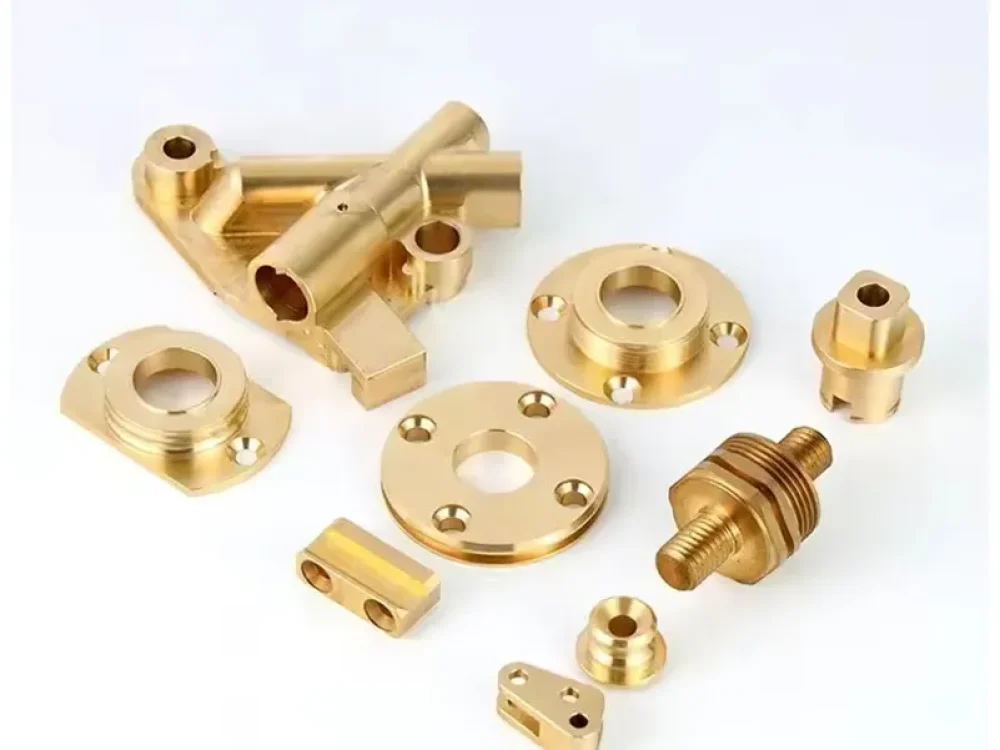
MS Machining
Why Choose Brass for Custom Machined Parts
Brass is widely used for custom machined parts because it combines good machinability with stable material performance. It is commonly selected for components that require accurate dimensions, threaded features, clean machined surfaces, and reliable assembly.
- Easy to Machine – Suitable for CNC milling, turning, drilling, and threading, allowing a wide range of part features to be manufactured.
- Stable Dimensions – Supports dimensional consistency for components with defined tolerances and assembly requirements.
- Good Surface Finish – Produces clean machined surfaces and can be combined with additional finishing processes when required.
- Suitable for Threaded Features – Commonly used for fittings, adapters, inserts, and other components with internal or external threads.
- Electrical Conductivity – Frequently selected for connectors, terminals, contacts, and other electrical components.
- Corrosion Resistance – Suitable for many industrial and commercial applications where moisture resistance is required.
Material selection should be based on the function of the component, operating environment, and manufacturing requirements.
Learn more about metal fabrication materials and material selection considerations.
Brass Grades We Commonly Machine
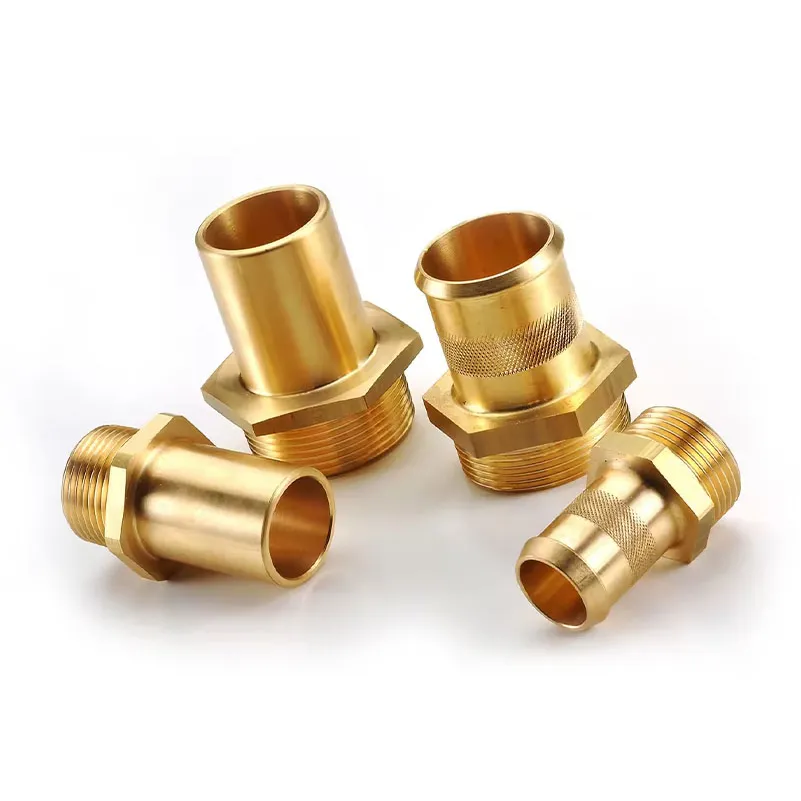
The brass grade selected for a component depends on machining requirements, part function, and project specifications. We commonly machine brass materials used for CNC milling, CNC turning, and precision component manufacturing.The appropriate brass grade depends on part geometry, tolerance requirements, operating conditions, and customer specifications. We can machine customer-specified brass materials based on engineering drawings and project requirements.
MS Machining
CNC Machining for Brass Components
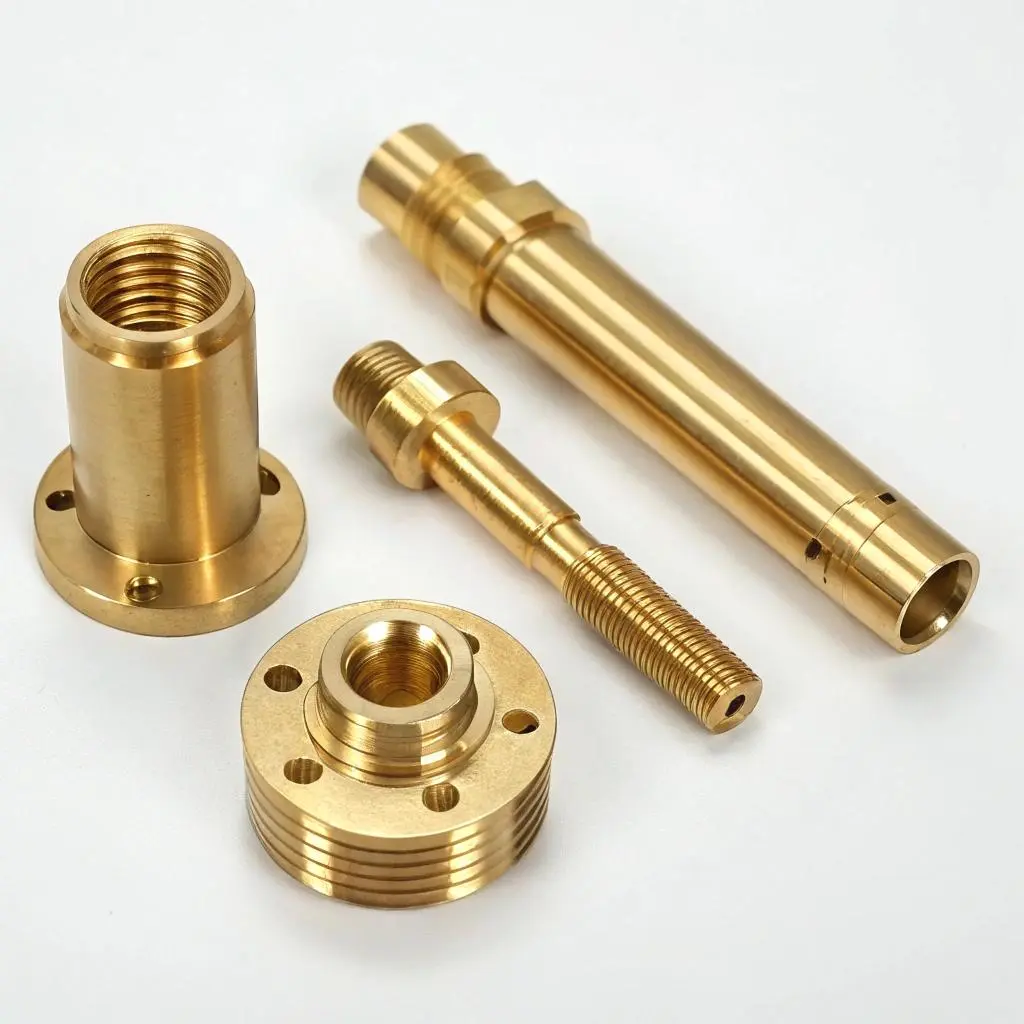
CNC machining is used in brass fabrication to produce custom components with defined dimensions, detailed features, and specific assembly requirements. The machining process is selected according to part geometry, tolerance requirements, material specifications, and production needs.
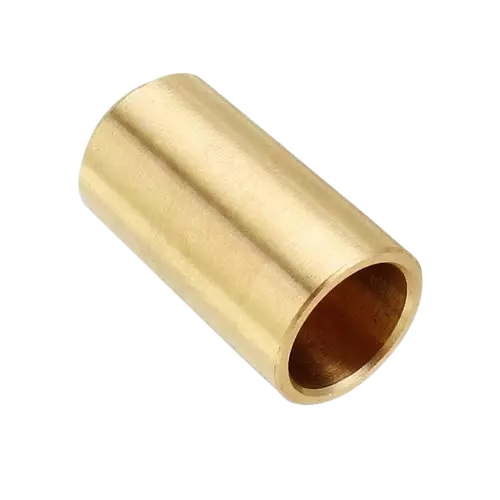
- Complex Features---CNC machining can produce brass components with features such as holes, pockets, slots, threads, and custom profiles. For suitable part designs, CNC milling and turning can achieve dimensional tolerances around ±0.01 mm to ±0.05 mm, depending on part geometry, size, and inspection requirements.
- Dimensional Requirements---Critical dimensions are reviewed according to engineering drawings. Measurement methods such as calipers, micrometers, gauges, and CMM inspection can be selected based on tolerance requirements and part features.
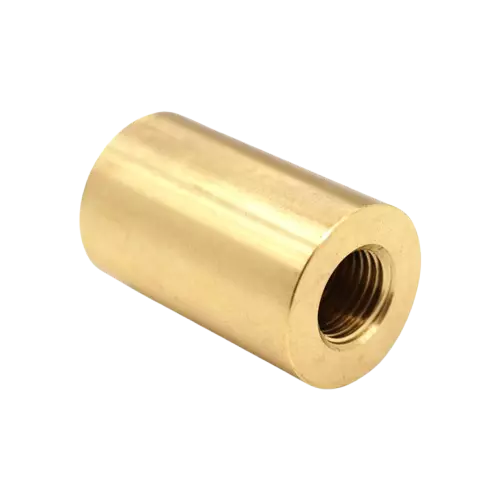
- Threaded Components---Brass is commonly machined for internal and external threads. Thread sizes, pitch requirements, and fit specifications are reviewed during the manufacturing process to match assembly requirements.
- Prototype and Production Parts---
MS Machining
Typical Brass Components
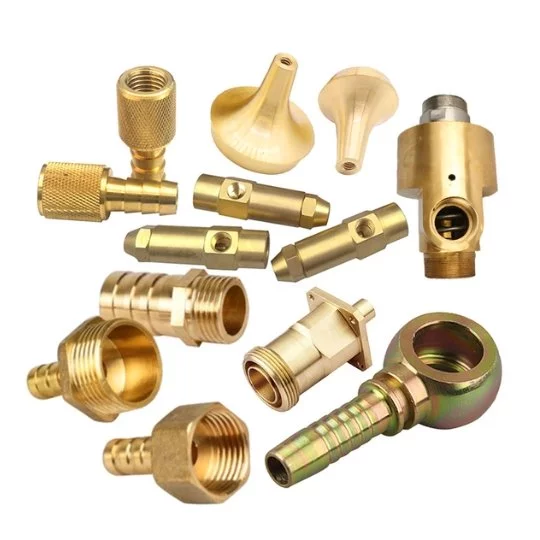
We manufacture custom brass components based on customer drawings, material requirements, and part specifications. Our machining capabilities support different part geometries, features, and assembly requirements.
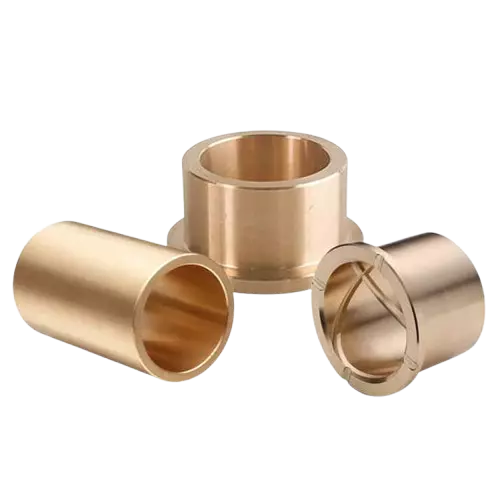
- Brass Bushings---Machined bushings with defined inner and outer diameters for assembly and fitting requirements.
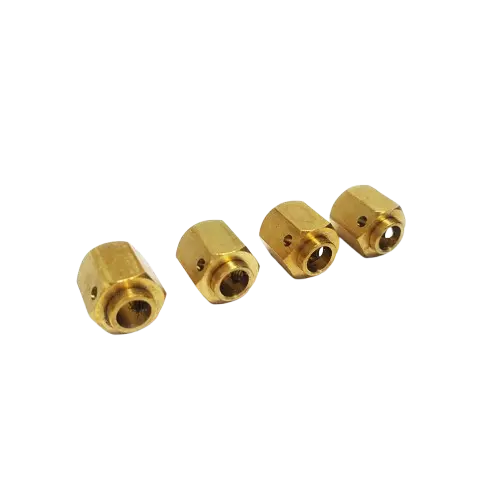
- Brass Fittings---Custom fittings with threaded features, connection details, and dimensional requirements.
- Brass Connectors---Machined connectors with holes, threads, and custom profiles based on engineering drawings.
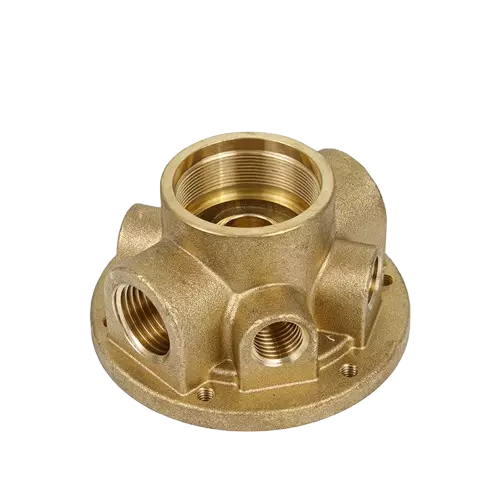
- Brass Valve Components---Brass components with controlled dimensions and functional features for valve assemblies.
- Brass Pins---Machined brass pins with specified diameters, lengths, and tolerance requirements.
- Brass Sleeves---Cylindrical components with internal and external machining features.
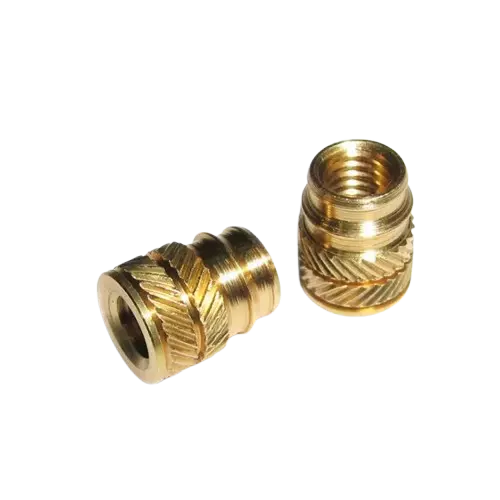
- Brass Threaded Inserts---Components with internal threads for fastening and assembly applications.
- Brass Spacers---Custom spacers with controlled thickness, bore sizes, and dimensional requirements.
- Brass Housings---Machined housings with pockets, openings, and custom features.
- Brass Electrical Contacts---Brass contact components manufactured with specified shapes and dimensional requirements.
MS Machining
Design Considerations for Brass Parts
Before production, brass components are reviewed based on part geometry, machining requirements, and assembly specifications. Considering manufacturability during the design stage helps define suitable machining processes and inspection requirements.
- Wall Thickness---Wall thickness is evaluated based on part size, geometry, and machining conditions. Adequate thickness helps maintain part stability during clamping and material removal.
- Thread Requirements---Thread specifications, including size, depth, tolerance, and fit requirements, are reviewed to select suitable machining methods and tooling.
- Hole Features---Hole diameter, depth, and location affect tool selection and machining access. These details are considered during process planning for brass components.
- Corner Geometry---Internal corner radii are reviewed according to cutting tool requirements and part features to determine suitable machining approaches.
- Surface Finish Requirements---Surface finish specifications are considered during machining planning, including finishing allowance and inspection requirements for critical surfaces.
MS Machining
Inspection & Manufacturing Support
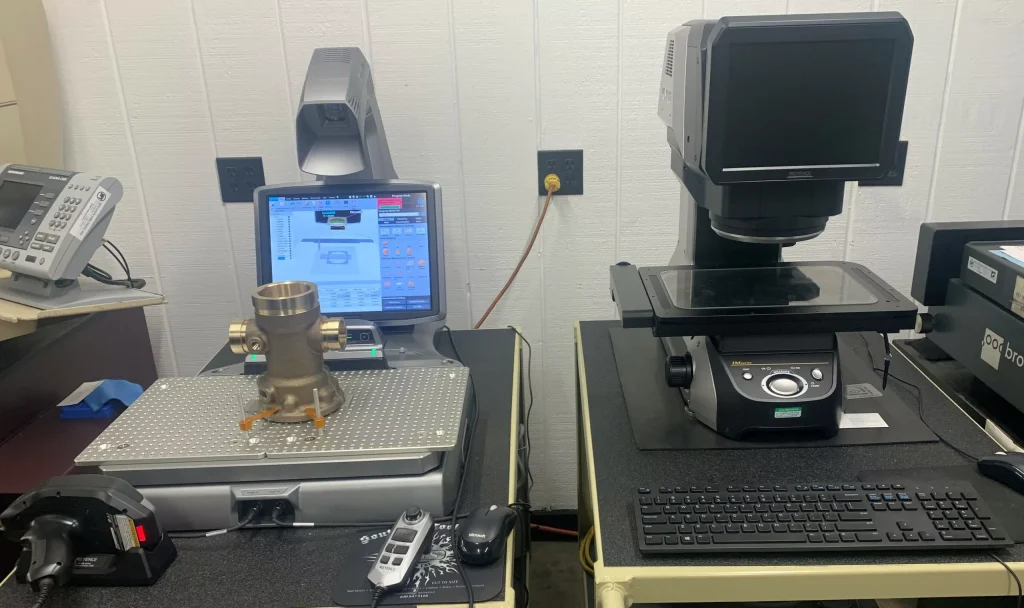
We inspect brass components according to drawing requirements, dimensional specifications, and project documentation needs. From prototypes to production quantities, inspection and manufacturing processes are planned based on part requirements.
- Dimensional Inspection – Verification of critical dimensions, features, and tolerances using suitable measurement tools.
- CMM Inspection – Measurement of complex features and critical dimensions for parts requiring detailed inspection.
- Material Certification – Material documentation available when required for project verification.
- Inspection Reports – Inspection records provided based on customer specifications.
- Prototype to Production Support – Manufacturing support for prototype parts, small batches, and repeat production.
Frequently Asked Questions
Can you manufacture brass parts from incomplete designs or concepts?
We can review your available information, including sketches, drawings, or CAD files, and evaluate the manufacturing requirements based on part structure, material needs, and production considerations.
How do you determine if a brass part is suitable for CNC machining?
We review factors such as part geometry, required features, tolerances, material selection, and production quantity to determine a suitable machining approach.
What information is needed to request a quote for brass components?
A complete quotation usually requires part drawings or 3D models, material specifications, quantity requirements, surface finish requirements, and any inspection or documentation needs.
Can you help optimize my brass part design before production?
Yes. During the design review stage, we can provide manufacturing feedback related to machining accessibility, feature requirements, tolerances, and potential production considerations.
Do you support repeat orders for brass components?
Yes. For repeat production, machining processes and inspection requirements can be maintained according to the approved part specifications.
How do you handle changes after prototype approval?
Engineering changes can be reviewed based on their impact on material requirements, machining processes, inspection requirements, and production planning.
Can you work with customer-specified materials and requirements?
Yes. We can manufacture according to customer specifications, including required materials, drawings, tolerances, and documentation requirements.
What factors affect the lead time for brass fabrication projects?
Lead time depends on part complexity, material availability, quantity, finishing requirements, inspection needs, and production scheduling.