
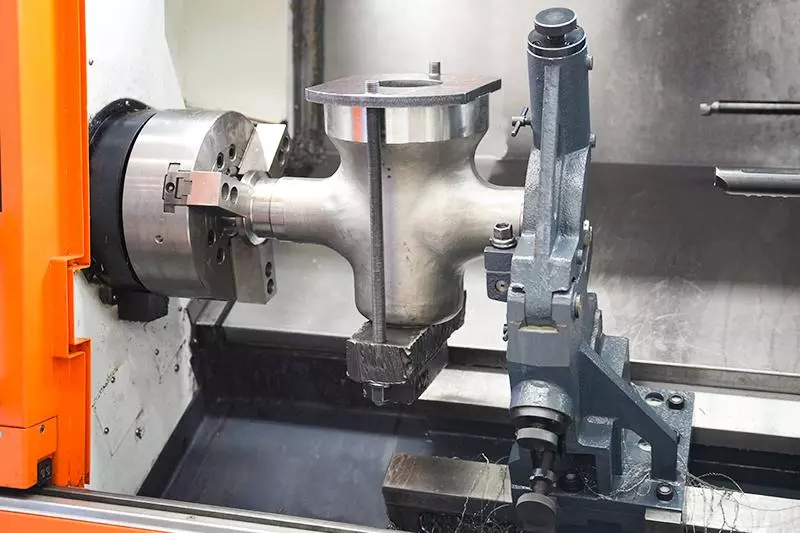
Oil and gas equipment components are manufactured for operating environments where component reliability directly affects equipment availability, maintenance requirements, and overall system performance. Parts used in valves, pressure control systems, drilling equipment, pumps, and offshore equipment may experience continuous mechanical loads, pressure fluctuations, temperature changes, and exposure to corrosive media...
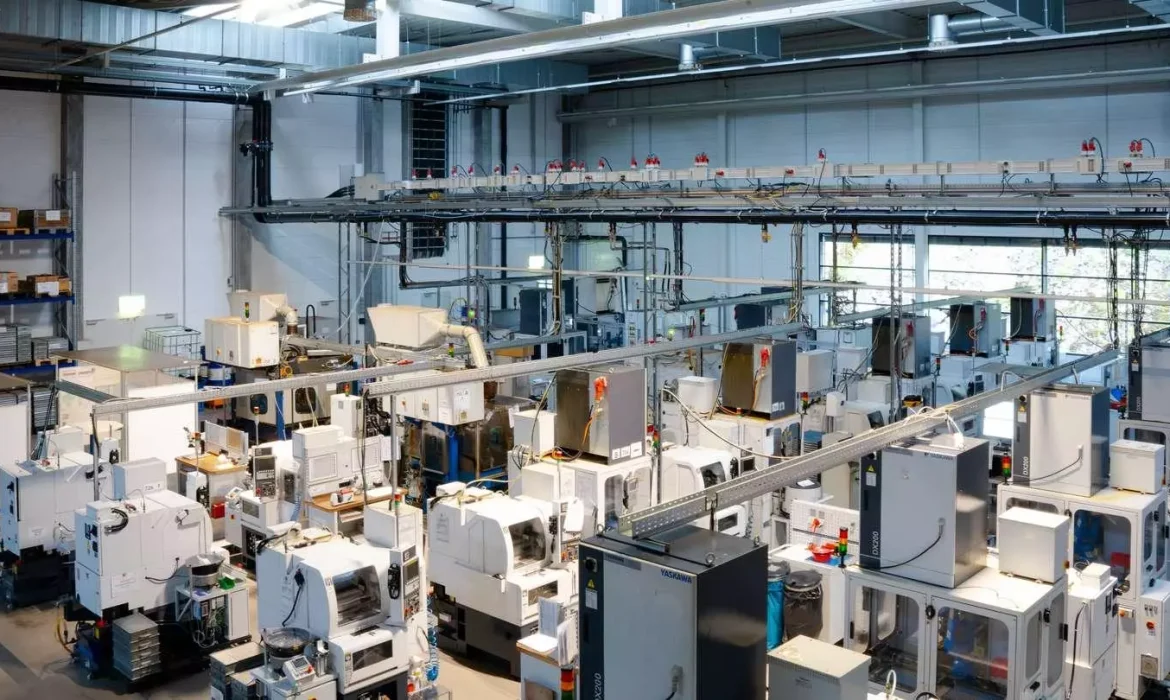
China CNC Machining Cost Breakdown: How 500-Piece Orders Can Reduce Unit Costs by 25%
Introduction: Understanding CNC Machining Costs in Global Manufacturing When companies source precision CNC machined components, the first comparison is often the quoted unit price. A part manufactured in China may receive a very different quotation from the same part produced in the United States, Germany, Japan, or other established manufacturing...
CNC Machining Applications in the Oil & Gas Industry
Introduction The oil and gas industry depends on a wide range of mechanical systems that must operate reliably in demanding environments. From drilling equipment working deep underground to offshore production systems operating in marine conditions, every stage of energy production requires components that can maintain performance under pressure, temperature changes,...
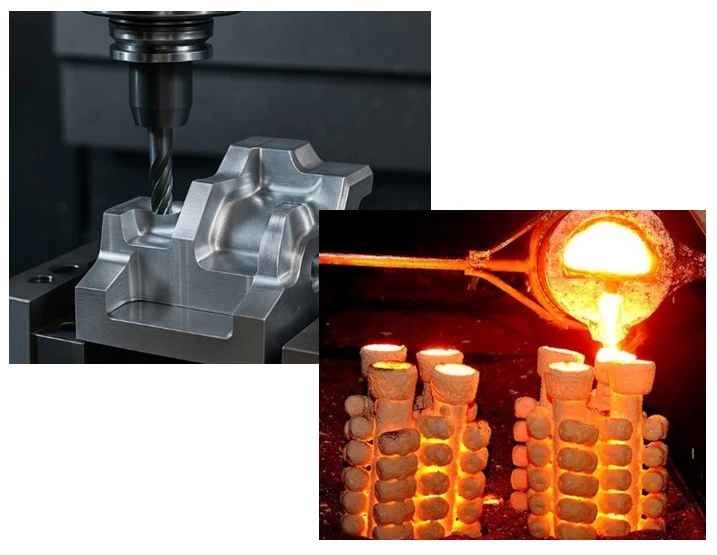
How Integrated Investment Casting and CNC Machining Reduce Lead Time by 3×
For companies developing complex metal components, manufacturing lead time is often affected by more than the time required to produce the part itself. A component may not be difficult because of one specific process, but because multiple manufacturing stages need to work together before the final part can be completed....
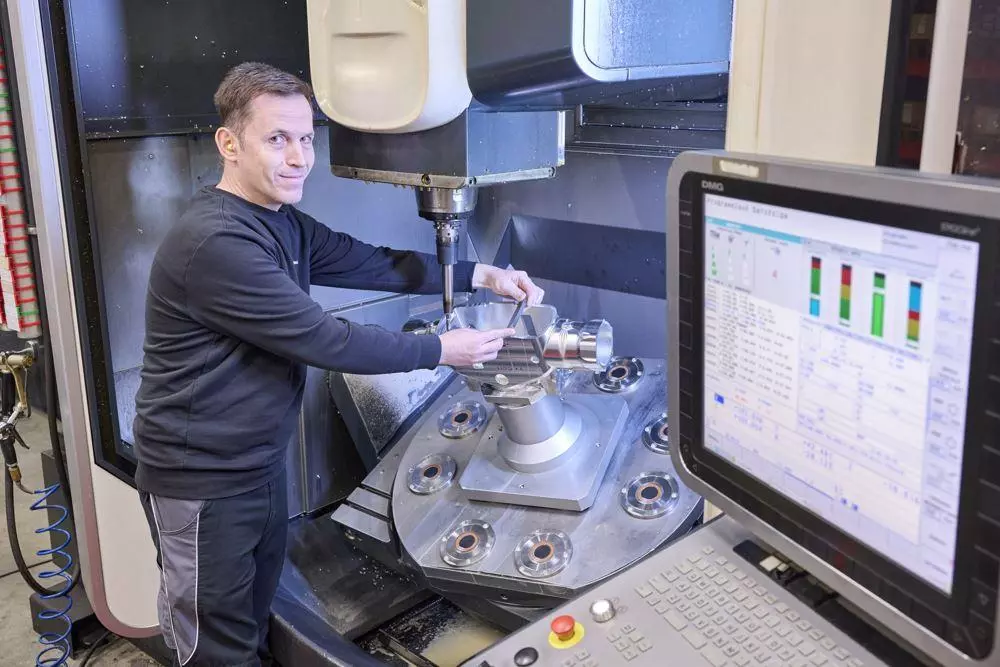
5 Key Advantages of 5-Axis CNC Machining for Precision Manufacturing
Introduction In precision manufacturing, selecting a CNC machining process is usually based on how effectively the process can meet the requirements of the part rather than simply choosing equipment with greater movement capability. Factors such as component geometry, material characteristics, tolerance requirements, surface finish, inspection standards, and production volume all...
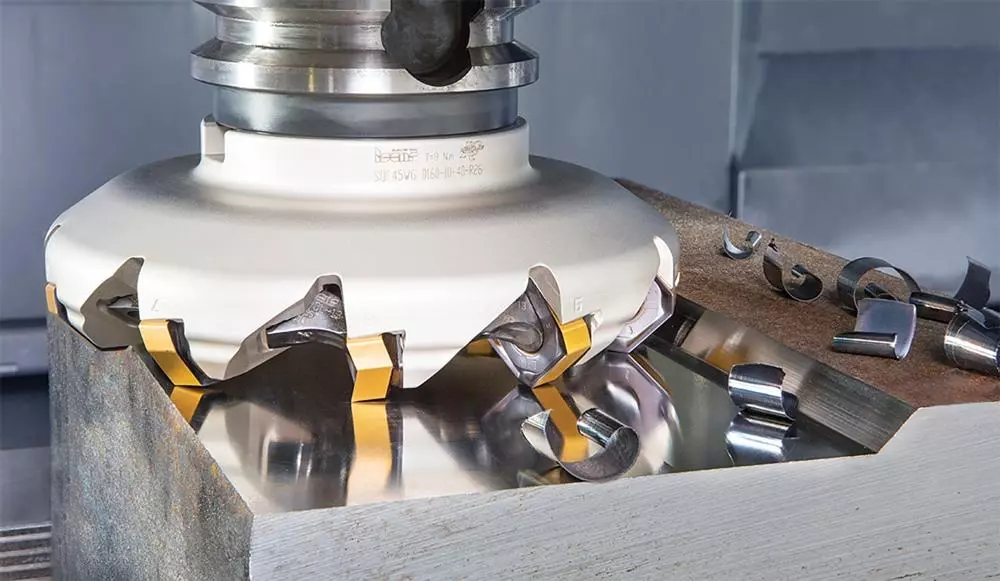
Face Milling vs End Milling: How to Choose the Right Machining Approach for CNC Parts
When engineers review a CNC machined part, the machining process is rarely decided by the overall shape of the component alone. The important question is what each area of the part needs to achieve. A mounting surface may need to provide accurate contact with another component. An internal pocket may...