
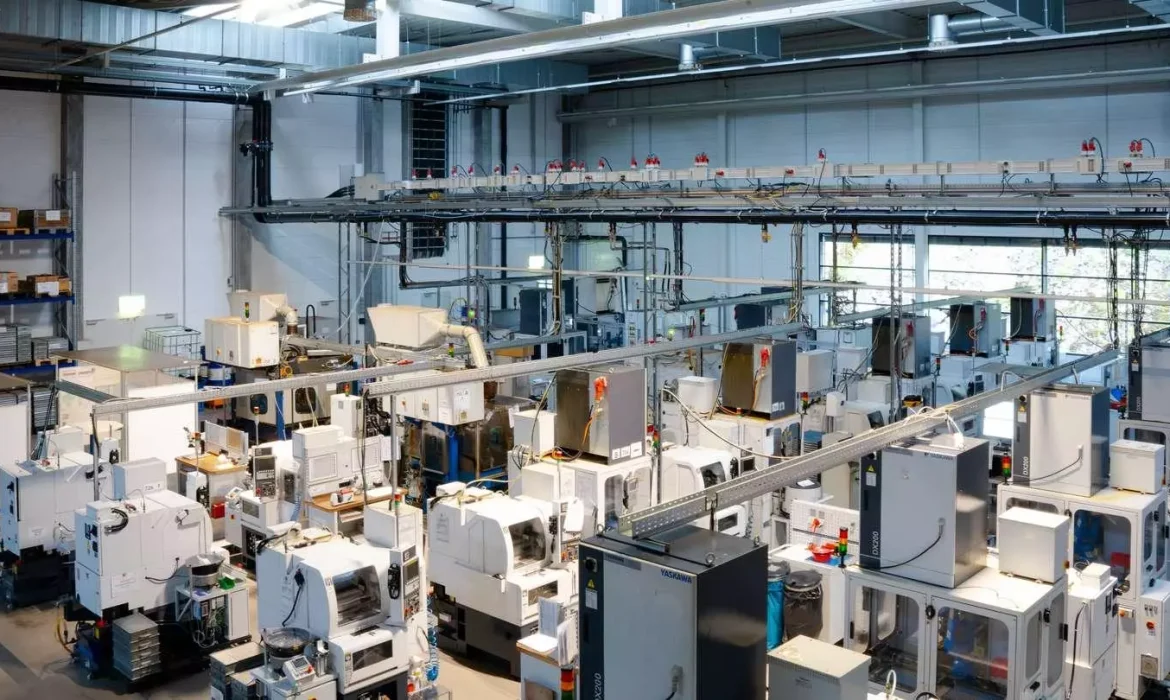
Introduction: Understanding CNC Machining Costs in Global Manufacturing When companies source precision CNC machined components, the first comparison is often the quoted unit price. A part manufactured in China may receive a very different quotation from the same part produced in the United States, Germany, Japan, or other established manufacturing...
CNC Machining Applications in the Oil & Gas Industry
Introduction The oil and gas industry depends on a wide range of mechanical systems that must operate reliably in demanding environments. From drilling equipment working deep underground to offshore production systems operating in marine conditions, every stage of energy production requires components that can maintain performance under pressure, temperature changes,...
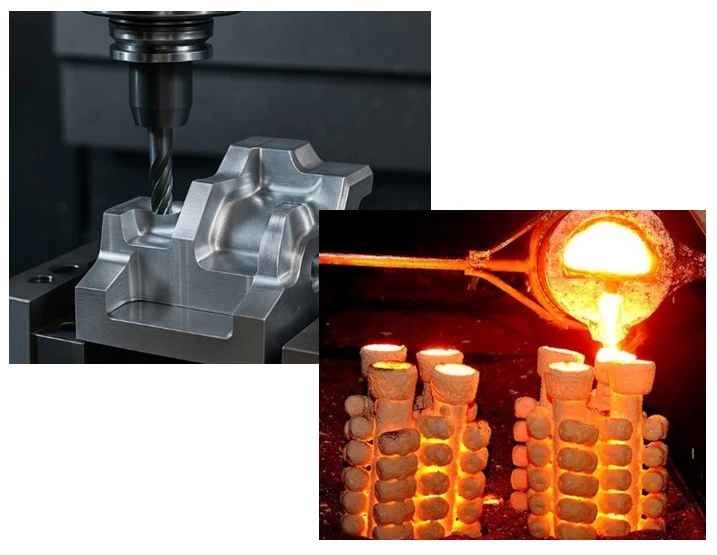
How Integrated Investment Casting and CNC Machining Reduce Lead Time by 3×
For companies developing complex metal components, manufacturing lead time is often affected by more than the time required to produce the part itself. A component may not be difficult because of one specific process, but because multiple manufacturing stages need to work together before the final part can be completed....
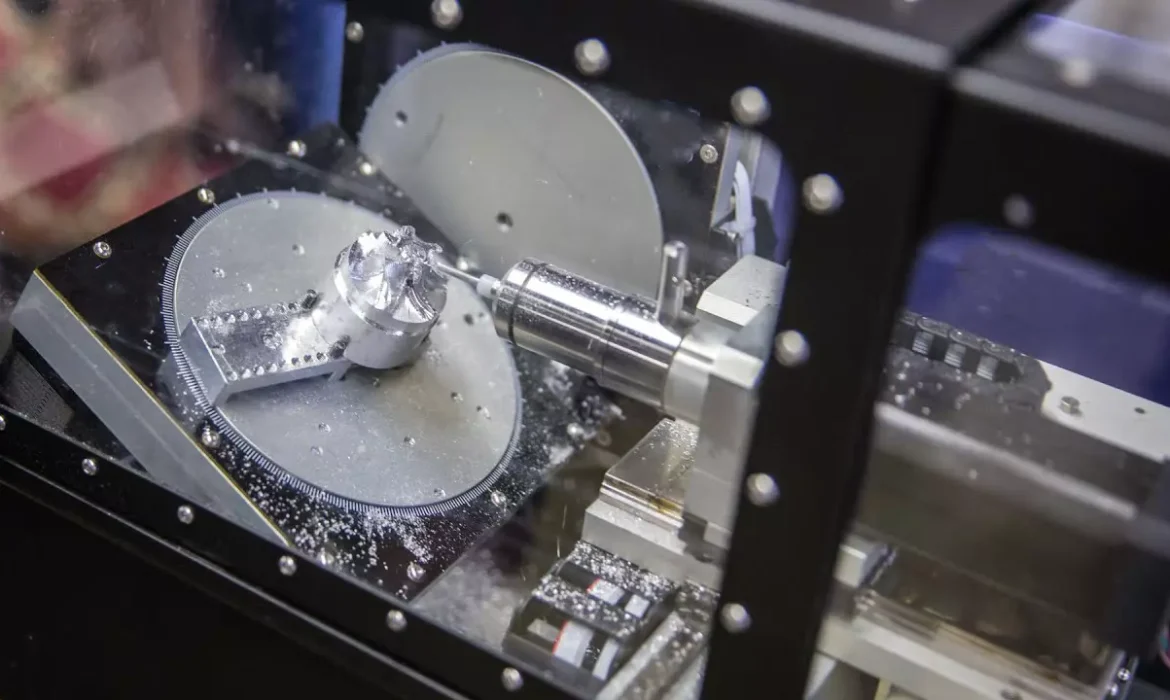
Advantages and Limitations of CNC Machining: What to Consider
A CNC machine can make a part from aluminum, stainless steel, brass, titanium, engineering plastics, and many other materials. It can produce a simple mounting plate or a multi-sided component with pockets, holes, threads, and contoured surfaces. That range is one reason CNC machining is used across prototype development, industrial...
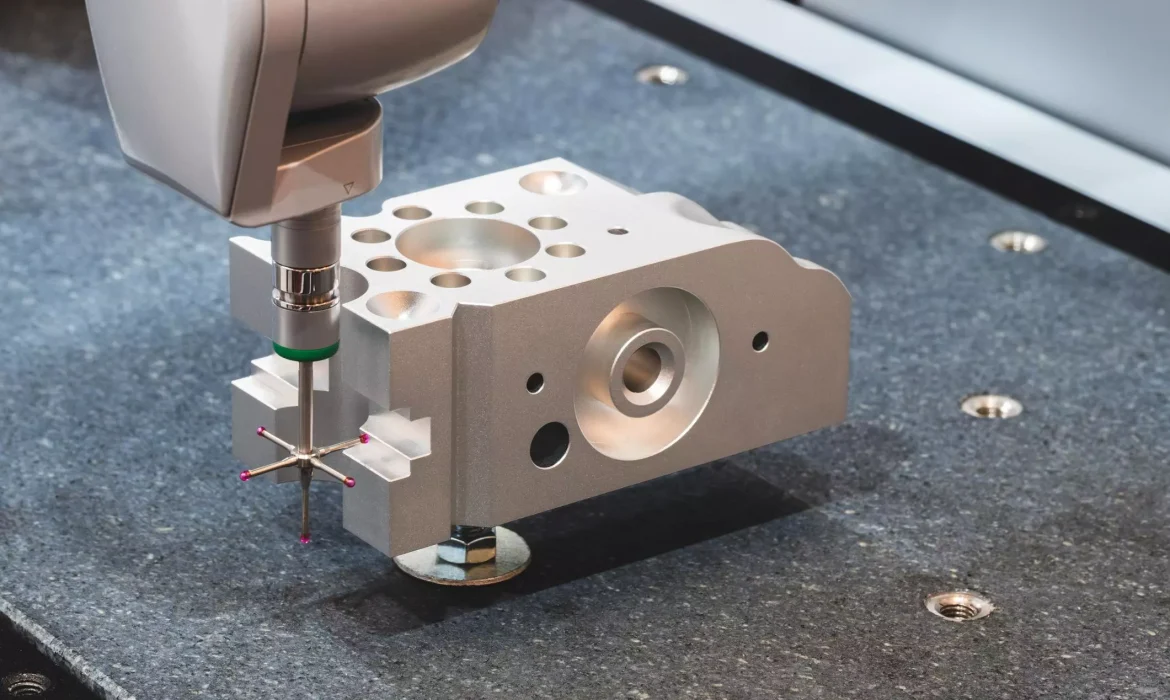
CMM Inspection in CNC Machining: What Engineers Should Know
Introduction In CNC machining, verifying a part is not only about checking whether individual dimensions meet the drawing requirements. A component can have the correct hole size, thickness, and overall dimensions, yet still create problems during assembly if the relationship between different features is incorrect. A mounting plate is a...
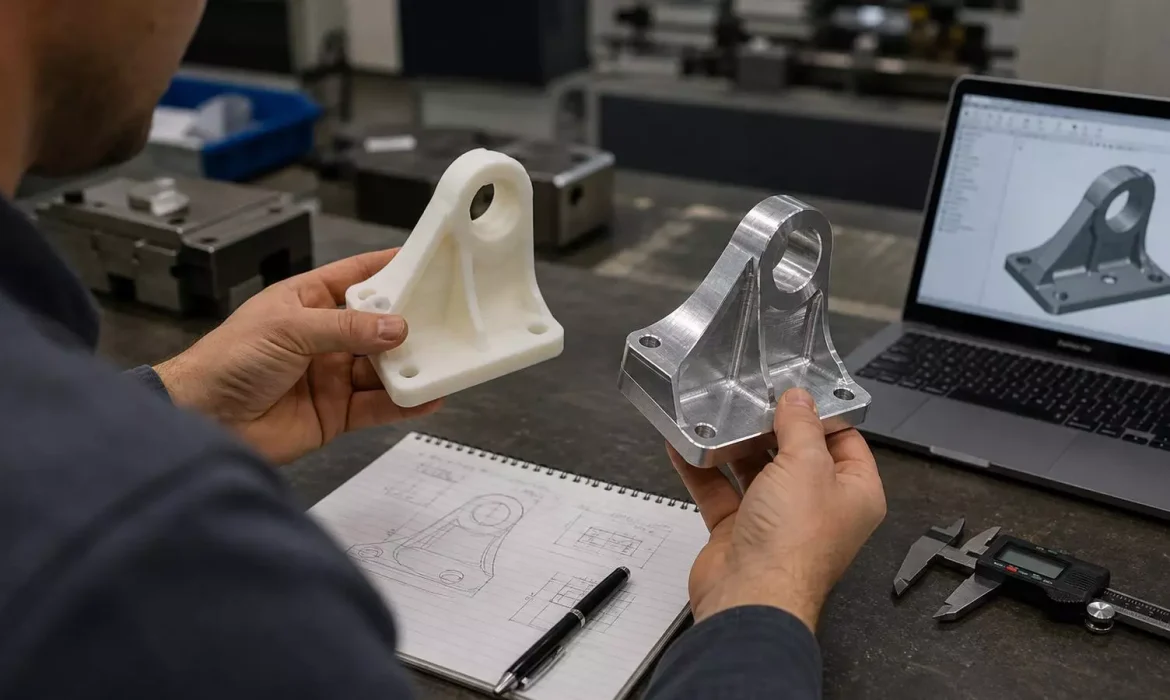
CNC Machining vs 3D Printing: Which Manufacturing Method Fits Your Project?
A CAD model is only the beginning of a manufacturing project. While the design defines the geometry, dimensions, and features of a part, it does not determine how that part should be manufactured. The same component can often be produced through different manufacturing methods, but the final result may vary...