
What is CNC Aluminium Casting Machining?
Have you ever wondered how high-precision aluminum parts are made? The process called CNC aluminium casting machining combines two powerful manufacturing methods: casting and CNC machining.
What is CNC Machining?
CNC, or Computer Numerical Control, machining uses computerized tools to precisely cut, shape, and finish metal parts. It allows us to produce complex, accurate components consistently and efficiently.
How It Works with Aluminium Casting
In this process, we first create a rough aluminum casting. This casting acts as the base material. Then, CNC machining refines that rough shape into a detailed, high-precision part. CNC tools remove excess material, smooth surfaces, and achieve tight tolerances.
Why Aluminium Is a Popular Choice
Aluminium is widely used in CNC machining because it’s lightweight, strong, and easy to machine. It also offers excellent corrosion resistance and good thermal and electrical conductivity, making it ideal for many industries—from aerospace to electronics.
Preparing Cast Aluminium for CNC Finishing
Once the aluminium is cast into a rough shape, it needs some preparation for CNC machining. This includes removing excess material (like flash or burrs), mounting the part securely, and programming the CNC machine with the final design specifications. This preparation ensures that the finished part meets strict quality and precision standards.
How CNC Aluminium Casting Machining Works

Step 1: Creating the aluminium casting
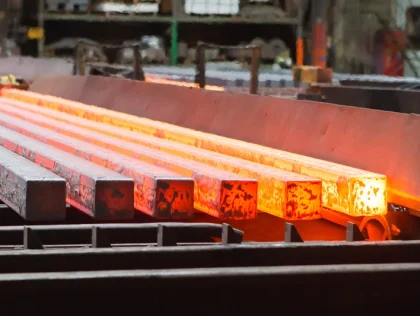
The process begins with making the raw aluminium casting. There are several casting methods, like die casting, sand casting, and investment casting, each suited for different parts. Die casting, for example, uses high-pressure molds to produce precise and smooth parts quickly. Sand casting involves packing sand around a pattern to create molds, which is ideal for larger or simpler shapes. Investment casting uses a wax model coated in ceramic to produce highly detailed parts with excellent surface finish.
The shape and complexity of the casting directly impact how much machining will be needed later. A good casting should have minimal surface defects and be prepared properly for the CNC machining process, which helps achieve tight tolerances and smooth surfaces or intricate details.
Step 2: Cooling and solidifying
Once the molten aluminium is poured into the mold, it’s cooled and allowed to solidify. Proper cooling is crucial because uneven cooling can cause defects like porosity or shrinkage. After solidification, the cast is removed from the mold. These initial castings often need further trimming or cleanup before they’re ready for CNC machining.
Step 3: CNC machining the raw casting
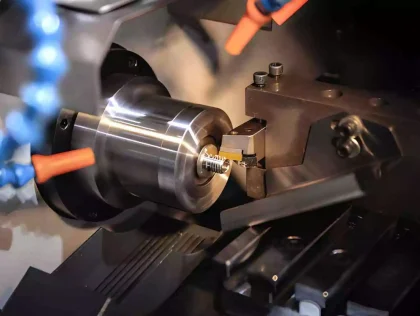
At this stage, the rough cast aluminium part goes onto CNC machines such as milling or turning centers to shape it precisely. CNC machining aluminium parts involves removing excess material, creating complex geometries, or refining dimensions to meet specifications. Using CNC allows us to achieve high accuracy, often within tight tolerances, which is essential for many industries like aerospace or automotive.
Step 4: Removing flash, burrs, and excess material
After the main machining, we focus on cleaning up the part. This includes removing flash—small unwanted edges left from casting—burrs, and any leftover material. Using specialized tools and techniques ensures the part has a clean surface and meets quality standards before the final finishing.
Step 5: Final inspection and surface finishing
The last step involves inspection to verify that the part meets all dimensions and surface requirements. We perform dimensional checks, visual inspections, and surface finishing like polishing or anodizing. Good surface finishing not only improves appearance but also enhances durability and corrosion resistance. For specific needs, additional treatments like coating or painting can be applied, ensuring the finished aluminium component performs reliably in its application.
This step-by-step process ensures that cast aluminium parts are transformed into precise, high-quality components ready for production or assembly. If you’re interested in the detailed processes involved, you might find our investment casting vs. sand casting guide helpful to understand how casting shape and method influence the CNC machining stage.
Aluminium Casting Process
The aluminium casting process starts with melting aluminum in a furnace until it becomes a liquid state. This molten aluminium is then carefully poured into molds to create the rough shape of the part. There are several common casting methods used for CNC aluminium parts, including die casting, sand casting, and investment casting. Each method has its strengths, depending on the complexity and volume of the parts needed.
Once the aluminium cools and solidifies in the mold, the cast piece is removed. The shape of the casting plays a big role in how much machining work is needed later on. A well-designed casting with smooth, consistent surfaces helps reduce the amount of material that needs to be trimmed away during CNC machining.
For a casting to be ready for CNC machining, it must meet certain criteria. It should have accurate dimensions, minimal casting flaws like porosity or shrinkage, and a surface that’s suitable for finishing. Sometimes, additional processes like cleaning or rough machining are performed before it goes into the CNC machine to ensure precision and efficiency. Proper casting shape and quality are essential for achieving tight tolerances and high-quality surface finishes in the final aluminium components.
CNC Machining for Cast Aluminium Parts

Once the casting is ready, CNC machining takes over to refine the part to precise specifications. Typical operations include milling, turning, drilling, and trimming. These processes help shape the part and improve its surface quality, ensuring it meets tight tolerances.
CNC machines are designed to remove small amounts of material from the cast aluminium, which smooths rough surfaces and accurately shapes complex features. Using CAD/CAM programming, we can set up the machinery to produce parts with high accuracy and repeatability. This means each piece is consistent, whether it’s a single prototype or thousands of units.
When it comes to tolerances and surface finish, CNC aluminium machining is highly effective. It allows us to achieve very tight dimensional tolerances and high-quality surface finishes, essential for more demanding applications like aerospace or medical devices. Overall, CNC machining brings precision, consistency, and a professional look to cast aluminium parts, making them ready for any industry application.
Tools and Equipment Used in CNC Aluminium Casting Machining
When it comes to CNC aluminium casting machining, having the right tools and equipment is key to achieving high precision and quality.
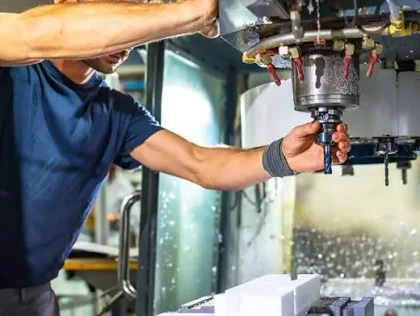
CNC milling machines are the centerpiece for refining cast aluminium parts. They remove excess material, shape complex features, and ensure tight tolerances. Many US manufacturers rely on high-speed CNC mills to handle both simple and intricate designs efficiently. For turning and shaping cylindrical components, CNC lathes are used, especially for parts requiring smooth, precise rotations. Additionally, drilling machines are employed to create holes and other features needed for assembly or functionality.
To get the job done right, we use a range of cutting tools, such as end mills, drills, and countersinks, suitable for aluminium’s softness but capable of maintaining sharp edges over multiple uses. Fixtures and workholding systems secure the castings firmly in place, preventing movement during machining and ensuring accuracy.
Finally, all these operations are controlled and optimized using advanced software for machining setup and control. Programs like CAD/CAM facilitate accurate tool paths, help plan the machining process, and enable us to produce consistent, high-quality aluminium parts—whether prototypes or high-volume runs. If you want to dive deeper into the tools used in CNC machining aluminium, I recommend checking out CNC machining tools for aluminium casting.
Benefits of CNC Aluminium Casting Machining
Choosing CNC aluminium casting machining offers several clear advantages, especially for U.S. manufacturers seeking precision and efficiency. Here’s what you gain:
| Benefit | Explanation |
|---|---|
| High precision and tight tolerances | CNC machining refines cast aluminium parts to meet exact specifications, ensuring proper fit and function. This is crucial for industries like aerospace and automotive. |
| Better consistency in repeated production | CNC machining guarantees each part is nearly identical, which is vital for high-volume manufacturing. This leads to fewer defects and less waste. You can explore more about CNC machining techniques for aluminium here. |
| Cost-effective for complex parts | Machining cast aluminium reduces the need for expensive tooling, making it easier and cheaper to produce complex or custom designs. |
| Lightweight and durable components | Aluminium is known for being both strong and light, so CNC-machined cast parts help improve product performance without adding weight. |
| Flexibility for custom designs and industries | CNC aluminium casting machining adapts well to different shapes, sizes, and industries—from aerospace to electronics, offering a versatile manufacturing solution. |
These benefits make CNC aluminium casting machining a smart choice for high-quality, reliable, and cost-effective production.
Common Defects and Challenges in CNC Aluminium Casting Machining
When working with cast aluminium parts, several defects can pop up that impact the final quality and performance. Porosity, shrinkage, and other casting flaws are pretty common issues that can weaken or distort the component.
Quality Control and Finishing

When it comes to CNC aluminium casting machining, quality control is a crucial step to ensure the final parts meet strict standards. We start with detailed dimensional inspection and measurement, often using precise tools like coordinate measuring machines (CMMs) to verify that every part matches the specified dimensions. This helps catch any deviations early on and keeps us on track for tight tolerances.
Next, we perform surface finish checks and visual inspection to ensure the cast and machined surfaces are smooth, free of defects, and ready for their intended use. If the surface isn’t perfect, we turn to finishing options such as anodizing to add corrosion resistance or polishing to achieve a sleek, shiny look. These finishing processes not only enhance the appearance but also improve the durability of the finished components.
By maintaining strict quality control, we significantly improve the performance and appearance of the CNC aluminium parts. Precise measurements and finishing treatments ensure every product is reliable, looks great, and functions as expected—whether it’s for automotive, aerospace, or electronic applications. If you’re interested in the surface finish options, our team provides CNC milling surface finishes that can meet your specific needs.
Applications of CNC Aluminium Casting Machining
CNC aluminium casting machining plays a vital role across many industries thanks to its ability to produce highly precise, lightweight, and durable parts. In the automotive sector, it’s commonly used for manufacturing engine components and other critical parts that need to withstand high temperatures and stress. By combining casting and CNC machining techniques, manufacturers can create complex shapes with tight tolerances, making engine assemblies more efficient and reliable.
In aerospace, CNC machining of cast aluminium parts helps build lightweight structures essential for fuel efficiency and performance. These parts are often used in aircraft frames, landing gear, and structural supports, where weight savings directly impact operational costs. The process allows for the production of custom aerospace components with intricate designs that meet strict industry standards.
Electronics manufacturers rely on CNC aluminium machining for creating housings and heat sinks. These components help protect delicate electronic circuits while efficiently managing heat dissipation. Precision machining ensures that every part fits perfectly, enhancing device performance and longevity.
Medical device makers also benefit from CNC aluminium casting machining, as it allows for the production of highly accurate, complex parts used in surgical instruments, diagnostic equipment, and other high-precision healthcare tools. The process ensures the parts meet rigorous safety and quality standards.
Additionally, CNC casting and machining are widely used in industrial and consumer products—from durable power tools to stylish home gadgets. The ability to produce parts with consistent quality and tight tolerances makes this process a popular choice for both high-volume production and custom designs.
In all these cases, the combination of aluminium casting and CNC machining offers a versatile, cost-effective way to produce high-quality components tailored for specific applications. For example, if you’re looking to consolidate parts and reduce assembly time, partnering with a skilled CNC machining provider can be a game-changer. Find out more about part consolidation and precision manufacturing to see how it can benefit your project.
Why Choose a CNC Aluminium Machining Partner
Finding the right partner for CNC aluminium casting machining makes a big difference. Here’s why working with experienced professionals matters:
| Benefits | Details |
|---|---|
| Experience in aluminium casting machining | A partner with a proven track record understands casting flaws and knows how to fix them with precision CNC machining. They can handle complex designs and deliver consistent results. |
| Use of advanced CNC technology | Cutting-edge CNC machining tools allow for tight tolerances and smooth finishes on aluminium parts. This ensures your parts meet high standards for performance and durability. |
| Support for custom and high-volume production | Whether you need a handful of prototypes or large runs, a reliable partner can scale production without sacrificing quality or speed. |
| Reliable quality, accuracy, and turnaround | Consistency is key. A trusted CNC aluminium machining partner delivers accurate parts on time, every time, helping you stay on schedule and within budget. |
Choosing a partner with the right experience and tools means your aluminium casting parts are finished to perfection—ready for any industry, from aerospace to automotive.