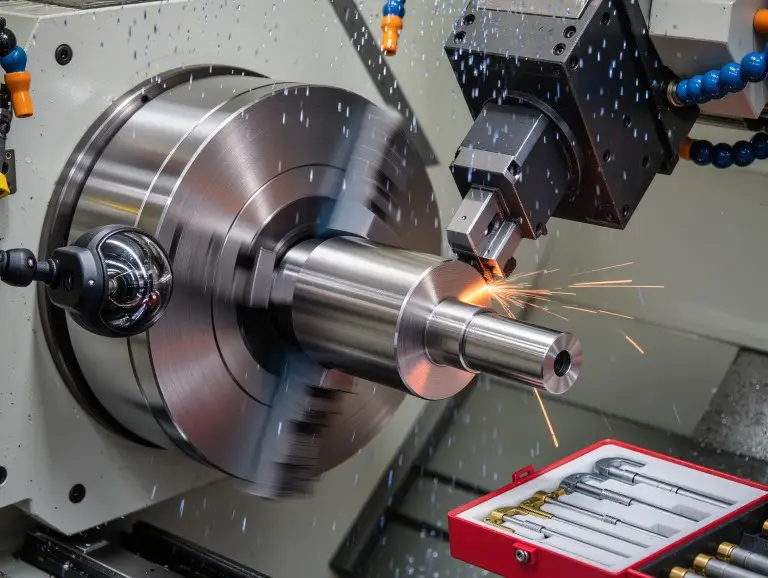
If you’re exploring CNC machining for your manufacturing needs, it’s important to understand its limitations upfront. While CNC machining offers incredible precision and automation, it’s not without challenges. High initial costs, material restrictions, and complex programming can impact your project’s cost-effectiveness and timelines. Knowing these limits can save you time and resources—helping you make smarter decisions about when and how to use CNC technology. Stay with me, because understanding these limitations will help you harness CNC’s full potential without surprises.
Introduction: Overview of CNC Machining and Its Growing Popularity
In recent years, CNC machining has become a cornerstone of modern manufacturing. This technology, which stands for Computer Numerical Control machining, allows precise and automated production of complex parts across various industries—from aerospace and automotive to medical devices. Its growing popularity is driven by the ability to deliver high-quality, repeatable results quickly and efficiently, making it an essential tool for engineering and manufacturing teams.
However, while CNC machining offers many advantages like enhanced precision and faster turnaround times, it isn’t without its limitations. Understanding the challenges involved—such as high initial costs, design restrictions, and material constraints—is crucial for making informed decisions. Whether you’re considering CNC machining for a new project or evaluating alternative manufacturing methods, being aware of its limitations helps optimize your approach and reduce unexpected issues.
This comprehensive overview will explore the key limitations of CNC machining, providing insights into the challenges faced in this advanced manufacturing process. By understanding these factors, engineers and decision-makers can better balance the benefits of precision machining with its potential drawbacks, ensuring smarter, more cost-effective production strategies.
Understanding CNC Machining: Quick Recap of What CNC Is and Its Common Uses
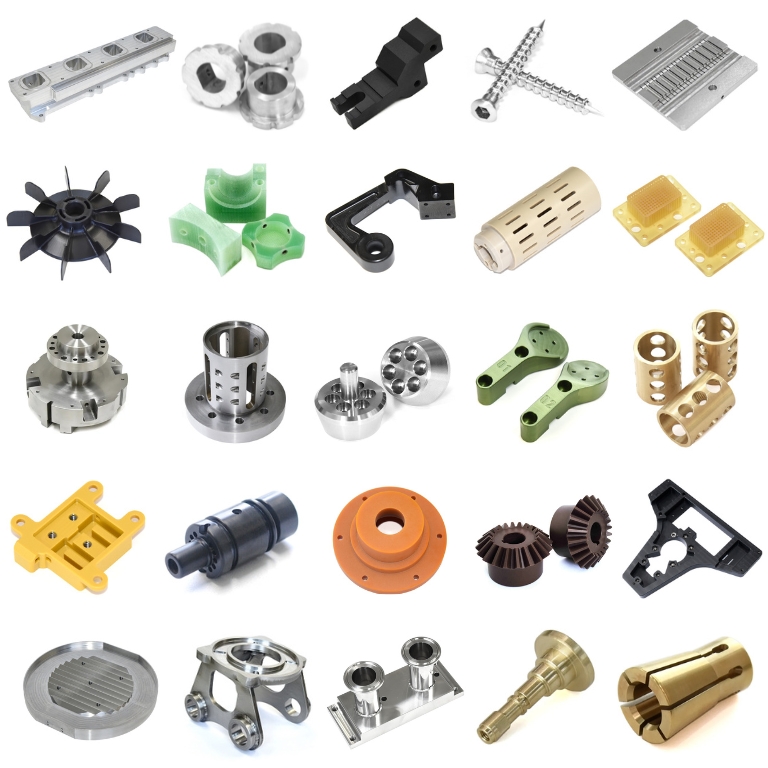
CNC machining, or Computer Numerical Control machining, is a manufacturing process where computer-driven tools shape parts with high precision. It replaces manual labor with automated control, allowing for complex designs to be made accurately and repeatedly. CNC machines are used across many industries, from aerospace and automotive to medical devices and electronics. They can handle a wide range of materials, including metals, plastics, and composites. This versatility makes CNC machining a popular choice for producing detailed parts, prototypes, and even small to medium production runs.
However, while CNC offers numerous advantages like accuracy and consistency, it also has some inherent limitations worth understanding, especially if you’re considering it for your next project.
Why CNC Machining Is Widely Used: Advantages That Lead to Its Adoption
CNC machining has become a go-to choice in manufacturing because of its many advantages. The main reason it’s so popular is its ability to produce highly precise and consistent parts, which is essential for industries like aerospace, medical devices, and automotive. Unlike manual machining, CNC offers repeatability, so every part is identical, saving time and reducing waste.
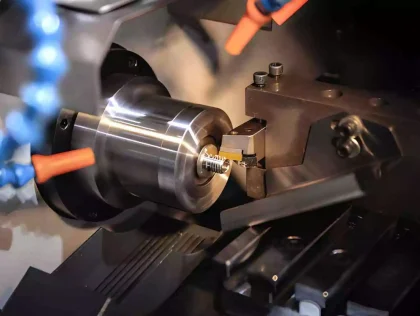
Another big benefit is flexibility. With the right software, CNC machines can quickly switch between different designs, making them great for small batch runs and custom projects. Plus, CNC machining can handle complex geometries and detailed features that would be tough or impossible with traditional manual methods. For example, high-precision CNC turning can achieve intricate cuts with minimal human error.
However, despite these benefits, it’s important to understand the limitations of CNC technology, which can include high costs and certain material constraints. This awareness helps companies make smarter decisions when integrating CNC into their manufacturing processes.
Key Limitations of CNC Machining: An In-Depth Look at the Main Challenges
While CNC machining offers incredible precision and flexibility, it’s not without its drawbacks. These limitations of CNC technology can impact your overall manufacturing process, especially when it comes to cost, complexity, and material choices. Understanding these challenges helps in making smart decisions about when and how to use CNC machining effectively.
One common issue is the high initial costs and setup expenses. Buying CNC machinery, investing in specialized software, and training skilled operators can add up quickly. For small businesses or projects with tight budgets, these costs might be prohibitive, making alternatives like manual machining or 3D printing more attractive in some cases.
Another challenge is complexity in programming and operation. CNC machines need precise programming, which requires technical skills. Errors in code or setup can lead to costly mistakes or machine downtime. This is why many companies work with expert CNC operators or consider outsourcing to reliable service providers, like MS Machining, who specialize in precision CNC machining.
Material limitations also come into play. Not all materials are suitable for CNC machining. Very hard, brittle, or specialized materials may cause tooling wear or damage, thus limiting the range of options. If you’re working with tough metals or composites, it’s essential to choose the right material and tooling to avoid problems.
Limitations in design are also common. CNC machines have difficulty replicating complex geometries, internal features, or intricate undercuts without advanced techniques like 5-axis CNC. These design constraints can restrict creativity if not properly planned for during the CAD phase.
Furthermore, production volume constraints mean CNC is less efficient for small batch or low-volume runs. Setting up CNC for each project takes time, so for short runs, traditional methods or alternative solutions might be more cost-effective.
Regular maintenance is crucial but challenging, as CNC machines require routine upkeep to ensure accuracy and reduce downtime. Unexpected repairs can cause delays, and neglecting maintenance can lead to accuracy issues or machine failure.
Lastly, there are environmental and safety concerns. CNC machining consumes energy, generates waste, and poses safety risks if not operated properly. Proper safety protocols and waste management are essential to keep operations smooth and compliant with standards.
By understanding these limitations of CNC technology, manufacturers can plan better, optimize designs, and choose the right processes. For those seeking solutions to these challenges, exploring advanced options like multi-axis CNC or partnering with experienced providers can make a difference. Want to learn more about precision CNC machining services? Check out MS Machining’s offerings.
High Initial Costs and Setup Expenses
One of the main limitations of CNC machining is the high initial investment. Setting up a CNC shop isn’t cheap—buying the right machinery, like multi-axis CNC mills or lathes, can cost tens of thousands of dollars. Plus, you need advanced software licenses for design and control, which adds to the expense.
Another big factor is skilled labor. CNC machining requires trained operators and programmers who understand complex programming language and machine calibration. Finding and retaining qualified staff can drive up costs significantly, especially for small shops or startups.
Additionally, the expenses don’t stop once the equipment is in place. Routine maintenance, calibration, and occasional repairs can be costly over time. For many companies, these high upfront and ongoing costs are a major barrier—especially when compared to other manufacturing methods like manual machining or 3D printing, which require less initial investment.
If you’re considering CNC machining for your project, it’s crucial to weigh these setup costs against the benefits, and plan carefully. For more insights on quickly ramping up production, check out CNC roughing techniques.
Complexity in Programming and Operation
One of the main limitations of CNC machining is the complexity involved in programming and operation. While CNC machines can produce highly precise parts, they require specialized skills to set up and run effectively. Mistakes in programming can lead to errors, wasted material, and costly rework. For small businesses or those new to CNC, this learning curve can be steep. Additionally, complex parts or advanced features—like those requiring 5-axis CNC—demand more sophisticated programming and careful attention to detail. If not handled properly, errors in code can result in damaged tools or flawed parts, which hurts productivity and increases costs.
To minimize these risks, many companies invest in training and experienced operators, but that adds to the overall CNC machining cost issues. For those considering CNC for production, understanding the skill level needed for efficient operation is crucial. Proper training can make a big difference, but it’s an ongoing challenge for companies that want to stay competitive in precision machining. For more on how to manage these challenges, check out our insights on CNC machining and software programming.
Material Limitations of CNC Machining: Restrictions with Hard, Brittle, or Specific Materials
One of the key limitations of CNC machining is its material restrictions. While CNC allows for high precision and repeatability, it can struggle with certain types of materials, especially hard, brittle, or specialized ones. For example, very hard metals like tungsten or titanium can be challenging to machine because they wear down cutting tools quickly, increasing costs and downtime. Brittle materials such as ceramics or certain composites are also problematic because they tend to crack or chip under the cutting forces involved in CNC processes.
Additionally, some materials require specific types of tool bits or machining conditions that aren’t always compatible with standard CNC setups. This means that certain materials simply aren’t ideal choices for traditional CNC machining, and alternative methods might be needed. If you’re working with complex or delicate materials, it’s a good idea to consult with specialists and consider options like CNC tube bending services that can better handle those materials without risking damage or compromising quality.
Overall, understanding material limitations is crucial to getting the best results and avoiding costly mistakes in your manufacturing process.
Design Constraints: Limitations on Complex Geometries and Internal Features
When it comes to CNC machining, one of the main limitations of CNC technology is its challenge with complex geometries and internal features. While CNC machines can produce precise parts, creating intricate designs with tight internal spaces or complex angles can be difficult or sometimes impossible.
Internal features like holes, cavities, or channels often require special tooling or multiple setups, increasing time and cost. For example, CNC milling may struggle with deep internal grooves or narrow passages without specialized tooling or multi-axis setups such as 5-axis CNC machines. However, these advanced machines still have limits against ultra-complex shapes.
Design constraints also affect how you plan parts. Sharp corners may need to be rounded to avoid tool limitations. Overhangs or internal undercuts often need additional operations or alternative manufacturing methods like 3D printing. This means some designs must be simplified or adapted to fit CNC machining capabilities.
For businesses, understanding these limitations of CNC technology helps in designing parts that are manufacturable without excessive costs or delays. If your project requires highly complex internal features, exploring alternative techniques or combining methods might be necessary.
For more on how design impacts manufacturing, check out CNC machining copper services for details on material-specific design limits.
Production Volume Constraints in CNC Machining
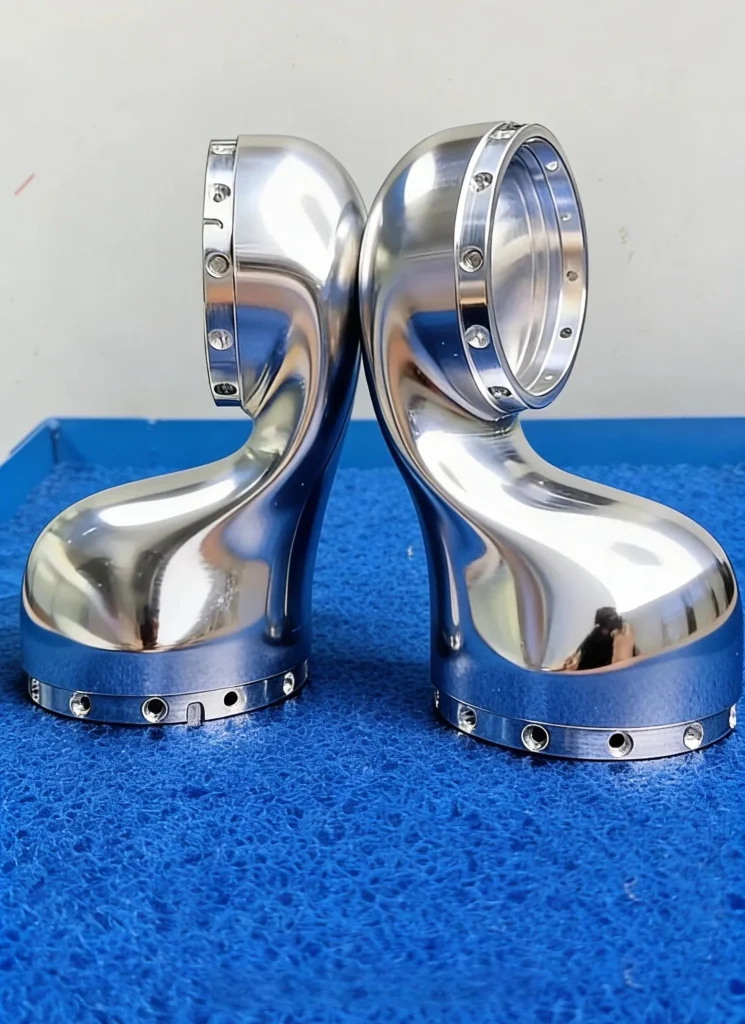
One of the main limitations of CNC machining is its inefficiency for small batches and low-volume production runs. Since setting up CNC machines involves significant time and cost—like programming, fixture creation, and tool changes—it often isn’t cost-effective for short runs. This makes it less appealing for companies needing quick, small-scale production or prototypes.
Unlike traditional manual machining, which can quickly adapt to small runs, CNC machining shines best when producing large quantities. For small orders, the high initial setup costs and longer lead times can outweigh the benefits, making other methods like 3D printing or manual machining better options. If you’re planning low-volume runs, it’s worth considering these factors to avoid wasting resources.
For a better understanding of how CNC setup impacts production volume, check out what does a CNC machine stand for. This knowledge helps in planning the right manufacturing method based on your project size.
Maintenance and Downtime Challenges of CNC Machining
One of the main limitations of CNC machining is the ongoing maintenance and potential for equipment downtime. CNC machines require regular upkeep, including cleaning, lubrication, calibration, and part replacements. If scheduled maintenance isn’t kept up or unexpected repairs are needed, production can come to a halt, causing delays and increased costs.
Downtime can also occur due to machine breakdowns or software issues, which can interrupt production schedules, especially if parts are needed quickly. Just like any complex machinery, CNC equipment needs skilled technicians to troubleshoot and fix issues effectively. Without proper maintenance, the reliability of CNC machines can decrease, making their operation more costly and time-consuming.
For manufacturers focusing on efficiency, these maintenance challenges highlight the importance of planning for regular servicing and having backup machines ready to step in if needed. Additionally, choosing reliable CNC equipment and investing in preventative maintenance can help reduce unexpected downtime and keep production running smoothly. For more about ensuring consistent quality and reducing maintenance issues, see our custom metal fabrication solutions.
Environmental and Safety Concerns of CNC Machining
One of the limitations of CNC machining is its environmental impact and safety risks. CNC machines tend to consume a lot of energy, especially when operating multiple axes or high-power tools. This high energy use can lead to increased carbon footprint if not managed properly. Additionally, machining generates waste material, which needs proper disposal or recycling to avoid environmental harm.
Safety is another concern, as CNC operators are exposed to moving parts, cutting fluids, and debris, which can pose injury risks if safety protocols aren’t followed. Proper safeguards, training, and protective gear are essential to keep operators safe, but these requirements add to the overall operational costs.
More companies are actively seeking eco-friendly practices in CNC machining, such as optimizing energy use and reducing waste, but these challenges remain a key part of the limitations in adopting CNC technology on a larger scale. For example, advanced sheet metal cutting techniques can help minimize waste, but safety measures still need to be rigorously maintained to protect workers.
Comparing CNC to Alternative Manufacturing Methods
When it comes to manufacturing parts, CNC machining is just one option among many. Manual machining offers more flexibility and lower setup costs, making it suitable for small runs or prototypes. However, it usually lacks the precision and repeatability found in CNC processes. On the other hand, 3D printing has gained popularity for rapid prototyping and complex designs that might be difficult or costly to produce with CNC. While 3D printing can handle complex geometries more easily, it often falls short in material strength and surface finish compared to CNC machining.
CNC machining excels in producing high-precision parts with tight tolerances and superior surface quality. Still, it also faces limitations, like high initial costs and constraints on certain materials. Comparing CNC machining vs manual machining or 3D printing highlights these pros and cons, so choosing the right method depends on your project’s specific needs—whether that’s speed, accuracy, or cost. To understand how CNC can be integrated into your production line or how it stacks up against other options, our CNC engineering services can provide tailored advice.
How MS Machining Overcomes CNC Limitations with Solutions and Expertise
At MS Machining, we understand that CNC machining has its limitations—like high initial costs, complex programming demands, and restrictions with certain materials. That’s why we’ve invested in advanced technology and developed specialized processes to address these challenges. Our team of experts leverages capabilities like multi-axis CNC machines, which help push past design constraints and improve precision for complex parts.
We also focus on optimizing our workflows to reduce setup times and material waste, making small batch production more cost-effective. When it comes to programming, our skilled engineers are experienced in handling intricate designs and can troubleshoot errors quickly, minimizing downtime. Additionally, we work with a broad range of materials, including hard or brittle options, by customizing cutting tools and machining parameters.
By combining cutting-edge equipment, top-tier expertise, and a customer-first approach, MS Machining effectively overcomes the common limitations of CNC technology. Whether it’s tackling high-cost issues or addressing safety and maintenance concerns, our solutions ensure you get high-quality, precise parts without the typical hurdles associated with CNC machining. Want to learn how we can meet your unique needs? Visit our CNC precision engineering page for more details.
Practical Tips for Mitigating CNC Limitations: Design Optimization, Material Choices, and Partnering
While CNC machining offers many advantages, its limitations can be a challenge—especially for small to medium-sized businesses. The good news is that with some smart strategies, you can minimize these downsides and get the most out of your projects.
Focus on Design Optimization
One of the fastest ways to overcome the design constraints of CNC machining is by optimizing your part designs. Keeping designs simple and avoiding overly complex geometries can reduce tooling and programming errors. For example, redesigning parts to feature larger internal radii or smoother corners can improve machinability and reduce production time. Tools like metrology and guides to precision can help you better understand how to refine your designs for CNC.
Select the Right Materials
Material limitations in CNC machining are real, especially when dealing with very hard, brittle, or specialty materials. Choosing materials that are easier to machine without sacrificing strength or durability can help avoid excessive tool wear or machine stress. For instance, opting for aluminum instead of hardened steel can significantly reduce machining challenges and costs. Partnering with a trusted CNC service provider can also ensure you’re working with the best-suited materials for your project.
Partner with Experienced CNC Machining Experts
Working with a partner who understands the nuances of CNC machining can make a big difference. They can advise on design adjustments, material selections, and process improvements to work around the typical limitations. A good CNC partner also stays updated on the latest machine technology—like 5-axis CNC—to help you get high-precision parts even for complex projects.
Additional Tips
- Utilize advanced software tools for better programming accuracy to reduce errors.
- Plan for small batch runs if you’re working with low production volumes, since CNC may not be as efficient for small quantities.
- Regular maintenance and quick repairs can help minimize downtime, keeping your production on schedule.
By focusing on smart design, careful material selection, and collaboration with experienced CNC providers, you can mitigate many of the common CNC machining disadvantages and keep your manufacturing process running smoothly.
Balancing Benefits and Drawbacks for Smart Manufacturing Decisions
While CNC machining offers impressive precision and efficiency, it’s important to understand its limitations before diving in. High initial costs, complex programming, and material restrictions can pose real challenges. For example, CNC turning and multi-axis machines require a significant investment in both equipment and skilled operators, which may not suit every budget or project size.
Additionally, design constraints and production volume issues make CNC less ideal for small batch or low-volume runs. Maintenance and safety concerns also add to the ongoing costs and operational risks.
That said, by carefully weighing these drawbacks against the benefits — such as high accuracy and automated production — businesses can make smarter manufacturing decisions. Sometimes, alternative methods like manual machining or 3D printing might be a better fit, depending on the project needs.
Ultimately, understanding these limitations helps us choose the right tools for the job, ensuring quality results without unexpected costs. For those looking to optimize their operations, exploring solutions like advanced CNC machining can help overcome some of these barriers and keep production smooth.