
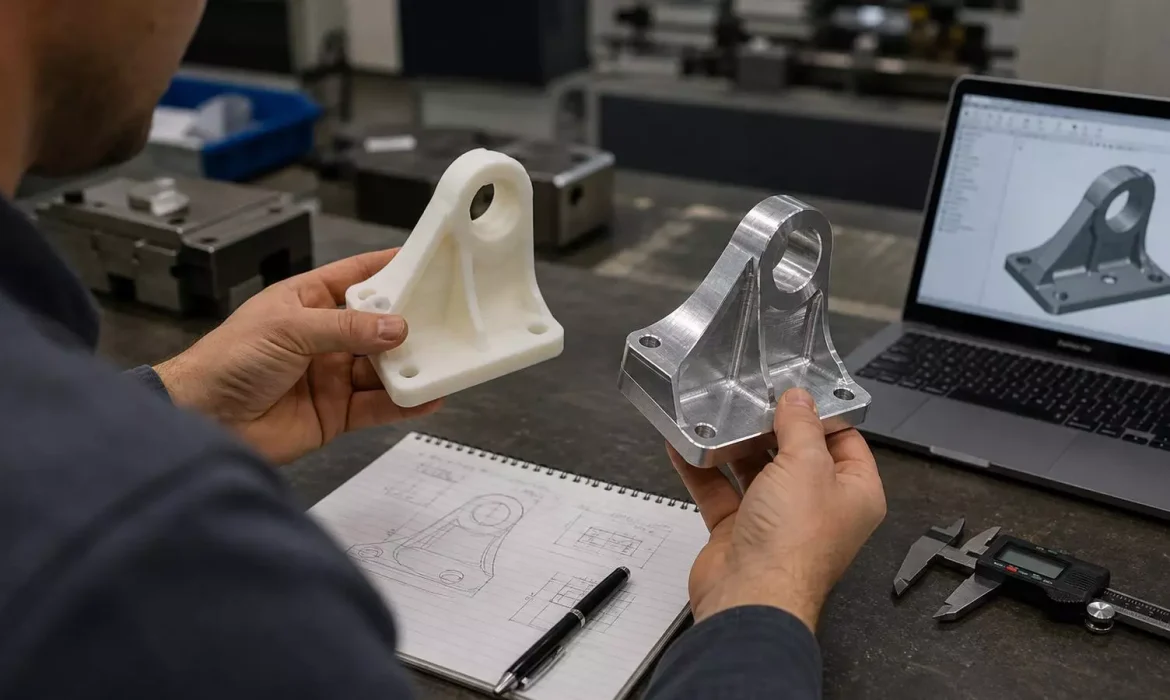
A CAD model is only the beginning of a manufacturing project. While the design defines the geometry, dimensions, and features of a part, it does not determine how that part should be manufactured. The same component can often be produced through different manufacturing methods, but the final result may vary...
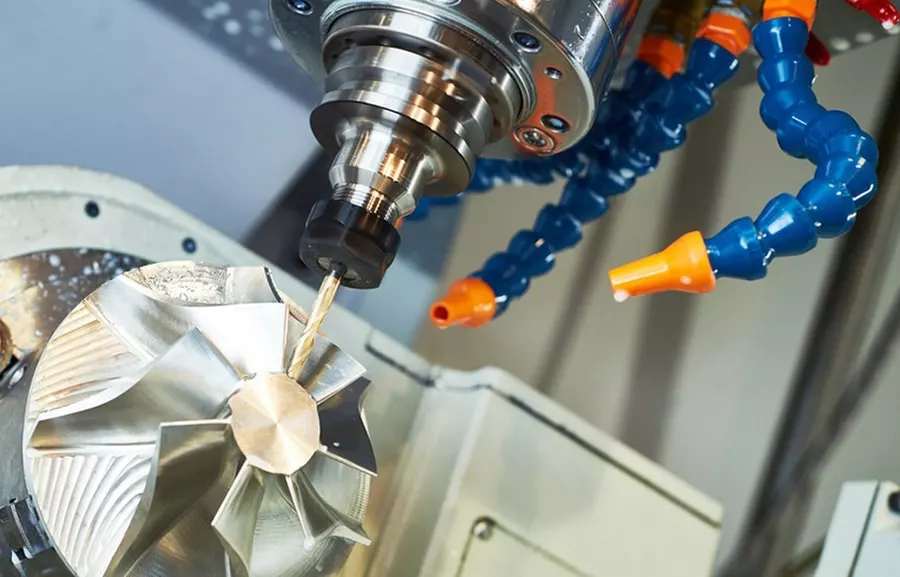
How Tight Is Precision CNC Machining? Feature Limits, Cost, and Inspection
What’s CNC Precision Machining? Let’s start with what is CNC machining. CNC machining uses computer-controlled machine tools to remove material from a workpiece based on a CAD model, drawing, and programmed toolpaths. The machine controls the movement of the cutting tool, spindle speed, feed rate, and cutting depth to produce...
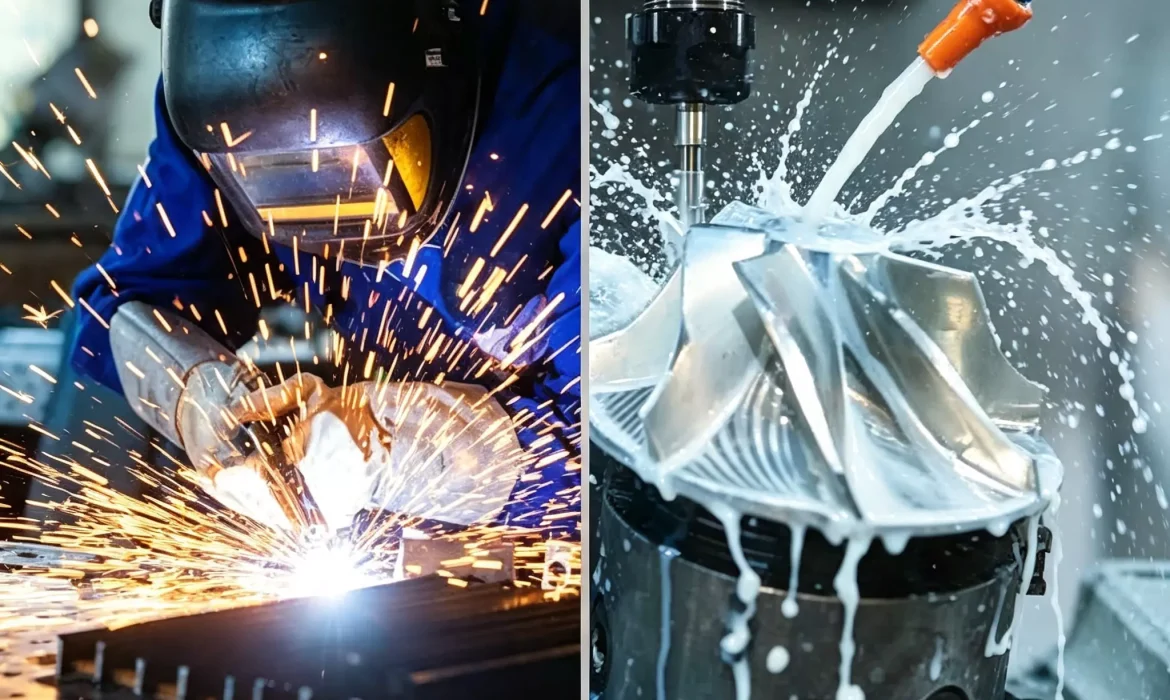
What Is the Main Difference Between Fabrication and Machining?
In metal manufacturing, fabrication and machining are two common methods used to produce metal components. Both processes transform raw materials into finished parts, but they follow different manufacturing approaches. Fabrication creates parts by changing material forms and joining different sections together. Machining produces parts by removing material from a workpiece...
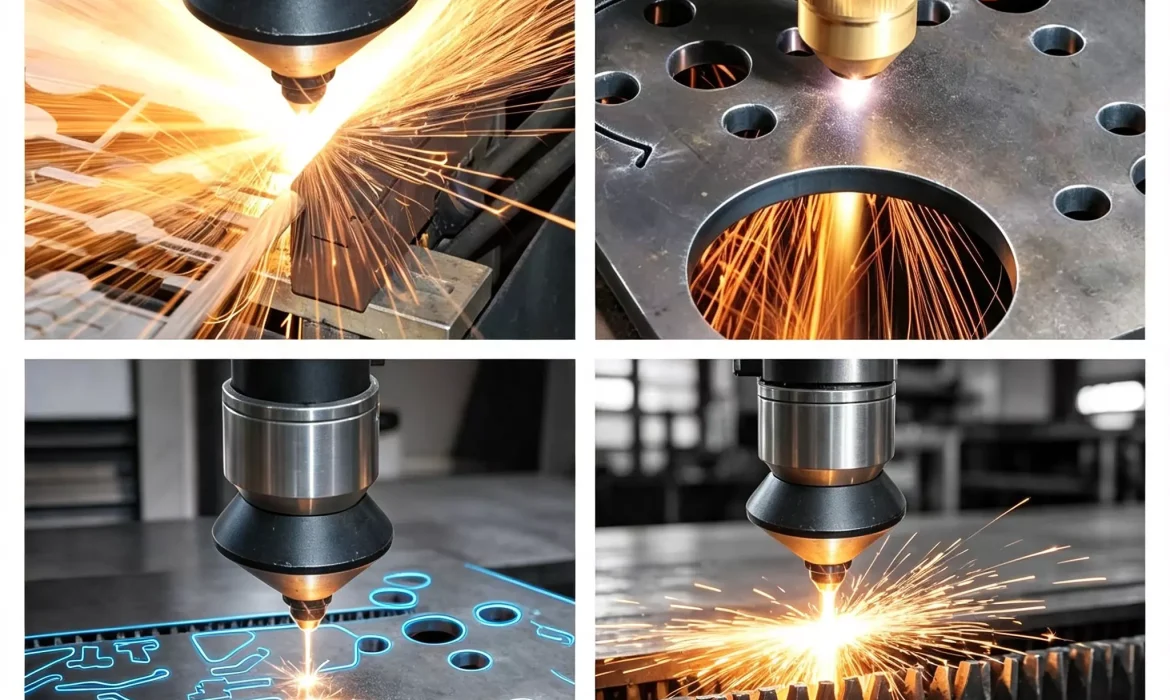
Metal Cutting Methods: How Manufacturers Choose the Right Process for Different Parts
A Metal Part Doesn't Start With a Machine—It Starts With a Requirement When engineers review a new part drawing, the first discussion is rarely about which machine should be used. Instead, they begin by looking at what the part needs to achieve and how it will move through the Metal...
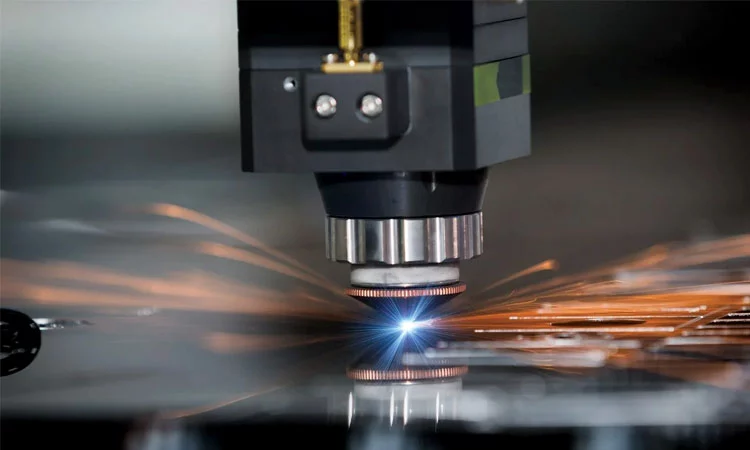
Welding Machining: How CNC Machining Services Support Precision Welded Components
In many industrial manufacturing projects, a single production process is not enough to complete a finished metal component. Large structures, custom equipment parts, and fabricated assemblies often require a combination of welding and CNC machining to meet both structural and dimensional requirements. Welding provides the flexibility to create complex structures...
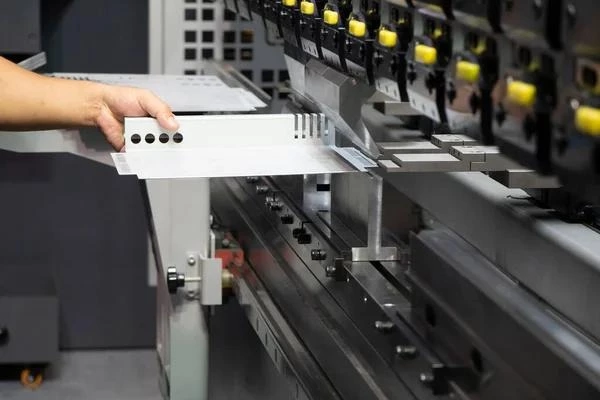
Metal Forming Process: Methods, Material Behavior, and Manufacturing Considerations
Introduction The metal forming process is widely used in manufacturing to produce components ranging from simple brackets to structural frames and automotive panels. Unlike machining, which creates a part by removing material, metal forming changes the shape of a workpiece through controlled deformation while keeping most of the material intact....