
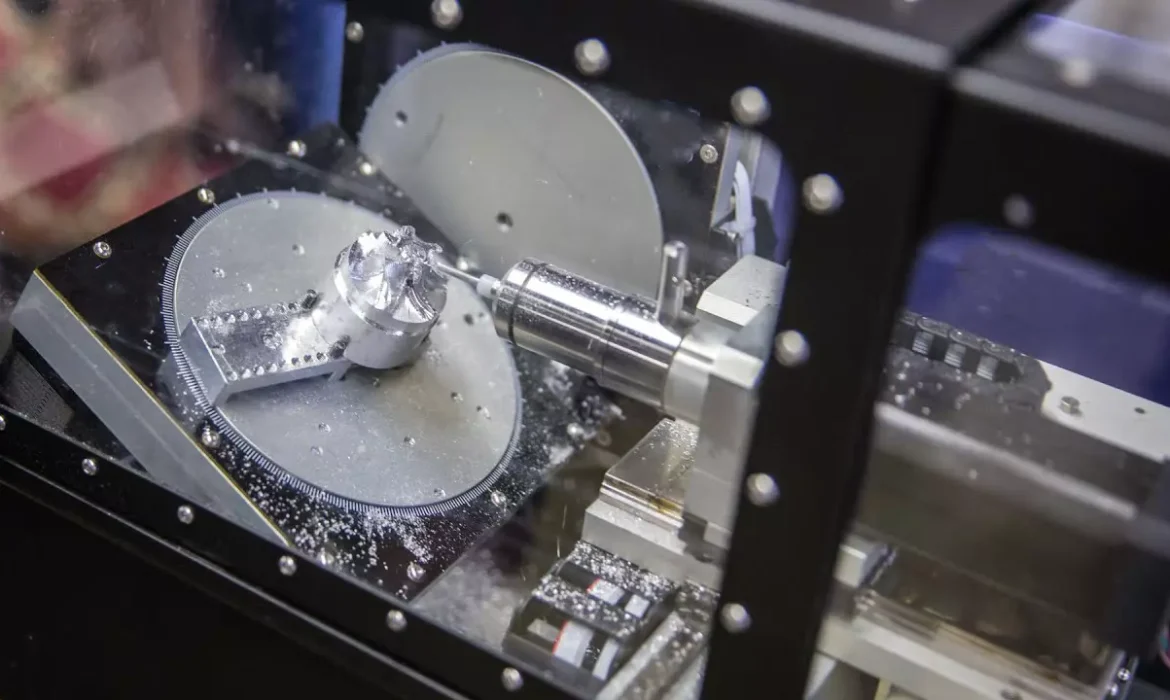
A CNC machine can make a part from aluminum, stainless steel, brass, titanium, engineering plastics, and many other materials. It can produce a simple mounting plate or a multi-sided component with pockets, holes, threads, and contoured surfaces. That range is one reason CNC machining is used across prototype development, industrial...
Blog
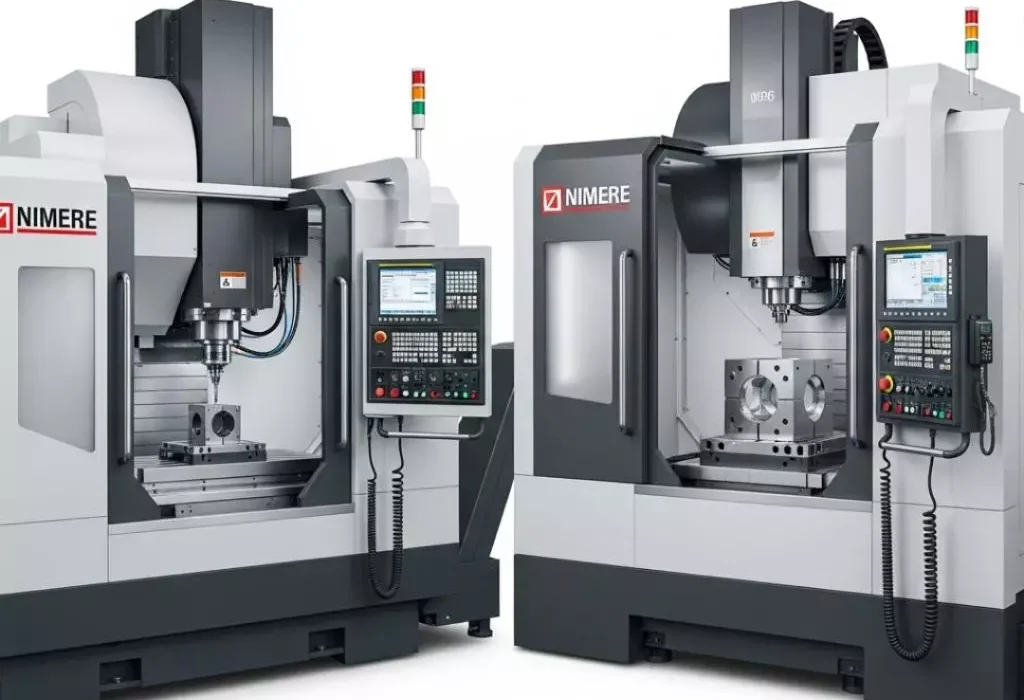
Vertical vs Horizontal CNC Machining Centers: Key Differences and How to Choose the Right One
Choosing between a vertical machining center (VMC) and a horizontal machining center (HMC) is not simply a matter of comparing two machine configurations. Both can perform milling, drilling, tapping, boring, and other CNC machining operations. The difference becomes more meaningful when the machine has to deal with the actual geometry...
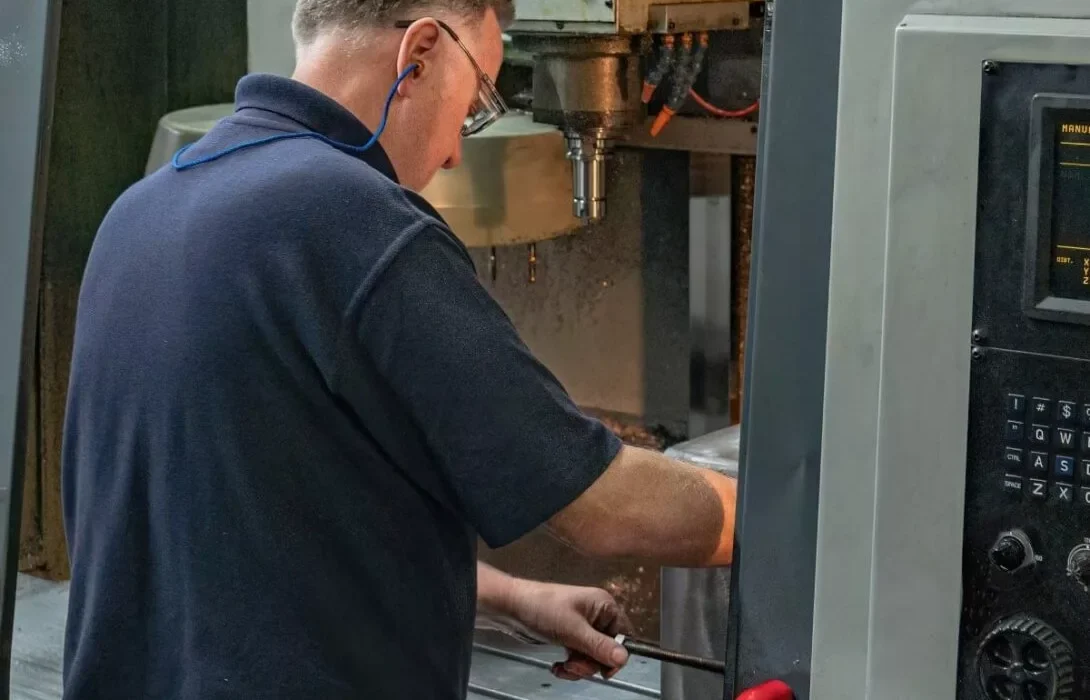
Is CNC Machining a Dying Trade? The Reality Behind Today’s Machining Industry
The question “Is CNC machining a dying trade?” usually comes from observing some real changes happening in manufacturing. Over the past years, CNC machining has become more automated. Many factories have introduced newer machines, better software, and more efficient production methods. Some machining tasks that once required constant manual attention...
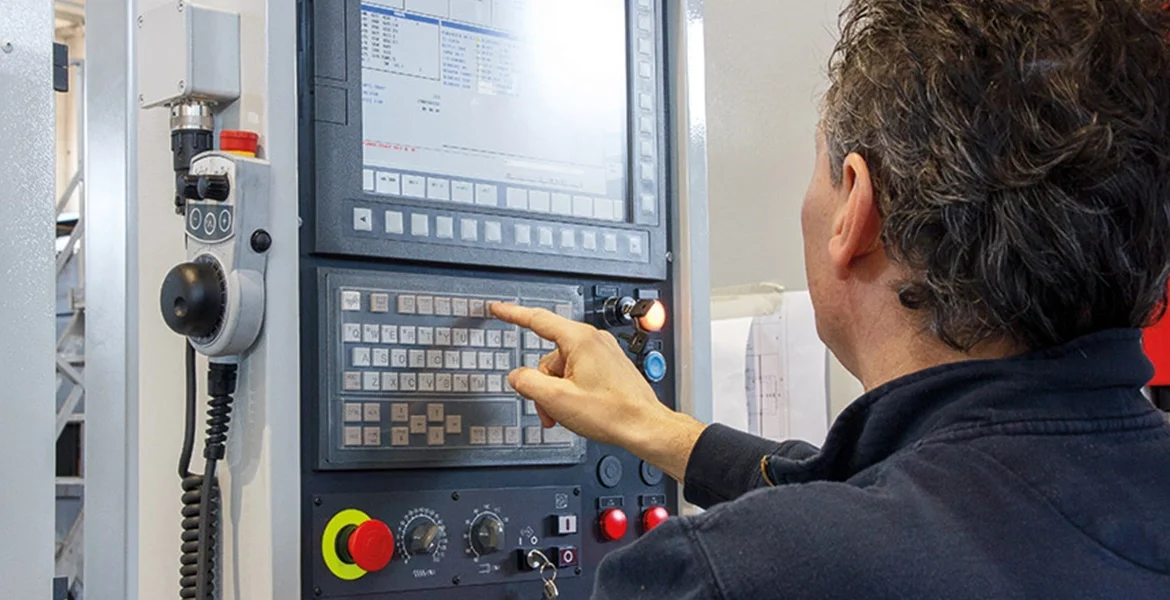
What Are the Components Used in a CNC Machine? Understanding How Each System Affects Machining Accuracy
When a CNC machined part fails to meet the drawing requirements, the problem is not always caused by programming mistakes or incorrect dimensions in the design file. In many cases, the actual cause comes from the machine itself — how accurately it positions the tool, how stable the spindle runs,...
CMM Inspection in CNC Machining: What Engineers Should Know
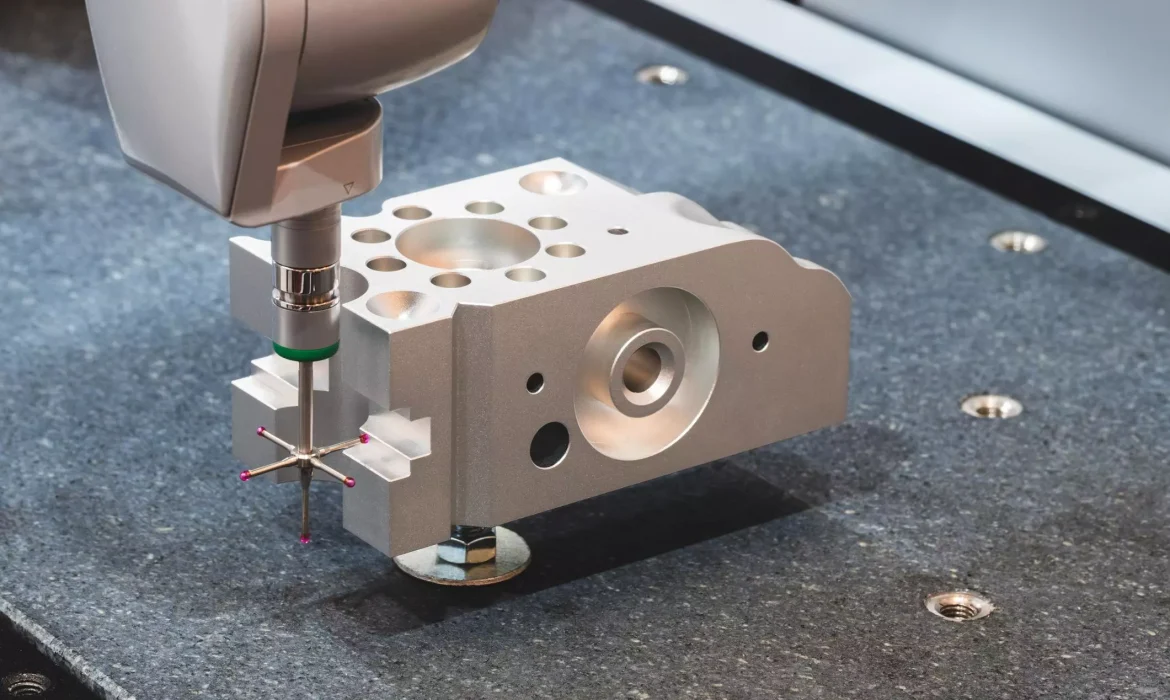
Introduction In CNC machining, verifying a part is not only about checking whether individual dimensions meet the drawing requirements. A component can have the correct hole size, thickness, and overall dimensions, yet still create problems during assembly if the relationship between different features is incorrect. A mounting plate is a...
CNC Machining vs 3D Printing: Which Manufacturing Method Fits Your Project?
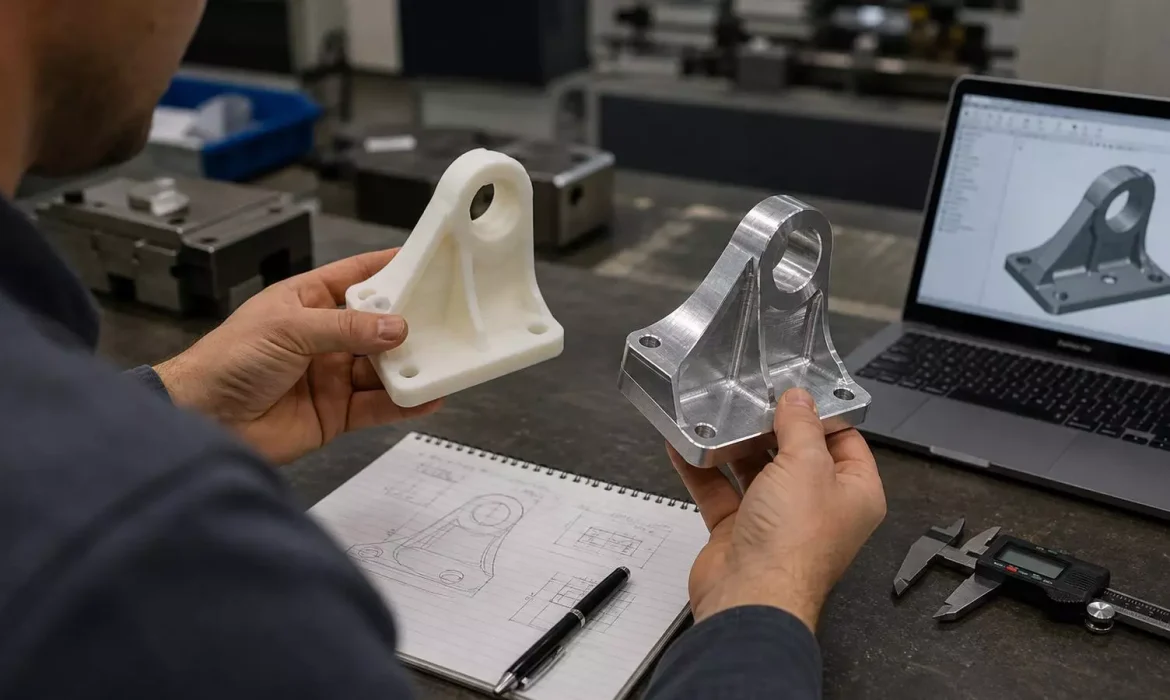
A CAD model is only the beginning of a manufacturing project. While the design defines the geometry, dimensions, and features of a part, it does not determine how that part should be manufactured. The same component can often be produced through different manufacturing methods, but the final result may vary...