

In the hardware industry, the transition from a late-stage prototype to full-scale market availability is a defining moment. But when your demand jumps from 50 units to 10,000, the manufacturing logic changes entirely. At MS Machining, we define High Volume Manufacturing (HVM) not just by quantity, but by Process Integrity....
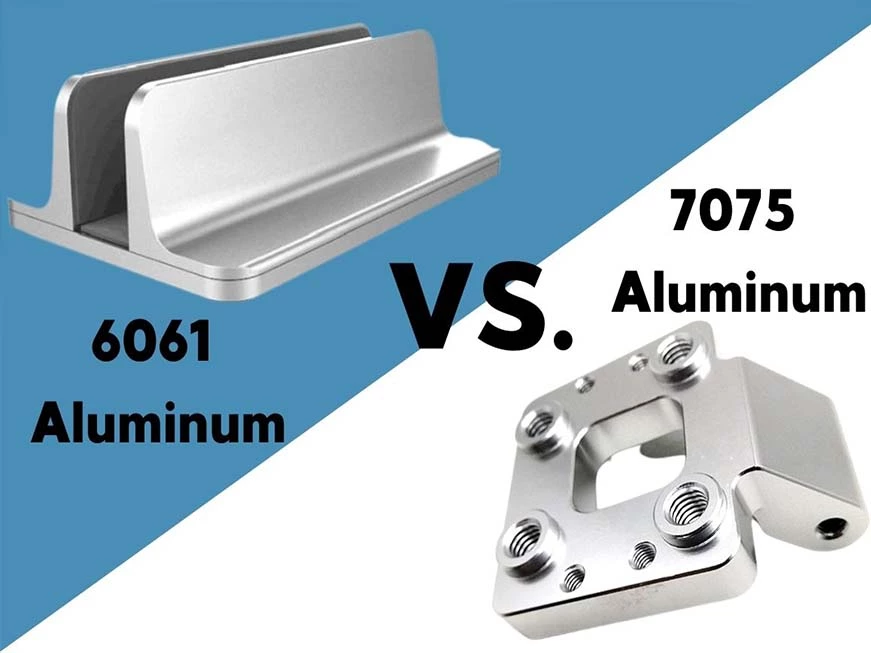
Aluminum 6061 vs. 7075: Which Grade is Best for Your CNC Project?
When sourcing precision CNC parts, the choice between Aluminum 6061 and 7075 isn't just a technical spec—it’s a strategic business decision. Choosing 7075 when 6061 suffices can inflate your budget by 40%, while choosing 6061 for a high-stress application could lead to catastrophic part failure.At MS Machining, we process tons...
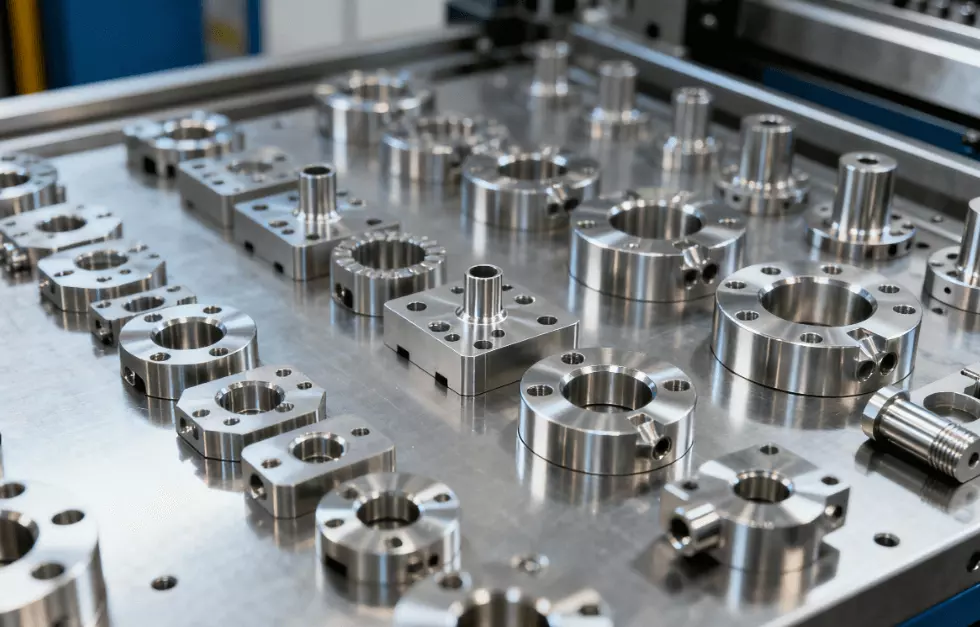
CNC Precision Engineering Services for Accurate Manufacturing
If you’re exploring CNC precision engineering, you’re tapping into one of the most critical technologies shaping modern manufacturing. Precision matters—whether it’s aerospace components, medical devices, or automotive parts, even the tiniest error can have huge consequences. But what exactly is CNC precision engineering, and how can it transform your production...

Brass vs Stainless Steel in CNC Machining | Key Differences and Uses
Brass vs Stainless Steel: Which Metal Is Right for Your Needs? When choosing between brass and stainless steel, many people ask, “Which is better for my project?” Whether you’re considering hardware, plumbing parts, or decorative items, understanding the key differences can help you make an informed decision. Both metals have...
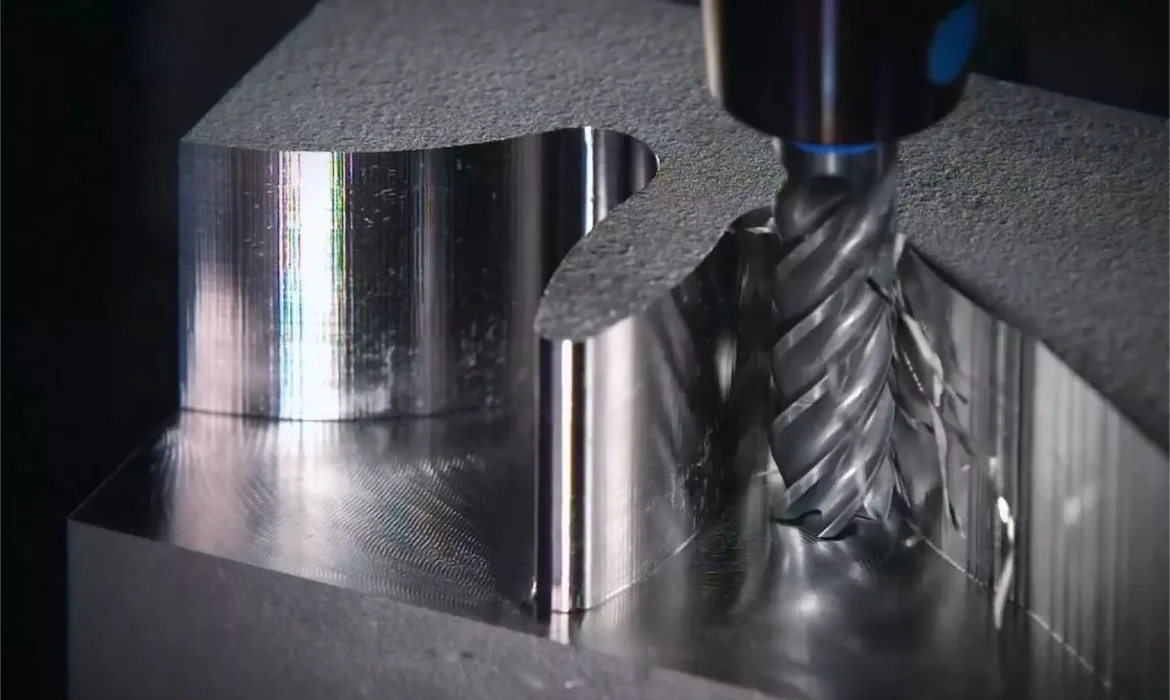
Hard Milling Process: Advantages of Machining Hardened Steel Components Above 50 HRC
In high-precision manufacturing, processing steel components exceeding 50 HRC (Rockwell C) frequently involves a combination of soft machining, heat treatment, and secondary processes such as EDM (Electrical Discharge Machining) or grinding. While this sequence is widely utilized to manage material hardness, Hard Milling provides an alternative route by machining materials...

Custom Machining Services for Precision Parts and Prototyping
What Is Custom Machining? Are you wondering how tailored parts are made? Custom machining is the process of creating precision custom parts designed specifically to meet unique requirements. Unlike standard off-the-shelf components, custom machining produces bespoke machined components that fit your exact specifications. How Custom Machining Differs from Standard and...