
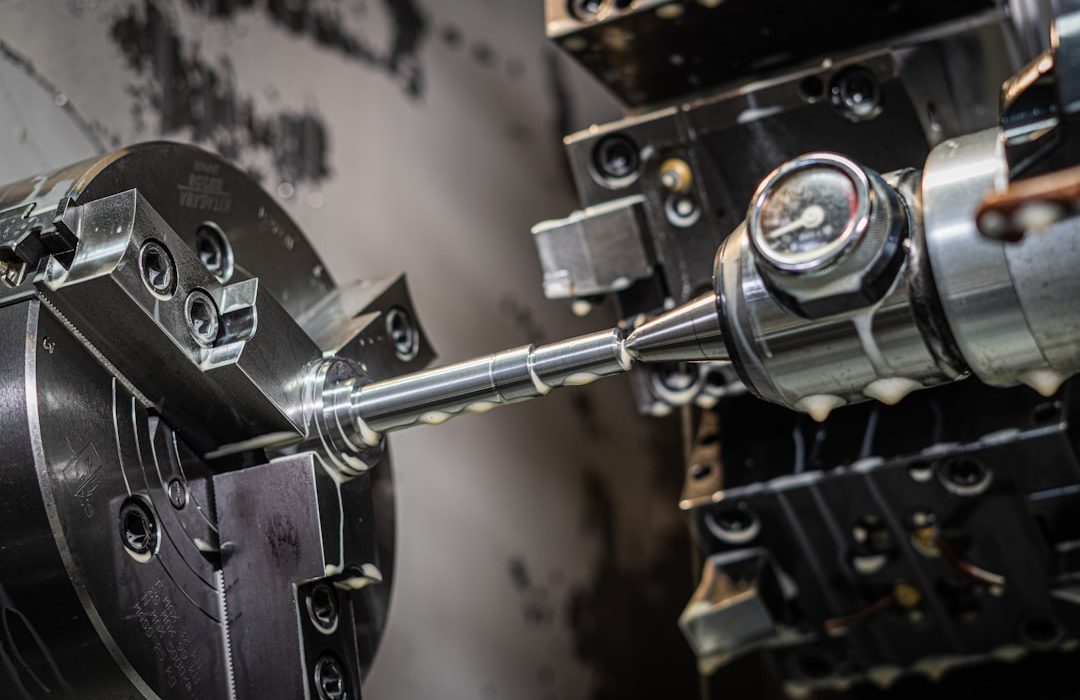
CNC machining represents an accessible entry point into the world of precision manufacturing. For those new to the field, grasping the fundamentals of Computer Numerical Control (CNC) opens up significant opportunities to create high-quality parts with remarkable accuracy. This guide covers everything a beginner needs to know, from basic concepts...
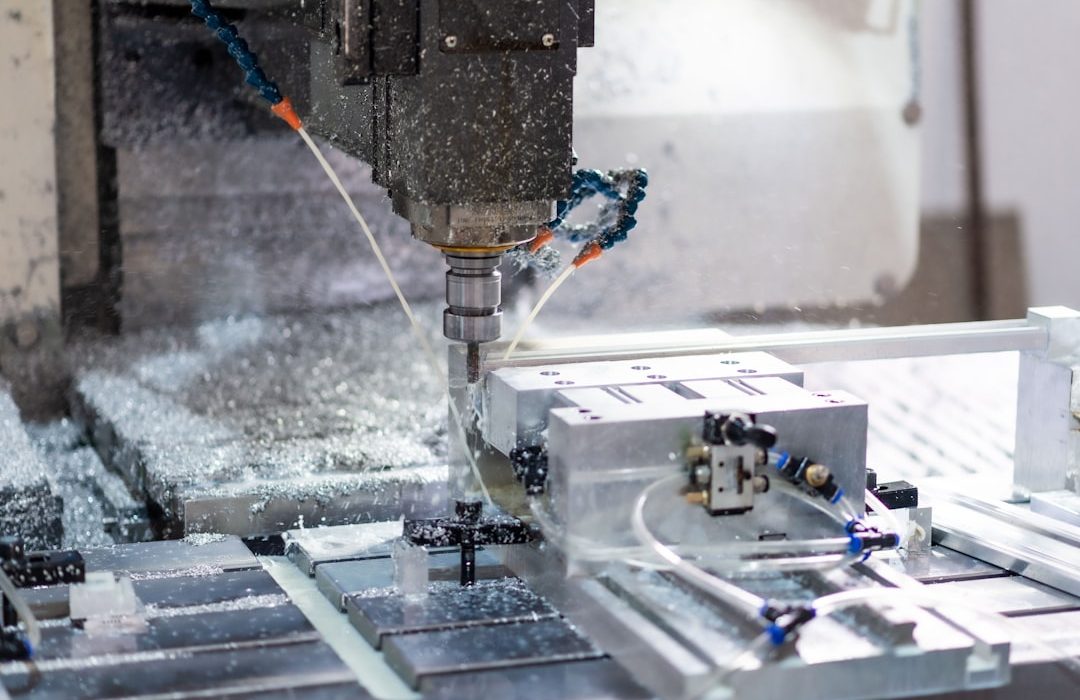
Outsourcing CNC Machining: 8 Strategic Benefits for Your Business (2026 Guide)
Strategic Advantages: The Top Benefits of Outsourcing to Professional CNC Machining Services Outsourcing to professional CNC machining services offers numerous strategic advantages for businesses seeking to optimize their manufacturing processes. These specialized partners provide access to advanced equipment and technical expertise that many companies cannot maintain in-house cost-effectively. This approach...
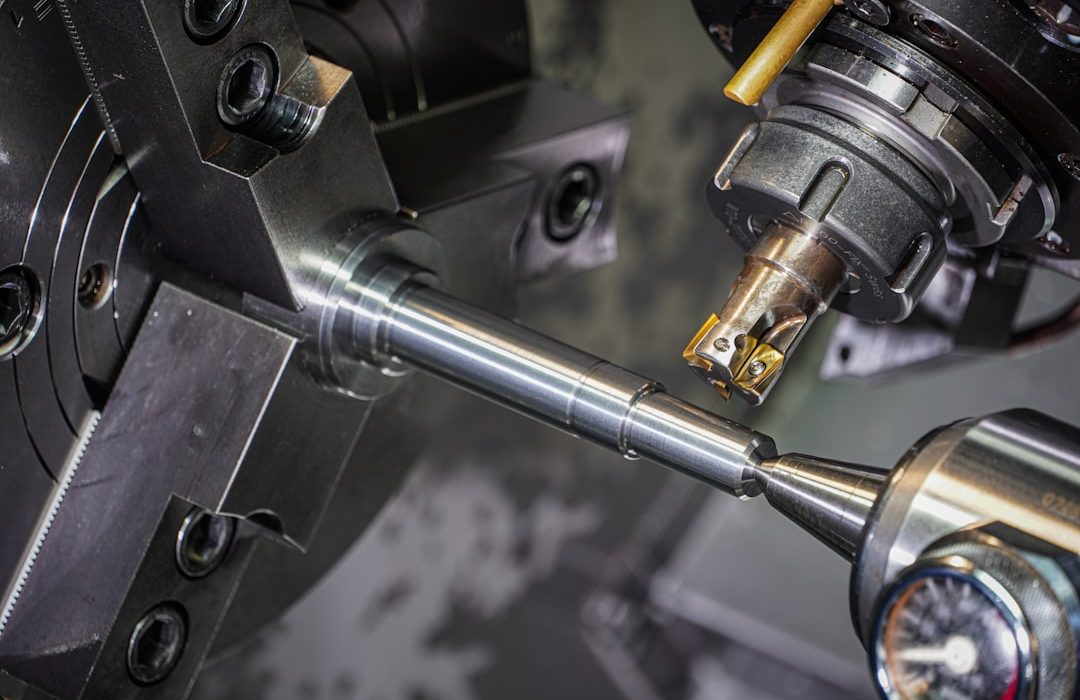
How CNC Machining Services Improve Production Efficiency
Modern manufacturing has been revolutionized by precision machining, a field that delivers consistent quality while optimizing workflows across diverse industrial sectors. By utilizing computer numerical control (CNC) technology to automate complex cutting and forming processes, manufacturers gain precise control over every aspect of production. In a hyper-competitive market where throughput,...

Custom CNC Machining Services: From Concept to Finished Product
This comprehensive process bridges the gap between innovative ideas and tangible, high-quality components. Our approach takes designs from initial concepts through to fully finished products ready for use or assembly. We excel at transforming unique requirements into precision-manufactured parts that meet specific functional and aesthetic needs. This article explores the...
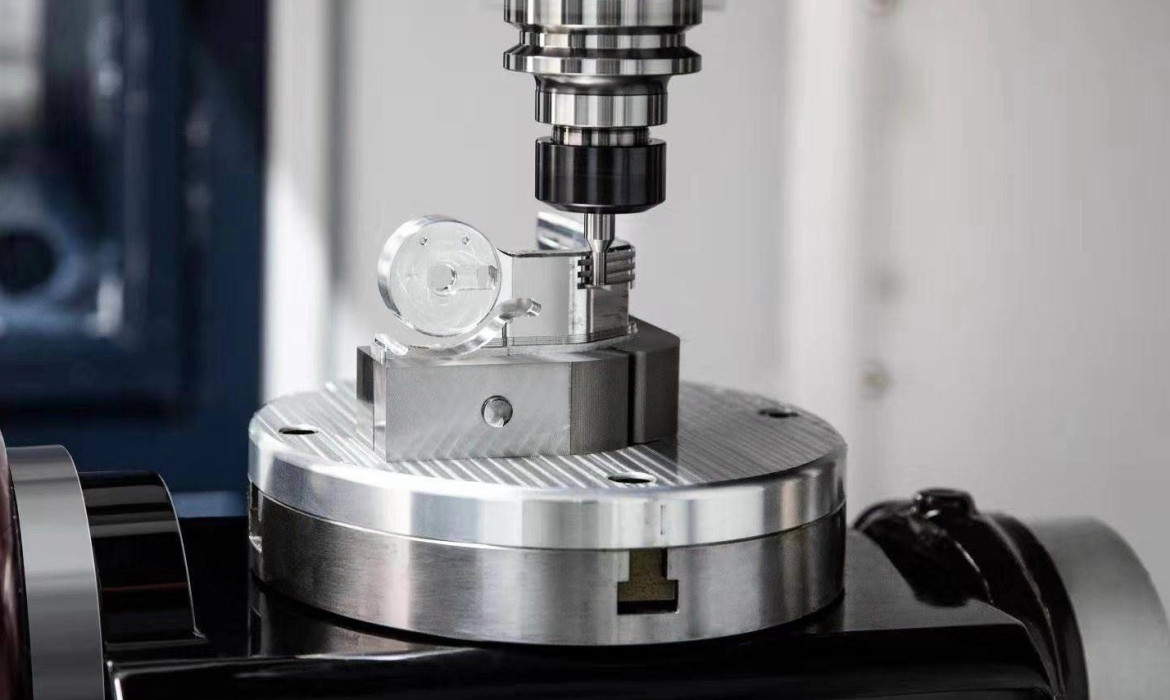
Design for Manufacturability (DFM) for 4-Axis CNC Machining: Optimizing Tool Access and Reducing Cycle Times
In precision manufacturing, 4-axis CNC machining—primarily achieved by introducing a rotary axis (A or B-axis)—provides an efficient solution for complex geometries, cylindrical surfacing, and continuous multi-sided machining. However, many R&D engineers complete highly creative three-dimensional designs in CAD software while completely overlooking the physical kinematic constraints and interference limitations of...
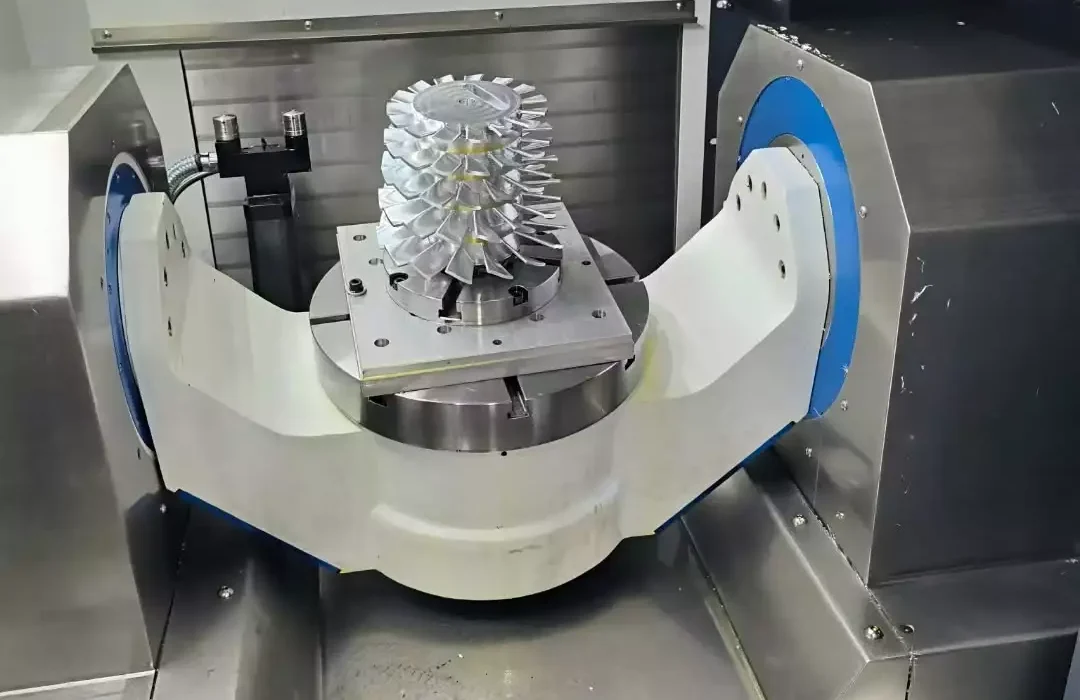
Tired of Quality Issues? How a Reliable 5-Axis CNC Machining Service Elevates Your Experience with Custom CNC Machining
In the realm of precision manufacturing, the gap between theoretical blueprints and actual delivered parts can often introduce substantial hurdles. As an R&D engineer or procurement manager, you are likely no stranger to the constant balancing act between design optimization and manufacturing feasibility. When projects involve intricate geometries and stringent...