Oil and gas equipment components are manufactured for operating environments where component reliability directly affects equipment availability, maintenance requirements, and overall system performance. Parts used in valves, pressure control systems, drilling equipment, pumps, and offshore equipment may experience continuous mechanical loads, pressure fluctuations, temperature changes, and exposure to corrosive media during service. Because these components often operate in demanding conditions, manufacturing decisions made before production can influence not only dimensional accuracy but also long-term equipment performance.
For CNC machining suppliers, producing oil and gas components requires more than converting a technical drawing into a finished part. The supplier needs to understand how the component functions within the equipment system, which features are critical to operation, and how manufacturing methods affect the final result. The choice of machining process, production sequence, workholding method, and material processing approach all contribute to whether a component can be produced consistently.
Unlike industries built around standardized high-volume production, oil and gas manufacturing often involves specialized components, replacement parts, and relatively small production quantities. A single project may require the development of a new component, reproduction of an existing part, or support for future repeat orders after long periods of operation. These requirements create a need for manufacturing processes that are flexible, technically controlled, and capable of supporting different project conditions.
The most important manufacturing considerations for oil and gas equipment components are usually related to how the part will perform in its working environment. Pressure requirements, sealing performance, corrosion resistance, mechanical loading, and compatibility with existing equipment all influence how the component should be manufactured. Understanding these factors during the early stages helps reduce production risks and improves the likelihood that the finished component will meet application requirements.
Manufacturing Pressure-Containing Components for Oil & Gas Equipment
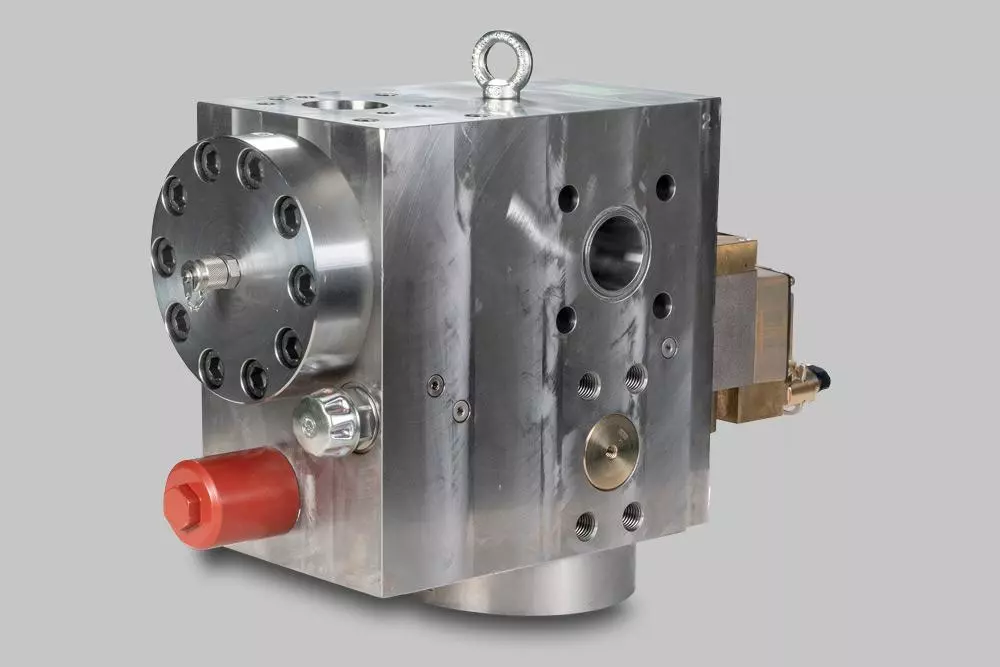
Pressure-containing components represent one of the most demanding categories of oil and gas parts because they form part of systems designed to control fluids under operating pressure. Components such as valve bodies, pressure control housings, manifolds, and related connection parts must maintain structural integrity while also providing accurate interfaces with other components in the system.
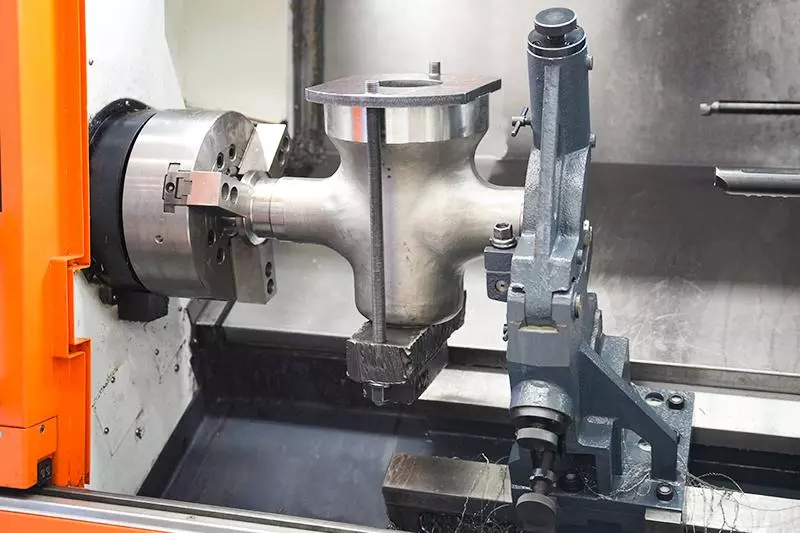
The manufacturing challenge of these components often comes from the relationship between internal geometry and external requirements. A valve body or pressure component may appear simple from the outside, but internal passages, sealing areas, and connection interfaces can require complex machining operations. These features determine how fluids move through the component and how effectively different parts work together after assembly.
Internal passages require particular attention during manufacturing because accessibility can become limited as feature depth increases. Tool selection, machining sequence, and cutting conditions need to be considered before production begins. If internal features are not properly planned during the manufacturing stage, issues related to dimensional accuracy, surface condition, or production repeatability may occur.
Sealing surfaces are another critical area because they directly affect equipment performance. These surfaces often require accurate machining relationships with surrounding features to ensure proper assembly. The machining process needs to maintain the required geometry while preventing unnecessary variation between different components.
The sequence of machining operations can significantly influence the final result. Removing large amounts of material from one area of a component may affect part stability during later operations. For this reason, CNC suppliers need to evaluate how the component should be positioned, supported, and machined throughout production rather than focusing only on individual features.
Pressure-related components also require consideration of manufacturing consistency. In oil and gas applications, producing one acceptable part is usually not enough. Customers often need confidence that additional components produced later will maintain the same functional requirements. Stable machining processes and controlled production methods become important factors in long-term supply.
Material Considerations in Oil & Gas Component Manufacturing
Material selection plays an important role in oil and gas component manufacturing because materials influence both service performance and manufacturing requirements. Components used in these applications may need resistance to corrosion, mechanical stress, pressure conditions, or temperature variation. However, the selected material also affects how the part can be machined and what production considerations need to be addressed.
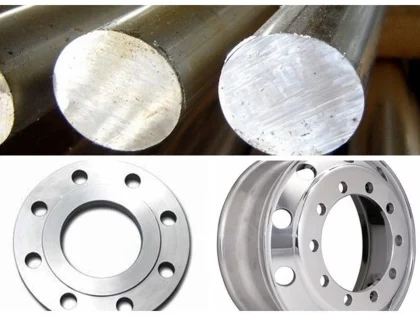
Corrosion-resistant alloys and high-strength materials are commonly considered for oil and gas applications because components may operate in environments where standard materials cannot provide sufficient service life. Stainless steels, duplex stainless steels, nickel-based alloys, and other specialized materials may be selected depending on the operating requirements of the equipment.
From a manufacturing perspective, these materials can introduce additional challenges. Some corrosion-resistant alloys have machining characteristics that require careful control because of factors such as work hardening, cutting force, heat generation, and tool wear. A machining approach that works well for conventional materials may not provide the same results when applied to more demanding alloys.
Material behavior also influences production planning. Cutting parameters, tooling selection, machining sequence, and production time may need to be adjusted based on the specific material characteristics. Understanding these factors before machining begins helps avoid unnecessary production problems and improves process stability.
Material considerations are also connected with replacement part manufacturing. When reproducing an existing oil and gas component, the original material requirements may need to be evaluated carefully. Selecting an alternative material without considering mechanical properties, corrosion behavior, and operating conditions can affect the performance of the replacement component.
For this reason, material selection should be considered as part of the overall manufacturing strategy rather than a separate design decision. The most suitable material is not only one that meets operating requirements but also one that can be processed reliably while maintaining the required component performance.
Producing Replacement Parts for Existing Oil & Gas Equipment
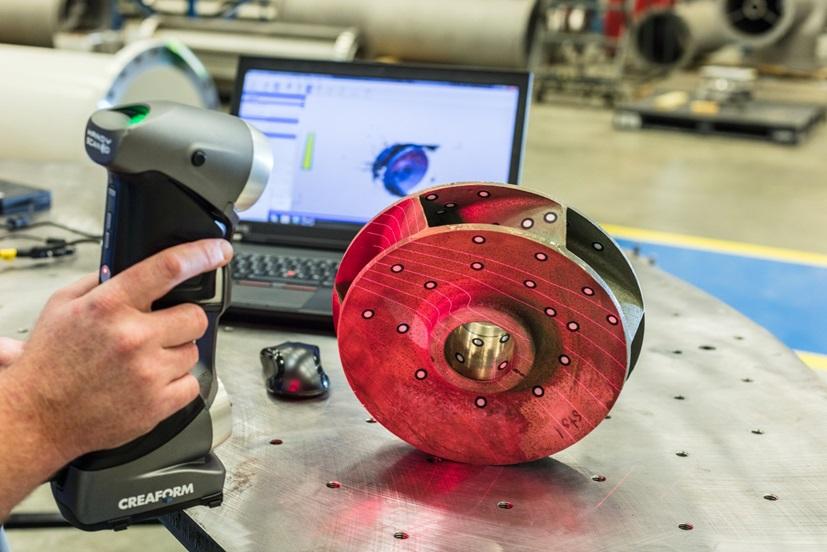
Replacement part manufacturing is an important requirement in the oil and gas industry because many equipment systems remain in operation for extended periods. Unlike newly developed equipment where complete design data is usually available, replacement projects often involve older systems, discontinued components, or equipment that requires maintenance support after many years of service.
The difficulty of manufacturing replacement components is not only related to machining the physical part. The first challenge is understanding the original design intent. A supplier may receive outdated drawings, incomplete technical information, previous production data, or an existing component that needs to be recreated. Before machining begins, the manufacturer needs to identify which dimensions, surfaces, and features are essential for the component to function correctly within the existing system.
Reverse engineering can become part of this process when original design information is unavailable. However, reproducing a replacement component is not simply a matter of measuring the external shape of an existing part. The supplier needs to understand functional areas such as connection interfaces, sealing locations, mounting features, and critical dimensions that influence how the component interacts with other equipment.
This process requires careful evaluation because a replacement component may look similar to the original part while still creating problems during installation or operation if important details are overlooked. Manufacturing decisions need to consider the complete assembly environment rather than only the individual component.
Material evaluation is another important factor during replacement manufacturing. Older components may have been produced using materials that are no longer commonly available, or customers may request updated materials based on current operating requirements. Any material change needs to consider mechanical properties, corrosion behavior, machining characteristics, and compatibility with the existing equipment.
Replacement manufacturing also requires consistency because customers may need additional parts in the future. Maintaining manufacturing information, machining methods, and production knowledge helps suppliers reproduce components when similar requirements appear later. This is particularly important for oil and gas equipment that may remain operational for decades.
For equipment operators and manufacturers, the ability to obtain reliable replacement components can reduce downtime and extend the service life of existing systems. A supplier capable of supporting these projects needs not only CNC machining capability but also the ability to understand existing equipment requirements and develop practical manufacturing approaches.
Machining Complex Internal Features and Critical Connections
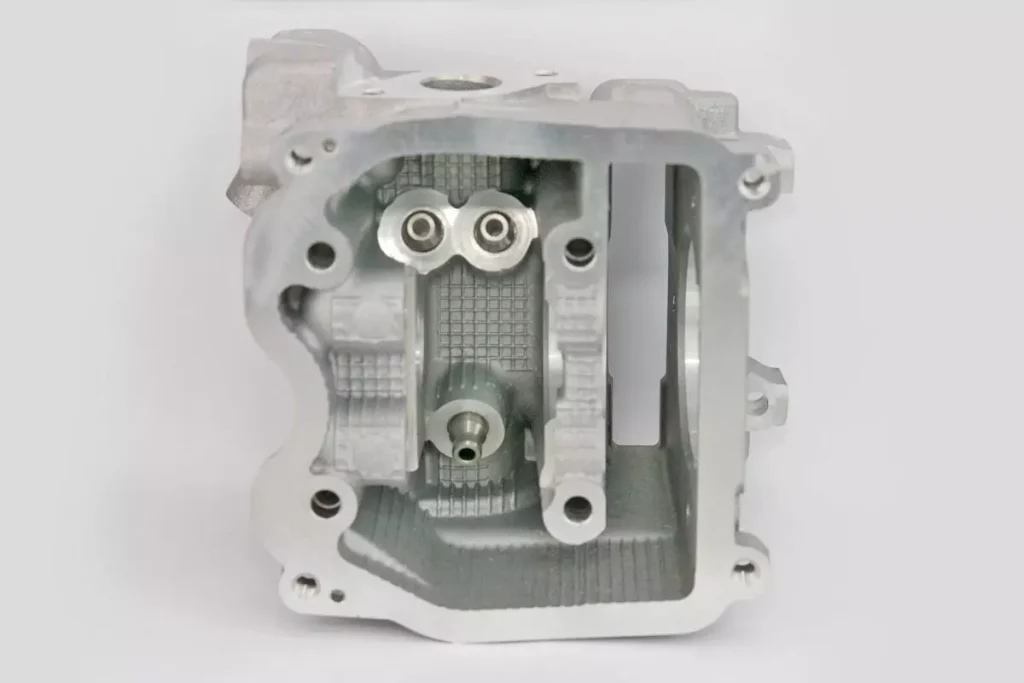
Many oil and gas equipment components contain internal features that create significant machining challenges. These features are often related to fluid control, pressure management, sealing, or mechanical connection, which means their accuracy directly affects the performance of the complete equipment system.
Deep internal passages are one of the common difficulties in these components. As the depth of a feature increases, tool access becomes more limited and maintaining dimensional accuracy becomes more challenging. Long cutting tools may experience deflection during machining, while chip removal and surface quality can become more difficult to control.
The manufacturing process for internal features requires careful planning before production begins. The supplier needs to consider how the tool will reach the required area, how the component will be supported during machining, and how each operation affects the final geometry. Poor process planning can lead to unnecessary rework or difficulty maintaining consistent results.
Internal bores and flow passages are especially important because they often influence how fluids move through the equipment. Their dimensions, alignment, and surface condition may affect system performance after assembly. For this reason, machining these features requires more than simply achieving the specified diameter or depth.
Connection areas also require careful control because many oil and gas components depend on accurate interfaces between multiple parts. Threaded connections, flange surfaces, and sealing locations need to maintain their relationship with other features to ensure correct installation and reliable operation.
The complexity of these components often increases the number of machining operations required. A part may need multiple setups to access different areas, and each repositioning step introduces another opportunity for alignment variation. Selecting suitable machining strategies can help reduce unnecessary setups while maintaining the required accuracy.
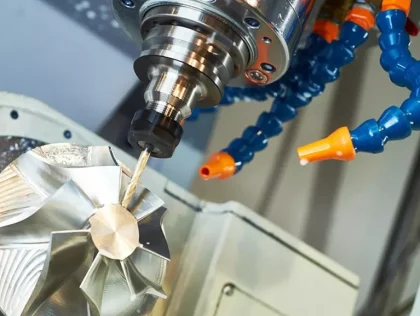
Multi-axis CNC machining may provide advantages for certain components by improving access to complex geometries and reducing repositioning requirements. However, the appropriate manufacturing method depends on the actual component design, production requirements, and cost considerations. The goal is not simply to use more complex equipment but to develop a stable process that produces consistent results.
Manufacturing Challenges in Offshore and Field Applications
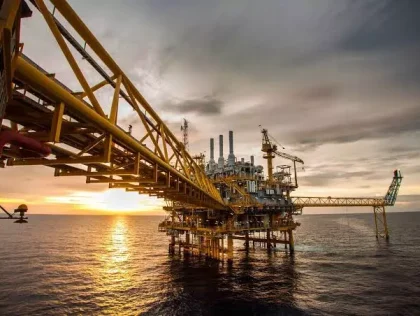
Oil and gas components used in offshore and field applications often require additional manufacturing considerations because equipment may operate in environments where maintenance access is limited. Once equipment is installed offshore or in remote locations, replacing a failed component can involve significant operational disruption, transportation requirements, and additional maintenance planning.
This creates different expectations for component manufacturing. Parts need to be produced with consideration for long-term service conditions rather than only initial installation. The manufacturing process needs to support reliable component performance because future replacement opportunities may not always be convenient or immediate.
Offshore applications can also introduce additional environmental factors that influence component requirements. Exposure to seawater, humidity, temperature variation, and corrosive conditions may affect material selection and component design. These factors need to be considered during manufacturing planning because they influence how the finished part will perform after installation.
Replacement support is particularly important for offshore equipment because the availability of suitable components can directly affect maintenance schedules. A supplier capable of reproducing complex components accurately can provide support when original supply channels are limited or when equipment requires customized replacement solutions.
Field conditions may also require flexibility from the manufacturing supplier. Component requirements can change based on equipment condition, maintenance findings, or operational modifications. The ability to communicate technical information and adjust manufacturing plans becomes an important part of supporting these applications.
For offshore and remote equipment, manufacturing quality is closely connected with operational reliability. The objective is not only to produce a component that meets drawing requirements but to manufacture a part that can function correctly within a demanding operating environment.
Managing Low-Volume Production and Repeat Orders
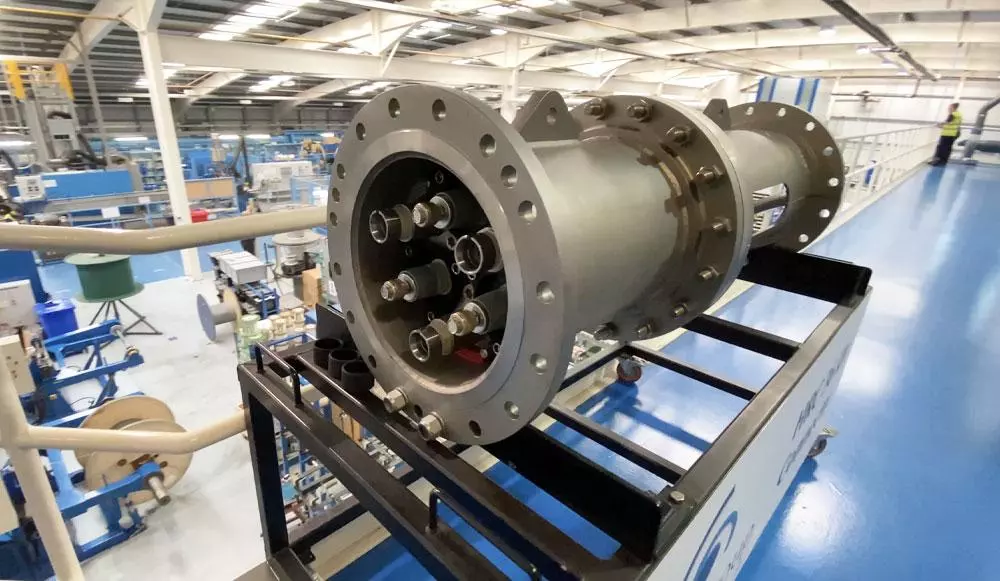
Oil and gas component manufacturing often operates under conditions that are different from industries focused on large-scale standardized production. Many projects involve specialized components, replacement parts, prototypes, or limited production runs where manufacturing flexibility is more important than achieving maximum production volume.
For low-volume projects, the preparation required before machining can represent a significant part of the overall manufacturing process. Programming, fixture development, tooling selection, and process planning all influence production efficiency. A supplier needs to evaluate the most practical manufacturing approach while maintaining the required component specifications.
The challenge with low-volume production is finding the right balance between preparation effort and production requirements. A component may require extensive engineering review and machining preparation even when only a small quantity is required. This is common for oil and gas equipment because many parts are designed for specific systems rather than mass production.
Repeat orders create another important consideration. Oil and gas equipment may remain in service for many years, and customers may require additional components long after the initial manufacturing project has been completed. Maintaining production knowledge, machining methods, and technical information helps ensure that future parts can be produced according to the original requirements.
Consistency between production batches is especially important for replacement components. A part manufactured today may need to match a component produced months or years earlier. Stable manufacturing processes help reduce differences between production runs and support long-term equipment maintenance.
Flexibility is also important because oil and gas projects are often influenced by operational conditions rather than predictable consumer demand. A supplier may need to support changing quantities, updated requirements, or urgent replacement needs. The ability to adapt while maintaining manufacturing control is an important consideration when selecting a machining partner.
Supporting Engineering Changes During Manufacturing
Engineering communication is an important part of oil and gas component manufacturing because many projects involve technical adjustments before or during production. A drawing provides the required design information, but manufacturing experience can identify potential issues related to machining feasibility, production sequence, or component accessibility.
During the early review stage, CNC machining suppliers need to evaluate how the component can be produced effectively. This includes understanding the relationship between part geometry, machining operations, tooling requirements, and production limitations. Identifying potential issues before machining begins can reduce delays and unnecessary modifications later in the project.
Design changes may occur for different reasons, including equipment upgrades, performance improvements, or adjustments based on field experience. Changes in dimensions, features, or material requirements can affect the manufacturing process and may require additional evaluation before production continues.
A supplier that understands both engineering requirements and machining limitations can provide more practical feedback during these discussions. The purpose of manufacturing feedback is not to change the intended function of the component but to ensure that the design can be produced consistently using suitable processes.
This communication becomes especially important for complex or replacement components where manufacturing information may be incomplete. Working closely with the customer during the early stages allows the supplier to understand critical requirements and develop a production approach that supports the final application.
Choosing a CNC Machining Partner for Oil & Gas Components
Selecting a CNC machining partner for oil and gas components requires evaluating more than machining equipment availability. The supplier needs to understand the relationship between component function, manufacturing requirements, and the operating conditions where the part will be used.
A capable supplier should be able to review technical drawings, identify manufacturing challenges, and discuss practical production considerations before machining begins. This includes understanding which features require greater attention, how the component should be produced, and what factors may influence production consistency.
Experience with industrial components is an important consideration because oil and gas parts often involve complex designs, specialized materials, and demanding operating requirements. A supplier familiar with these conditions can better evaluate manufacturing risks and develop appropriate production methods.
Engineering communication also plays an important role throughout the project. Clear communication between the customer and manufacturer helps ensure that technical requirements are understood correctly and that potential issues are addressed before they affect production.
Long-term support is another factor that many oil and gas companies consider. Equipment may require additional components years after the initial order, and the ability to maintain manufacturing knowledge and support future requirements can become an important part of supplier selection.
The right manufacturing partner should not only have the ability to machine the component but also understand the reasons behind the design requirements. This understanding helps create a more reliable connection between engineering expectations and actual production results.
Conclusion
Manufacturing oil and gas equipment components requires consideration of the complete production process, from early design evaluation to final component delivery. The challenges are often not limited to individual machining operations but involve managing the relationship between component function, material behavior, production requirements, and long-term operating conditions.
Pressure-containing components, replacement parts, and complex industrial assemblies require manufacturing approaches that consider both technical requirements and practical production limitations. Decisions made during the early stages, including machining strategy, material evaluation, and production planning, can influence the consistency and reliability of the final component.
For oil and gas applications, successful manufacturing depends on the cooperation between engineering requirements and production capabilities. A supplier that understands how components are used, which features are critical, and how manufacturing decisions affect performance can develop more suitable production methods and support consistent results over time.
As equipment systems continue to operate for extended periods, the ability to support replacement manufacturing, repeat production, and engineering changes becomes increasingly important. Manufacturing capability is not only measured by producing a part according to a drawing but also by understanding the requirements behind that drawing.
Frequently Asked Questions
What factors influence the manufacturing cost of oil and gas components?
The manufacturing cost of oil and gas components is influenced by factors such as component complexity, material selection, machining time, production quantity, tooling requirements, and engineering preparation. Parts with complex internal structures, difficult-to-machine materials, or specialized requirements usually require more manufacturing planning.
Why are replacement parts for oil and gas equipment difficult to manufacture?
Replacement parts can be challenging because original drawings, production records, or supplier information may no longer be available. Manufacturers may need to evaluate existing components, identify functional requirements, and develop suitable production information before machining can begin.
What machining challenges are common for oil and gas components?
Common challenges include producing complex internal passages, maintaining accuracy between multiple features, machining specialized materials, and controlling production consistency for components used in demanding operating environments.
Why is engineering communication important when manufacturing oil and gas components?
Engineering communication helps ensure that manufacturing requirements are understood before production begins. Discussion between customers and suppliers can identify potential issues related to design feasibility, machining methods, and production planning.
What should companies evaluate when selecting an oil and gas CNC machining supplier?
Companies should consider whether the supplier understands industrial component requirements, can support complex manufacturing projects, communicate effectively during engineering review, and maintain consistent production for future requirements.