
What is CNC Precision Engineering?
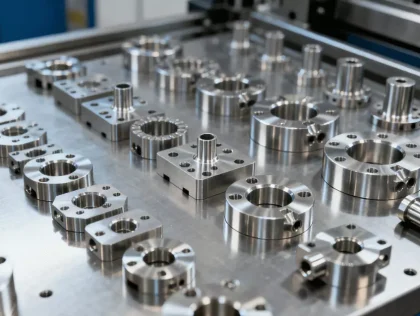
CNC precision engineering is the process of using Computer Numerical Control (CNC) technology combined with advanced precision techniques to produce parts with extremely tight tolerances. Unlike traditional manual machining, where skilled operators control tools by hand, CNC machining automates the cutting, milling, and turning processes through computer programming. This automation enables unmatched accuracy, repeatability, and the ability to create complex shapes that manual methods simply can’t match.
Since its emergence in the 1950s, CNC precision machining has evolved dramatically. Early CNC systems were limited but paved the way for today’s high precision CNC machining, featuring multi-axis machines that can move tools in three, four, or even five directions simultaneously. These advancements have revolutionized industries requiring precise CNC machined components, from aerospace to medical devices. What once took hours of skilled labor can now be done faster and more reliably with CNC milling precision and precision CNC turning.
How CNC Precision Engineering Works: The Step-by-Step Process

CNC precision engineering starts with the design phase, where experts create detailed 3D models using CAD (Computer-Aided Design) software. This step also involves Design for Manufacturability (DFM), ensuring the part can be efficiently and accurately produced with CNC machining.
Next comes programming, where CAM (Computer-Aided Manufacturing) software converts the CAD model into G-code — the language CNC machines understand. This code controls every tool movement, speed, and feed rate to achieve the desired precision.
The machine setup is crucial for accuracy. It includes selecting the right cutting tools, setting up proper workholding, and securely fixturing the material. This step ensures the workpiece stays steady during the machining process, reducing errors.
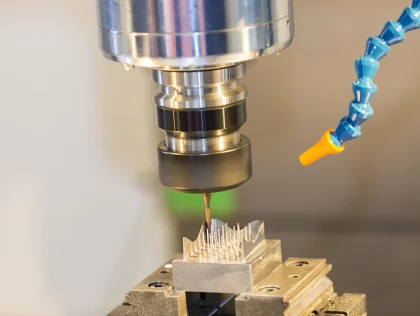
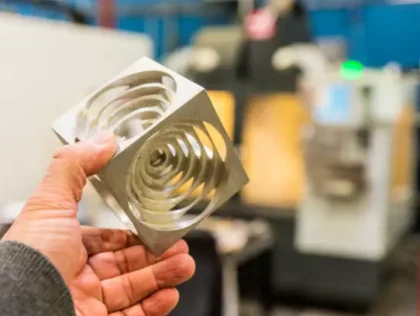
During machining operations, the machine performs milling, turning, or multi-axis movements based on the program. Multi-axis CNC machining allows complex shapes and detailed features, often impossible with traditional methods.
Finally, in-process monitoring and quality checks keep the operation on track. Sensors and probing systems verify dimensions and surface finishes in real time, helping maintain tight tolerances. This step is vital for producing consistent and reliable precision CNC machined components.
For industries that rely on tight tolerances and complex geometries, this structured CNC manufacturing process ensures parts meet exact specifications every time. If you’re interested in how precision machining supports medical device manufacturing, check out our detailed overview on medical manufacturing devices and equipment.
Key Technologies and Machines in CNC Precision Engineering

CNC precision engineering relies on a variety of advanced machines tailored to deliver high precision CNC machining. The backbone includes 3-axis, 4-axis, and 5-axis CNC milling machines, each adding more flexibility and complexity for cutting intricate designs and tight tolerance machining. While 3-axis machines handle basic movements, 4- and 5-axis systems enable multi-axis CNC machining, allowing more complex angles and contours to be machined in fewer setups, which improves accuracy and efficiency.
CNC turning and mill-turn centers also play a critical role in precision CNC turning workflows. These machines combine the capabilities of milling and turning in one platform, ideal for custom precision parts with complex geometries. They support high precision CNC machined components production, especially those requiring simultaneous milling and turning.
Advanced features enhance these machines further—high-speed spindles increase cutting speeds without losing accuracy, and probing systems help with in-process measurement for maintaining tight CNC machining tolerances. Coolant management systems are crucial as well, cooling the cutting area to reduce thermal distortion and extend tool life.
On the software side, CAD CAM CNC processes are vital. Software tools optimize toolpaths to improve cutting efficiency, reduce cycle times, and ensure precision CNC components consistently meet specifications. This integration of hardware and software is what enables the advanced CNC capabilities that industries rely on today.
For expert precision engineering solutions with top-tier machines and technologies, explore our full range of custom precision parts and CNC manufacturing services tailored to your exact needs.
Materials Commonly Used in Precision CNC Machining
In precision CNC machining, material choice is key to achieving the desired performance and quality. Metals like aluminum, stainless steel, titanium, Inconel, and various tool steels are popular for their strength, durability, and ability to hold tight CNC machining tolerances. Aluminum is favored for its light weight and excellent machinability, while stainless steel and titanium offer high corrosion resistance and strength, essential for aerospace and medical device machining.
Beyond metals, plastics and composite materials are increasingly used in precision CNC machining for specialized applications where weight reduction or electrical insulation is important. Common plastics include PEEK, Delrin, and nylon, which balance machinability with performance needs.
When selecting materials for your custom precision parts, consider factors such as:
- Strength and hardness required for the application
- Machinability to ensure efficient, cost-effective production
- Corrosion resistance depending on the environment
- Cost and availability for budget-conscious projects
Understanding these material properties helps ensure the best results in high precision CNC machining projects. For detailed insights on materials in CNC machining and postprocessing, check out our guide on CNC machining metal parts.
Benefits of CNC Precision Engineering
CNC precision engineering offers several key advantages that make it essential for modern manufacturing. Here’s what you gain when choosing precision CNC machining:
| Benefit | Explanation |
|---|---|
| Exceptional Accuracy | Achieve tight tolerances down to microns for precise CNC machined components |
| Consistent Repeatability | Every part matches design specs exactly, reducing errors and rework |
| Increased Efficiency | Streamlined CNC milling precision and turning reduce lead times significantly |
| Cost Savings | Less material waste and fewer mistakes lower overall production costs |
| Scalability | Easily handle custom precision parts from prototypes to high-volume runs |
| Complex Geometries | Multi-axis CNC machining enables intricate shapes and enhanced surface finishes |
This combination is why high precision CNC machining is the go-to for industries that demand flawless parts on tight schedules. Whether it’s aerospace, medical, or automotive sectors, CNC manufacturing services deliver the kind of quality and turnaround time that keep projects on track.
For a closer look at the range of capabilities involved, including CNC milling parts and setups, check our detailed insights on CNC milling parts.
Industries and Applications
CNC precision engineering plays a crucial role across many industries where tight tolerance machining and high reliability are essential. In aerospace, precision CNC machining produces turbine components and structural parts that must withstand extreme conditions and meet strict safety standards. The medical device field relies on precision CNC machining for implants, surgical instruments, and prosthetics that demand exceptional accuracy and biocompatibility.
The automotive sector benefits from precision CNC turning and milling in manufacturing engine parts and transmission components that require durability and exact specifications. In defense and electronics, CNC precision engineering creates high-reliability enclosures, connectors, and other components where performance and consistency are critical. Additionally, the energy sector and general manufacturing use precision CNC machined components for various specialized applications, ensuring long-lasting and efficient products.
For industries needing specialized finishes on metals like stainless steel, our expertise includes services such as stainless steel polishing to enhance both appearance and performance. This range of applications highlights how precision CNC manufacturing services adapt to varied demands across the US market.
Quality Assurance and Tolerances in CNC Precision Engineering

Maintaining tight tolerances is critical in precision CNC machining, especially when working with micron-level accuracy. At MS Machining, we achieve this through strict quality control processes that ensure every part meets exact specifications.
We use advanced inspection methods like Coordinate Measuring Machines (CMM), optical scanners, and in-machine probing to verify dimensions during and after machining. These technologies allow us to catch any deviations immediately, ensuring consistency across every precision CNC machined component.
Our operations comply with rigorous standards such as ISO 9001 and AS9100, which are vital for industries like aerospace and medical devices where precision and reliability matter most. This commitment to quality assurance means you can trust MS Machining for high-precision CNC machining projects with guaranteed results.
For more on our quality processes and CNC precision engineering capabilities, see our dedicated CNC precision engineering page.
Why Choose MS Machining for Your CNC Precision Engineering Needs
When it comes to precision CNC machining, MS Machining stands out with top-tier capabilities and a modern equipment fleet designed to handle even the most complex projects. Here’s why we are your best partner for high precision CNC machining:
| Why MS Machining? | What It Means for You |
|---|---|
| Advanced multi-axis CNC machines | Handle intricate designs and tight tolerance machining with ease |
| Expert team with deep precision experience | Guaranteed quality on custom precision parts and complex components |
| Fast turnaround and responsive communication | Get your projects done on time without sacrificing accuracy |
| Collaborative approach | We work closely with you to tweak designs and processes, ensuring the best results |
| Proven success in various industries | Real-world examples in aerospace, medical, and automotive sectors prove our reliability |
Our expertise spans precision CNC milling and precision CNC turning, backed by extensive experience in delivering parts that meet stringent specifications. Plus, we’re committed to using advanced CAD CAM CNC processes to optimize every step of production.
Explore our capabilities in producing high-quality, tailored parts like those described in our CNC turning precision parts services and check out our aluminum CNC machining services for industry-grade materials.
Partnering with MS Machining means you get a trusted team dedicated to precision, speed, and consistent quality—perfect for your most demanding CNC precision engineering needs.