
In high-demand industries such as aerospace, automotive, medical devices, and energy, the precision of a single component can determine product performance, safety, and reliability. When tolerances must be controlled at the micron level, standard machining methods often fall short. This is where CNC Precision Engineering becomes the essential solution for modern manufacturing.
CNC Precision Engineering combines advanced computer numerical control technology with expert engineering knowledge to produce complex, high-accuracy parts with exceptional consistency. This comprehensive guide explores what CNC Precision Engineering is, its key benefits, core services, major applications, and how to choose the right partner.
What is CNC Precision Engineering?
CNC Precision Engineering refers to the specialized field of manufacturing that uses computer-controlled machines to create parts with extremely tight tolerances and superior surface finishes.
Unlike traditional manual machining, CNC (Computer Numerical Control) systems follow precise digital instructions from CAD (Computer-Aided Design) and CAM (Computer-Aided Manufacturing) software. However, true precision goes beyond software; it requires managing physical variables like tool wear compensation, cutting forces, and machine vibration (chatter).
Key technologies and practices in CNC Precision Engineering include:
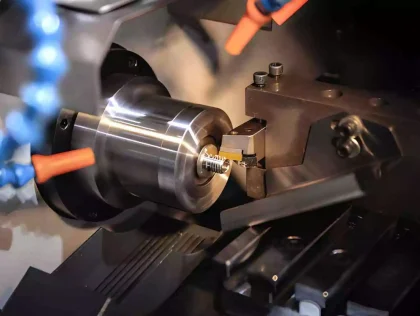
- 5-Axis CNC Machining: Enables the tool to approach the workpiece from five different directions, ideal for complex geometries and reducing the number of setups (which minimizes clamping errors).
- Multi-Axis CNC Turning and Milling: Combines rotational and linear movements for greater flexibility, allowing for “done-in-one” machining operations.
- Custom Fixturing & Setup Rigidity: Engineering bespoke workholding solutions to prevent part deformation during heavy cutting cycles.
- Advanced CAD/CAM Programming: Converts design files into optimized machine instructions, balancing material removal rates with spindle loads.
The result is a manufacturing process capable of holding tolerances as tight as ±0.005mm, making it indispensable for mission-critical components.
Key Benefits of CNC Precision Machining
Businesses choose CNC Precision Engineering for several compelling reasons:
- Exceptional Accuracy and Consistency: Once programmed and properly offset, CNC machines produce identical parts with minimal variation. In-process probing ensures precision even across large production runs.
- Complex Geometry Capability: Can create intricate designs, undercuts, and fine details that would be difficult or impossible with conventional methods.
- Higher Efficiency and Lower Costs: Optimized toolpaths reduce manual labor, shorten cycle times, and minimize material waste, leading to better cost efficiency.
- Superior Surface Finish: By calculating the exact feed rates, spindle speeds, and using specialized wiper inserts, operators can achieve smooth surfaces (like Ra 0.4 or better) that often require little to no additional polishing.
- Scalability: Equally effective for rapid prototyping, small batches, and medium-to-high volume production.
These advantages translate into shorter lead times, improved product quality, and greater competitiveness in demanding markets.
Our Core Manufacturing Services
Professional CNC Precision Engineering providers typically offer a wide range of specialized services:
- CNC Turning & CNC Milling: High-precision machining for cylindrical and prismatic parts.
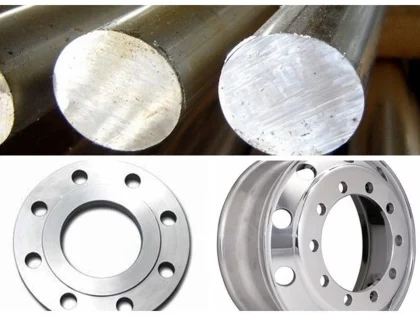
- CNC Aluminium Machining: Expert processing of aluminum alloys (e.g., 6061, 7075). Experienced machinists utilize specific roughing-to-finishing strategies to release internal material stresses, preventing warpage in thin-walled components. Furthermore, advanced planning for surface treatments—such as precisely calculating and reserving dimensional allowances before hard anodizing—ensures final assemblies meet strict tolerance limits.
- Precision Flanges Manufacturing: Custom flanges produced to strict industry standards for piping and pressure systems, ensuring flawless sealing surfaces.
- Spectacle Blinds, Spades, and Spacers: Critical isolation and sealing components used in oil & gas, chemical, and power generation industries.
- Rapid Prototyping: Fast turnaround from design to physical part, helping companies test and refine products quickly before mass production.
These services are supported by modern equipment, rigorous quality control, and experienced engineers.
Major Industries That Rely on CNC Precision Engineering
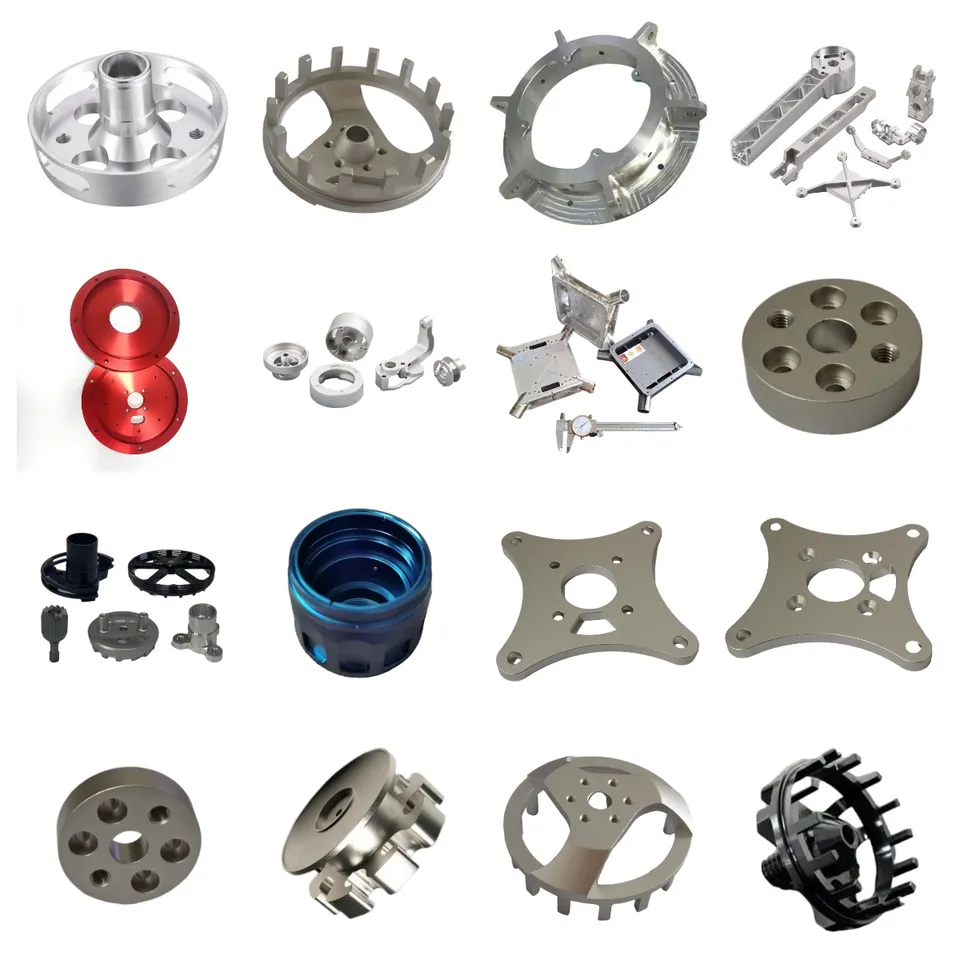
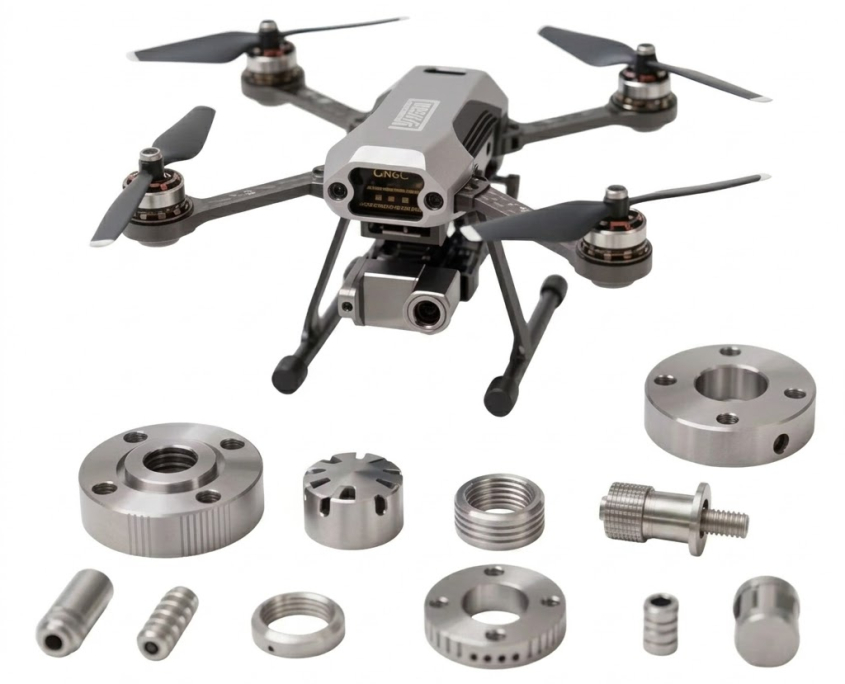
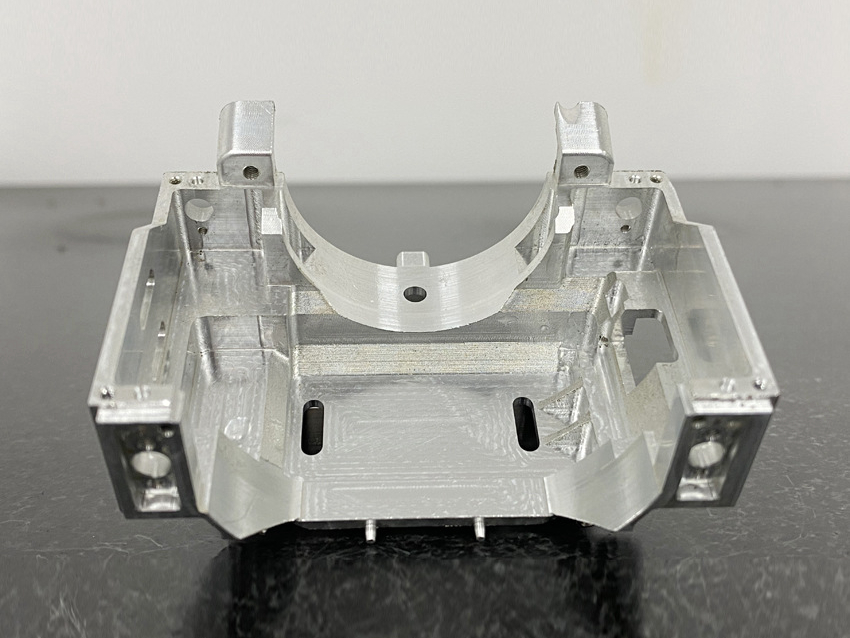


CNC Precision Engineering serves multiple high-performance sectors:
- Aerospace & UAVs: Precision drone (UAV) components, including lightweight aluminum gimbal frames, motor mounts, and structural brackets that demand exact weight-to-strength ratios and vibration resistance.
- Automotive: Engine parts, transmission components, and electric vehicle battery housings requiring tight tolerances and efficient heat dissipation.
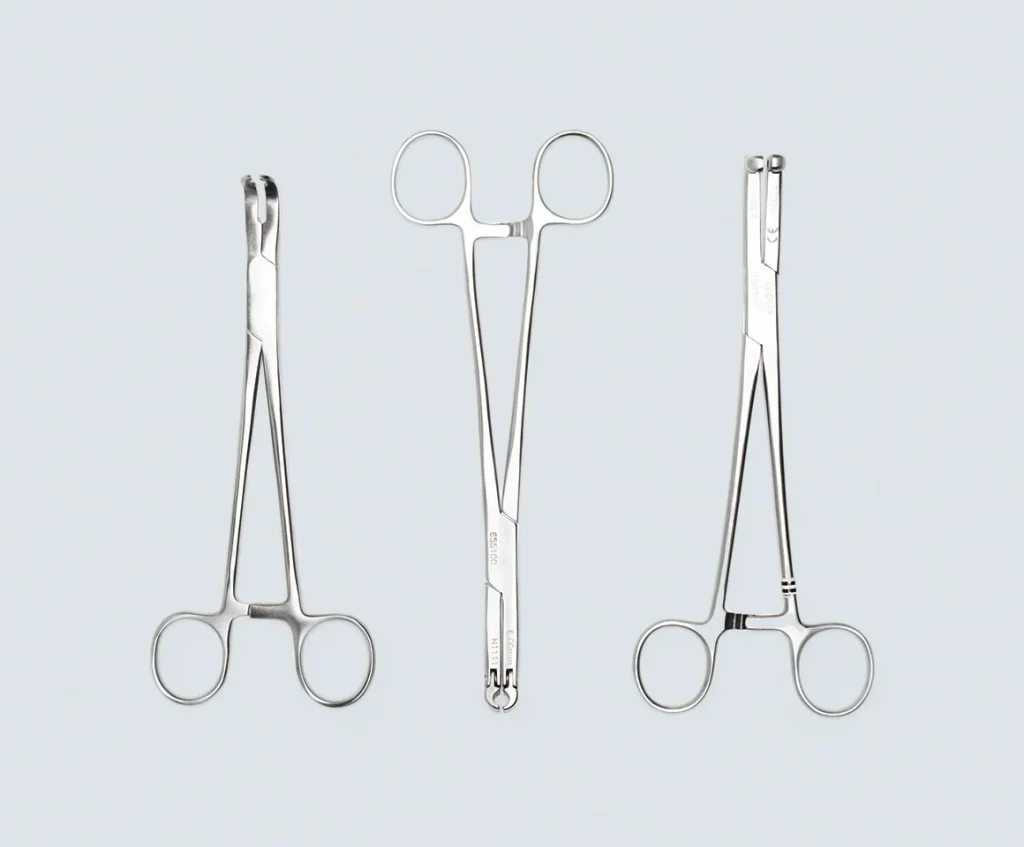
- Medical Devices: Surgical instruments, implants, and diagnostic equipment parts. Machining medical-grade titanium (Ti-6Al-4V) or stainless steel requires specialized tooling to manage heat generation and prevent material work-hardening.
- Oil & Gas / Energy: High-pressure flanges, spectacle blinds, spades, and custom connectors designed to withstand harsh operating conditions and extreme pressures.
In each industry, precision directly impacts safety, efficiency, and regulatory compliance.
How to Choosing the Right Manufacturing Partner
Selecting the best manufacturing partner is crucial for project success. Here are the key factors to consider:
- Experience and Expertise: Look for companies with many years in the industry and proven capability in your specific materials and part types. Do they understand material behavior during machining?
- Equipment and Technology: Advanced 5-axis machines, high-quality metrology tools (such as in-house CMMs for First Article Inspection), and updated software indicate strong technical ability.
- Quality Management System: Certifications such as ISO 9001 and strict quality gates (routing inspections, raw material verification) ensure consistent quality.
- Customization and Flexibility: The ability to handle complex designs, tight deadlines, and varying order quantities.
- Communication and Support: Responsive service, clear project updates, and strong technical consultation (like providing DFM – Design for Manufacturing feedback) throughout the process.
Ask potential partners for case studies, material certificates (MTC), and CMM inspection reports to verify their capabilities.
Frequently Asked Questions (FAQ)
What is the typical tolerance range in CNC Precision Engineering? Most high-precision shops can consistently achieve ±0.005mm to ±0.01mm. However, maintaining this level of precision requires a strict temperature-controlled workshop to prevent thermal expansion of both the machine and the material.
How fast is rapid prototyping? Simple prototypes can often be completed within 3–7 days, depending on material availability and programming complexity.
Can CNC Precision Engineering handle small batch orders? Yes, many providers specialize in both prototyping and production runs, utilizing quick-change pallet systems to make low-volume, high-mix production economical.
Conclusion
CNC Precision Engineering stands as a cornerstone of modern high-performance manufacturing. By delivering unmatched accuracy, reliability, and versatility, it enables companies across critical industries to bring superior products to market with confidence.
Whether you need complex aluminum components, precision flanges, or custom industrial parts, working with an experienced CNC precision engineering team can make the difference between good and exceptional results.