Understanding Reverse CNC Machining
What is Reverse CNC? Definition and Core Concepts
Reverse CNC refers to the process of reproducing or recreating parts directly from physical samples using CNC machining techniques. Instead of designing parts from scratch with CAD drawings, reverse CNC involves analyzing an existing object, capturing its geometry, and then machining a replica.
Difference Between Forward CNC and Reverse Engineering
| Aspect | Forward CNC | Reverse CNC |
|---|---|---|
| Starting Point | Designed CAD models | Physical part or sample |
| Process | Traditional programming from designs | Data acquisition, digital modeling, then machining |
| Goal | Produce new parts based on designs | Reproduce or modify existing parts |
Role of Reverse CNC in Modern Manufacturing
Reverse CNC plays a vital role in today’s manufacturing landscape:
- Legacy parts reproduction: Recreating obsolete or hard-to-find components.
- Quality enhancement: Improving fit, performance, or lifespan of existing parts.
- Rapid prototyping: Quickly producing prototypes for testing or development.
- Maintenance & repair: Restoring damaged or worn components with high precision.
Common Terminologies
- Reverse Boring: Creating internal features or enlarging holes from physical samples.
- Reverse Profiling: Reproducing intricate surface contours or profiles from physical objects.
- Reverse Machining: General term for machining parts based on measurement data rather than original CAD files.
This process is essential for industries demanding precise replication, especially when original design documentation is unavailable or outdated. Reverse CNC harnesses advanced tools and techniques to deliver high-accuracy results, supporting the evolving needs of modern manufacturing.
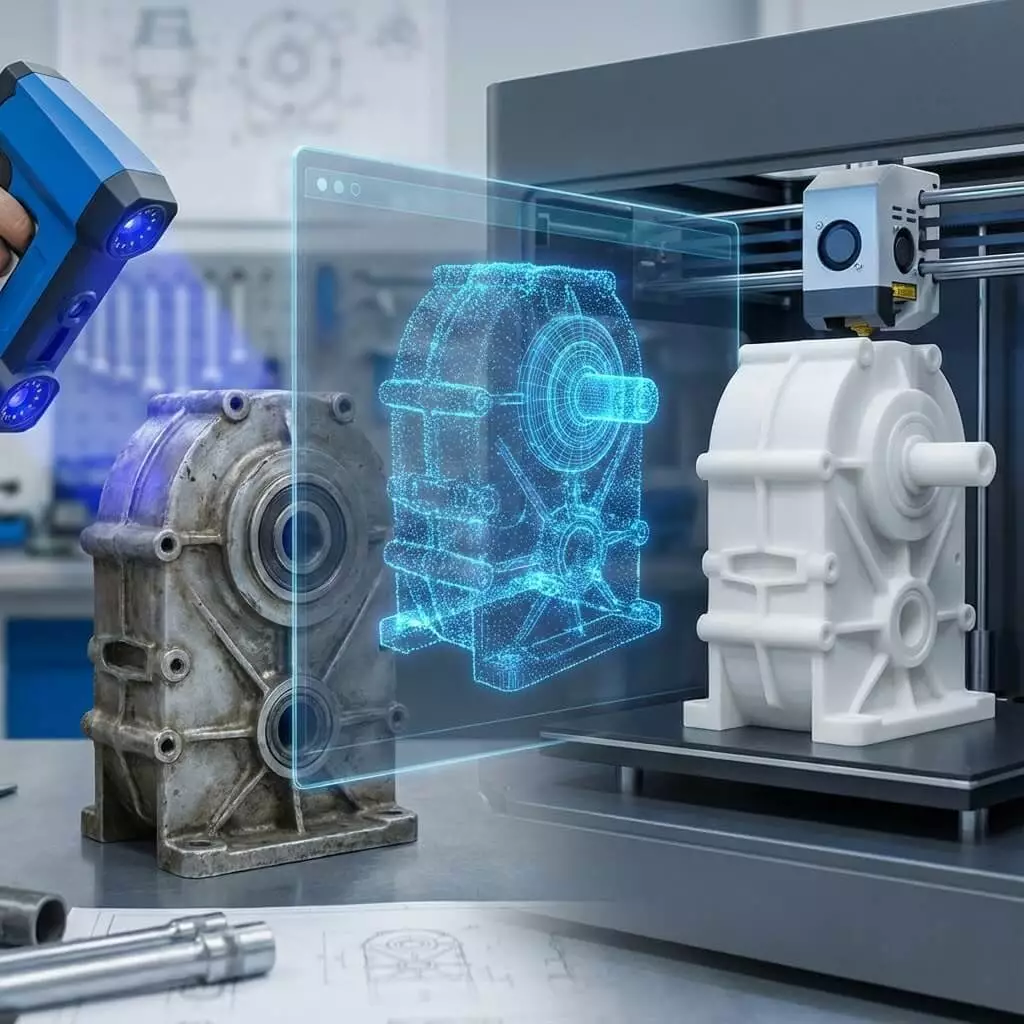
The Reverse CNC Workflow
Getting accurate parts through reverse CNC involves a series of important steps. It all starts with inspecting the physical sample, followed by capturing detailed measurement data using tools like 3D scanners, coordinate measuring machines (CMMs), or calipers. This measurement phase is crucial for ensuring the digital replica is as close to the original as possible.
Next, we move to digital modeling, where all the data is used to create a precise CAD model. This step is essential in the reverse engineering process, especially when replicating parts without CAD drawings or from obsolete components. Once the CAD model is validated by testing and refining it, the process transitions into programming. Here, the digital design is converted into G-code that guides the CNC machine to produce the part with high accuracy.
Finally, quality control plays a key role before delivering the finished product. This includes thorough inspection and verification, often using CMM measurement or optical devices to ensure the part matches the original specifications. Making final adjustments at this stage helps achieve the tight tolerances needed for legacy component reproduction or high-precision reverse CNC machining.
If you want to learn more about the specific CNC processes involved, our special CNC machining processes page offers a deep dive.
Tools and Technologies for Reverse CNC
When it comes to reverse CNC machining, having the right tools and technologies makes all the difference. These devices help accurately capture the physical part and convert it into a digital model that can be reproduced with high precision.
3D scanners are probably the most essential tools. Laser scanners, structured light, and even CT scanning are popular options for capturing complex geometries. They create detailed 3D models from physical samples, making it easier to reverse engineer parts without CAD drawings.
Measurement and inspection tools like Coordinate Measuring Machines (CMM) and optical devices are also vital. They ensure the physical part matches design specifications and help verify the accuracy of the reverse CNC process. These tools provide precise data needed for quality control.
CAD/CAM software optimized for reverse workflows helps convert measurement data into workable digital files. This software simplifies creating CAD reconstructions from scanned data and generates the G-code needed for CNC machining.
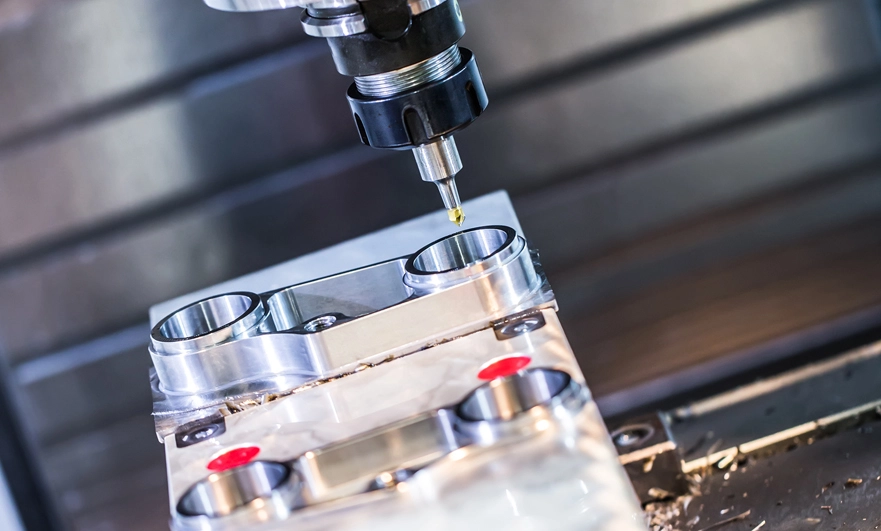
CNC machinery such as mills, lathes, and multi-axis machines, play a crucial role in bringing the digital model back to life. They allow precise reproduction of complex parts and are capable of handling small-batch or high-accuracy production.
Material analysis tools like spectrometers and hardness testers help identify material properties and ensure the proper material is used in the replication process. Accurate material matching is key for high-quality reverse CNC machining.
All these tools are integrated into a seamless reverse engineering process, where data flows smoothly from physical inspection to digital modeling and finally to manufacturing. This integration helps produce accurate, reliable parts—especially when dealing with obsolete components or legacy parts that are hard to source.
If you’re interested in understanding how these tools work together to deliver precision, check out the best 5-axis CNC machines, which are often used in complex reverse CNC projects.
Benefits of Using Reverse CNC Machining
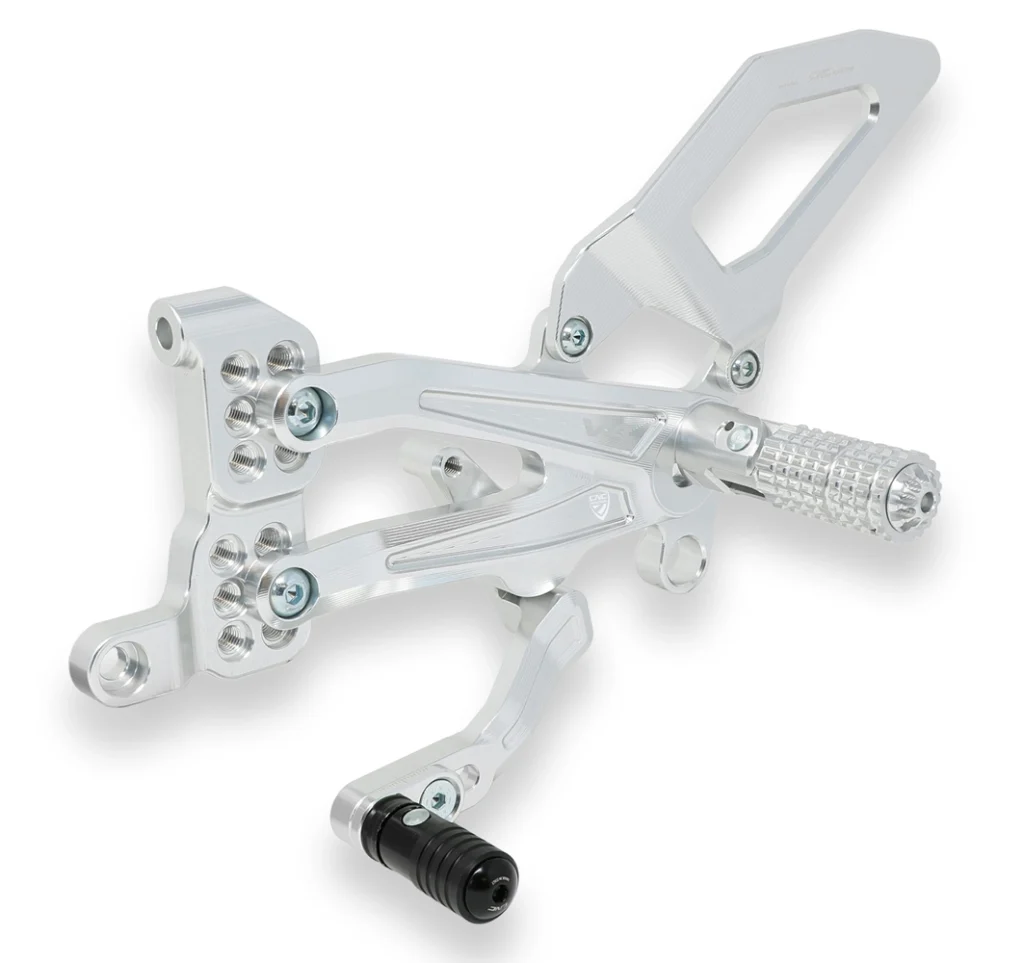
Using reverse CNC is a game-changer for many manufacturers, especially when dealing with tough or outdated parts. Here’s why it’s so valuable:
-
Reproduce Obsolete or Hard-to-Source Parts
When parts are no longer in production, reverse CNC machining allows us to create exact replicas. No need to scavenge or compromise. Check out how we do this here.
-
Cost Savings Compared to Redesigning
Instead of starting from scratch, you can save big by copying and refining existing parts. It’s faster and cuts down on R&D expenses.
-
Speed Up Prototyping and Production Cycles
With reverse CNC, you can turn around prototypes faster—perfect for testing and immediate production needs.
-
Enhance Legacy Components for Better Performance
We can improve old parts with modern CNC machining techniques, boosting their efficiency and durability.
-
Reduce Downtime in Maintenance and Repairs
When a legacy part breaks down, reverse engineering helps us recreate it quickly, minimizing machine downtime.
-
Support Design Improvements and Iterations
It’s easier to test new ideas by modifying existing parts digitally, then machining the updates.
-
Extend the Lifecycle of Existing Parts
Reverse CNC can breathe new life into worn-out components, delaying costly replacements.
Overall, reverse CNC improves efficiency, saves costs, and helps keep old equipment running with modern precision. It’s a smart way to manage legacy parts and optimize manufacturing workflows.
Challenges in Reverse CNC and How to Overcome Them
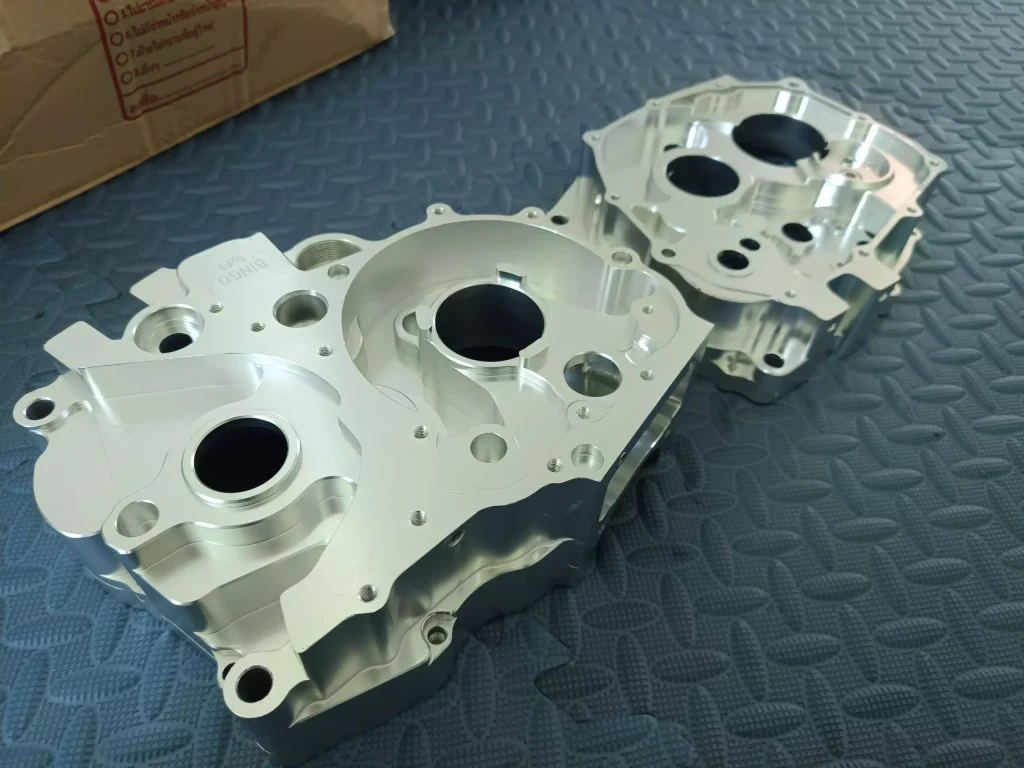
Reverse CNC machining can be a game-changer for reproducing parts when original drawings are missing, but it does come with its challenges. From achieving high accuracy with complex geometries to navigating legal issues, these hurdles are common but manageable.
One of the main challenges is achieving high accuracy with complex geometries. Intricate shapes can be tough to replicate precisely, especially on traditional CNC machines. Using advanced measurement tools like CMMs and high-quality 3D scanners helps capture every detail accurately, making the digital model more reliable. Thorough planning and iterative validation are key here—testing and refining the digital model until it matches the physical part perfectly.
Material identification and property matching also pose challenges. It’s crucial to correctly identify the original material to ensure the right machining parameters and performance. Techniques like material analysis tools—spectrometers or hardness testers—support this process, helping us match properties and avoid issues during manufacturing.
Maintaining tight tolerances and proper fitment is critical, especially for legacy or high-performance components. Precision CNC machining from physical samples requires careful setup, calibration, and consistent quality checks to keep things within spec.
Beyond technical issues, legal and IP considerations are significant when reverse engineering proprietary parts. Protecting client confidentiality and respecting intellectual property rights are priorities. At MS Machining, we employ secure handling procedures and focus on thorough planning to stay compliant while delivering quality results.
Overcoming these challenges largely depends on a combination of the right tools, skilled planning, and iterative validation. Investing in high-accuracy measurement devices and partnering with experienced machining providers ensures we produce parts that meet all specifications reliably. Want to learn about the specific CNC machining processes and how they can help with difficult reverse engineering projects? Check out CNC machining investment, post-processing, and cast parts.
Real-World Applications and Case Studies
Reverse CNC machining plays a huge role across many industries, especially when it comes to reproducing or upgrading parts when original designs aren’t available. At MS Machining, we’ve helped clients achieve amazing results in several key areas.
Aerospace: Reproducing Legacy Aerospace Brackets
In aerospace, legacy parts like brackets and fittings often become obsolete but are critical for aircraft safety and performance. Through reverse CNC, we can scan and replicate these complex components with precision. This not only helps keep older aircraft flying but also reduces downtime and repair costs. For example, our team successfully recreated a series of legacy brackets for an older aircraft model, enabling continued operation without the need for costly redesigns.
Automotive and Motorsport: Custom Performance Parts
In the automotive and motorsport world, customizing parts for better performance is a common pursuit. Reverse CNC begins with measuring existing components or wrecked parts, then creating CAD models to modify or improve them. This process is ideal for making custom performance parts that fit perfectly and outperform original components. MS Machining has worked with race teams to produce high-precision, lightweight upgrades that give cars an edge on the track.
Industrial Machinery: Refurbishing or Upgrading Components
Industrial machines require periodic upgrades or replacements. When original parts are no longer available, reverse engineering with CNC helps refurbish or upgrade vital components. We’ve helped clients redesign worn-out gears and housings, ensuring compatibility and extending machine life. This approach saves costs compared to switching to entirely new machinery, while also providing tailored solutions.
Medical and Consumer Products: Small-Batch Prototyping
Manufacturers of medical devices and consumer products often need small-batch prototypes or small runs of custom parts. Reverse CNC allows quick turnaround by accurately replicating samples without formal drawings. At MS Machining, we’ve assisted startups and established companies in developing prototypes faster, ensuring their designs are tested and refined before mass production.
Highlighting Success from MS Machining’s Portfolio
These real-world applications showcase how reverse CNC machining opens doors for innovation and efficiency. Whether it’s restoring old aerospace parts, creating high-performance racing components, refurbishing industrial equipment, or prototyping new medical devices, MS Machining’s expertise ensures you get reliable, high-quality results every time. For more info on how we can help with your parts, check our CNC machining services.
When to Choose Reverse CNC Over Traditional Methods
Reverse CNC is a game-changer when the situation calls for it, especially when you don’t have official drawings or need to reproduce obsolete parts. If you’re dealing with legacy components or hard-to-find items, reverse CNC machining can save time and money compared to creating new designs from scratch.
When should you opt for reverse CNC?
No CAD drawings available: When original plans are lost or never existed, reverse engineering parts with CNC allows you to recreate them accurately through data acquisition and digital modeling.
Obsolete components: If a part is no longer in production, reverse CNC can help reproduce it quickly, avoiding costly redesigns.
Cost-effective solution: Sometimes redesigning a part from scratch isn’t worth the expense—reverse engineering offers a faster, cheaper alternative.
Tight deadlines: When time is critical, reverse CNC can speed up prototyping and production cycles.
Design improvements: If you want to enhance an existing part for better performance, reverse CNC helps modify and optimize the design.
Decision-making factors:
| Criteria | Traditional Methods | Reverse CNC |
|————-|————————|————–|
| Need for CAD data | Yes | No (can create from physical sample) |
| Obsolete parts | No | Yes |
| Cost & Speed | Usually higher & slower | Cost-effective & faster |
| Complexity of geometry | Limited | Handles complex shapes |
In the end, choosing reverse CNC depends on your specific needs, available resources, and project timeline. If accuracy and speed are priorities—particularly when working with legacy or hard-to-source parts—reverse CNC gives you a reliable edge.
Best Practices for Successful Reverse CNC Projects
Partnering with experienced machining providers is essential when tackling reverse CNC projects. Skilled teams understand the nuances of reverse engineering and can help you avoid common pitfalls, ensuring high accuracy and quality. They can also guide you through complex processes like reverse boring or reverse profiling, which require specialized expertise.
Data security and confidentiality are equally important, especially when working with proprietary or sensitive parts. Make sure your partner uses secure handling practices and non-disclosure agreements to protect your designs and intellectual property rights. This step is crucial in maintaining trust and compliance throughout the reverse engineering process.
Prototyping, testing, and iterative refinement are key to a successful reverse CNC project. Once a digital model is created from measurement data, it’s vital to validate and refine it through physical testing. Small adjustments during this phase can significantly improve the final part’s fit, function, and durability.
Standardized documentation helps keep everything organized and accessible for future reference. Recording measurement data, CAD models, and machining processes ensures smooth transitions between project phases and makes it easier to reproduce or modify parts later.
Lastly, clear communication and detailed project planning go a long way. Regular updates and well-defined goals prevent misunderstandings, reduce delays, and help ensure the finished product meets your expectations. Effective planning combined with the right expertise is the best way to get reliable results from reverse CNC machining. If you’re interested in detailed material properties, check out CNC bronze machining for a real-world example of advanced manufacturing techniques.
Future Trends in Reverse CNC
The future of reverse CNC is shaping up to be more innovative than ever. Emerging technologies like AI-assisted modeling and machine learning are starting to play a big role in improving accuracy and speed. These tools help automatically generate digital models from scan data, making the reverse engineering process even more efficient.
Hybrid manufacturing approaches are also gaining popularity, combining traditional CNC machining with additive manufacturing to bring new levels of flexibility and precision. Automation is set to further streamline workflows, with smarter measurement solutions that improve inspection speed and accuracy. For instance, advances in 3D scanners and optical inspection devices are allowing for real-time data capture and instant validation of parts.
MS Machining stays at the forefront of reverse engineering trends by constantly adopting these new technologies and investing in innovation. Their focus on integrating AI, automation, and high-tech measurement tools ensures they deliver top-quality reverse CNC services that meet the evolving needs of industries like aerospace, automotive, and industrial manufacturing. This commitment helps clients quickly reproduce obsolete parts, enhance legacy components, and accelerate their overall production cycles.