Properties of Titanium Relevant to Machining
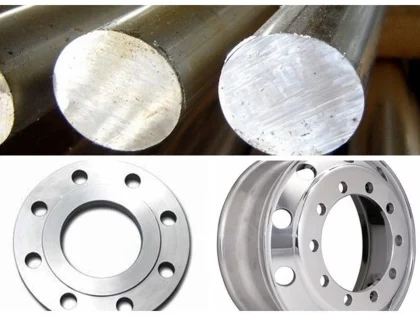
When it comes to machining titanium, understanding its properties is essential for success. Titanium is known for its unique combination of strength, light weight, and corrosion resistance, which makes it ideal for aerospace, medical implants, and high-performance applications. However, these same properties also present challenges during machining.
Mechanical Properties
- High Strength-to-Weight Ratio: Titanium offers excellent strength while remaining lightweight, but this also means it requires robust cutting tools and precise machining techniques.
- Corrosion Resistance: Its corrosion resistance ensures durability in harsh environments, but it can cause chips and debris to stick, complicating chip evacuation.
- Work Hardening: Titanium tends to work harden quickly, which can lead to increased tool wear if not managed properly.
Thermal Properties
- High Melting Point: Titanium melts at around 1,668°C (3,034°F), making it a difficult metal to cut because it requires high cutting temperatures.
- Low Heat Conductivity: It doesn’t transfer heat well, which means heat builds up in the cutting zone. This can lead to thermal expansion and potential workpiece deformation if cooling isn’t optimized.
How These Properties Influence Machining Strategies
- Cutting speeds must be lower to prevent excessive heat buildup and tool wear.
- Feeds and depths of cut should be carefully adjusted to avoid work hardening and to optimize chip formation.
- Cooling and lubrication are critical to manage heat and reduce tool wear, especially given titanium’s low thermal conductivity.
- Tool selection should favor materials like carbide or coated tools that can withstand high temperatures and resist wear.
Understanding these properties helps us develop effective machining strategies for titanium, ensuring precision, safety, and efficiency in every project.
Preparing for Machining Titanium
When you’re getting ready to machine titanium, the first step is choosing the right material and ensuring its quality. Not all titanium alloys are built the same, so picking the correct grade—like Grade 5 (Ti-6Al-4V) or Grade 2—is crucial for your project’s success. High-quality titanium will have minimal impurities and consistent properties, which helps prevent issues like tool wear or workpiece deformation during machining.
Safety is also a big concern when working with titanium. Machining generates dust, chips, and fumes that can be hazardous if not handled properly. Always wear proper protective gear, such as respirators and eye protection, and use good ventilation or dust extraction systems. Titanium chips can be sharp and hot, so handling them with care is essential to avoid injuries.
Choosing the right titanium alloy depends on your application. For example, Grade 5 titanium is stronger and more corrosion-resistant, making it ideal for aerospace and medical devices. Meanwhile, Grade 2 is softer and easier to machine, suitable for less demanding applications. Carefully selecting the appropriate alloy helps optimize your machining process and ensures the best results.
For more on material considerations, check out medical manufacturing devices and equipment, which often involves machining high-quality titanium for implants and devices.
Essential Equipment and Tools for Machining Titanium
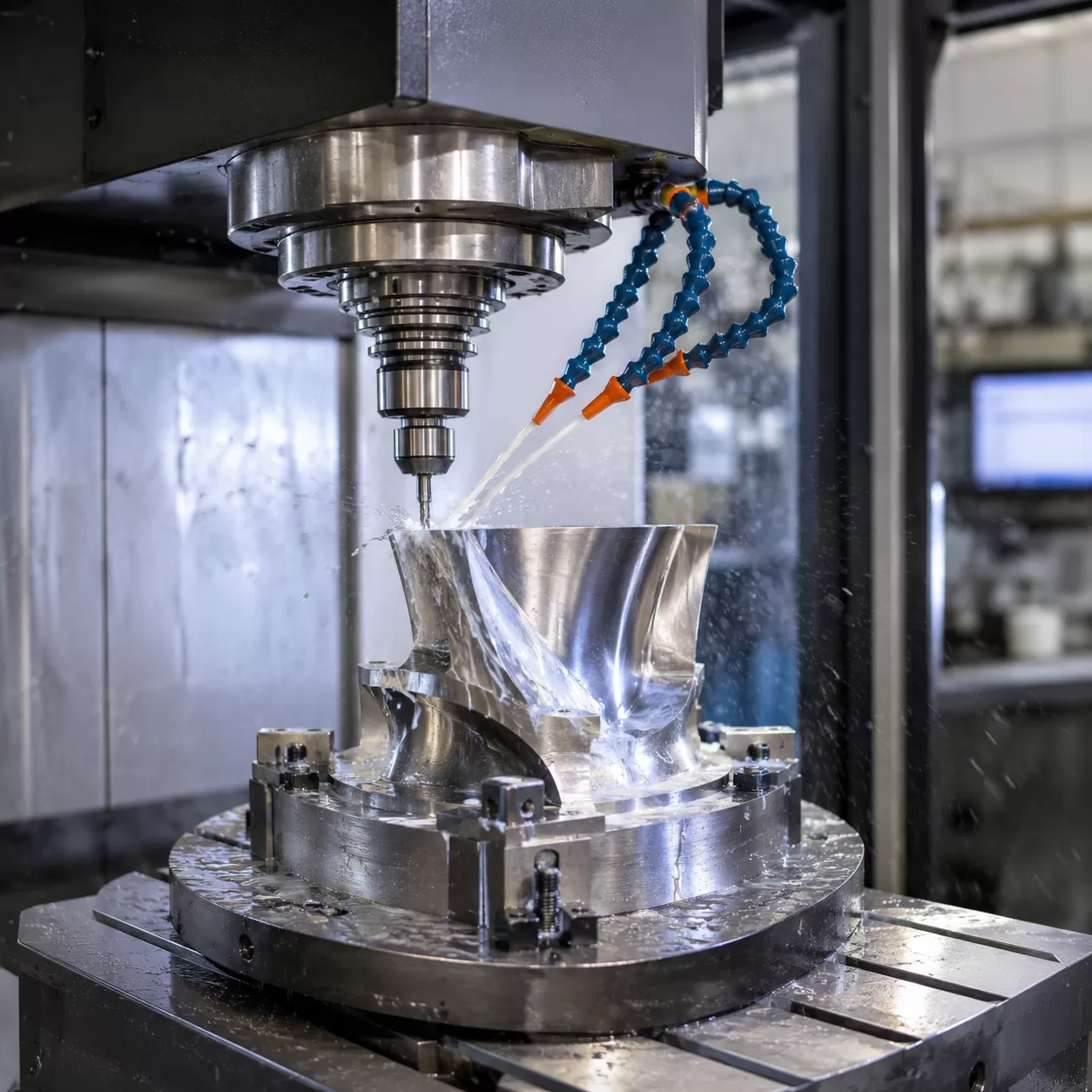
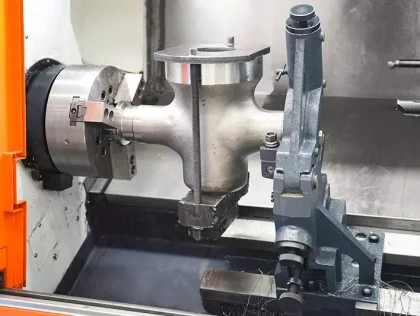
When it comes to machining titanium, having the right equipment makes all the difference. For precision and efficiency, CNC machines like vertical and horizontal mills are commonly used for titanium CNC machining. These machines provide the stability and accuracy needed to handle the tough properties of titanium alloys.
Choosing the right cutting tools is crucial. Carbide tools are popular because they offer high hardness and wear resistance, making them ideal for machining difficult metals like titanium. Coated tools, such as those with titanium nitride or diamond coatings, help extend tool life and improve surface finish.
Tool geometries also play a big role in titanium machining. Optimized tool angles and sharp edges reduce heat buildup and minimize tool wear. This helps prevent issues like tool breakage and workpiece deformation during high-speed machining.
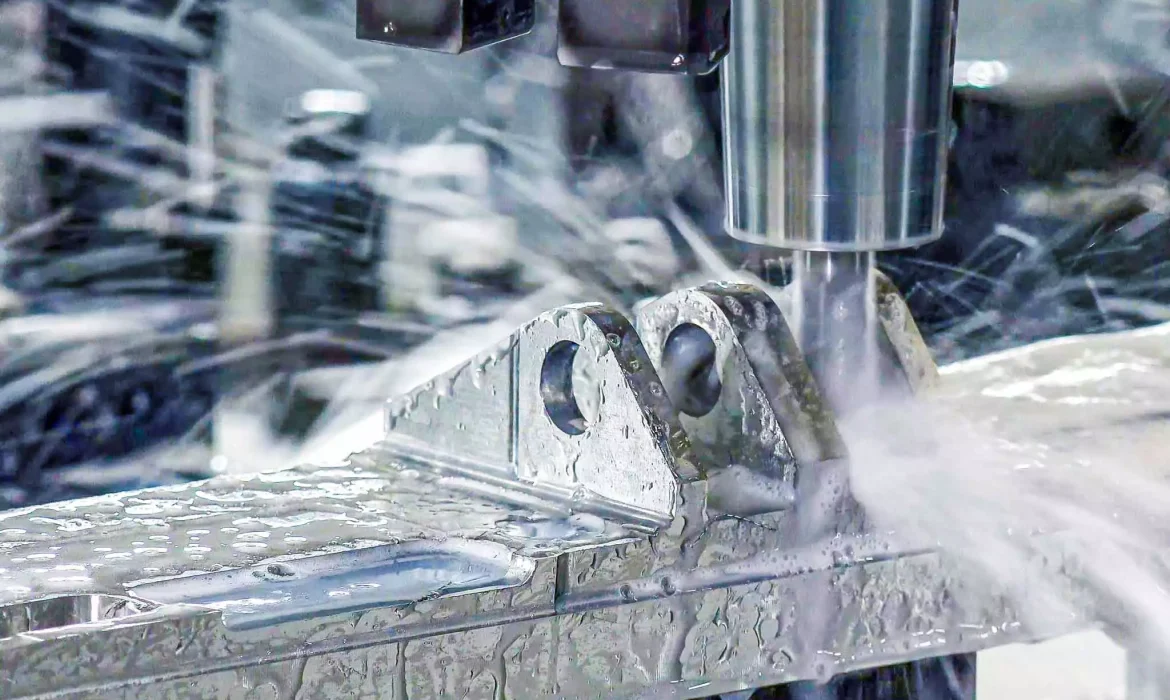
Coolant and lubrication are essential for machining titanium. A good coolant not only cools the cutting zone but also flushes away chips, reducing heat and friction. Many machinists prefer water-soluble coolants or specialized oils for titanium to achieve the best results. Proper lubrication helps maintain tool integrity and ensures a smooth, efficient machining process.
For best results, investing in high-quality CNC mills and the right cutting tools designed specifically for titanium can significantly improve productivity and surface quality. If you’re looking for reliable CNC services, partnering with experts like those at MS Machining can help you optimize your titanium machining process.
Best Practices in Machining Titanium
When machining titanium, following the right practices can make a huge difference in tool life, surface finish, and overall efficiency. Here are some key tips to optimize your titanium machining process:
Cutting Speed and Feed Rate Adjustments
Titanium is a tough metal, so it’s essential to dial in the right cutting speed and feed rate. Typically, you want to use lower speeds than with softer metals to prevent excessive heat and tool wear. For example, using a cutting speed of around 30-50 m/min is common, but always check your specific alloy and tooling recommendations. Adjust your feed rate to maintain a balance—too high can cause tool breakage, while too low may lead to inefficient machining.
Toolpath Strategies to Minimize Heat Buildup
Heat is a major challenge when machining titanium. To combat this, implement toolpath strategies that reduce heat accumulation. This includes:
- Using multiple passes instead of a deep single cut
- Incorporating ramping or helical toolpaths to distribute heat evenly
- Planning tool movements to avoid prolonged contact in the same spot, which can cause localized heating and workpiece deformation
Depth of Cut and Step Over Settings
Keeping the depth of cut shallow—around 0.02 to 0.05 inches—is recommended to reduce stress on your cutting tools. Similarly, setting a small step-over (around 10-20%) helps prevent excessive heat and tool wear. These settings improve surface finish and help maintain dimensional accuracy, especially in complex aerospace or medical implant parts.
Clamping and Fixturing for Stability
Stability is crucial when machining titanium. Use rigid clamping and fixturing to prevent vibration and workpiece movement. Secure the part firmly and consider using vibration-dampening fixtures if machining high-precision components. Proper fixturing reduces chatter, improves surface finish, and extends tool life.
Following these best practices in machining titanium will help you achieve high-quality results while protecting your tools and equipment. For more tips on optimizing your CNC programs for titanium, check out CNC machining titanium.
Machining Techniques and Strategies for Titanium
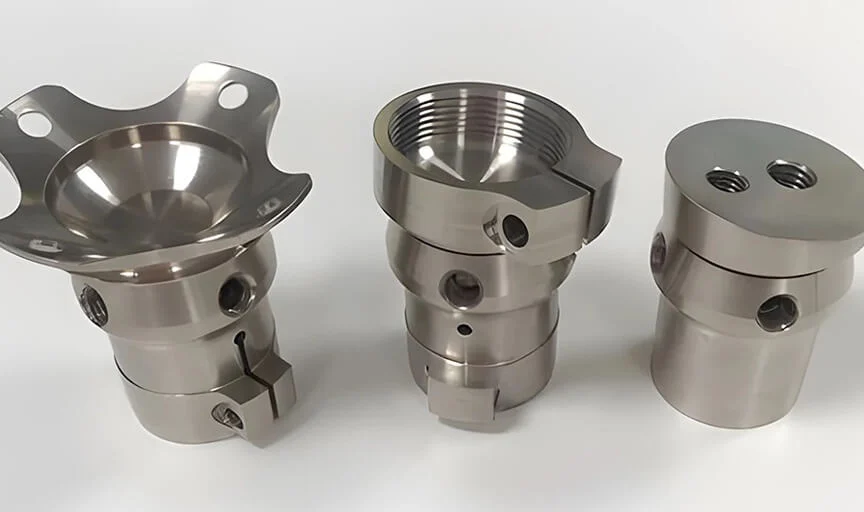
When machining titanium, choosing the right techniques can make a big difference in quality and efficiency. High-speed machining offers faster cuts and smoother finishes, but it requires precise control and the right tools. Conventional methods are more conservative but can help reduce tool wear, especially for complex parts.
Using multiple-pass machining is a smart move to minimize heat buildup and prevent workpiece deformation. Instead of cutting deep in one go, taking several lighter passes helps extend tool life and keeps the surface quality high.
Coolant and flood strategies are essential for managing heat and chip removal. Titanium generates a lot of heat during cutting, so a good coolant helps keep temperatures in check and prevents thermal expansion that can affect accuracy. Proper chip evacuation is equally important—using high-pressure coolant or specialized chip management systems ensures chips don’t clog the cutting zone, which can cause tool breakage or surface imperfections.
By combining these strategies—like adjusting cutting speeds, employing multiple passes, and maintaining effective coolant flow—you can improve your titanium machining results and reduce downtime. For more detailed tips on optimizing your CNC machining processes, check out precision sheet metal cutting.
Common Challenges and How to Overcome Them When Machining Titanium
Machining titanium can be tricky, especially if you’re new to working with this tough metal. Here are some common challenges and simple ways to handle them:
Tool Wear and Breaking
Titanium is hard on cutting tools, causing rapid wear or even breakage. To prevent this:
- Use high-quality carbide or coated tools designed for titanium machining.
- Opt for sharp tools and replace them before they become dull.
- Avoid excessive cutting forces by adjusting cutting speeds and feeds.
Workpiece Deformation
Titanium’s strength and low thermal conductivity can lead to deformation during machining. To keep parts stable:
- Secure the workpiece tightly with proper fixturing.
- Use clamping systems that distribute pressure evenly.
- Minimize heat buildup by using appropriate coolants and reducing cutting forces.
Heat Generation and Thermal Expansion
High heat can cause titanium to expand and affect precision. To manage this:
- Use flood coolant or high-pressure coolant systems to keep temperatures down.
- Adjust cutting speeds to lower heat generation.
- Take multiple shallow cuts instead of one deep cut to reduce heat.
Surface Finish Concerns
Achieving a smooth surface on titanium can be difficult due to its toughness. To improve surface quality:
- Use optimized tool geometries for better finish.
- Reduce cutting speeds and step over values.
- Finish with polishing or grinding after initial machining for the best results.
Overcoming these challenges requires a combination of the right tools, proper machining parameters, and cooling strategies. For more tips on preparing your CAD files for CNC machining, check out this guide.
Post-machining Processes for Titanium
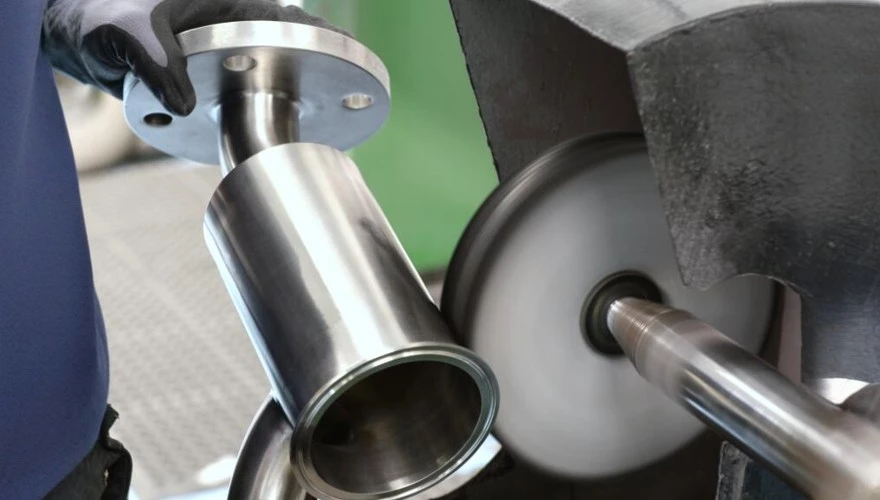
Once you’ve finished machining titanium, the next steps are crucial to ensure the part meets all quality and performance standards. Surface finishing is vital because titanium can develop surface irregularities during cutting, so polishing, grinding, or buffing helps achieve the desired smoothness and appearance. For high-precision parts, especially in aerospace or medical fields, a fine surface finish isn’t just about looks — it can impact performance and longevity.
Heat treatment considerations are also important after machining titanium. Depending on the alloy and application, heat treatments like stress relieving or annealing might be needed to reduce internal stresses caused by machining heat. This helps prevent deformation or cracking down the line.
Finally, thorough inspection and quality control are essential. Using methods like coordinate measuring machines (CMM) or non-destructive testing ensures the machined titanium parts meet strict industry standards. Proper post-machining processes help maintain the integrity and durability of your titanium components, whether they’re aerospace parts or medical implants. For more detailed tips on finishing titanium, you might find CNC machining tips helpful.
Troubleshooting and Optimization in Titanium Machining
When machining titanium, troubleshooting common issues and optimizing your process are key to achieving the best results. Titanium is a tough metal that can cause tool wear, workpiece deformation, and heat buildup if not handled properly.
Identifying machining issues early helps prevent costly mistakes. Look for signs like excessive tool wear, poor surface finish, or workpiece warping. These are often caused by improper cutting speeds, feeds, or inadequate clamping. Using the right CNC machining titanium techniques can reduce these problems significantly.
Adjusting parameters for better results is crucial. For example, lowering cutting speeds and increasing coolant flow can help manage heat and reduce tool wear. Fine-tuning feed rates and depth of cut also minimizes thermal expansion and prevents workpiece deformation. Remember, titanium’s high strength and low thermal conductivity make it essential to optimize these settings carefully.
Preventative maintenance of tools and equipment keeps your machining process smooth. Regularly inspecting and replacing worn tools prevents unexpected tool breakage. Clean and maintain your CNC machines to avoid contamination or misalignments that could impact precision. Proper coolant management, such as using the best coolant for titanium, helps control heat and prolongs tool life.
By staying vigilant and making small adjustments, you can improve efficiency, extend tool life, and get a superior surface finish on your titanium parts. For more detailed tips on CNC machining titanium, check out our precision CNC milling services.
Case Studies and Applications of Machining Titanium
Titanium’s unique properties make it a top choice for high-stakes industries like aerospace, medical, and sports equipment. Its strength-to-weight ratio, corrosion resistance, and biocompatibility are key reasons why companies turn to precision machining for these applications.
Aerospace Components
In aerospace manufacturing, titanium is used for engine parts, airframes, and landing gear. Machining titanium aerospace parts requires high precision and careful control of cutting parameters to prevent tool wear and thermal issues. Companies often rely on advanced CNC machining services, like those offered by MS Machining, to produce complex, durable parts that meet strict safety standards.
Medical Implants
Titanium’s biocompatibility makes it ideal for medical implants such as joint replacements, dental implants, and surgical tools. Machining titanium medical implants demands tight tolerances and a smooth surface finish to ensure patient safety and comfort. Proper selection of cutting tools and coolant strategies is critical to prevent workpiece deformation and achieve high-quality results.
High-Performance Sporting Goods
From bicycle frames to golf clubs, titanium is favored for its lightweight and strength. Machining high-performance sporting goods involves creating intricate designs with excellent surface finishes. Using high-speed machining techniques and optimized toolpath strategies helps reduce tool wear and improve efficiency, making the process both cost-effective and reliable.
These case studies highlight how understanding titanium’s properties and applying the right machining techniques can lead to superior products across various demanding industries.
Industry Standards and Compliance for Machining Titanium
When it comes to machining titanium, following industry standards and compliance protocols is crucial to ensure safety, quality, and consistency. Titanium is widely used in aerospace, medical, and high-performance industries, so adhering to relevant safety and quality standards is a must.
Relevant safety and quality standards include those set by organizations like ASME, ASTM, and ISO. These standards cover everything from material specifications to machining processes, helping manufacturers meet strict industry requirements. For example, ASTM B348 covers titanium alloys used in aerospace and medical applications, ensuring the material’s quality and performance.
Certifications such as ISO 9001 and AS9100 are also important for companies that want to demonstrate their commitment to quality management systems. These certifications verify that a manufacturer follows best practices in machining titanium, from material handling to final inspection.
Following these standards not only helps in maintaining product integrity but also reduces risks related to safety, such as chip management and fume control. For companies looking to stay compliant and competitive, partnering with professionals who understand these regulations—like those at MS Machining—can make all the difference.
In short, industry standards and certifications are the backbone of safe, reliable, and high-quality titanium machining in the U.S. market.
Partnering with Professionals
Knowing when to turn to expert machining services is key, especially with tough metals like titanium. If you’re working on complex aerospace parts, medical implants, or high-performance sporting goods, it’s often best to partner with specialists like MS Machining. They have the experience and equipment to handle the unique challenges of machining titanium, ensuring precision and quality.
Benefits of Professional CNC Services for Titanium
| Benefit | Explanation |
|---|---|
| Expertise | Professionals understand titanium’s properties, so they can optimize cutting speeds, feeds, and tool choices to prevent tool wear and workpiece damage. |
| Advanced Equipment | High-end CNC mills and tools specifically designed for titanium help achieve better surface finishes and tighter tolerances. |
| Time & Cost Savings | Proper setup and machining techniques reduce mistakes, scrap, and rework — saving you money in the long run. |
| Consistent Quality | Professionals follow strict standards, ensuring each part meets industry specs, especially important in aerospace and medical fields. |
Partnering with a trusted CNC machining provider like MS Machining can make a big difference in your project’s success. They bring the right skills, tools, and processes to handle titanium’s difficult machining requirements efficiently. If you want to learn more about their services, check out their CNC machining solutions.