
Understanding Machining: From Basics to Advanced Techniques
Machining is at the heart of manufacturing, turning raw materials into precision parts with tight tolerances. Whether you’re making a simple bolt or a complex aerospace component, understanding the basics of machining is essential.
What exactly is machining?
At its core, machining involves removing material from a workpiece to shape it into the desired form. It’s a subtractive process that uses tools like mills, lathes, drills, and grinders.
Types of machining?
You’ve probably heard of CNC machining services—these are automated, computer-controlled processes that deliver high precision and consistency. Machining processes range from simple drilling to complex five-axis milling, catering to projects of all sizes and complexities.
Why do advanced techniques matter?
As industries demand tighter tolerances and more intricate designs, advanced techniques like 5-axis machining and hybrid additive-subtractive processes have become game-changers. They let manufacturers produce parts faster, with better surface finishes and more complex geometries.
Key takeaway:
Getting a handle on both basic and advanced machining techniques helps you choose the right method for your project, control costs, and ensure top-quality results. Whether you’re designing a prototype or high-volume production run, understanding these fundamentals sets the foundation for success.
Definition and Types of Machining: Subtractive vs. Additive Methods
Machining is a core process in manufacturing, involving shaping parts by removing material or adding new material to achieve the desired design. When it comes to machining processes, the most common approach is subtractive machining, where excess material is cut away to reveal the final shape. This method is widely used for precision parts, especially in CNC machining services, where controlled cutting tools produce complex geometries with high accuracy.
On the other hand, additive manufacturing, often called 3D printing, builds parts layer by layer by adding material—resins, plastics, or metals—allowing for rapid prototyping and design flexibility. While additive methods are great for quick turnarounds and complex internal features, subtractive methods like CNC milling and turning remain the go-to for producing high-tolerance, finish-quality parts in industries like aerospace and automotive.
Understanding the difference between these two approaches helps in selecting the right process for your specific project. For example, CNC machining is preferred for parts requiring tight tolerances and durable surface finishes, and it is highly customizable depending on the material and complexity. To explore more about the core machining processes, including CNC milling, turning, and grinding, you can visit CNC machining services for detailed insights.
Core Machining Processes Breakdown
When it comes to machining parts, understanding the different core processes helps select the best method for your project. Each process has unique strengths and typical applications.
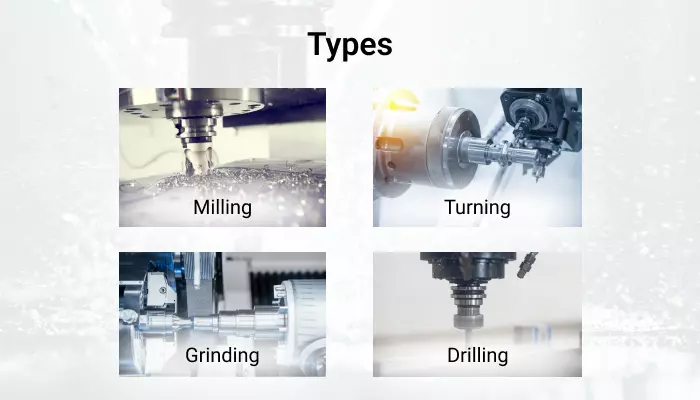
CNC Milling is ideal for creating complex geometries and detailed features. It uses rotating cutting tools to shape materials like aluminum, steel, and plastics. It’s widely used for prototypes, custom parts, and high-precision components, thanks to its ability to handle intricate designs. This process is perfect when your project demands tight tolerances and detailed surface finishes.
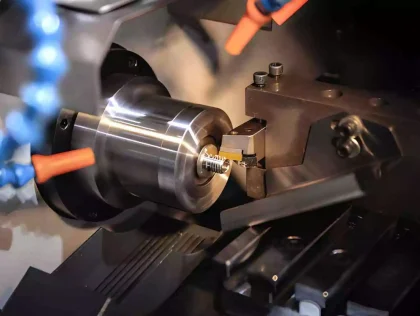
CNC Turning, also known as CNC lathe operations, focus on machining cylindrical parts. The workpiece rotates against stationary cutting tools, making it ideal for producing shafts, bushings, and other round components. CNC turning offers excellent precision and surface quality, especially for parts with simple or moderate complexity.
For fasteners, housings, or holes in parts, drilling and tapping are the go-to methods. Drilling creates precise holes, while tapping adds internal threads. These processes are essential for assembly and fitment, particularly in applications like enclosures or mechanical assemblies.
Grinding and EDM (Electrical Discharge Machining) serve the finishing and high-precision needs. Grinding produces smooth surface finishes, especially important for parts requiring tight tolerances and fine details. EDM, on the other hand, is excellent for machining hard metals or intricate shapes that are difficult with traditional tools. It’s suitable for aerospace, medical devices, and other high-spec industries. For more on choosing the right process for your needs, check out CNC machining accuracy and process.
By understanding these main machining processes—CNC milling, turning, drilling, tapping, grinding, and EDM—you can better match your project requirements to the most efficient, cost-effective methods.
Emerging Trends in Machining: 5-Axis Machining and Hybrid Processes
Machining is constantly evolving, with new trends pushing the boundaries of what’s possible. Two of the most exciting developments are 5-axis machining and hybrid processes.
5-axis machining allows for more complex and precise parts. It adds two rotational axes to the standard three, giving tools the ability to approach parts from multiple angles in a single setup. This not only improves accuracy and surface finish but also cuts down on production time. For those needing tight tolerance machining on complex geometries, 5-axis CNC machinery makes a big difference. It’s especially useful in aerospace and medical industries, where precision is critical. You can explore some of the latest options for high-volume machining with 5-axis equipment on MS Machining’s site.
Hybrid processes combine traditional subtractive machining with additive manufacturing techniques. This approach allows for building up complex features or geometries that are difficult with standard CNC milling or turning alone. By integrating additive methods, like 3D printing, with subtractive steps, manufacturers can achieve parts with intricate details and optimized material use. These hybrid processes are proving to be game-changers for custom CNC parts and prototypes, especially when turnaround time is tight. They also open doors for innovation in surface finishing options and material selection for machining. If you’re curious about how hybrid machining can enhance your projects, it’s worth considering the latest investments in this area.
Workflow Overview: From Design to Inspection
Getting the perfect machined part starts with a clear workflow. It’s a step-by-step process that ensures your project moves smoothly from idea to finished product.
It begins with design—using CAD software to create precise models that meet your specifications. If you’re working on complex geometries, software like CAD/CAM can greatly help in optimizing the design for manufacturability. Next up is programming, where CNC machining centers are set up with the right tool paths. Proper programming guarantees that the CNC milling or turning will produce parts within tight tolerances.
Once programmed, you move on to setup—this involves preparing the machine, installing the right tooling, and ensuring everything is aligned properly. With the setup complete, the machining phase kicks off, where raw materials are shaped into your parts using CNC mills, lathes, or other equipment. During this stage, quality is key, so close monitoring helps catch issues early on.
Finally, inspection confirms that each part meets all specifications. Techniques like coordinate measuring machine (CMM), gauges, and visual checks are standard to verify tolerances and surface quality. Following this structured workflow helps keep costs predictable and ensures your parts meet the highest quality standards. For those interested in streamlining the process, exploring CNC precision machining services can significantly improve efficiency and consistency.
Types of Machining Equipment

When it comes to machining parts, there’s a wide range of equipment used to meet different project needs. Common tools include CNC mills, lathes, wire EDM machines, and surface grinders. Each piece of equipment plays a vital role in the precision machining process.
CNC Mills are highly versatile and ideal for creating complex geometries and detailed features. They can handle a variety of materials, from metals to plastics, and are perfect when high accuracy and repeatability are needed. Whether you’re working on prototypes or high-volume production, CNC milling services are a go-to solution. For more on this, check out CNC machining services.
Lathes, or CNC turning machines, are used mainly for creating cylindrical parts. They excel at turning raw stock into parts like shafts, spacers, and housings. CNC lathe operations can produce high-precision components with tight tolerances, making them essential for industries like aerospace and automotive.
Wire EDM (Electrical Discharge Machining) allows for the creation of intricate shapes and fine features that are difficult to achieve with traditional tools. It’s especially useful for machining hard materials or parts that require complex internal geometries. EDM finishes help improve surface quality and precision.
Surface Grinders are used for finishing parts to a high level of accuracy and smoothness. They remove small amounts of material to achieve tight tolerances, crucial in applications where surface quality impacts performance or aesthetics.
Choosing the right machining equipment depends on your project’s complexity, material, and budget. Matching the right tool with your specific needs can make or break the manufacturing process, especially when aiming for high accuracy and efficient production.
Process Selection Tips: Matching Projects to the Right Machining Method
Choosing the right machining process is key to getting quality parts at a good cost. Not every project needs the same approach. Factors like part design, material, quantity, and required tolerances play a role in selecting the best method.
For simple shapes or high-volume jobs, CNC milling or turning might be the best fit. CNC milling is great for complex geometries, especially with the help of advanced 5-axis machines, and is ideal for parts requiring tight tolerances. In contrast, CNC turning or lathe operations work well for cylindrical parts, quickly producing round features with high precision.
When it comes to fast prototypes or small batch runs, rapid prototyping CNC or even hybrid processes that combine additive and subtractive manufacturing can save time. If your parts need surface finishing for smoother, more resistant surfaces, grinding or electrical discharge machining (EDM) could be the way to go.
It’s also smart to think about material type and project complexity. For example, aluminum and plastics often cost less to machine, while titanium or steel might be more expensive due to their hardness and cutting requirements.
To make the most of your project, consider using a machining process selection guide that can help match your project specifics with the right machining method. Properly selecting the process ensures efficient production, meets your quality standards, and keeps costs in check.
Cost Drivers in Machining Parts: What Affects Your Quote?
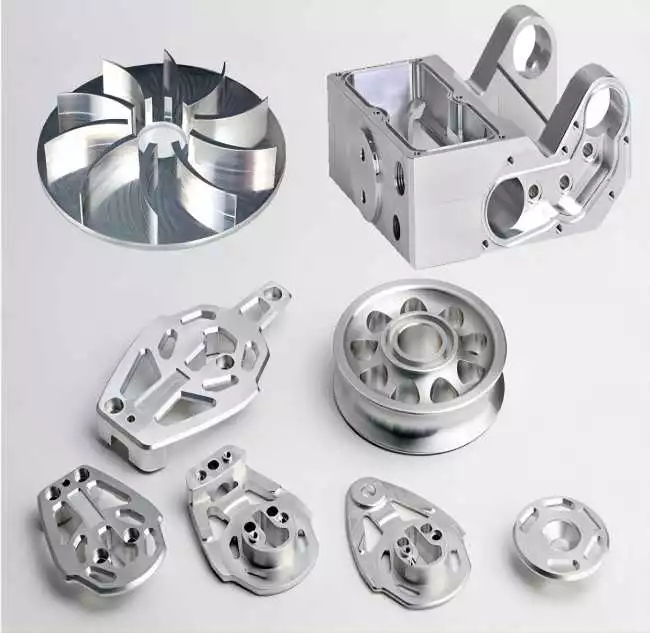
Understanding what impacts the cost of machining parts is key to getting an accurate quote and sticking to your budget. Several factors come into play, from material choices to production variables.
Material Impact on Costs
The type of material you choose can significantly influence your machining cost. Metals like aluminum are generally cheaper and faster to machine, while materials like titanium or steel tend to drive up costs due to their hardness and special handling needs. Plastics can be more budget-friendly, but require different tooling and finishing techniques. For example, choosing stainless steel or other high-performance alloys may add to your expenses, but they also offer better strength and durability.
Design Complexity & Tolerances
Your part’s design complexity is a major cost factor. Features like tight tolerances, intricate geometries, or very thin walls require more precision and time. The more detailed and precise the design, the higher the machining costs will be. For example, parts that demand tight tolerance machining involve specialized tools and longer production times.
Production Variables
Several on-the-spot factors also influence costs, such as setup time, tooling requirements, batch size, and secondary operations like surface finishing. Larger batch sizes can help spread out setup costs, reducing your per-piece expense. Similarly, choosing cost-effective tooling or combining operations can make a big difference.
Cost Optimization Tips
- Simplify designs wherever possible; use standard sizes and features.
- Opt for multi-cavity tools for higher volume runs.
- Use design for manufacturability (DFM) principles to reduce complexity.
- Engage with a trusted CNC machining services provider who can advise on cost-saving options.
By paying attention to these cost drivers early in your project, you can better manage your budget and avoid surprises, all while ensuring your parts meet quality and functionality requirements.
Material Impact on Costs: Metals vs. Plastics

When it comes to machining parts, the choice of material has a big impact on your overall project costs. Metals like aluminum, steel, and titanium tend to be more expensive upfront, but they often deliver better strength and durability for demanding applications. For example, copper and titanium machining, which require specialty processes, can significantly drive up costs due to harder-to-machine properties and specialized tooling needs. You can explore the specifics of machining titanium here.
On the other hand, plastics are usually more budget-friendly, easier to machine, and faster to produce in high volumes. They are great for prototypes or components where weight and corrosion resistance are important but strength isn’t the main concern. Materials like ABS or polycarbonate are common in prototype machining, allowing for rapid testing and iteration.
Keep in mind that material selection for machining not only influences initial costs but also affects tool wear, cycle times, and secondary finishing steps. For instance, harder metals like steel or titanium will require more robust tools and longer cutting times, increasing both material and labor costs. Conversely, plastics often need less aggressive cutting and less finishing work, helping reduce overall expenses.
Choosing the right material balances budget and performance, ensuring your parts meet project specs without breaking the bank.
Design Complexity & Tolerances
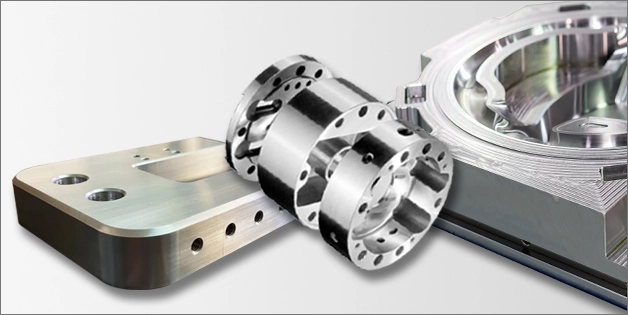
When machining parts, design complexity and tight tolerances greatly impact the process and costs. Features like intricate details, thin walls, or precise fit sizes require advanced machining techniques to achieve the desired accuracy.
| Feature Type | Impact on Machining | Tips |
|---|---|---|
| Complex geometries | Longer setup and programming time | Use CAD/CAM software for efficient tool paths |
| Thin walls or features | Risk of warping or breaking | Select appropriate materials and tooling |
| Tight tolerances (±0.001 inch or less) | Increased inspection and quality control | Rely on high-precision CNC machining services |
Designers should always consider manufacturing limits early on. Simplifying features when possible can lower costs and reduce lead times. When tighter tolerances are needed, techniques like ultra-precision machining with 1-micron tolerance might be necessary. This precision machining process ensures high accuracy and surface quality for critical parts.
In sum, balancing design complexity and tolerances with the right machining methods leads to better results and cost savings. Proper planning and communication with your CNC machining partner are key to success.
Production Variables: Key Factors Affecting Machining Costs
When it comes to machining parts, several production variables influence the overall cost and efficiency. These include setup time, tooling, batch size, and secondary operations.
- Setup Time: The time required to prepare machines for a specific job can significantly impact costs, especially with small batches or custom projects. Minimizing setup time through efficient planning can save money.
- Tooling: The tools used in milling, turning, or grinding need to match the part’s specifications. Investing in high-quality, durable tooling can reduce tool changes and increase productivity.
- Batch Size: Larger batches typically lower the per-unit cost because setup and tooling costs are spread out over more parts. Conversely, small runs or prototypes often have higher costs due to increased setup and handling.
- Secondary Operations: Processes like drilling, tapping, or surface finishing are often needed after initial machining. These extra steps add to the overall cost but are sometimes necessary for achieving the desired feature or surface quality.
Managing these variables effectively helps optimize costs without sacrificing quality. For example, designing parts to reduce the number of setups or combining operations can lead to significant savings. If you’re planning a high-volume project, it’s worth considering strategies like multi-cavity molds or rapid prototyping to keep costs in check.
For more on how production variables impact your project budget, you might find this CNC machining cost calculator helpful for estimating accurate quotes based on your specific needs.
Cost Optimization Strategies in Machining
When it comes to machining parts, especially for high-volume projects, cost efficiency is key. A few strategies can help reduce expenses without sacrificing quality. One of the most effective is Design for Manufacturability (DFM). This approach involves designing parts with manufacturing in mind—simplifying geometry, minimizing complex features, and choosing standard sizes to reduce tooling and setup costs. For instance, using standard drill sizes or common thread types can significantly lower production time and expenses.
Another powerful method is employing multi-cavity tools. These tools allow multiple parts to be machined simultaneously, boosting productivity and decreasing per-unit costs. By optimizing your design to align with these tools, you can ensure faster turnaround times and better use of your machining resources.
Thinking about the costs early in the design phase is critical. Properly balanced design and tooling choices can make a big difference in your overall machining costs. For example, referring to a CNC machining cost calculator helps estimate expenses based on material, tolerances, and batch size, providing clarity and supporting better decision-making.
If you want to explore how to keep costs down while maintaining high quality, check out CNC machining services that integrate these strategies for efficient, cost-effective manufacturing.
Cost Estimation Tools: Using MS Machining Cost Calculator and Real Examples

Accurate cost estimation is crucial in machining parts, whether you’re working on a one-off prototype or high-volume production. At MS Machining, we use our specialized CNC machining cost calculator to give you a clear, quick quote based on your project details. This tool considers factors like material, part complexity, tolerances, and batch size, helping you plan your budget effectively.
By inputting your design specifications, you can see estimated costs for different machining processes—such as CNC milling vs. turning—and compare options before finalizing your project. Plus, reviewing real-world examples of past work gives you insights into typical costs and how various customization or finishing options impact pricing. This way, you’re never left guessing, and you can make informed decisions about your CNC machining parts.
Using these tools, you’ll get a solid understanding of what influences your project’s costs and how to optimize for budget and quality. If you want a detailed and accurate quote quickly, MS Machining’s cost calculator, combined with experience from real case studies, makes the process straightforward and transparent.
Visual Breakdown of Machining Cost Components
A clear visual breakdown of machining costs helps when planning your project. Typically, a pie chart shows how your total price is divided among key components like materials, labor, and overhead costs.
Materials usually make up a significant part of the quote, especially if you’re working with metals such as aluminum, steel, or titanium. The choice of material directly influences the cost because more specialized alloys or plastics tend to be pricier.
Labor costs depend on the complexity of the part and the machining processes involved, like CNC milling versus turning. Plus, the level of precision and the tight tolerances required can add to the time and effort needed.
Overheads cover expenses like machine maintenance, energy use, and quality inspections. For high-volume machining, these costs spread out more efficiently, often lowering the overall price per part.
To get an accurate estimate for your project, it’s helpful to use a machining cost calculator, which considers all these factors. Having a visual breakdown simplifies understanding where your budget goes and helps identify areas for cost optimization.
Customization Strategies in Machining: Tailoring Parts to Client Needs
When it comes to machining high-quality parts, customization is key. Every client has unique requirements, whether it’s specific dimensions, special finishes, or tailored material properties. One effective strategy is designing parts with Design for Manufacturability (DFM) in mind, which helps reduce production time and costs while meeting exact specifications.
For more complex requests, options like fully bespoke CNC parts or rapid prototyping can quickly turn ideas into tangible prototypes. Techniques such as 3D printing hybrids combined with traditional CNC machining enable fast turnaround and iterative design improvements. Surface finishing options like polishing, coatings, and texturing not only enhance the look but also improve functionality, especially for aerospace or medical applications.
Another way to meet client needs is by customizing materials and alloys—using high-performance alloys for added strength or corrosion resistance. These tweaks can significantly impact the durability and performance of the final part, making it suited perfectly for its intended environment.
Integrating advanced software and CAD/CAM systems allows for precise control over complex geometries and features, ensuring each part matches the client’s specifications exactly. Whether you’re developing a small batch of prototypes or a large production run, working closely with clients on the level of customization ensures high satisfaction and optimal results.
To see how custom adjustments can lower costs and improve quality, check out our precision mechanical parts page.
Levels of Customization: Off-the-Shelf vs. Fully Bespoke
When it comes to machining parts, customization levels can vary widely based on project needs and budget. Off-the-shelf solutions are ready-made, mass-produced parts that are ideal for standard applications or prototypes with minimal modifications. They often reduce lead times and costs, making them perfect for quick turnaround projects. However, if your design requires specific features or tight tolerances, fully bespoke machining may be the better route. Fully customized CNC parts are built to exact specifications, allowing for unique geometries, material selections, and performance characteristics.
For high-precision industries like aerospace or medical devices, bespoke solutions ensure the final product meets all exact requirements. While custom machining might take a bit longer and cost more upfront, the improved functionality and performance typically offset these factors. Whether you’re choosing off-the-shelf components or fully custom parts, understanding the differences helps you align your project goals with the best manufacturing approach. If you’re seriously considering custom solutions, partnering with companies that excel in precision machining processes can make a big difference in quality and turnaround time.
Prototyping Approaches: Rapid Iterations, 3D Printing Hybrids, and Quick Turnaround
When it comes to prototyping in CNC machining, speed and flexibility are key. We often use rapid iteration methods that allow for quick adjustments and testing of designs. This approach helps catch issues early, saving time and money for future production runs.
Hybrid techniques, like combining additive manufacturing with traditional CNC machining, further streamline the process. For example, 3D printing can produce complex near-net shapes, which are then refined with precision machining processes. This not only shortens lead times but also enables the creation of highly customized parts that meet exact specifications.
A quick turnaround on prototypes is essential for staying competitive in industries like aerospace and automotive. We leverage advanced CNC machining services that specialize in rapid prototyping and quick turnaround projects. Techniques such as rapid prototyping CNC and surface finishing options ensure parts are ready fast without sacrificing quality.
To maximize efficiency, having an optimized workflow—covering design, programming, setup, machining, and inspection—is critical. If you’re interested in how these processes can come together effectively, you might want to explore more about prototype machining or hybrid manufacturing solutions.
Surface Finishing Options: Polishing, Coatings, Texturing for Enhanced Functionality and Appearance
Surface finishing is a key step in machining to improve both the look and performance of parts. Whether you need a smooth polish for aesthetic purposes or specialized coatings for added durability, choosing the right method makes a big difference.
Common Surface Finishing Techniques
| Technique | Purpose | Benefits |
|---|---|---|
| Polishing | Smooth and shiny surface | Enhances appearance, reduces friction |
| Coatings | Protective layers | Prevent corrosion, improve wear resistance |
| Texturing | Surface patterns for grip/appearance | Improves grip, reduces reflections, adds style |
Polishing creates a mirror-like surface, ideal for parts where appearance is critical. It also reduces surface roughness, which can help decrease friction and wear in moving parts. For example, optical or decorative components often go through polishing to meet high standards.
Coatings—like anodizing, due to their corrosion resistance properties—are often added after machining, especially for parts exposed to harsh environments. These coatings can also add a layer of aesthetic appeal, with options for colors and finishes.
Texturing can be used to improve grip or reduce glare, especially in automotive or aerospace parts. It’s also useful for hiding minor surface imperfections from machining.
Why Surface Finishing Matters
Surface finishes impact performance, durability, and look. Proper finishing can extend part lifespan, improve function, and meet specific industry standards such as aerospace or medical device requirements.
Choosing the Right Finishing
- Consider the material (metal, plastic, alloy) since some finishes work better on certain substrates.
- Match the finish to the application needs—aesthetic vs. functional.
- Ask your machining provider about options like polishing, coatings, and texturing to find the best fit.
For more advanced surface finishing options and detailed processes, check out our surface finishing techniques. Proper finishing is not just about looks; it’s about making your parts last and perform at their best.
Material & Alloy Tweaks: Custom Alloys for Strength and Corrosion Resistance
When it comes to machining parts, choosing the right material is crucial. Sometimes, standard metals like aluminum or steel aren’t enough for specialized needs. That’s where custom alloys come into play. They can be designed to boost strength, improve corrosion resistance, or meet other specific performance requirements.
For example, aerospace and medical components often need alloys with high durability and resistance to harsh environments. Steel can be alloyed with elements like nickel or chromium to create more corrosion-resistant options. Similarly, titanium alloys are popular for their lightweight strength and corrosion resistance, especially in demanding environments.
If you’re exploring custom alloys for your CNC machining parts, it’s smart to work with a supplier that understands material science well. They can help you select or even develop alloys tailored to your application. Want to see what materials can be cut with a CNC machine? Check out this materials guide for CNC machining. It’s a good resource to start understanding your options for custom alloys and how they influence machining costs and performance.
Software & CAD/CAM Integration for Custom Machining
Integrating software, CAD (Computer-Aided Design), and CAM (Computer-Aided Manufacturing) systems is key to creating precise, custom CNC parts. These tools help optimize the machining process, especially for complex geometries and unique features.
Using advanced CAD/CAM software allows us to design parts with tight tolerances and intricate details. It also streamlines programming, ensuring the CNC machining process is efficient and accurate. This integration reduces errors, minimizes setup time, and enhances overall quality — critical factors when producing parts for aerospace, automotive, or high-precision applications.
For example, when manufacturing parts with complicated shapes, CAD software helps visualize the final design, while CAM generates the toolpaths needed for CNC machining. This synergy ensures that even the most complex designs are manufactured to specifications, with minimal trial and error. If you want to explore how software enhances customization and efficiency, check out design for manufacturability (DFM).
Proper software integration also allows adjustments to be made quickly during the production process, saving time and reducing waste. It’s especially valuable when working on prototypes or small batches, where rapid changes are often needed.
Overall, pairing CAD/CAM tools with CNC machining helps us deliver tailored parts that meet exact client needs while keeping costs under control.
Real-World Case Studies: Machining Parts in Action
Looking at real-world examples really highlights the value of the right machining processes. For instance, aerospace manufacturers often need precision-machined aerospace brackets that are strong yet lightweight. Using advanced CNC milling techniques, engineers can optimize design features to cut down weight without sacrificing strength. This not only improves fuel efficiency but also
Quality Control & Best Practices for Machining Success
Maintaining quality is crucial for any machining project, especially when producing precision machining parts. Consistent inspection techniques, like coordinate measuring machines (CMM), gauges, and visual checks, help ensure that parts meet tight tolerances and design specs. Using proper measurement tools and standard procedures minimizes errors and keeps the process on track.
Implementing standards such as ISO 9001 or AS9100 for aerospace projects helps streamline quality management and builds trust with clients. To avoid costly mistakes, it’s critical to manage common pitfalls like over-spec tolerances or incompatible file formats. Clear communication with your partner suppliers about lead times, minimum order quantities (MOQs), and expectations also plays a big role in smooth operations.
For those looking to enhance their machining outputs, investing in proper inspection practices and adhering to industry standards is a must. These steps not only ensure high-quality results but also reduce rework and scrap, saving time and money in the long run. For more on ensuring quality in CNC machining services, check out this resource.
Inspection Techniques for Machined Parts
When it comes to ensuring quality in machining, thorough inspection is essential. Common inspection methods include Coordinate Measuring Machines (CMM), gauges, and visual checks.
A CMM provides precise measurements of complex geometries and ensures parts meet tight tolerances. It’s especially useful for verifying features like holes, slots, and surface profiles, making it a go-to for high-precision machining processes. For more on accurate measurement practices, see CNC turning finishes and tolerances guide.
Gauges, such as calipers and micrometers, are quick and reliable for inspecting dimensions on a production line. They are handy for fast checks of diameter, thickness, or length, especially during rapid prototyping or small batch runs.
Visual inspections are also important, serving as the first line of defense in detecting surface defects, cracks, or inconsistencies. Combining these methods offers a comprehensive view of part quality, helping maintain high standards whether working with custom CNC parts or high-volume machining.
Effective inspection techniques help catch issues early, reducing rework and avoiding costly mistakes later in the process.
Standards & Certifications for Machining Success
When it comes to machining parts, meeting industry standards and certifications is essential for ensuring quality and reliability. Certifications like ISO 9001 set the foundation for a strong quality management system, helping machining companies deliver consistent, high-quality results. For aerospace parts, AS9100 certification is crucial, as it emphasizes strict quality control and traceability to meet industry-specific requirements.
Achieving and maintaining these standards not only helps manufacturers fulfill client expectations but also opens doors to high-volume and specialized markets, like aerospace and defense. For example, ISO 9001 certification demonstrates a commitment to quality, which is a big plus when clients request precision machining services. Likewise, aerospace companies often require suppliers to be AS9100 certified to ensure safety-critical parts meet exact tolerances and standards.
In short, these certifications are more than just paperwork—they represent a company’s dedication to quality, safety, and continuous improvement in CNC machining parts and processes.
Avoiding Pitfalls in Machining: Over-Spec Tolerances and File Format Issues
One of the most common mistakes in CNC machining is setting over-tight tolerances that exceed the actual requirements of the part. While it may seem like the best way to ensure quality, it can lead to higher costs and longer lead times without real benefit. Always tailor your tolerances to what’s needed for the part’s function—this approach helps control cost and keeps machining efficient.
Another headache comes from file format issues. Using incompatible or poorly formatted CAD files can cause delays, miscommunications, and rework. It’s crucial to provide clean, standardized files that your CNC machining partner can easily interpret. Using common formats like STEP or IGES can reduce errors and streamline the entire process, especially when working with complex geometries or custom CNC parts.
By paying close attention to these details—avoiding over-spec tolerances and ensuring your file formats are accurate—you’ll improve overall quality, reduce waste, and keep your machining project on track. For precision CNC components, proper planning and clear specifications are key to avoiding costly pitfalls.
Partner Selection Tips: Lead Times, MOQs, and Communication Clarity
Choosing the right machining partner is crucial for getting quality parts on time and within budget. When evaluating CNC machining services, consider lead times — how quickly they can start and complete your project. Shorter lead times are ideal for prototypes and quick turnarounds, but make sure the supplier has the capacity for your batch size, especially if you’re working with high-volume machining.
Minimum Order Quantities (MOQs) also matter. Some shops might require large orders, which can drive up costs or force you to buy more than you need. Look for a partner that offers flexibility on MOQs, especially if you’re doing custom CNC parts or prototype machining.
Communication plays a huge role in successful partnerships. Clear and consistent communication ensures your design specifications are understood and met. Ask how they handle updates, revisions, and quality concerns — this can save you time and headaches later.
For more detailed info about partner selection, including how to evaluate machining process capabilities and quality standards, check out CNC machining services. It helps to build a strong relationship based on transparency, reliable delivery, and shared goals.
Sustainable Practices in Machining: Chip Recycling and Energy Efficiency
Sustainable practices are becoming a key focus in machining today. Eco-friendly measures like chip recycling help reduce waste and lower material costs. Many shops now implement systems to collect and reuse metal shavings, which not only cuts down on disposal fees but also supports environmentally responsible manufacturing.
Energy-efficient machines are another important aspect. Upgrading to modern CNC mills and lathes with low-energy motors can significantly decrease power consumption. This helps cut overall operating costs while reducing the environmental impact.
For those looking to make their machining operations more sustainable, consider incorporating practices like chip recycling and investing in energy-efficient machining equipment. These steps not only benefit the planet but also improve your bottom line in the long run.
To explore advanced manufacturing options, check out our precision machined components.
The Future of Machining: Innovations & Trends
The future of machining is looking brighter with a wave of new innovations and trends shaping the industry. Industry 4.0 technologies like AI, automation, and smart manufacturing are making CNC machining services more efficient and flexible. These advancements allow for real-time monitoring, predictive maintenance, and faster turnaround times, all of which help reduce costs and improve quality.
Hybrid processes are gaining popularity too. Combining additive and subtractive manufacturing, such as in additive-subtractive machining, makes it possible to create complex parts with tight tolerances that traditional methods can’t easily handle. For example, companies are now exploring 5-axis machining and other high-tech equipment to produce intricate geometries more precisely and quickly.
Investments in the latest tech, like advanced 5-axis CNC machines and automation systems, are transforming how we do high-volume machining and prototype projects. These innovations make it easier to customize parts and deliver complex, precision-machined components faster than ever before. As these technologies continue evolving, expect machining to become more adaptable, cost-effective, and ready for the challenges of tomorrow’s manufacturing landscape.
The Future of Machining: Industry 4.0, AI, and Smart Manufacturing
Industry 4.0 is transforming how we approach machining by integrating advanced technologies like AI, automation, and smart manufacturing. These innovations make machining more efficient, precise, and flexible—perfect for producing custom CNC parts with complex geometries.
By leveraging AI, manufacturers can optimize tool paths, predict machine failures, and reduce downtime, leading to faster turnaround times and lower costs. Automation streamlines workflows from design to inspection, ensuring consistent quality in high-volume machining.
Smart manufacturing also allows for real-time data collection and analysis, giving us better control over processes and enabling quick adjustments to keep projects on track. This approach is especially valuable for custom projects where precision and flexibility matter most. For more on how these innovations impact CNC machining services, check out our CNC operations page.
As these technologies evolve, they will continue to push the boundaries of what’s possible in precision machining, making it easier to deliver highly customized, cost-effective parts faster than ever before.
Hybrid Processes: Additive-Subtractive Techniques for Complex Parts
Hybrid machining combines additive and subtractive methods to produce complex parts with high precision and efficiency. This approach allows manufacturers to build intricate geometries that traditional machining alone might struggle with, especially when dealing with difficult-to-cut materials. By integrating additive manufacturing (3D printing) with CNC machining, you can quickly create prototypes or end-use parts with tight tolerances and detailed features.
For example, small, complex features can be added via additive methods, then refined and finished with precision CNC milling or turning. This process saves time, reduces material waste, and offers more design flexibility, especially for custom CNC parts that require unique shapes or internal channels. It’s a game-changer for industries like aerospace and automotive, where parts often demand high complexity without sacrificing accuracy.
If you’re exploring innovative ways to optimize your machining process, hybrid techniques are worth considering. They can help you achieve better surface finishes, reduce machining time, and keep costs manageable—making your projects more competitive in the market. For more details on integrating advanced techniques into your workflow, check out our guide on precision CNC machining services.
Latest Tech Investments: MS Machining’s 5-Axis and Automation Upgrades
MS Machining has made big moves with its latest investments in advanced manufacturing technology. Their new 5-axis CNC machines and automation systems are designed to boost precision machining processes and deliver faster turnaround times for custom CNC parts. By upgrading to these high-tech tools, they’re better equipped to handle complex geometries and tight tolerances—important factors in today’s competitive market.
The addition of 5-axis machining not only improves accuracy but also reduces setup times, making it ideal for high-volume machining projects. Meanwhile, automation tools help streamline workflows, cut labor costs, and ensure consistent quality. For companies needing quick prototyping or small-batch runs, these investments mean better flexibility and faster delivery without sacrificing quality.
If you’re exploring CNC machining services that incorporate the latest tech, MS Machining’s enhancements demonstrate their commitment to staying ahead with innovations like hybrid processes and industry 4.0 solutions. This ensures they can meet evolving customer needs with cutting-edge solutions, from precision machining processes to surface finishing options for enhanced product durability and appearance. To see how these upgrades can benefit your next project, check the precision-machined parts for heavy machinery or learn about their CNC routing capabilities.