

What Is Cylinder Head Machining?
If you’re looking to boost your engine’s performance or fix common issues, understanding cylinder head machining is essential. Simply put, it’s the process of reshaping, refining, and repairing the engine head to ensure optimal operation. This work is vital for maintaining proper compression, airflow, and sealing.
Cylinder Head Machining Basics
At its core, cylinder head machining involves precision grinding, milling, and porting to restore or improve the cylinder head’s surface and internal passages. It ensures the head is perfectly flat, the valve seats are correctly angled, and airflow pathways are optimized for better engine performance.
Main Parts Involved in Machining
Several key components are involved in the machining process:
- Heads: The engine heads (cast iron or aluminum) are the main part being worked on.
- Valves: Valves are cut and ground to seal properly, controlling airflow into and out of the combustion chambers.
- Valve Seats: The contact points for valves, which need precise angles for effective sealing.
- Porting Passages: These are smoothed and shaped to improve airflow.
- Deck Surface: The flat surface that mates with the engine block, requiring resurfacing or decking if warped.
Cast Iron vs. Aluminum Cylinder Heads

- Cast Iron Heads: Known for durability, but tend to be heavier and more challenging to machine due to their density.
- Aluminum Heads: Lighter and often feature better heat dissipation. They are easier to machine but require careful handling to avoid warping during the process.
Key Services in Cylinder Head Machining
- Resurfacing: Restoring the deck surface to ensure a flat mating surface with the engine block.
- Porting: Modifying intake and exhaust ports to increase airflow.
- Decking: Removing material from the deck surface for a perfectly flat finish.
- Valve Work: Cutting and grinding valve seats for better sealing and airflow.
Understanding these basics sets a solid foundation. Proper engine head machining isn’t just about surface work—it’s about optimizing airflow, sealing, and durability, all of which directly impact your engine’s power and reliability.
Why Cylinder Head Machining Matters
Your engine’s performance and longevity heavily depend on the condition of the cylinder head. Over time, signs like warped heads, overheating, or gasket failure indicate that you might need engine head machining. When a cylinder head becomes warped or cracked, it can result in uneven compression and poor sealing, which directly affects power and efficiency. Sometimes, simple cylinder head resurfacing can restore proper flatness and seal, but other times, more detailed work like porting or valve seat cutting is necessary for optimal results.
Performing cylinder head machining isn’t just about fixing problems—it also offers potential power gains. Better airflow through porting and polishing, along with a precise valve seat cut, can improve engine breathing and efficiency. This translates to smoother power delivery and better fuel economy. Sometimes, machining is the best way to restore performance after damage or wear, especially if you’re aiming for a performance head job or customizing your engine setup.
Knowing when to opt for machining is key. If your engine shows signs of head warping, consistent overheating, or a blown head gasket—those are clear signals that a professional engine head machining can save you from bigger problems down the road. In the long run, investing in proper head work helps maintain engine reliability, boosts power, and keeps your vehicle running smoothly.
Cylinder Head Machining Process

The machining process for a cylinder head involves several key steps to ensure optimal performance and durability. First, the head is carefully inspected and thoroughly cleaned to remove any dirt, debris, or oil that could interfere with the machining. This step helps identify any cracks or damage that might need repair before proceeding.
Next, pressure testing is performed to check for cracks or leaks that could compromise the head’s integrity, especially important for aluminum and cast iron heads. Once the head passes inspection, deck surfacing or milling is carried out to restore a perfectly flat surface for the head gasket, which helps prevent leaks and overheating.
Valve seat cutting and grinding are then performed to ensure proper sealing and airflow, often involving multi-angle valve jobs for better performance. The porting process, including polishing, is done to improve the airflow through the intake and exhaust ports, aiding engine efficiency. Valve guide repair ensures smooth valve movement, followed by final preparation, which includes cleaning and final inspection.
Finally, quality checks and leak testing are conducted to confirm everything is correctly assembled and sealed. Properly executing each of these steps is essential for achieving the best results when machining a cylinder head, whether you’re restoring an old engine or enhancing performance with head porting.
Tools and Equipment for Cylinder Head Machining
When it comes to engine head machining, having the right tools and equipment is essential for achieving precision and quality.
Manual machining tools are still used for fine finishing, porting, and valve seat work. These include hand-held grinders, precision files, and lapping tools, which help customize specific areas of the cylinder head.
CNC cylinder head machining equipment is the backbone of modern head machining. CNC machines provide high-precision head milling, porting, and resurfacing services that maintain exact tolerances. They’re especially useful for head decking and other complex tasks where consistency is critical.
Measurement and inspection tools like dial indicators, go/no-go gauges, and coordinate measuring machines (CMMs) ensure your work meets specifications. Proper measurement is key to proper seal and airflow, impacting engine performance.
Surface finish and flatness tools—such as surface roughness testers and flatness gauges—help verify that the head gasket surface is perfectly smooth and flat. This is vital for sealing and preventing leaks.
Lastly, safety gear and dust control aren’t just recommended; they’re a necessity. Respirators, goggles, and proper dust collection systems keep the work environment safe when machining cylinder heads. Investing in quality safety gear helps prevent injuries and keeps your workstation clean.
Using the right combination of manual tools and advanced CNC equipment allows for the best results in cylinder head machining and head gasket surface finish. For those interested in high-speed turbine applications or aerospace parts, specialized tools like spiral groove bearings can be used to enhance performance see this comprehensive guide.
Common Cylinder Head Machining Mistakes
When it comes to engine head machining, even small mistakes can impact performance and reliability. Here are some of the most common issues to watch out for:
Over-milling the head:
Removing too much material during resurfacing or deck milling can weaken the cylinder head and lead to head gasket leaks or warping. Proper measurement and precision are critical—over-milling can cause costly problems down the line. Using CNC machining for head resurfacing ensures high accuracy and reduces this risk.
Wrong valve seat angles:
If the valve seats are cut at incorrect angles, it can cause poor sealing, leading to loss of compression and power. A multi-angle valve job helps improve airflow and sealing—important for performance and durability. Ensuring the correct valve seat cut is key in head porting and valve seat cutting.
Uneven porting:
Porting unevenly can create turbulence and reduce airflow efficiency. Proper porting, especially with well-maintained CNC equipment, smoothens flow paths and boosts airflow for better combustion. Check porting uniformity regularly to avoid uneven surfaces.
Skipping thermal checks:
Ignoring thermal expansion and heat distribution during machining can cause heads to warp or crack once the engine reaches operating temperature. Always perform thermal checks and use proper materials for head gaskets to ensure longevity.
Bad surface finish for the head gasket:
A rough or uneven surface finish on the cylinder head gasket surface can lead to leaks and gasket failure. Precision surface finishing ensures a good seal, preventing coolant or compression leaks. Quality surfacing and measurement tools help maintain the proper finish during machining.
Avoiding these common mistakes can extend the life of your engine and improve overall performance. If you’re unsure, lean on professional machine shops that utilize CNC machining and strict quality controls for optimal results.
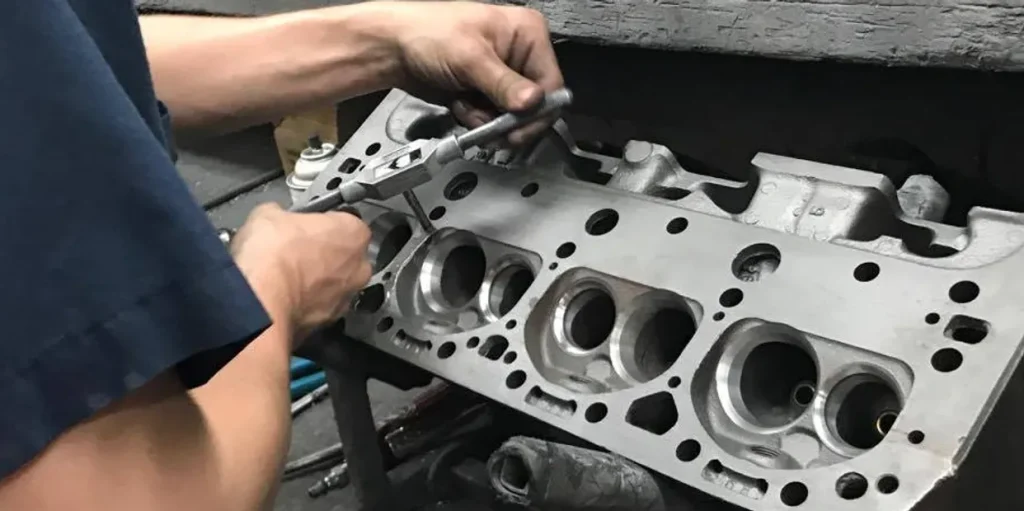
DIY Vs. Professional Cylinder Head Machining
What DIY can handle
If you’re handy and have some machining tools, you might be able to perform basic cylinder head resurfacing or cleaning. Simple tasks like cleaning the head, checking for cracks, or replacing valve seals are doable if you have experience. However, when it comes to precision work like valve seat cutting or head milling, it’s better to leave it to the pros. A high-quality engine head machining service ensures your head is perfectly flat and that all parts fit tightly, which DIY setups usually can’t guarantee.
Where DIY goes wrong
Trying to do advanced tasks such as porting or serious resurfacing without the proper equipment can lead to uneven surfaces or incorrect angles. Over-milling the head can cause compression loss, leading to poor performance or gasket failure. Also, improper valve seat angles can cause poor airflow and sealing issues. Skipping thermal checks or not using the right tools can result in cracks or warping later on. Remember, cylinder head machining requires precise measurement and specialized tools—things most DIY setups aren’t equipped to handle.
Why pro machine shops matter
Professional machine shops use advanced CNC cylinder head machining equipment and experienced technicians. They guarantee a flat, smooth finish—vital for optimal sealing and airflow. Plus, shops perform detailed inspections, crack tests, and multi-angle valve jobs that boost engine performance and reliability. Choosing a pro ensures your engine runs smoothly longer and avoids costly mistakes from DIY attempts. Think of it like a precision job for your engine’s heart—skimping on quality can cost you big.
How precision affects performance and reliability
When your cylinder head is machined with high accuracy, it improves airflow, compression, and seal integrity. This leads to better power gains and more consistent engine operation. Conversely, poor machining can cause leaks, uneven compression, and overheating issues. That’s why professional head pressure testing and proper surface finish are so important—they make sure everything works together without surprises down the road. For the best results, trust the pros who understand exactly how to get your head’s dimensions just right.
Cylinder Head Machining Cost Factors
The cost of cylinder head machining can vary pretty widely depending on what work you need done. Resurfacing, which is one of the most common services, usually falls in the range of $100 to $300. This process ensures the head’s surface is perfectly flat and ready for a good seal with the head gasket.
A full valve job — which includes valve seat cutting, grinding, and possibly valve guide repair — can run from around $300 to $800, depending on the engine and parts involved. This type of work improves airflow and sealing, often boosting performance.
Several factors influence the final price of engine head machining:
- Damage and condition: If the head has cracks, warping, or other damage, additional repairs or replacement parts may be necessary, which adds to the costs.
- Material type: Aluminum heads typically cost more to machine than cast iron because they require specialized tools and techniques.
- Service complexity: A simple resurfacing might be quick and inexpensive, but a comprehensive porting, polishing, or multistage valve job will cost more due to the extra time and precision involved.
- Timing and rush orders: If you need quick turnaround or emergency service, expect to pay a premium for expedited work.
Understanding these cost factors can help you plan better and avoid surprises when getting your cylinder head machined. Always ask your machine shop for a detailed quote that covers all needed services.
How to Maintain a Machined Cylinder Head
Maintaining a machined cylinder head is key to keeping your engine running smoothly and efficiently. After machining, proper care ensures the improvements in airflow, sealing, and overall performance last longer. Here are the main steps to keep your engine head in top shape:
Proper Torque Sequence
When installing or reassembling a machined cylinder head, following the correct torque pattern is vital. This prevents warping or uneven pressure that can cause gasket leaks or head cracks. Always use a torque wrench and follow the manufacturer’s specifications for the sequence and torque values.
Head Studs and Gasket Care
The head studs and gasket are critical for maintaining a good seal between the cylinder head and engine block. Use the right type of gasket and ensure head studs are clean and properly lubricated before tightening. Avoid over-tightening, which can damage the gasket surface or distort the head. Regular inspection and replacing gaskets when needed help prevent leaks.
Break-in and Thermal Cycling
After machining, your engine benefits from a proper break-in period. Gradually heating and cooling the engine (thermal cycling) helps the new machining work settle in. Drive gently for the first few hundred miles, avoiding high RPMs or heavy loads initially. This helps the machined surface and valves seat correctly, prolonging the head’s lifespan.
Leak-Down and Compression Checks
Once everything is assembled, running leak-down and compression tests confirms the head’s sealing and proper function. These tests can identify any issues like cracks, bad valve seals, or gasket failures early. Regular maintenance including these checks can keep your engine performing at its best for years, especially if you’ve recently done head machining work.
Proper maintenance after cylinder head machining isn’t just about look-outs—it’s about making sure all that hard work pays off with reliable power and longevity.