
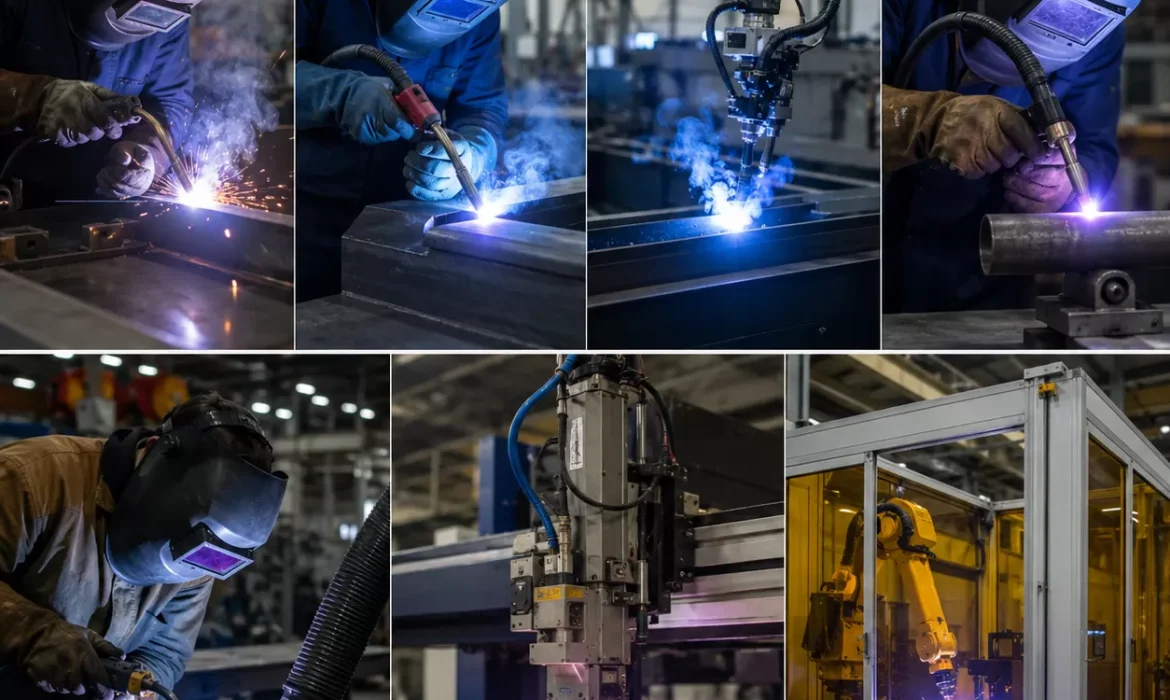
Introduction The metal fabrication process is the foundation of many industrial products, from machine components and equipment frames to aerospace parts and custom enclosures. Although finished metal parts may appear simple, the manufacturing process behind them often involves multiple operations working together to achieve the required shape, strength, accuracy, and...
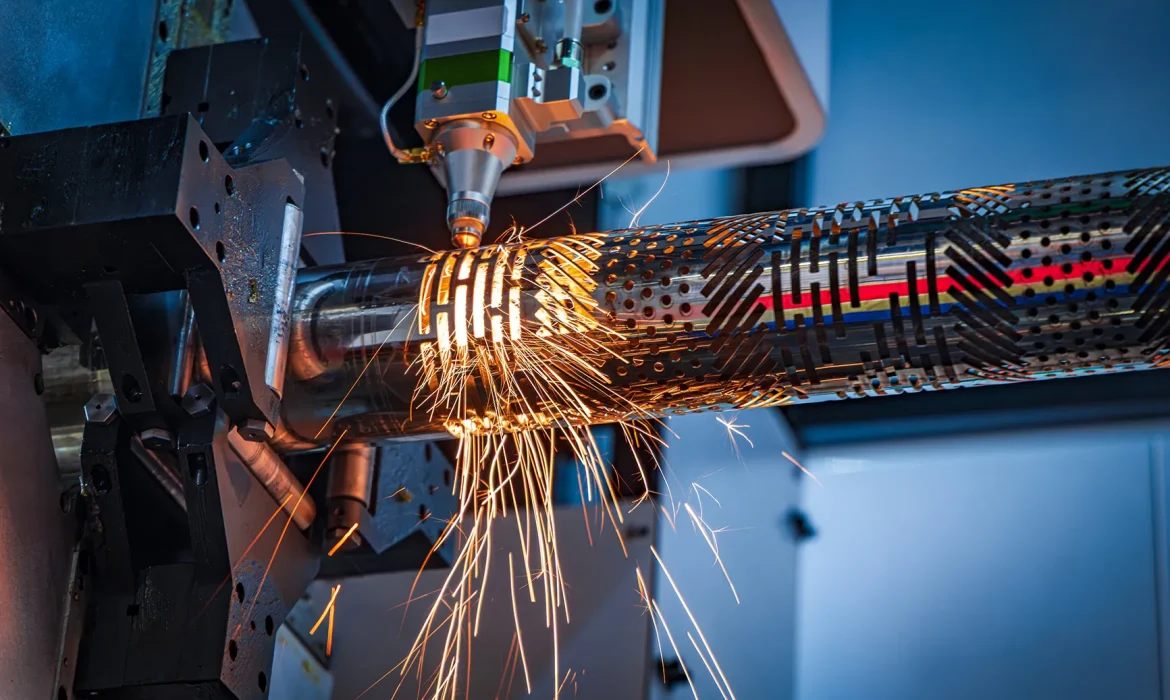
A Factory Guide to CNC Fabrication: Optimizing Cost, Material, and Design for Real-World Production
To an engineer or a procurement manager looking at a 3D CAD model, a finished component represents the completion of a design cycle. From the shop floor of an active production facility, however, that same part represents a sequence of physical manufacturing steps: tool geometries, material shear stresses, bend allowances,...
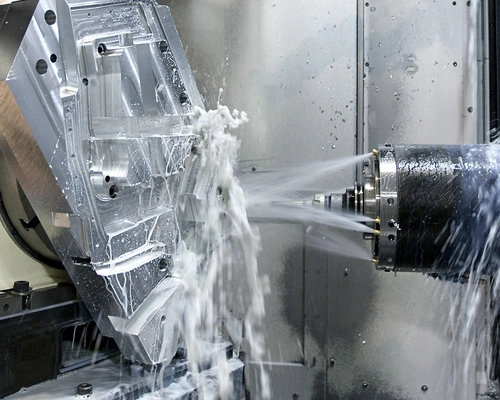
Billet Machining: Process, Materials, Advantages, and Engineering Applications
When precision, structural integrity, and repeatable performance are required, billet machining becomes one of the most reliable manufacturing approaches in modern engineering production. From aerospace brackets and robotics components to hydraulic manifolds and semiconductor fixtures, this process is widely used when part failure is not an option. Unlike forming processes...

What is CNC Precision Engineering? The Guide to High-Precision Machining
In high-demand industries such as aerospace, automotive, medical devices, and energy, the precision of a single component can determine product performance, safety, and reliability. When tolerances must be controlled at the micron level, standard machining methods often fall short. This is where CNC Precision Engineering becomes the essential solution for...
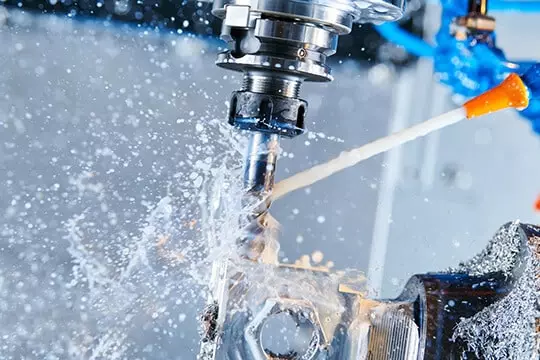
Optimizing Design Efficiency via CNC Machining Milling: A Field Guide for Procurement Engineers
CNC machining milling services are defined by strict physical realities on the shop floor. Step inside any high-tier production facility, and the environment speaks a distinct language. It is the rhythmic, low-frequency hum of a heavy cast-iron chassis stabilizing a massive cutting load. It is the sharp whistle of a...
The Complete Guide to CNC Milling Aluminum: Best Practices, Alloys, Tools & Pro Tips
CNC milling aluminum is one of the most popular and cost-effective methods for manufacturing precision metal components. Whether you need prototypes, small batch production, or complex structural parts, aluminum offers excellent strength-to-weight ratio, good corrosion resistance, and easy machinability. However, many projects encounter issues like rough surface finish, part deformation,...