
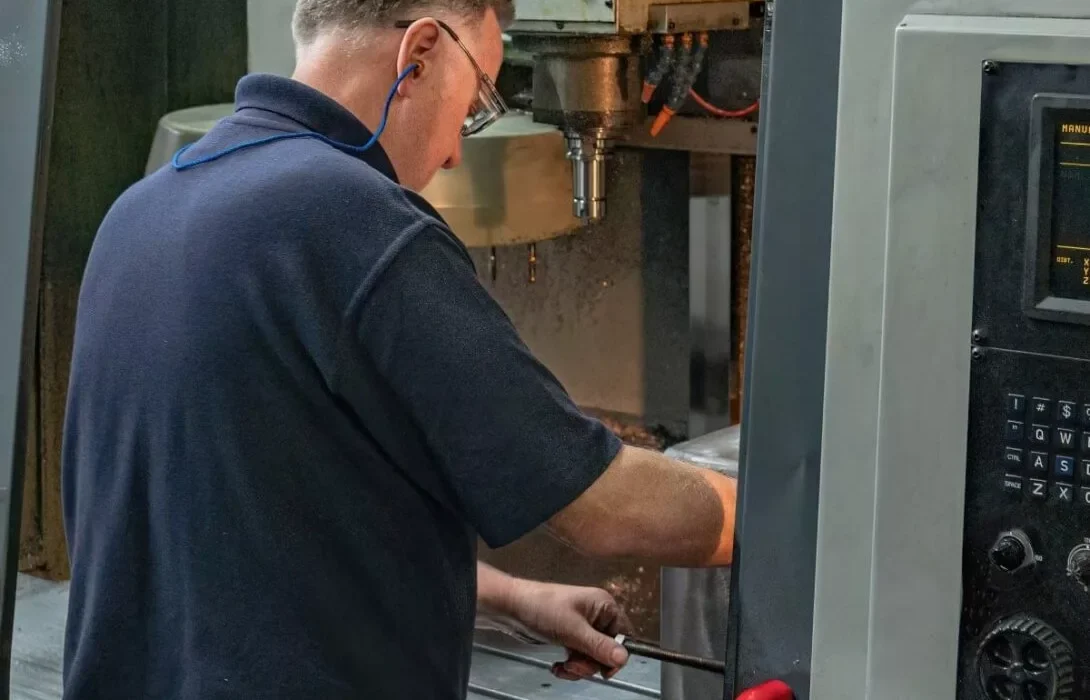
The question “Is CNC machining a dying trade?” usually comes from observing some real changes happening in manufacturing.
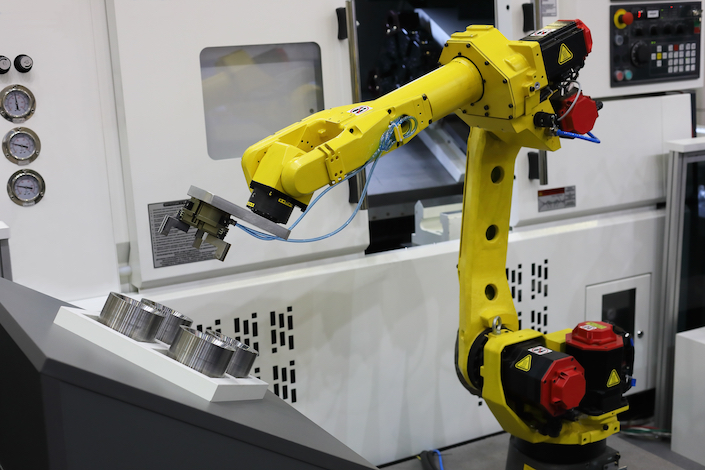
Over the past years, CNC machining has become more automated. Many factories have introduced newer machines, better software, and more efficient production methods. Some machining tasks that once required constant manual attention can now be completed with less operator involvement.
Because of this, some people believe that CNC machining is becoming a declining trade.
There is some truth behind this concern.
The type of CNC work that companies need has changed. Simple repetitive operations are increasingly handled through automation, and the expectations for CNC professionals are different from what they were in the past.
However, looking at CNC machining as a single type of job creates an incomplete picture.
CNC machining includes different roles, skill levels, and responsibilities. The changes affecting a machine operator producing simple parts are not the same as the changes affecting a CNC programmer, setup machinist, or manufacturing engineer.
To understand whether CNC machining is a dying trade, it is necessary to look at what is actually changing inside the industry.
Some Traditional CNC Machining Jobs Have Changed
One reason behind concerns about CNC machining is that some basic machining tasks have become easier to automate.
In high-volume production environments, companies often invest in automation to reduce repetitive work and improve consistency.
For example, once a CNC process has been developed and optimized, operators may spend more time monitoring production rather than manually adjusting every part.
This has changed the value of certain entry-level machining skills.
A person whose main responsibility is loading parts, starting cycles, and removing finished components may face more competition than someone who can set up machines, adjust programs, or solve production issues.
This does not mean machine operators are no longer needed. It means the role has changed.
Manufacturing companies still need people who understand the equipment and can respond when production does not go exactly as planned.
For projects involving complex geometries or multi-sided features, understanding the differences between machining methods can help select the right process. Learn more in our guide: 5-Axis CNC Machining vs Traditional CNC Machining: Cost and Quality Comparison.
CNC Machining Is Not One Single Career Path
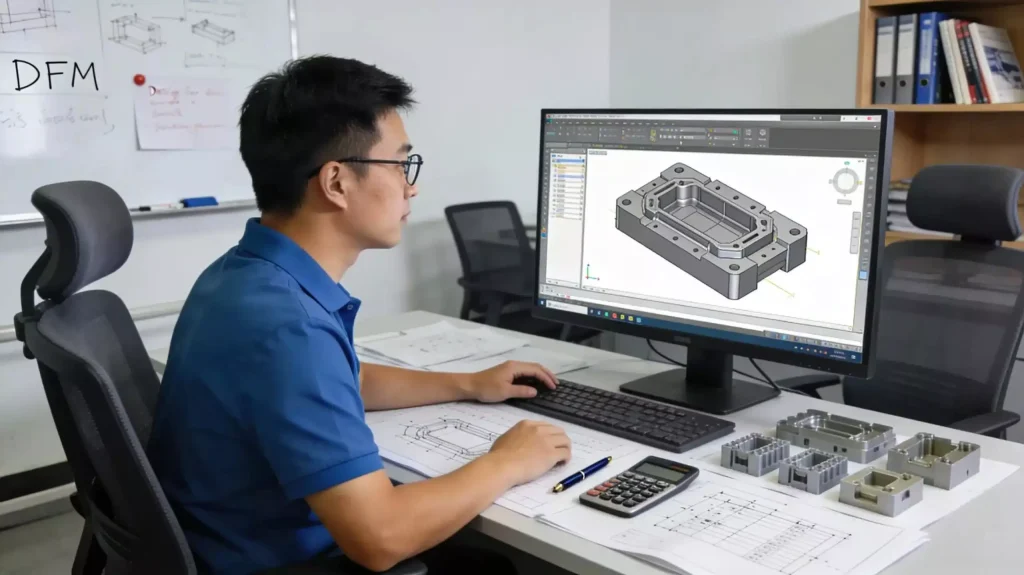
Another reason the “dying trade” question can be misleading is that CNC machining covers many different types of work.
A CNC operator, a CNC setup machinist, and a CNC programmer may work with the same equipment, but their responsibilities are very different.
A CNC operator may focus mainly on running established processes.
A setup machinist may need to prepare machines, install tooling, adjust workholding methods, and make production changes.
A CNC programmer or manufacturing engineer may be responsible for creating machining strategies, improving cycle times, and solving manufacturing problems before production begins.
Automation affects these roles differently.
Tasks that are repetitive and predictable are easier to automate. Tasks that require judgment, troubleshooting, and process decisions are more difficult to replace.
This difference is important when discussing the future of CNC machining as a trade.
Why Complex Machining Still Requires Experience
One reason CNC machining continues to be used is that manufacturing a part is not simply a matter of putting a design file into a machine.
In real production environments, many factors can affect the final result.
A drawing may define the required dimensions and tolerances, but achieving those requirements depends on how the part is manufactured.
Material selection, tool choice, machining sequence, workholding method, cutting parameters, and inspection process can all influence the outcome.
For example, machining a large aluminum component may involve concerns about deformation during cutting. A stainless steel part may require different tooling and cutting strategies because of material characteristics. A tight-tolerance component may require additional process control to maintain consistency.
These situations require practical decisions based on manufacturing experience.
A CNC machine can follow programmed instructions, but it does not decide whether the manufacturing approach is appropriate for a specific part.
This is where machining knowledge continues to play a role.
Automation Has Changed CNC Work, But Not Every Problem Can Be Automated
Automation is often mentioned as the main reason people question the future of CNC machining.
However, automation usually works best when the production process is stable and predictable.
For example, producing thousands of similar parts with established processes is a situation where automation can provide clear benefits.
The situation becomes more complicated when production involves:
- new part development;
- low-volume manufacturing;
- frequent design changes;
- complex geometries;
- difficult-to-machine materials.
In these situations, manufacturers often need people who can analyze problems and make adjustments.
A tool may wear faster than expected. A part may move during machining. A tolerance may be difficult to maintain. A production process may need improvement.
These issues are common in real machining environments.
Solving them requires understanding the relationship between the machine, material, tooling, and manufacturing process.
The CNC Industry Is Facing a Skills Gap
One of the more practical challenges in CNC machining is the shortage of experienced workers.
Machining knowledge has traditionally been developed through hands-on experience. Many skilled machinists build their understanding after years of working with different machines, materials, and production problems.
At the same time, modern CNC manufacturing requires additional technical skills.
Companies increasingly look for people who can work with:
- CNC programming;
- CAD/CAM software;
- precision measurement equipment;
- process improvement methods.
This creates a gap between traditional machining experience and the requirements of modern production.
The challenge for many companies is not simply finding someone who can operate a CNC machine.
It is finding people who understand why a process works, how to improve it, and how to solve problems when conditions change.
Why CNC Machining Companies Face More Competition
The challenges in CNC machining are not only related to technology and labor.
The business environment has also become more demanding.
Many customers today expect suppliers to provide more than basic part production.
They may need help reviewing designs, selecting materials, improving manufacturability, reducing production issues, and maintaining consistent quality.
This is especially true for custom CNC machining projects.
Unlike standardized products, custom components often involve unique requirements. Each project may require different approaches depending on the part geometry, material, tolerance requirements, and production quantity.
For machining companies, having equipment is only one part of the capability.
The ability to understand customer requirements and solve manufacturing challenges has become increasingly important.
CNC Machining Is Changing from Machine Operation to Manufacturing Knowledge
The biggest change in CNC machining is not simply the machines themselves.
It is the type of knowledge required to use those machines effectively.
In the past, machining experience was often associated mainly with operating equipment.
Today, CNC professionals often need to understand the entire manufacturing process, from design review to finished part inspection.
A person who understands machining principles, programming, tooling, and production processes can contribute more than someone who only knows how to run a machine.
This does not make traditional machining experience less valuable.
Instead, it changes how that experience is applied.
What Is Actually Happening in the CNC Machining Market?
Looking at the current CNC machining industry, the situation is more complicated than simply saying the trade is growing or declining.
Different parts of the market are experiencing different conditions.
For companies producing simple, high-volume components, automation and production efficiency have become increasingly important. These manufacturers often focus on reducing cycle times, improving consistency, and controlling costs.
For companies producing custom components, prototypes, and complex parts, the situation is different.
These projects often involve more variables. A part may require multiple machining operations, specific material requirements, tight tolerances, or adjustments during development.
In these cases, manufacturing experience becomes an important factor.
This is why CNC machining cannot be evaluated as a single type of work. A factory producing millions of identical parts and a shop producing customized precision components may use CNC machines, but the skills and challenges involved can be very different.
Does CNC Machining Have Fewer Opportunities Than Before?
The answer depends on what type of opportunity is being considered.
Some traditional entry-level machining positions have become more challenging because machines are easier to operate and companies can automate certain tasks.
However, this does not mean all machining-related opportunities are declining.
The industry continues to need people who can understand production processes, program machines, improve efficiency, and maintain quality.
The difference is that companies are often looking for broader skills.
Someone who can only perform one repetitive task may face more competition, while someone who understands machining processes and can solve problems may have more value in a manufacturing environment.
So, Is CNC Machining a Dying Trade?
CNC machining is not disappearing, but it is not the same trade it was in the past.
The industry has changed because manufacturing itself has changed.
Automation has reduced the need for some repetitive tasks. Software has changed how parts are programmed and produced. Customer expectations have increased.
At the same time, producing precision components still requires knowledge of materials, machining processes, and quality control.
The main change is that CNC machining has moved beyond simple machine operation.
Modern CNC work involves a combination of equipment knowledge, programming skills, process understanding, and practical problem-solving.
A More Accurate Way to Look at CNC Machining Today
Instead of asking whether CNC machining is a dying trade, it may be more useful to ask:
What type of CNC machining skills are becoming less valuable, and what skills are becoming more important?
The answer is clearer.
Repetitive tasks that require limited decision-making are more likely to be affected by automation.
Skills involving programming, process optimization, troubleshooting, and manufacturing knowledge remain important because they involve decisions that depend on experience.
This distinction explains why some people feel the industry is declining while others continue to see strong demand for skilled machining professionals.
They are often looking at different parts of the same industry.
Final Thoughts
The question “Is CNC machining a dying trade?” comes from real changes happening in manufacturing.
Automation, improved equipment, and new production methods have changed the way CNC machining is performed. Some traditional roles have changed, and the skills required today are different from those of the past.
However, the situation is more complicated than simply saying CNC machining is disappearing.
Manufacturing still requires people who understand how to turn designs into functional components, how materials behave during machining, and how production processes can be improved.
CNC machining is becoming less focused on repetitive machine operation and more connected with technical knowledge and manufacturing experience.
For anyone working in machining, entering the industry, or sourcing CNC machining services, understanding these changes provides a more realistic view of what CNC machining looks like today.