
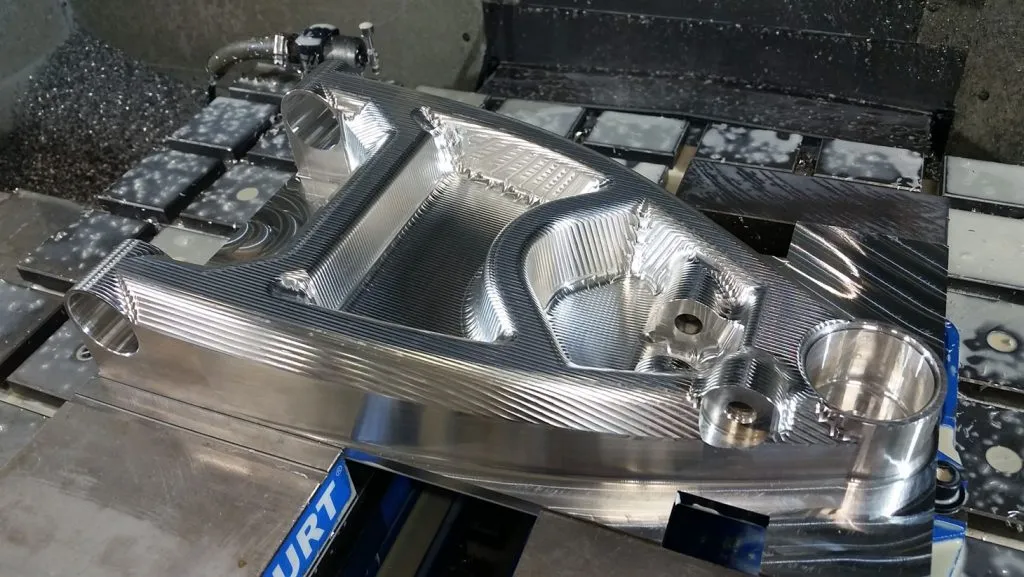
Defining Billet Metal: The Basics
If you’re into machining, fabrication, or making custom parts, you’ve probably heard the term “billet metal.” But what exactly is it? Simply put, a billet is a solid block of metal that’s been shaped into a uniform, ready-to-machine form. Think of it as a big, raw piece of metal that’s been prepared for the next step—cutting, shaping, or machining into your desired part.
How Billet Metal is Made
Billet metal is produced through various manufacturing processes designed to create a consistent, high-quality block:
- Casting: Molten metal is poured into molds, then cooled and solidified into a billet shape.
- Extrusion: Metal is pushed through a die to create long, uniform shapes, which are then cut into billets.
- Rolling: Metal is passed through rollers to produce slabs or bars, which can be further cut into billets.
These methods ensure the billet has a uniform grain structure and internal properties, making it ideal for precise machining.
Common Billet Materials
Billet metal comes in many varieties, each suited for different applications:
- Aluminum billet: Lightweight, corrosion-resistant, popular in automotive and aerospace projects.
- Steel billet: Strong, durable, used for structural parts and high-stress components.
- Brass billet: Good machinability and corrosion resistance, often used in decorative or electrical parts.
- Other materials: Titanium, copper, and specialty alloys are also available as billets for specific needs.
How Billet Differs from Other Semi-Finished Metal Forms
It’s important to understand how a billet differs from other forms like ingots, slabs, or bar stock:
| Form | Description | Use Cases |
|---|---|---|
| Ingot | Large, rough block of metal, often less uniform | Melting and casting into billets or other shapes |
| Slab | Thick, flat piece of metal, usually rolled | Fabrication or further machining |
| Bar stock | Long, cylindrical or rectangular shape | Machining into smaller parts |
| Billet | Solid, uniform block, ready for machining | Precision parts, custom manufacturing |
Why Billet Metal Matters
If you’re working on custom parts or high-performance components, billet metal offers several advantages:
- Consistency: Uniform grain structure and dimensions reduce surprises during machining.
- Strength: Often stronger and more reliable than cast or forged parts.
- Design freedom: Allows for complex, precise shapes that are difficult with other forms.
- Surface finish: Better surface quality and tighter tolerances make finishing easier.
In short, billet metal is a key material for anyone serious about machining, fabrication, or creating one-off prototypes. It provides a reliable, high-quality starting point that can be shaped into nearly anything you need.
Key Properties of Billet Metal
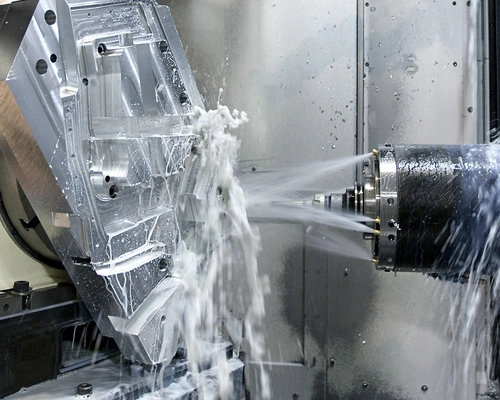
One of the biggest advantages of billet metal is its grain structure and internal uniformity. Because billets are made through controlled manufacturing processes like casting, extrusion, or rolling, they typically have a consistent internal structure. This uniformity helps ensure predictable strength and performance, which is crucial for precision machining and high-stress applications.
When it comes to strength, toughness, and durability, billet metal generally outperforms other forms like castings or slabs. Its dense grain structure reduces internal weaknesses, making it ideal for parts that need to withstand heavy loads or harsh conditions—think of automotive or aerospace components.
Machinability is another key property. Billet metal works so well with CNC machining because its uniform internal structure allows for cleaner cuts and more precise tolerances. This makes it easier to produce complex, high-quality parts with a smooth surface finish. If you’re into custom fabrication or prototype work, billet metal’s machinability can save time and improve results.
Dimensional accuracy and consistency are also critical. Every billet is manufactured to tight specifications, meaning each piece will have minimal variation in size and shape. This consistency is essential when producing multiple parts that need to fit together perfectly, especially in high-performance applications.
Finally, billet metal can be customized to suit specific needs. You can choose from various sizes, shapes, alloys, and tempers to match your project requirements. Whether you need a specific alloy for corrosion resistance or a certain shape for a custom part, billet metal offers a lot of flexibility. For example, aluminum CNC machining often uses billet stock because of its excellent machinability and ability to be tailored to precise specifications.
Billet Metal vs Other Metal Forms
When comparing billet metal to other forms like cast, forged, bar stock, or plates, it’s important to understand their differences and what makes billet a preferred choice in certain applications.
Billet vs Cast Metal
Cast metal is poured into molds and cooled, which can sometimes lead to defects like porosity or uneven grain structure. Billet metal, on the other hand, is usually made through processes like casting, but it’s then refined through additional steps such as extrusion or rolling to improve internal uniformity. This results in stronger, more reliable material with fewer internal flaws. For critical parts that need high strength and durability, billet generally outperforms cast metal. If you want to avoid issues like porosity or weak spots, billet is often the better option.
Billet vs Forged Metal
Forging involves shaping metal under high pressure, which aligns the grain structure for increased strength and toughness. Billet metal is typically machined from solid blocks, offering excellent dimensional accuracy and surface finish. While forged parts excel in high-stress environments (like aerospace or heavy-duty automotive components), billet parts are ideal when you need complex shapes or precise tolerances. The process differences mean that billet can be more versatile for custom parts, but forging might be better for extremely high-stress applications.
Billet vs Bar Stock and Plate
When people refer to “billet,” they usually mean a solid block of metal that’s ready for machining into a custom part. Bar stock is long, round pieces, while plates are flat sheets—both are semi-finished forms used for various manufacturing needs. A billet is often larger and more uniform, making it suitable for complex, one-off projects or prototypes. Choosing between these depends on your project’s size, shape, and precision requirements.
When to Choose Billet Over Casting or Forging
Opting for billet makes sense when you need high dimensional accuracy, a consistent grain structure, or complex geometries that are difficult to forge or cast. For example, custom automotive parts or aerospace components often benefit from billet because it offers better surface finish and tighter tolerances. However, if cost is a concern and the part doesn’t require extreme strength, casting or forging might be more practical.
Common Myths About Billet Metal
A common misconception is that billet is always stronger than cast or forged metal. While billet can offer superior strength due to its internal grain structure, this isn’t true in every case. The actual strength depends on the alloy, heat treatment, and manufacturing process. Another myth is that billet is always more expensive—sometimes, with the right setup, billet can be cost-effective for small runs or custom projects.
Understanding these differences helps you make smarter choices in selecting the right metal form for your specific project needs.
Common Uses of Billet Metal
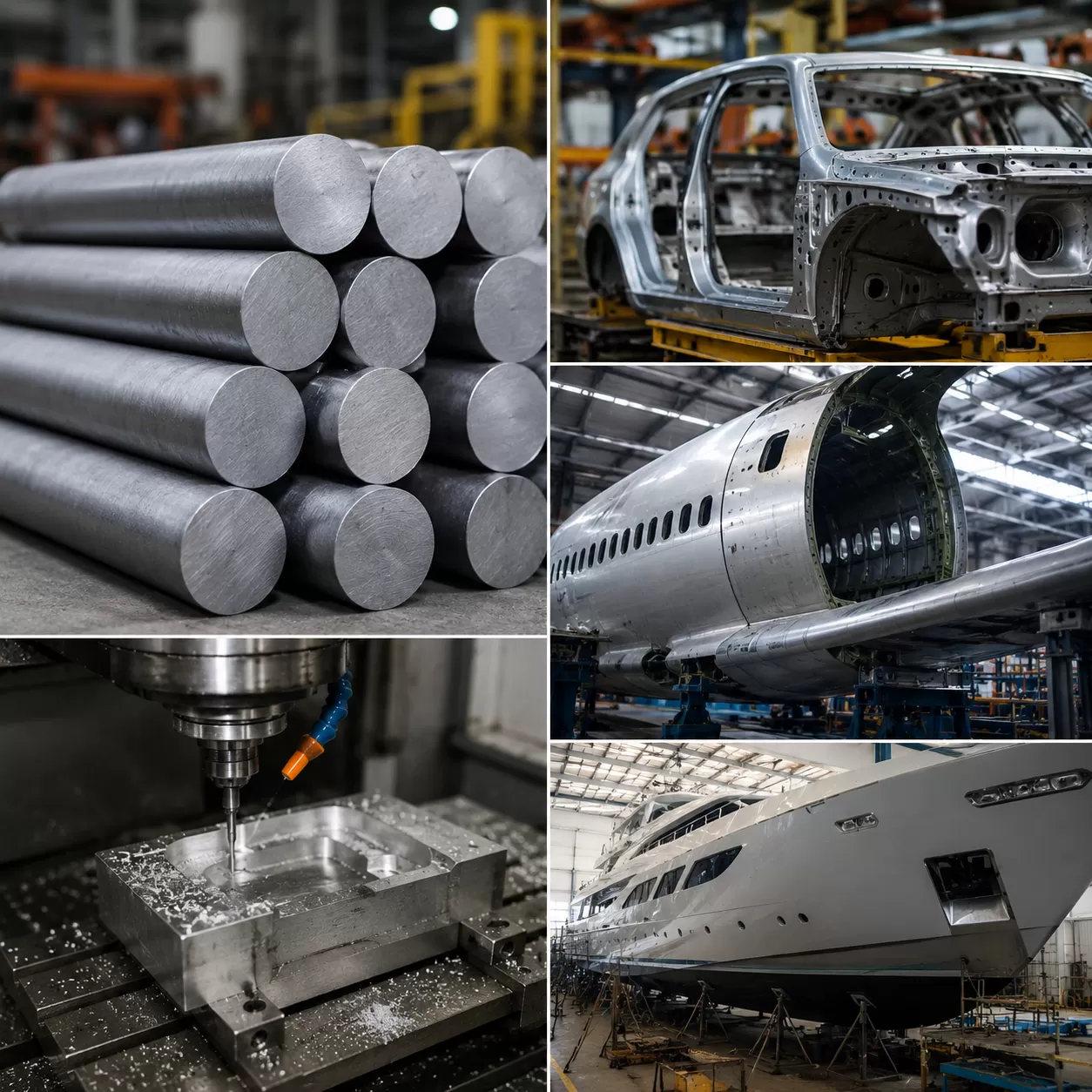
Billet metal is widely used across many industries thanks to its strength, consistency, and ability to be precisely machined. In the automotive world, billet parts are popular for high-performance engine components, brackets, suspension parts, and custom accessories. These parts often require the durability and finish that billet aluminum or steel can provide, making them ideal for racing and aftermarket upgrades.
In aerospace, billet metal plays a key role in manufacturing lightweight structural parts and high-stress components. Its internal grain structure and uniformity help ensure reliability and safety in critical applications. Similarly, in construction and heavy equipment, billet metal is used for durable, load-bearing parts that need to withstand tough environments.
CNC machining shops and job shops frequently work with billet metal because it offers excellent machinability and consistent quality. This makes it easier to produce precise, repeatable parts, whether for prototypes or small production runs. Additionally, billet metal is common in everyday items like marine hardware, motorsports gear, bikes, tools, and various consumer products, thanks to its versatility and high performance.
Overall, billet metal’s ability to be customized into different sizes, shapes, and alloys makes it a go-to choice for many demanding applications. Whether in performance cars, aerospace, or industrial equipment, billet metal helps create strong, reliable, and visually appealing parts.
Advantages of Billet Metal
One of the biggest benefits of using billet metal is its strength-to-weight ratio, which makes it ideal for performance builds and critical parts that need to withstand high stress. Because billet has a uniform grain structure and internal consistency, it offers reliable quality and repeatability during machining and production. This consistency ensures that each part meets tight tolerances, making it a favorite among manufacturers who need precision.
Another key advantage is the design freedom billet provides. Whether you’re creating custom parts or one-off prototypes, billet allows for complex shapes and intricate details that are difficult to achieve with casting or forging. Plus, billet often results in a better surface finish and more accurate dimensions, which reduces finishing time and improves overall quality.
In some cases, choosing billet metal can even be more cost-effective than other options, especially when factoring in the time saved during machining and the higher durability of the final part. While the initial material cost might be higher, the benefits in performance, precision, and design flexibility often outweigh the expense, making billet a smart choice for many high-end applications.
Challenges and Limitations of Billet Metal
While billet metal offers many advantages, there are some challenges and limitations to keep in mind. One of the biggest downsides is the higher upfront material cost. Because billets are semi-finished and often more expensive than other forms like ingots or bar stock, this can impact your project budget. Additionally, there’s usually more stock waste during machining, especially if the part design is complex or requires a lot of material removal.
Availability can also be an issue. Certain billet alloys and sizes may be harder to find or have longer lead times, which can slow down production. You’ll also need the right CNC machines, tooling, and programming skills to work effectively with billet metal. Not every shop is equipped for high-precision machining of billets, especially when dealing with tough materials like steel or aerospace-grade alloys.
Handling and setup are other hurdles. Proper material handling, fixturing, and setup are critical to avoid inaccuracies or damage during machining. This adds to the overall complexity and time needed for projects.
Finally, it’s important to ask yourself whether billet metal is overkill for your specific project. For small runs or simple parts, cheaper or more straightforward options like casting or forging might be more practical and cost-effective. Understanding these limitations helps you decide if investing in billet metal makes sense for your needs.
Billet Metal in CNC Machining
Why CNC Machinists Love Working with Billet Metal
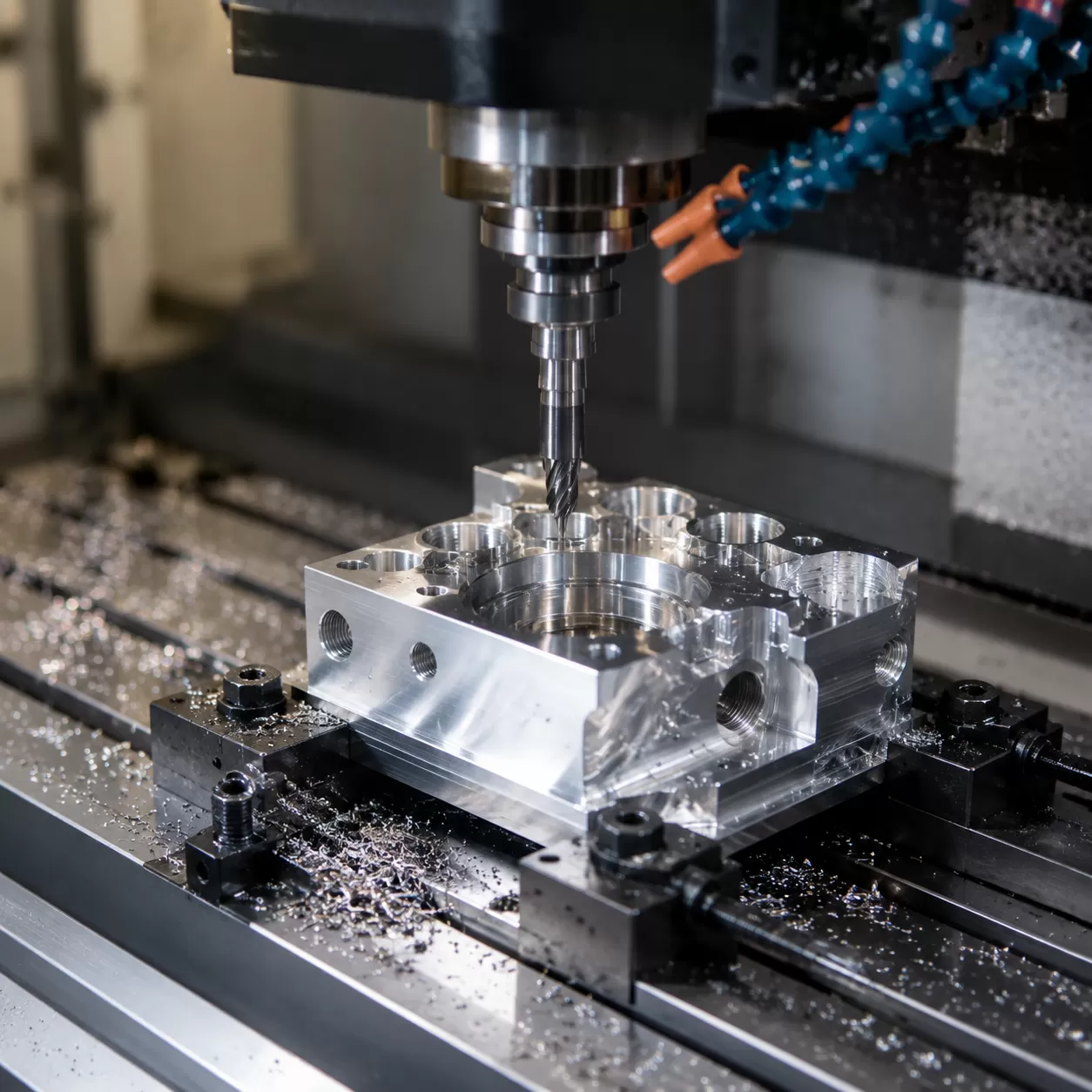
CNC machinists prefer billet metal because it offers excellent consistency and strength, making it easier to produce high-precision parts. The grain structure of billet metal is uniform, which results in fewer defects and better overall durability. Plus, billet provides a stable base for complex machining, allowing for tighter tolerances and smoother finishes. This makes it ideal for manufacturing custom parts, especially in industries like automotive, aerospace, and high-performance tools.
Typical CNC Processes Used on Billet
Common CNC processes for working with billet metal include milling, turning, drilling, and 5-axis machining. Milling is often used to shape complex contours, while turning is great for producing round components like shafts or bolts. Drilling adds holes with precision, and 5-axis machining allows for multi-sided cuts in a single setup, saving time and improving accuracy. These processes are especially effective with aluminum billet stock or steel billets, enabling the creation of detailed and durable parts.
Examples of Parts Commonly Machined from Billet
Some typical parts machined from billet include engine components, brackets, suspension parts, and custom accessories. In aerospace, billet is used for lightweight structural parts that need high strength and reliability. In the automotive world, billet is popular for high-performance engine parts, such as pistons or intake manifolds. CNC shops also produce marine hardware, motorsports parts, and even consumer tools from billet metal to meet demanding specifications.
Programming and Toolpath Considerations for Billet Work
When working with billet metal, programming and toolpath planning are crucial. Proper tool selection, cutting speeds, and feed rates help maximize material removal while minimizing tool wear. Using CAM software to optimize toolpaths ensures efficient machining, reduces waste, and improves surface finish. Additionally, considering the grain structure and internal properties of billet helps prevent issues like warping or internal stress during machining.
How a Good Machining Partner Can Save Time and Material
Partnering with an experienced CNC machining shop can make a big difference when working with billet metal. Skilled machinists understand how to select the right alloys, optimize toolpaths, and handle complex setups. They can reduce material waste, improve cycle times, and ensure consistent quality across production runs. For those using billet for custom or prototype parts, a reliable partner can help turn ideas into finished products faster and more cost-effectively.
Choosing the Right Billet Metal for Your Project
Picking the right billet metal starts with understanding your specific needs. For example, if you need lightweight parts, aluminum billets are a popular choice due to their low density and good machinability. If strength and durability are top priorities, steel billet metals might be better suited. Other metals like brass or titanium can also be considered based on corrosion resistance or weight requirements.
Matching billet properties to your use case is crucial. Think about what matters most for your project—whether it’s strength, corrosion resistance, or weight savings. For instance, aerospace applications often require high-strength, lightweight aluminum billets, while heavy-duty construction might call for steel billets.
Choosing the right billet size and stock shape can also impact your machining efficiency. Larger billets can be more cost-effective for big parts, but smaller sizes might reduce waste and make handling easier. When selecting, check the dimensions and shape (block, bar, or custom shape) to ensure it fits your machining setup.
Reading material specs, standards, and certifications is key to making a reliable choice. Look for information on alloy composition, temper, and quality certifications to ensure the billet meets your project’s standards. If you’re unsure, it’s always best to consult with a billet metal supplier or an expert before placing an order. They can help you find the best material for your specific application and avoid costly mistakes.
FAQs About Billet Metal
What do people really mean when they say “billet metal”?
When someone mentions “billet metal,” they’re usually talking about a solid block of metal that’s been pre-cut from a larger piece, often used for machining or fabrication. It’s a semi-finished product, typically made through processes like casting or extrusion, and then further shaped into custom parts. The term “billet” emphasizes that it’s a dense, uniform piece ideal for precision machining.
Is billet metal stronger than cast metal in most cases?
Yes, in general, billet metal tends to be stronger and more reliable than cast metal. That’s because billets usually have a more refined grain structure with fewer internal defects like porosity or inclusions. This makes billets especially suitable for high-stress parts, such as automotive or aerospace components, where strength and durability are critical. You can learn more about the differences between billet and cast metal here.
What are the most common billet metals used in shops and garages?
The most popular billet metals include aluminum, steel, and brass. Aluminum billets are favored for lightweight, corrosion-resistant parts, especially in automotive and aerospace applications. Steel billets are chosen for their high strength and durability, often used in heavy-duty machinery or structural parts. Brass billets are common for decorative or electrical components. These materials are widely available from billet metal suppliers and are often used in CNC machining projects.
How does billet metal show up in CNC machining workflows?
In CNC machining, billet metal is the starting point for creating precise, custom parts. Machinists typically mill, turn, or drill from a solid billet to achieve tight tolerances and complex shapes. Because billets have a consistent grain structure and dimensional stability, they produce high-quality finishes and reliable parts. For example, aerospace components often start as billets to ensure strength and precision. To optimize your CNC process, consider consulting resources on CNC machining that focus on working with billet stock.
Where can I buy billet metal, and what should I watch out for when sourcing?
Billet metal can be purchased from specialized suppliers, metal distributors, or online stores that cater to machining and fabrication needs. When sourcing billet metal, it’s important to verify the material’s alloy composition, certifications, and quality standards. Also, check the dimensions and shape to ensure they match your project requirements. Be cautious of counterfeit or low-grade billets, which can compromise your final parts’ strength and performance. Working with reputable billet metal suppliers helps ensure you get consistent, high-quality material for your projects.