What Is Anodized Titanium?
Are you wondering what makes anodized titanium different from standard titanium? In simple terms, anodized titanium refers to titanium that has undergone an electrochemical process called anodizing, which enhances its surface appearance and durability. This process creates a thin, colorful oxide layer on the titanium’s surface, giving it vibrant hues that are both beautiful and resistant to wear.
How the Titanium Anodization Process Works
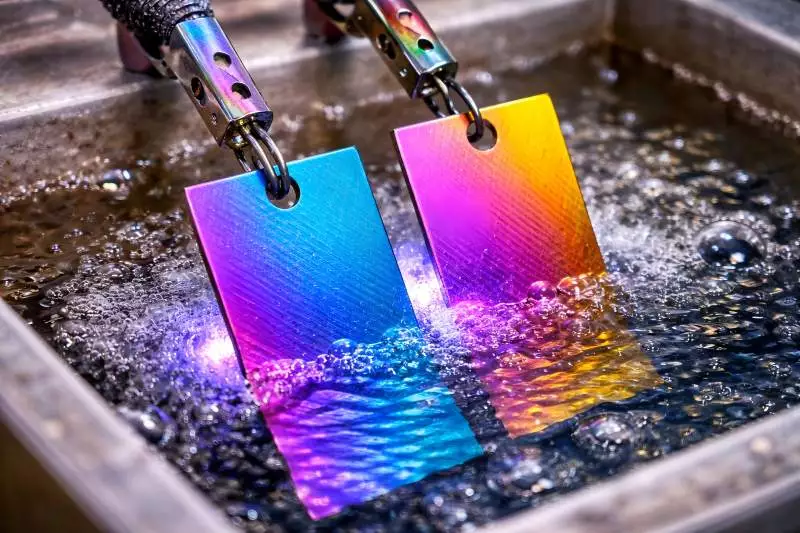
The anodization process involves submerging titanium in an electrolytic solution and applying an electrical voltage. As electricity flows through, it causes oxygen to bond with the titanium surface, forming a titanium dioxide (TiO₂) layer. The thickness of this oxide layer determines the color appearance—ranging from gold and blue to purple and green—due to light interference effects.
Why Titanium Forms a Colored Oxide Layer
Titanium naturally forms a thin oxide coating when exposed to oxygen, which provides some corrosion resistance. During anodization, we intentionally thicken this layer and control its properties to produce vibrant, lasting colors. This colored oxide layer isn’t just pretty; it significantly improves the surface’s resistance to scratches, corrosion, and general wear.
Common Uses of Anodized Titanium
You’ll find anodized titanium in many practical and aesthetic applications, including:
- Jewelry and fashion accessories
- Watches and watch parts
- Medical devices and implants
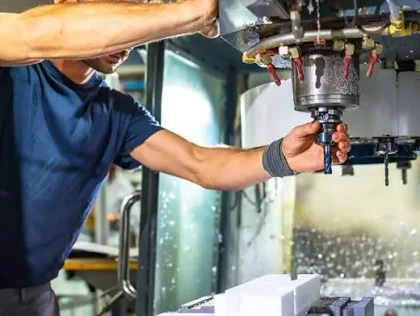
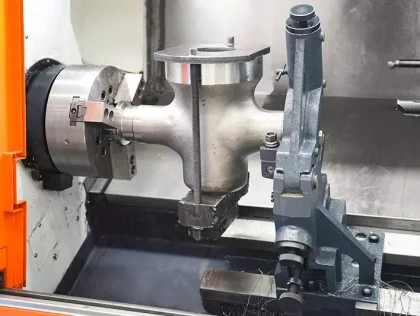
- CNC machined parts and industrial components
This popular material stands out because it combines lightweight strength with excellent corrosion resistance and customizable colors. Whether in high-end jewelry or precision machinery, anodized titanium offers both beauty and resilience.
Does Anodized Titanium Wear Off?
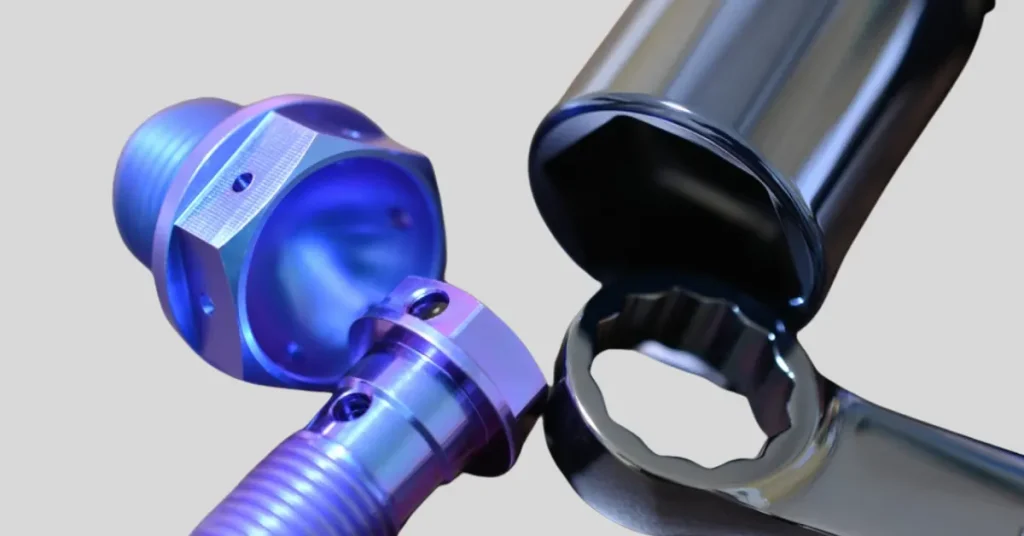
Many people wonder if the anodized titanium coating will wear off over time. The good news is that while it can fade, it doesn’t just disappear like paint or traditional coatings. The answer depends on how much the product is worn, the type of use, and how well it’s cared for.
Typically, what actually fades isn’t the titanium itself, but the color of the anodized surface. This colored oxide layer gives titanium its vibrant, durable look. Over time, frequent friction, scratches, and impact damage can dull or scratch the surface, making the color less vivid. However, the exposed titanium underneath remains unaffected, meaning the base metal is usually still strong and corrosion-resistant.
In terms of lifespan, anodized titanium generally lasts for several years under regular daily use. For accessories like jewelry or watches, the finish might stay vibrant for 2-5 years or longer, especially if you care for them properly. You might notice the color starting to fade or dull after a few years of constant wear, especially if exposed to sweat, water, or harsh chemicals. But if you’re cautious and avoid rough contact, your anodized titanium piece can keep its appearance much longer.
How Anodized Titanium Is Made
The process of creating anodized titanium starts with an electrochemical anodizing technique, where the titanium part is submerged in an electrolytic solution and connected to an electrical current. When voltage is applied, it causes a thin layer of titanium oxide to form on the surface. The thickness of this oxide layer depends on the voltage used—higher voltages produce thicker oxide layers and a more intense color. This control over voltage and electrolytic conditions allows manufacturers to produce a range of vibrant colors, from gold to blue and purple, simply by varying the process parameters.
The titanium oxide layer isn’t just about color; it plays a crucial role in the material’s durability. A well-formed, thick layer provides increased resistance to scratches, corrosion, and general wear. That’s why finishing quality really matters—smooth, consistent anodizing results in a longer-lasting color that resists fading and surface damage. When done correctly, anodized titanium combines aesthetic appeal with excellent surface enhancement, making it ideal for jewelry, watches, and even medical-grade implants.
What Affects Anodized Titanium Durability?
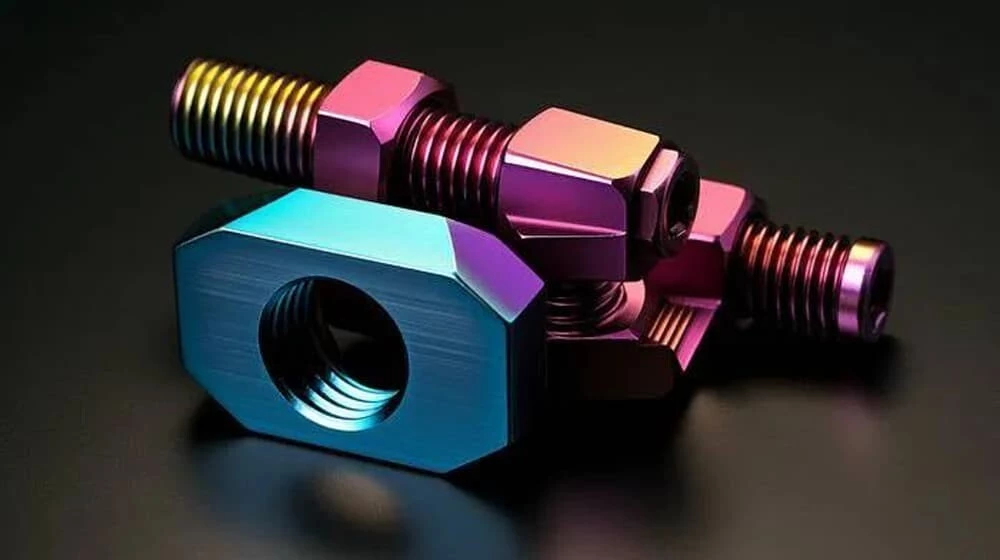
The durability of anodized titanium mainly depends on how it’s handled and exposed to different conditions. Things like friction, scratches, and impact damage can wear down the surface over time. Regular contact with sweat, water, and chemicals also plays a role in how long the anodized finish lasts. For example, exposure to chlorine or harsh cleaning products can accelerate wear and cause the color to fade or scratch more easily.
Sunlight, heat, and daily use are other factors that can impact anodized titanium’s surface. Prolonged outdoor exposure, especially in direct sunlight, might cause some fading in color stability. Similarly, indoor environments with steady, low-impact use tend to help the finish hold longer. Overall, keeping anodized titanium protected from excessive friction, chemicals, and impact will extend its lifespan and keep the finish looking fresh longer.
If you want your anodized titanium to stay vibrant and scratch-free, it helps to understand how different environments and everyday habits affect its longevity. For more on how titanium surface enhancement works, check out this detailed overview of the [titanium anodization process].
Is Anodized Titanium Scratch Resistant?

Anodized titanium offers decent scratch resistance for everyday use, but it’s not completely scratch-proof. It handles normal bumps and small scratches pretty well, especially compared to softer metals. However, rougher contact or sharp objects can still cause damage. Constant friction from things like bracelets rubbing against surfaces or keys in pockets can wear down the anodized layer over time.
What’s important to know is the difference between surface marks and actual coating loss. Small surface scratches might only affect the color appearance temporarily, but deeper gouges can damage the titanium oxide layer itself, leading to a faded look or even revealing the base titanium underneath. This is why, with jewelry and accessories, it’s good to be cautious about harsh impacts or abrasive contact.
In practical terms, anodized titanium generally withstands daily wear quite well, but if you want your jewelry to stay looking new longer, avoid heavy-duty scraping or knocking it against rough surfaces. Regular cleaning and mindful handling help maintain that vibrant color and finish. For those seeking added durability, some manufacturers even re-anodize worn pieces to refresh their appearance, which can extend the lifespan of the coating.
You can find more tips on caring for anodized titanium jewelry and how to keep it looking its best by checking out anodized titanium jewelry care, especially if you’re investing in high-quality pieces.
How Long Does Anodized Titanium Last?
The typical lifespan of anodized titanium in daily use can range from several years to even decades, depending largely on how it’s used and cared for. In low-wear applications like jewelry or watches, it can maintain its vibrant color and finish for many years without much issue. However, in high-wear or more abrasive environments, the coating may start to show signs of wear sooner.
Some pieces tend to keep their color longer because they are less exposed to friction, scratches, or chemicals. For example, jewelry worn occasionally is less likely to fade quickly compared to items exposed to daily impact, sweat, or harsh cleaning products. Proper care, like avoiding aggressive chemicals and storing pieces safely, helps extend the finish’s lifespan.
Signs that the anodized titanium finish is starting to fade include visible scratches, dullness of the color, or slight discoloration. While the titanium base typically remains strong and corrosion-resistant, the surface appearance may become less vibrant. Re-anodizing is possible if the wear is minimal and the surface isn’t heavily damaged, but it’s best done by professionals to restore the original look effectively.
In general, with good maintenance and mindful use, anodized titanium can stay looking sharp and colorful for many years, making it a popular choice for durable, stylish accessories.
Can Anodized Titanium Be Re-Anodized?
If your anodized titanium jewelry or accessories start to show signs of wear or scratches, re-anodizing can often bring back their original look. In many cases, worn titanium can be refinished with a new anodized layer, extending its lifespan and maintaining its vibrant color. However, it’s important to understand when re-anodizing makes sense and what happens if the surface has been damaged.
When Re-Anodizing Makes Sense
Re-anodizing titanium is a good option if the existing oxide layer has faded, scratched, or worn through, affecting the appearance but not damaging the base metal. It’s especially suitable for jewelry, watches, or decorative parts that need a fresh finish without replacing the entire piece. Keep in mind, the surface should still be intact— deep gouges or significant damage might require polishing before re-anodizing.
What Happens if the Surface Is Damaged
If the anodized surface has been severely scratched or impacted, simply re-anodizing may not be enough. Damage that breaches the titanium oxide layer can compromise the finish, potentially leading to uneven color or a weakened surface. In these cases, thorough cleaning and professional assessment are essential. Sometimes, the damage might require polishing or other surface treatments before new anodizing can be applied properly.
Why Professional Refinishing Works Best
Re-anodizing titanium is a precise process that involves careful control of voltage and other parameters during electrochemical treatment. Professionals with experience in titanium finishing techniques will ensure a consistent, durable, and visually appealing result. DIY re-anodizing can be tricky, as uneven layers or improper handling might cause more harm than good, especially for intricate or high-value pieces. If you want your anodized titanium to look its best, working with a specialist is the way to go.
How to Keep Anodized Titanium Looking Good
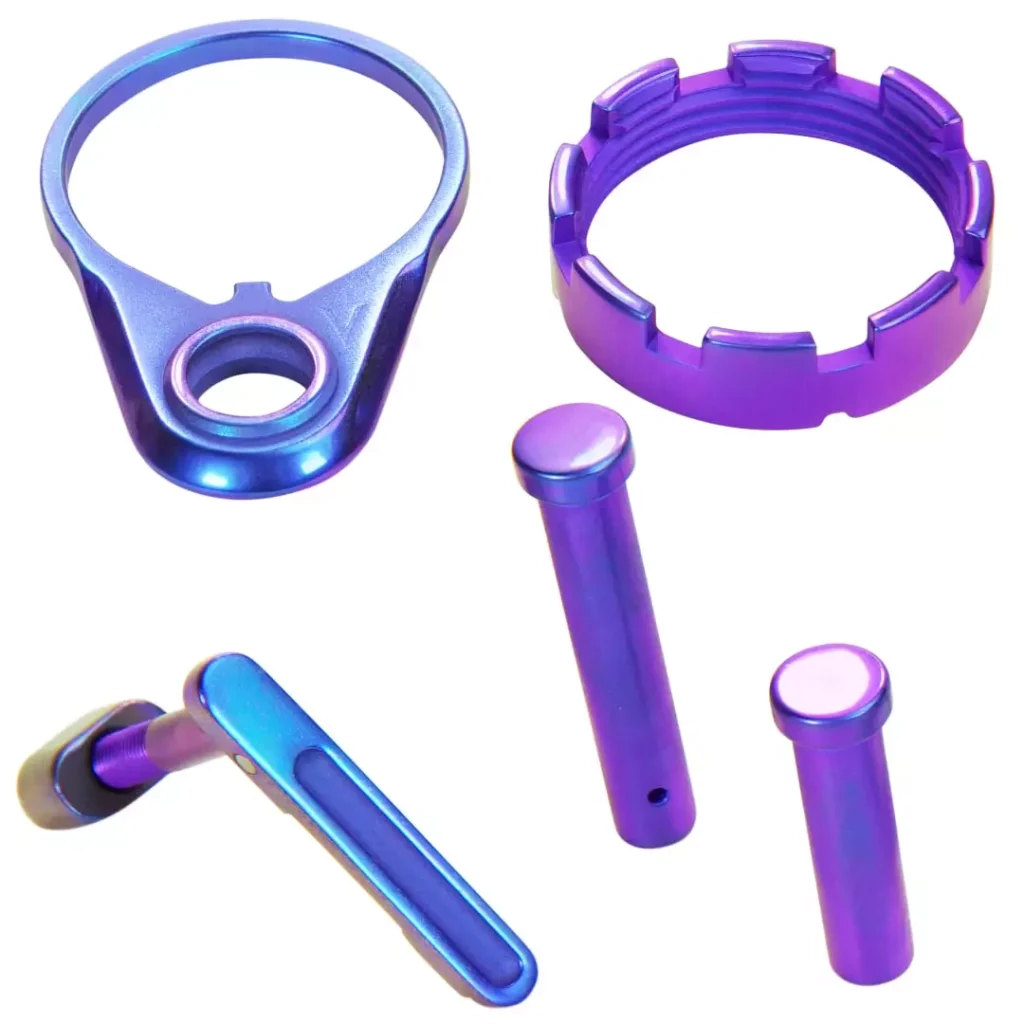
Maintaining the vibrant finish of anodized titanium jewelry and accessories is pretty straightforward if you follow some simple tips. First off, cleaning regularly with mild soap and water keeps dirt and oils from dulling the surface. Gently scrub with a soft cloth or a non-abrasive brush to avoid scratches that can accelerate wear. Avoid harsh chemicals like bleach or abrasive cleaners, as they can damage the anodized titanium coating and cause the color to fade faster.
Reducing scratches and friction is key to preserving the anodized layer. Take off jewelry during activities that involve rough contact or impact, and avoid putting them in tight spaces where they might rub against other objects. When storing, keep pieces in soft pouches or separate compartments to prevent surface marks. Also, handling your anodized titanium carefully—avoiding dropping or bumping—can significantly extend its lifespan.
It’s important to be aware of what products and habits to avoid. For example, exposing anodized titanium to chlorinated water, household cleaning chemicals, or high heat can weaken the oxide layer and lead to discoloration. Similarly, wearing your jewelry during workouts or heavy manual work may cause unnecessary scratches or impact damage. Sticking to gentle cleaning routines and proper storage will help keep your anodized titanium pieces looking fresh and vibrant for years to come.
Anodized Titanium vs Other Coatings
When comparing anodized titanium to other popular finishes like PVD and ceramic coatings, there are some clear differences, especially in color stability and wear resistance.
| Coating Type | Color Stability | Wear Resistance | Best Uses |
|---|---|---|---|
| Anodized Titanium | Good; color can fade over years | Moderate; prone to scratches if rough handling | Jewelry, watches, medical devices |
| PVD Coating | Excellent; highly resistant to fading | Very high; scratch and corrosion resistant | Luxury accessories, high-end parts |
| Ceramic Coating | Very stable; retains color long | Extremely durable; scratch-resistant | Industrial parts, tooling, premium hardware |
Anodized titanium offers a vibrant color that looks great initially but may fade if exposed to daily wear and tear. It’s lightweight and flexible, making it popular for jewelry and watches, but isn’t as durable as PVD or ceramic coatings for high-friction or impact applications.
PVD coating (Physical Vapor Deposition) creates a very tough, scratch-resistant finish that stays stable for a long time. It’s ideal for high-end hardware and accessories where longevity matters.
Ceramic coatings are the most durable, offering top-tier scratch and wear resistance. They’re perfect for demanding industrial uses, but colors tend to stay stable longer than anodized titanium.
In , your choice depends on your needs. For everyday jewelry that looks great but may need occasional touch-up, anodized titanium works well. For heavy use or outdoor conditions, PVD or ceramic coatings could be better options.
Where Anodized Titanium Works Best
Anodized titanium is popular in many areas because of its unique combination of durability and visual appeal. It’s often used in jewelry and fashion accessories, where the vibrant colors and lightweight nature make it a favorite. This finish is also common in watch parts and premium hardware, thanks to its resistance to corrosion and scratches, which helps maintain a sleek look over time.
In the medical field, medical-grade anodized titanium is valued for its biocompatibility and strength, making it suitable for implants and surgical tools. Additionally, in industrial settings, anodized titanium is used for CNC machined components, especially when high durability and wear resistance are needed.
If you’re interested in precision parts, check out how CNC machining can produce custom anodized titanium components with excellent surface finishes and long-lasting color stability. This makes anodized titanium a versatile choice across many industries, where performance and style matter.
Why Choose Anodized Titanium?
Anodized titanium offers a smart combo of features that make it a top pick for many applications. Here’s why:
| Feature | Benefit |
|---|---|
| Lightweight & Durable | Despite being lightweight, anodized titanium is incredibly strong, perfect for jewelry, watches, or CNC Machined parts that need to stand up to daily wear. |
| Corrosion Resistance | The anodized oxide layer shields the metal from water, sweat, and chemicals, making it ideal for both outdoor gear and medical devices. |
| Appealing Visuals | The process creates vibrant, stable colors that won’t fade easily, giving your items a modern, eye-catching look. Learn about titanium oxidation color stability for more. |
| Biocompatibility & Practical Performance | Safe for skin contact and resistant to body fluids, anodized titanium is frequently used in medical-grade implants and jewelry that lasts. |
Choosing anodized titanium blends strength, beauty, and practical benefits—making it a go-to choice for those who want long-lasting, stylish, and reliable materials.