Ever wonder what “CNC machining tolerances” really mean? In simple terms, it’s the allowable variation in dimensions of a machined part. Think of tolerances as the acceptable “wiggle room” that still makes your part work perfectly in its application.
Why Tolerances Matter for Fit, Function, and Assembly
Tolerances directly impact how well parts fit together, how smoothly machinery runs, and the overall reliability of the final product. For example:
A tight tolerance ensures a precise fit, preventing wobbling or gaps.
Looser tolerances can allow easier assembly but may sacrifice perfect fit and performance.
Common Tolerance Units in mm and Inches
Tolerances are expressed using standard units like:
Millimeters (mm): Common in precision machining and metric countries.
Inches: Used widely in the US and for certain industries requiring imperial units.
Basic Tolerance Standards
Understanding basic tolerance standards helps guide your choices:
ISO 2768: A widely adopted international standard defining general tolerances.
ANSI: The American National Standards Institute provides tolerance guidelines tailored for the US market.
These standards help manufacturers meet quality expectations while balancing cost and precision.
Note: This introduction sets the foundation for understanding the importance of CNC tolerances, whether you’re choosing standard ranges or considering high-precision machining.
Standard CNC Machining Tolerances
Standard CNC machining tolerances typically fall within a range of ±0.1 mm to ±0.5 mm. These tolerances are suitable for parts that don’t require extreme precision, like prototypes or components where perfect fit isn’t essential.
Tolerance Range
Typical Use Cases
±0.1 mm to ±0.3 mm
General applications, enclosures
±0.3 mm to ±0.5 mm
Non-critical parts, quick production
Standard tolerances work best when speed and cost efficiency matter most. They’re ideal for cost-effective projects, especially when tight-fitting isn’t necessary. Using looser tolerances can reduce machining time, tool wear, and inspection costs, making it easier to meet project deadlines and stay within budget.
However, these standard CNC tolerances have limits. When parts need precise fit or complex assemblies, looser tolerances can lead to tolerance stack-up issues, risking part misalignment or failure. For such needs, higher precision is essential, which is where precision machining tolerances come into play.
Precision CNC Machining Tolerances
Precision CNC machining tolerances refer to the limits of variation in part dimensions during manufacturing. Unlike standard tolerances, which allow for a broader range of discrepancies, precision tolerances are much tighter, often measured in micrometers (µm).
Typical Precision Tolerance Ranges
Tolerance Level
Range
Common Uses
High-precision
± 0.001 mm to ± 0.005 mm
Medical devices, aerospace
Ultra-precision
± 0.0001 mm or tighter
Microelectronics, optical parts
Where High-Precision CNC Machining Is Used
Aerospace components where safety and performance depend on exact fits
Medical devices that require micron-level accuracy
Optical components for cameras and microscopes
High-performance machinery that demands tight fit and minimal tolerance stack-up
Micro-components for electronics that need consistent, detailed dimensions
Benefits of Tighter Tolerances
Better fit and assembly
Superior functionality and performance
Higher reliability and increased lifespan
Ability to produce complex, high-precision parts
Challenges of Precision Machining
Increased manufacturing costs
Longer cycle times due to careful finishing and inspection
More tool wear and maintenance
Complexity in inspection methods, like CMM (Coordinate Measuring Machine) testing
Precision tolerances are essential when your project demands the highest accuracy. However, they come with higher costs and stricter control, so it’s important to evaluate your needs carefully before opting for ultra-tight specs. For more on how precision CNC machining can fit into your project, you can explore CNC engineering services.
Do You Really Need +/- 0.005 mm?
When we talk about tolerances like +/- 0.005 mm, it’s important to understand what that really means in practical terms. That’s about 5 micrometers of variation—extremely tight, and only achievable with high-precision CNC machining. While this level of precision is impressive, it’s not always necessary for every part or industry.
What +/- 0.005 mm Means in Real Use
At this tolerance, parts are manufactured with very little deviation from the specified dimension. For example, in high-precision applications, a deviation as small as 0.005 mm can mean the difference between a perfect fit and a failure. Industries like aerospace or medical devices often require these tight tolerances to ensure safety and performance.
Parts and Industries That Need Ultra-Tight Tolerances
Aerospace components, where even tiny deviations can affect flight safety
Medical devices, such as implants and surgical instruments that require precise fit
Optical components, like lenses or sensors that depend on exact measurements
High-performance machinery parts that operate at tight clearances
Micro-components and critical assemblies, where every micron matters
Cases When It’s Overkill
For most general manufacturing, standard tolerances are enough. Using +/- 0.005 mm can significantly increase costs without proportional benefits. If the part doesn’t need to fit perfectly or function under extreme conditions, looser tolerances usually work just fine. Over-specifying tolerances also risks complicating inspections and raising production costs unnecessarily.
How to Judge if Ultra-Tight Tolerance Is Worth It
Ask yourself:
Does the part’s function depend on precise fit and alignment?
Will slight deviations cause failure or performance issues?
Is the industry standard demanding this level of accuracy?
Can your budget support the higher costs of precision machining?
In the end, understanding the real needs of your project helps determine if tolerance levels like +/- 0.005 mm are justified. Usually, a solid tolerance selection guide and advice from your machinist can save you from overpaying for tolerances that are more than what your project truly needs.
Factors That Affect Tolerance Choice
Choosing the right CNC machining tolerances isn’t a one-size-fits-all decision. Several key factors influence whether you need standard tolerances or tighter, precision machining tolerances.
Material type and machinability play a big role. Softer metals like aluminum are easier to machine, allowing for tighter tolerances without excessive tool wear. Harder materials, such as stainless steel or titanium, might limit how precise you can get without increasing cost and cycle time.
Part design and geometry also matter. Complex shapes or features with tight corners often require more precise tolerances to ensure proper fit and function. Conversely, simpler parts with ample clearance can be machined with looser tolerances, saving time and money.
Machine capability and operator skill can make or break your tolerance goals. High-end CNC machines with multi-axis capability and experienced operators can consistently produce parts within tighter tolerances. If equipment or skill levels are limited, it’s best to stick with standard tolerances to avoid costly rework.
Inspection methods and quality control strategies are critical. Using advanced inspection tools like CMM (Coordinate Measuring Machines) can verify tighter tolerances accurately. Regular inspection ensures your tolerances are maintained and helps prevent tolerance stack-up issues.
Industry standards, such as ISO 2768 or ANSI tolerances, also influence your choice. These standards provide helpful guidelines for typical tolerance ranges based on part size and application. Following recognized standards helps ensure compatibility and quality across different manufacturing processes.
All these factors combined help determine whether a standard CNC tolerance is sufficient or if precision machining tolerances are necessary. Making an informed choice ensures you meet your part’s fit, function, and quality requirements without overspending.
Cost vs. Quality vs. Feasibility in CNC Tolerance Selection
When you opt for tighter tolerances—like +/- 0.005 mm—it can significantly increase the overall machining cost. These high-precision parts demand more from the tools, which wear out faster, leading to higher tool replacement expenses. Plus, achieving such tight tolerances often extends cycle times, making the process less efficient and more expensive.
Inspection plays a key role here, too. Tighter tolerances require more rigorous quality control, such as CMM (Coordinate Measuring Machine) inspections, adding to both time and cost. If you over-specify tolerances that aren’t needed for your application, it’s money wasted. Not every part or project requires that level of precision, and paying for unnecessary tight tolerances can push your budget well beyond what’s reasonable.
To strike the right balance between quality and feasibility, it’s important to understand your project’s actual needs and make smart choices. For most standard fixtures and parts, standard CNC tolerances—like those outlined in ISO 2768 standards—are often enough to ensure proper fit and function without breaking the bank. Using precision machining tolerances only when necessary keeps your costs down while maintaining the quality and performance you need.
How to Choose the Right CNC Tolerance
Selecting the right tolerance for your CNC machining project can save you time, money, and headaches. Here’s a simple checklist to guide your decision:
Step
Question
Why It Matters
1
What’s the part’s function?
Critical parts need tighter tolerances to ensure fit and function.
2
What material is being used?
Some materials are easier to machine, affecting achievable tolerances.
3
How complex is the part’s design?
Complex geometry might require more precise tolerances to maintain accuracy.
4
What’s the industry standard?
Standards like ISO 2768 or ANSI can give a baseline for your tolerance needs.
5
What’s the budget?
Tighter tolerances cost more — balance quality with cost.
Questions to Ask Before Setting Tolerances
Is this part critical for assembly or safety?
Does it need to fit tightly with other parts?
Will it undergo further finishing or machining?
What inspection methods are available (e.g., CMM inspection)?
When to Use Standard vs. Precision Tolerances
Standard Tolerances: Ideal for prototypes, non-critical components, or when cost savings are a priority. They usually fall into CNC tolerance ranges of ±0.1 mm or more.
Precision Tolerances: Necessary for high-precision parts like aerospace, medical devices, and micro-components. Usually, tolerances are within ±0.005 mm or tighter.
How to Avoid Unnecessary Tight Specifications
Avoid over-specifying: Tolerances tighter than needed increase costs without adding value.
Focus on fit and function: Only specify tight tolerances where they directly impact performance or safety.
Consult with your machinist: Experienced operators can help determine if tighter tolerances are feasible and cost-effective.
Choosing the right CNC tolerance isn’t just about accuracy; it’s about balancing quality, cost, and manufacturability. Use this checklist to make informed decisions, ensuring you get the best part without overspending.
Real-World Applications of Tight Tolerances
Tight tolerances are crucial in industries where precision directly impacts safety, performance, and reliability. In aerospace, precision machined parts with ultra-tight tolerances ensure components fit perfectly, preventing failures during flight. For medical devices, small deviations can compromise patient safety, making tolerance standards essential for accuracy. Optical components, like lenses and sensors, require extremely precise dimensions to function correctly, often demanding high-precision CNC machining. High-performance machinery, such as turbines or pumps, rely on tight tolerances to operate efficiently and reduce wear over time. Even micro-components and critical assemblies in electronics or instrumentation depend heavily on strict tolerance control to achieve the desired manufacturing precision.
For these applications, the cost of over-specifying tolerances can be justified by the benefits of longevity, safety, and optimal function. However, it’s important to recognize that not everything needs to be manufactured with such tight specs—knowing when to apply precision tolerances helps keep costs manageable without sacrificing quality.
Learn more about how industries leverage CNC tolerance standards to meet these demanding standards by exploring CNC machining tips.

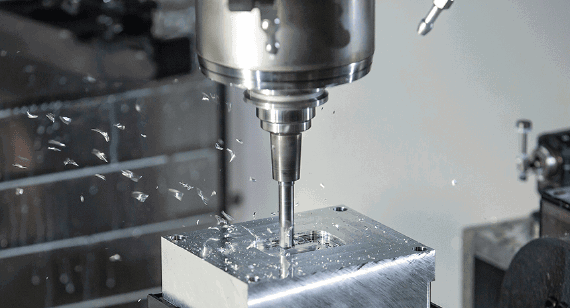
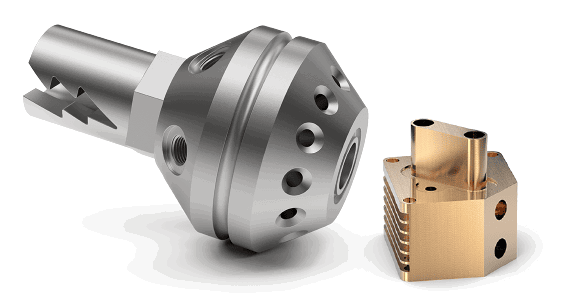 Precision CNC machining tolerances refer to the limits of variation in part dimensions during manufacturing. Unlike standard tolerances, which allow for a broader range of discrepancies, precision tolerances are much tighter, often measured in micrometers (µm).
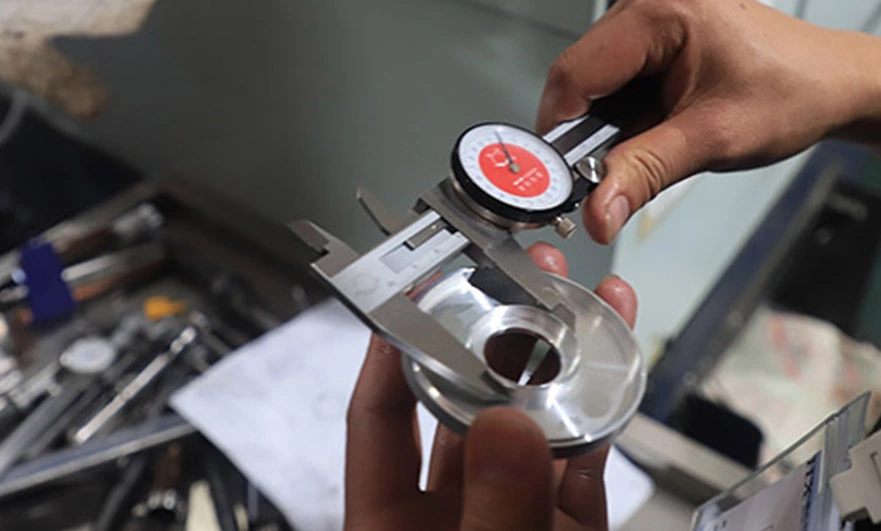 When we talk about tolerances like +/- 0.005 mm, it’s important to understand what that really means in practical terms. That’s about 5 micrometers of variation—extremely tight, and only achievable with high-precision CNC machining. While this level of precision is impressive, it’s not always necessary for every part or industry.
 When you opt for tighter tolerances—like +/- 0.005 mm—it can significantly increase the overall machining cost. These high-precision parts demand more from the tools, which wear out faster, leading to higher tool replacement expenses. Plus, achieving such tight tolerances often extends cycle times, making the process less efficient and more expensive.
Inspection plays a key role here, too. Tighter tolerances require more rigorous quality control, such as CMM (Coordinate Measuring Machine) inspections, adding to both time and cost. If you over-specify tolerances that aren’t needed for your application, it’s money wasted. Not every part or project requires that level of precision, and paying for unnecessary tight tolerances can push your budget well beyond what’s reasonable.
To strike the right balance between quality and feasibility, it’s important to understand your project’s actual needs and make smart choices. For most standard fixtures and parts, standard CNC tolerances—like those outlined in ISO 2768 standards—are often enough to ensure proper fit and function without breaking the bank. Using precision machining tolerances only when necessary keeps your costs down while maintaining the quality and performance you need.
When you opt for tighter tolerances—like +/- 0.005 mm—it can significantly increase the overall machining cost. These high-precision parts demand more from the tools, which wear out faster, leading to higher tool replacement expenses. Plus, achieving such tight tolerances often extends cycle times, making the process less efficient and more expensive.
Inspection plays a key role here, too. Tighter tolerances require more rigorous quality control, such as CMM (Coordinate Measuring Machine) inspections, adding to both time and cost. If you over-specify tolerances that aren’t needed for your application, it’s money wasted. Not every part or project requires that level of precision, and paying for unnecessary tight tolerances can push your budget well beyond what’s reasonable.
To strike the right balance between quality and feasibility, it’s important to understand your project’s actual needs and make smart choices. For most standard fixtures and parts, standard CNC tolerances—like those outlined in ISO 2768 standards—are often enough to ensure proper fit and function without breaking the bank. Using precision machining tolerances only when necessary keeps your costs down while maintaining the quality and performance you need.