
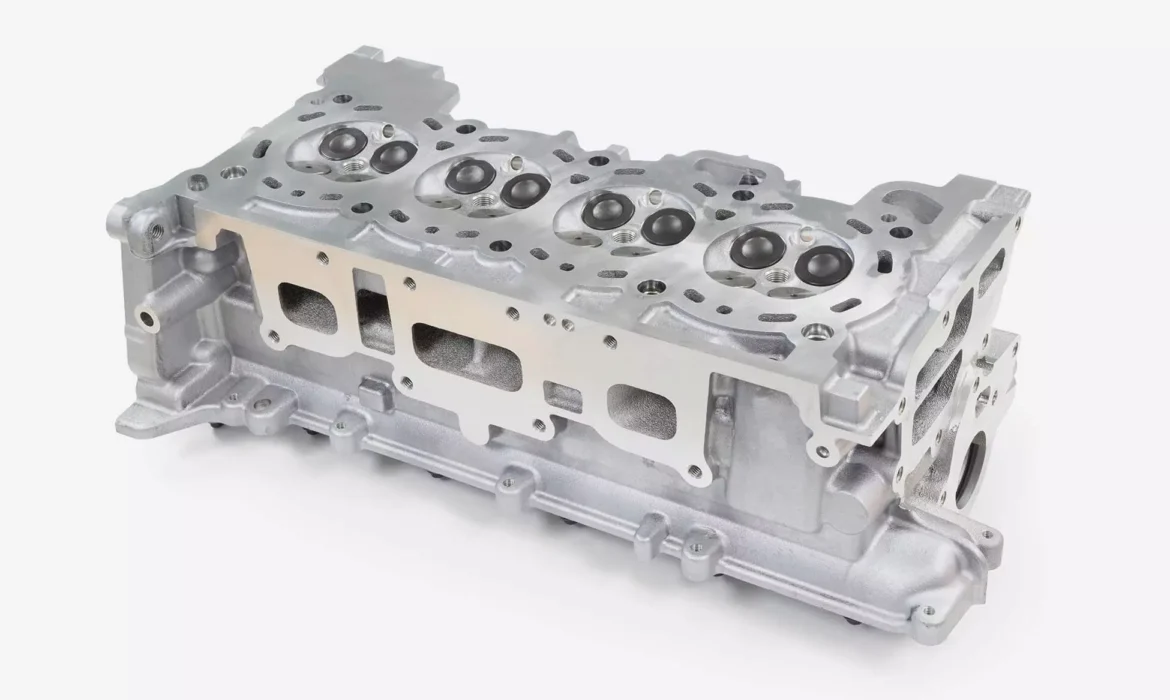
Achieving Near-Net Shapes: How lost-wax casting minimizes secondary CNC machining operations and material waste. In modern precision engineering, Steel Investment Casting is the primary method for achieving "near-net shape" geometry. When working with expensive stainless alloys like 316L or 17-4 PH, subtractive manufacturing from a solid bar often results in...
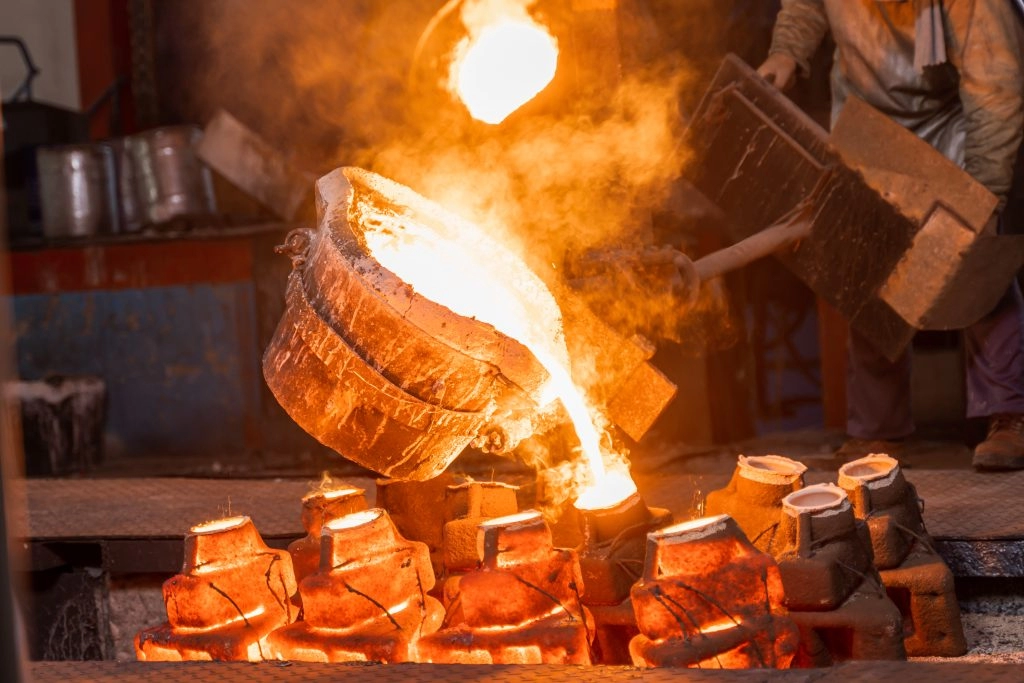
Stainless Steel Investment Casting | Process, Grades & Tolerances
Learn the stainless steel investment casting process steps advantages design tips and applications in this complete practical guide
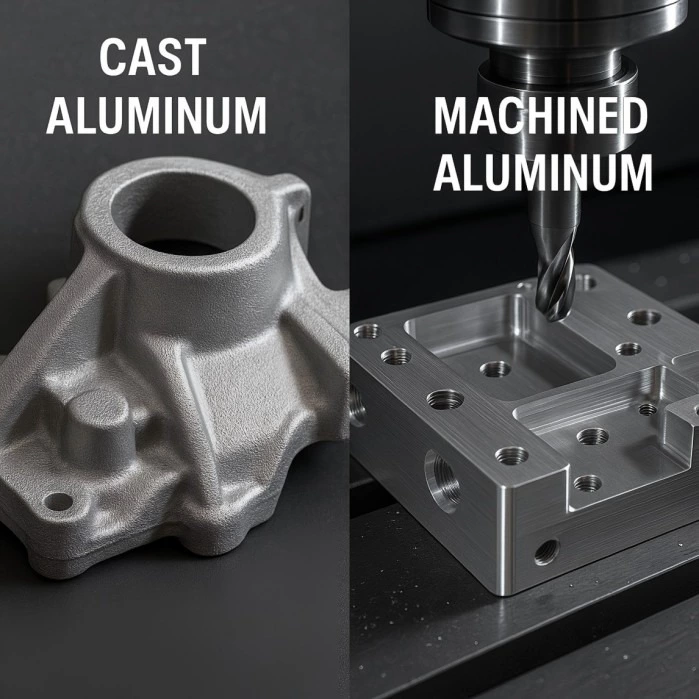
Casting vs. CNC Machining: A Strategic Guide to Selecting the Right Metal Fabrication Process
In industrial manufacturing, the decision between casting and CNC machining is frequently reduced to a simple question of production volume. However, for those developing high-precision components for robotics, medical devices, or unmanned aerial vehicles (UAVs), the choice is a more complex negotiation between metallurgical integrity, dimensional stability, and long-term financial risk....
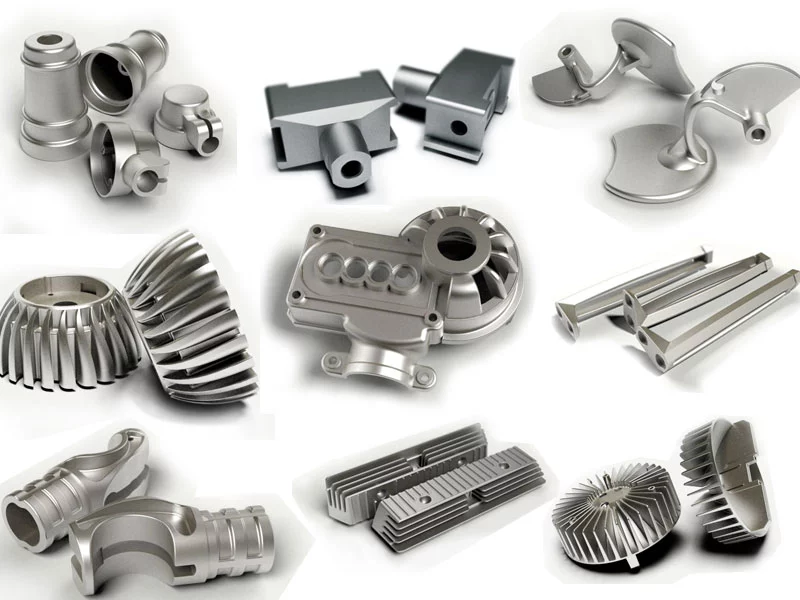
Cast Aluminum: Process, Alloys, Design Limits, and When to Choose It Over CNC Machining
Aluminum has long been a go-to material in modern manufacturing due to its lightweight nature, corrosion resistance, and versatility. Among its forms, cast aluminum plays a crucial role across industries ranging from automotive to electronics and industrial equipment. Understanding its casting processes, alloy types, design limitations, and how it compares...
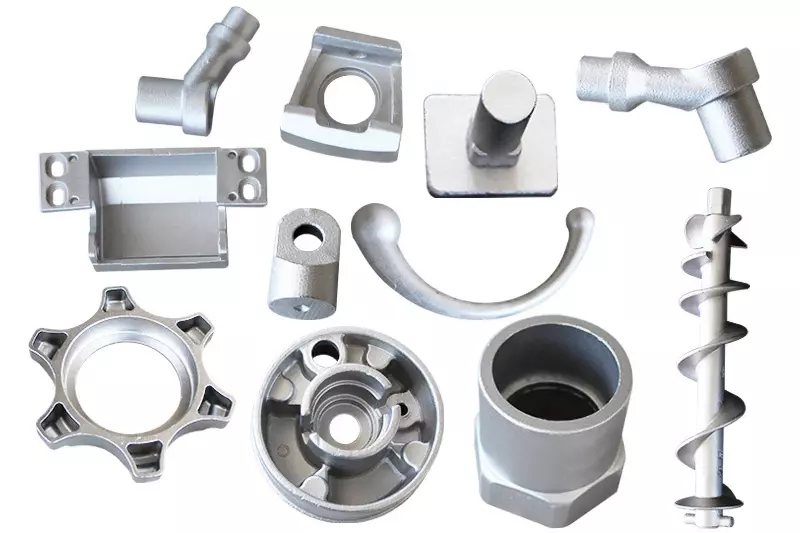
Nickel Alloy Casting: What Benefits Do They Offer for High-Performance Needs?
High performance nickel alloy casting solutions with superior strength precision dimensions and excellent corrosion and heat resistance
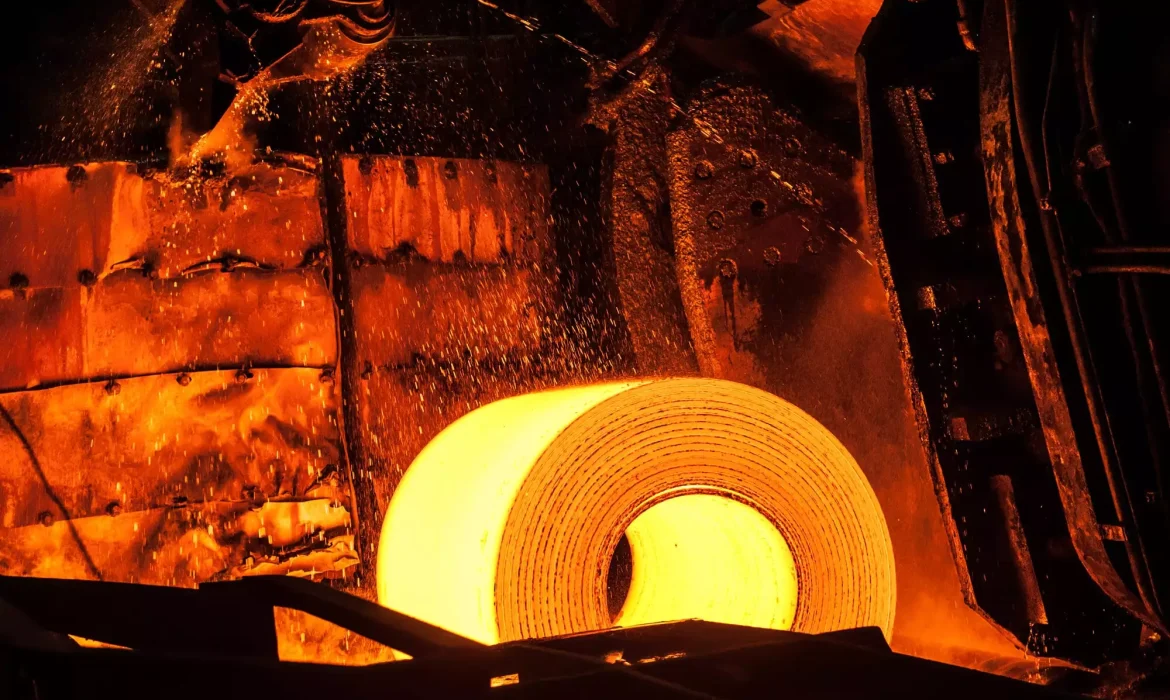
How to Ensure Performance and Durability in Cobalt Investment Castings for High-Stress Applications?
Discover cobalt investment castings benefits, high wear and heat resistance, lost wax precision, and MS Machining expert alloy solutions