
Aerospace Bracket CNC Machining An aerospace-type bracket is a multi-face fitting whose holes have to pick up two structures at once. The print looks like a gusset until you try to hold true position from a sloped face back to a base. If those holes walk, the assembly pulls whatever...
Marine Impeller CNC Machining | Simultaneous 5-Axis
Marine Impeller CNC Machining A small pump impeller is one of the few parts on our industry list that actually wants simultaneous 5-axis. The blades are twisted. The hub and the eye have to stay true to the bore. 3+2 will rough a pocket. It will not fair a blade....
Semiconductor Gas Manifold CNC Machining | Seal Grooves & Passages
Semiconductor Gas Manifold CNC Machining A gas manifold for semiconductor equipment is a block whose passages have to meet on purpose, with seal lands that do not leak and edges that do not shed particles. A burr in a gas line is not a cosmetic defect. It is contamination waiting...
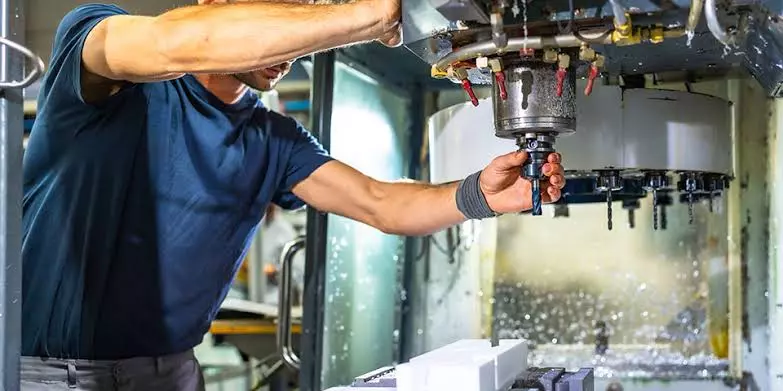
CNC Machining Pitfalls to Avoid: Key Manufacturing Risks to Understand Before Purchasing Precision Parts
Introduction: Many CNC Machining Problems Start Before Production Begin For companies purchasing CNC machined parts, selecting a supplier is not simply about comparing prices and waiting for delivery. Many manufacturing problems do not happen because a supplier lacks CNC equipment or cannot complete the machining process. Instead, they often result...
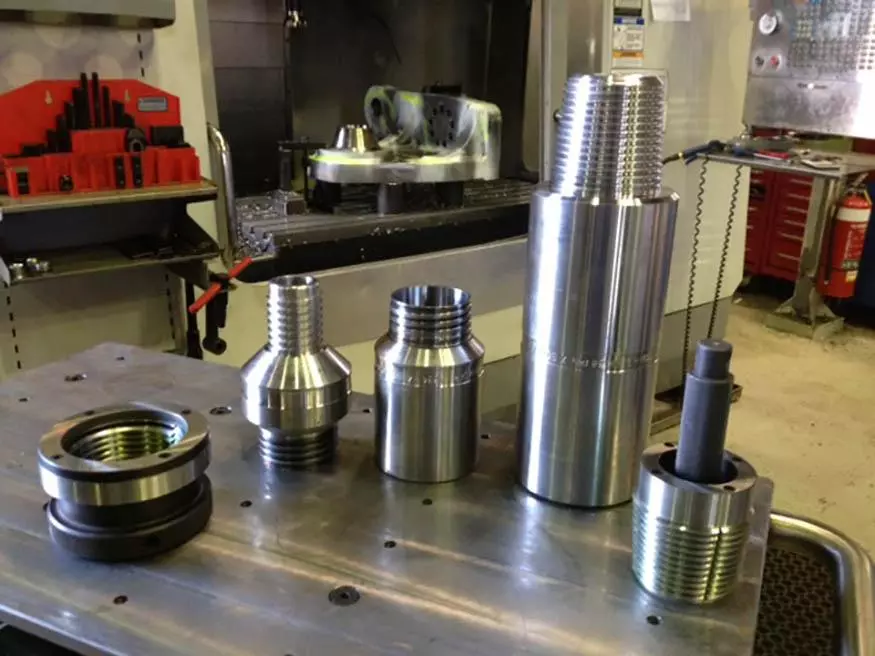
Manufacturing Challenges of Oil And Gas Machining: Engineering Solutions for Reliable Component Production
Oil and gas equipment is designed to operate in demanding environments where components are exposed to pressure, temperature changes, corrosive media, vibration, and continuous mechanical stress. Over years of operation, even well-designed equipment will experience component wear, fatigue, corrosion, or damage. When a critical component needs to be replaced, the...
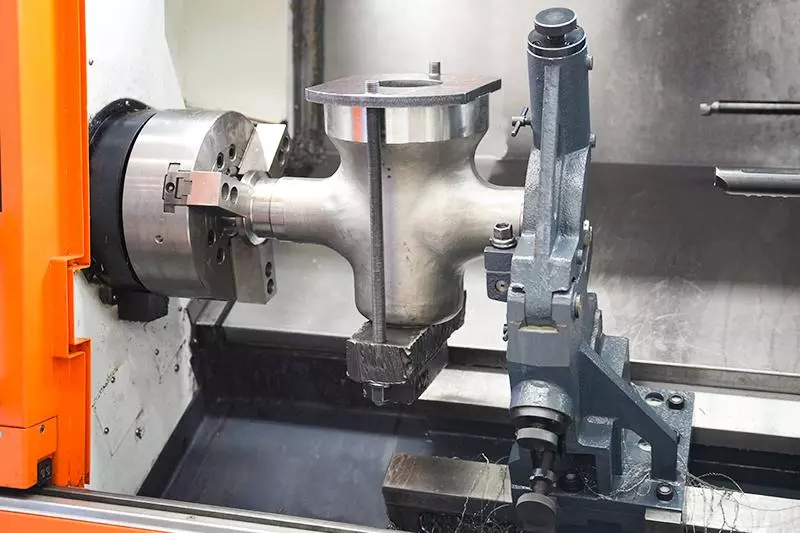
Manufacturing Considerations for Oil & Gas Equipment Components
Oil and gas equipment components are manufactured for operating environments where component reliability directly affects equipment availability, maintenance requirements, and overall system performance. Parts used in valves, pressure control systems, drilling equipment, pumps, and offshore equipment may experience continuous mechanical loads, pressure fluctuations, temperature changes, and exposure to corrosive media...