
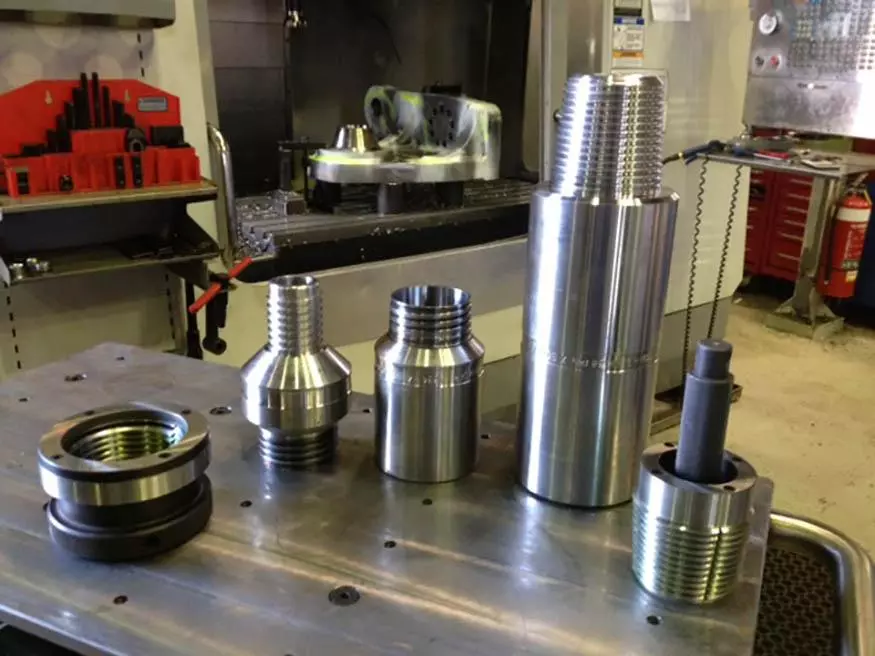
Oil and gas equipment is designed to operate in demanding environments where components are exposed to pressure, temperature changes, corrosive media, vibration, and continuous mechanical stress. Over years of operation, even well-designed equipment will experience component wear, fatigue, corrosion, or damage.
When a critical component needs to be replaced, the challenge is often much greater than simply manufacturing a new part based on an existing drawing. Many oil and gas replacement parts are produced for equipment that has been operating for many years. Original documentation may be incomplete, suppliers may no longer support the equipment, and the replacement component may need to be recreated from an existing worn part.
This makes Manufacturing Challenges of Oil And Gas Replacement Parts a complex engineering issue involving reverse engineering, material evaluation, manufacturing process planning, and quality verification.
A successful replacement part is not only expected to match the original dimensions. It needs to fit correctly, perform under the same operating conditions, and provide dependable service after installation.
Why Oil And Gas Replacement Parts Are Difficult to Manufacture
The difficulty of oil and gas replacement part manufacturing comes from the combination of technical requirements and limited information.
In standard production, manufacturers usually receive complete engineering drawings, material specifications, inspection requirements, and established manufacturing processes. Replacement part projects are often different.
A manufacturer may receive only:
- an existing damaged component;
- limited equipment information;
- outdated drawings;
- incomplete specifications.
The challenge is determining what the original component was designed to achieve and how to reproduce those characteristics through a controlled manufacturing process.
A worn component does not always represent its original condition. Years of operation can change dimensions, surface conditions, and material properties. If a manufacturer simply copies the current condition of a damaged part, the replacement component may not achieve the expected performance.
Therefore, successful replacement manufacturing begins with engineering evaluation rather than immediate production.
Understanding Existing Components Before Manufacturing
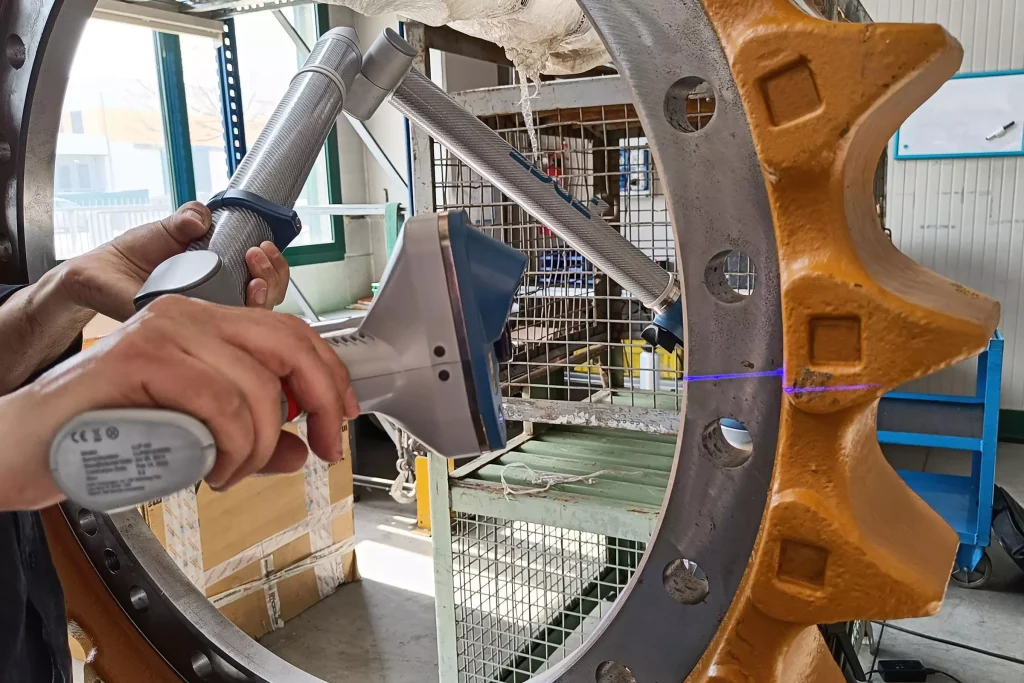
Before manufacturing begins, experienced suppliers need to understand the role of the component within the equipment system.
A replacement part may look simple from the outside, but its performance can depend on specific design features that are not immediately visible.
For example, a valve component may require precise sealing characteristics. A rotating component may depend on alignment and balance. A pressure-related component may require specific material strength and surface conditions.
The first step is identifying which areas of the component directly influence operation.
This often involves evaluating:
- areas exposed to wear;
- surfaces involved in sealing;
- connection points;
- load-bearing sections;
- areas affected by corrosion or fatigue.
The purpose of this evaluation is not only to recreate the geometry but to understand why the original component was designed in that way.
This engineering understanding helps manufacturers make better decisions during material selection, process planning, and final inspection.
Reverse Engineering Challenges for Oil And Gas Replacement Parts
Reverse engineering plays an important role in many oil and gas replacement projects, especially when original drawings or manufacturing data are unavailable.
However, reverse engineering is not simply measuring a physical part and creating a digital model.
A used component may contain changes caused by operation. Wear, deformation, and surface damage can make it difficult to determine the original design condition.
Manufacturers need to separate:
- original design features;
- manufacturing characteristics;
- service-related damage.
For example, a worn sealing surface may show material loss after years of operation. The measured dimension from that area may not represent the intended design dimension. Engineers need to evaluate the function of the component and determine the correct manufacturing requirements.
A reliable reverse engineering process usually combines dimensional measurement, engineering analysis, material understanding, and manufacturing experience.
The final objective is to create a production solution that restores the intended function of the component.
Material Selection and Machining Difficulties
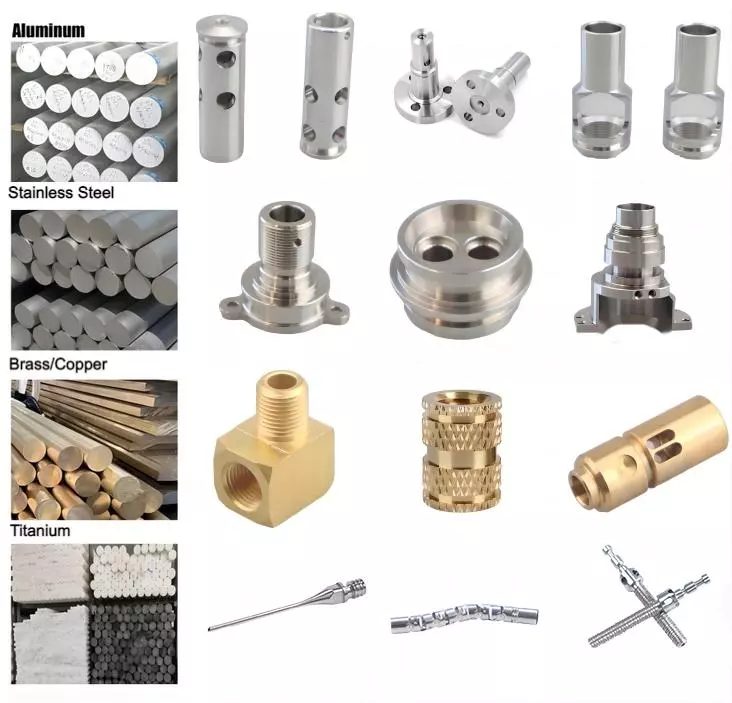
Material selection is one of the most important considerations in oil and gas replacement part manufacturing.
Components used in drilling equipment, production systems, valves, pumps, and processing equipment often require materials that can withstand harsh operating conditions.
Common materials may include stainless steels, alloy steels, precipitation-hardening steels, and nickel-based alloys. These materials provide properties such as strength, corrosion resistance, and durability, but they can also create manufacturing challenges.
A material that performs well inside operating equipment may not be easy to machine.
During production, difficult materials can create problems such as:
- increased cutting forces;
- heat accumulation during machining;
- faster tool wear;
- difficulty maintaining stable surface quality.
For example, nickel-based alloys are often selected for applications requiring resistance to high temperatures and corrosive environments. However, their strength and thermal characteristics make machining more demanding compared with conventional steels.
Experienced manufacturers need to consider the relationship between material performance and manufacturing requirements.
The goal is not simply to select a strong material, but to create a manufacturing process that can consistently produce the required component quality.
Maintaining Dimensional Accuracy During Manufacturing
Achieving dimensional accuracy is one of the fundamental challenges in producing oil and gas replacement parts.Precision control is a key requirement in precision machining services.
However, accuracy is influenced by more than machining equipment capability.
During production, several factors can affect final dimensions, including:
- material stress release;
- machining sequence;
- workholding method;
- cutting forces;
- temperature changes.
Large or complex components can be especially challenging because removing material may change the internal balance of the part.
For example, after rough machining removes a significant amount of material, internal stress may cause slight movement. If this behavior is not considered during process planning, the final component may require additional adjustment or fail to meet assembly requirements.
Experienced manufacturers address these challenges by planning machining operations carefully and monitoring critical dimensions throughout production.
Precision is achieved through controlling the entire manufacturing process, not only through final measurement.
Reproducing Functional Performance Instead of Simple Geometry
One of the biggest mistakes in replacement part manufacturing is focusing only on physical similarity.
A replacement component can match the appearance of the original part while still failing in operation.
Oil and gas equipment relies on many functional characteristics that are not always visible from the outside.
These may include:
- sealing performance;
- surface condition;
- mechanical strength;
- wear resistance;
- dimensional relationships with connected components.
For example, a sealing component requires more than the correct external shape. The sealing surface quality, material condition, and dimensional relationship with surrounding parts can directly affect equipment performance.
A shaft or rotating component may require precise alignment characteristics to prevent excessive vibration or premature wear.
Therefore, replacement part manufacturing requires understanding how the component works inside the equipment, not only how it looks.
Manufacturing Small-Batch and Customized Replacement Parts
Oil and gas replacement parts are often produced in quantities much smaller than typical industrial production components.
Many projects involve:
- individual replacement components;
- maintenance-related parts;
- obsolete equipment parts;
- customized modifications.
Small-batch manufacturing creates different challenges compared with high-volume production.
Each project may require new engineering review, process planning, tooling preparation, and inspection procedures.
The challenge is maintaining manufacturing efficiency while meeting specific customer requirements.
Experienced manufacturers understand that replacement projects often require flexibility. Production methods need to adapt to different component sizes, materials, and technical requirements while maintaining consistent quality.
This flexibility is especially important when customers need replacement parts to reduce equipment downtime.
Quality Verification Before Field Application
For oil and gas replacement parts, quality verification is an essential part of the manufacturing process.
A replacement component must not only meet dimensional requirements but also satisfy the functional expectations of the application.
Quality control begins with understanding the manufacturing requirements and continues throughout production.
During manufacturing, suppliers need to verify:
- material condition;
- critical dimensions;
- surface requirements;
- final component consistency.
The purpose of inspection is not simply to confirm that measurements match specifications. It is to reduce uncertainty before the component is installed back into operating equipment.
A reliable quality process provides confidence that the replacement part can perform under the expected service conditions.
Improving Replacement Parts Through Manufacturing Experience
In some cases, replacement part manufacturing provides an opportunity to improve the original component.
When analyzing failed or worn parts, manufacturers may identify areas where performance can be improved.
Possible improvements may involve:
- selecting a more suitable material;
- adjusting manufacturing methods;
- improving surface treatment;
- modifying certain design features.
However, these improvements must be carefully evaluated because replacement components still need to maintain compatibility with existing equipment.
The best solutions balance improved performance with practical manufacturing requirements.
This requires experience in both engineering analysis and production execution.
The Importance of Choosing an Experienced Oil And Gas Replacement Parts Manufacturer
The challenges involved in oil and gas replacement part manufacturing cannot be solved through machining capability alone.
A reliable manufacturing partner needs to understand the complete process:
From evaluating an existing component, to developing manufacturing data, selecting suitable materials, controlling production variables, and verifying final performance.
Experience becomes especially valuable when dealing with older equipment, limited documentation, difficult materials, and customized requirements.
A manufacturer with practical knowledge can help customers reduce uncertainty, avoid repeated failures, and obtain replacement components that support long-term equipment operation.
Conclusion
The manufacturing challenges of oil and gas replacement parts come from the combination of complex equipment requirements, aging assets, difficult materials, and the need for reliable performance in demanding environments.
Producing a replacement component is not simply a matter of copying an existing part. It requires engineering evaluation, manufacturing expertise, and careful process control.
By understanding the original component, managing production challenges, and focusing on functional performance, experienced manufacturers can provide reliable replacement solutions for oil and gas equipment.
For companies seeking dependable Oil And Gas Replacement Parts, selecting a manufacturer with real production experience is an important step toward maintaining equipment reliability and reducing operational disruption.