Fundamentals of CNC Fabrication Design
Getting started with CNC fabrication design can feel overwhelming. You might be asking: How do I make sure my parts are both functional and easy to machine? What are the key principles I need to understand? Let’s break it down.
Core Principles of CNC Fabrication Design
When designing for CNC machining, certain core principles are non-negotiable. These are the building blocks that ensure your parts are manufacturable, precise, and cost-effective:
- Tolerances: These are the allowable deviations in dimensions. Tight tolerances mean high precision but can increase cost and machining time. Knowing the right tolerance for your project is crucial.
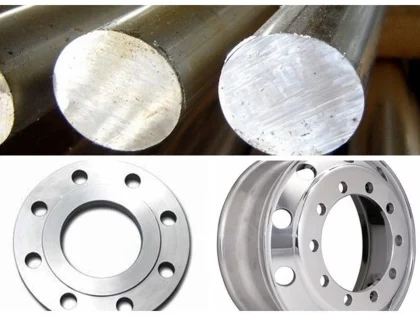
- Material Selection: Your choice of material impacts machinability, durability, and cost. Metals like aluminum and steel are common, but plastics and composites are also popular in CNC fabrication design.
- Geometry: Designing parts with CNC in mind means creating geometries that are machinable. Avoid complex internal features that are hard to reach or require special tooling.
Choosing CAD and CAM Software
Your CNC fabrication design process starts with the right software:
- CAD (Computer-Aided Design): This is where you create your 3D models. Look for CAD tools that support precise geometry creation and easy export to CNC-compatible formats.
- CAM (Computer-Aided Manufacturing): This software generates the toolpaths needed for CNC machining. Choose CAM programs that optimize tool movements and support multi-axis machining if needed.
Common CNC Fabrication Design Challenges
Even experienced designers face hurdles. Here’s how to avoid common pitfalls:
- Overly tight tolerances: They increase costs without adding value. Know what’s necessary.
- Ignoring material properties: Designing features that don’t match the material’s machinability can cause issues.
- Complex geometries: Designs with inaccessible features or sharp internal corners can be difficult or impossible to machine efficiently.
Step-by-Step CNC Fabrication Design Workflow
Here’s a simple workflow to turn your idea into a finished CNC part:
- Concept and Sketch: Start with a clear idea of what you want to create.
- Create CAD Model: Use CAD software to develop a detailed 3D model, keeping CNC principles in mind.
- Select Material: Choose a material that balances cost, machinability, and performance.
- Define Tolerances: Set realistic tolerances based on your project needs.
- Generate Toolpaths: Use CAM software to create optimized toolpaths, considering features like cutting directions and speeds.
- Simulate: Run virtual simulations to check for potential issues.
- Prepare for Machining: Export the toolpath data and set up your CNC machine.
By following this workflow, you can ensure your CNC fabrication design process is smooth, predictable, and ready for manufacturing.
This foundational understanding of CNC fabrication design sets the stage for more advanced techniques and best practices. Stay tuned for tips on designing for efficiency, material compatibility, and precision—key factors that will help you produce high-quality, cost-effective parts every time.
CNC Fabrication Design Best Practices
When it comes to CNC fabrication design, the goal is to create parts that are both easy to machine and cost-effective. Designing for CNC machinability and efficiency means understanding how your part’s geometry and features will impact the manufacturing process. Simple, smooth surfaces and minimal complex features help reduce machining time and tool wear.
Material compatibility is also key. Different materials—metals, plastics, or composites—require specific cutting tools and machining parameters. For example, aluminum CNC machining parts are popular because they’re lightweight and easy to work with, but plastics like acrylic or polycarbonate are often used for prototypes or non-structural components. A good CNC material selection guide can help you choose the right material for your project’s needs.
Precision, tolerances, and accuracy play a big role in CNC fabrication design. Clear tolerances ensure your parts fit together perfectly, especially in applications like aerospace or automotive where tight specs are critical. Designing with CNC tolerances in mind helps avoid costly rework or scrap.
Cost‑effective CNC fabrication strategies focus on reducing waste and machining time. Using design for CNC machining techniques such as part consolidation—where multiple parts are combined into one—can significantly cut costs and lead times. For more on this, check out part consolidation.
Finally, CNC fabrication isn’t just for final products. It’s a great way to do rapid prototyping, allowing quick iterations and testing before full-scale production. By following these best practices, you’ll ensure your CNC parts are designed for manufacturability, saving time and money while maintaining quality.
Advanced CNC Fabrication Design Techniques
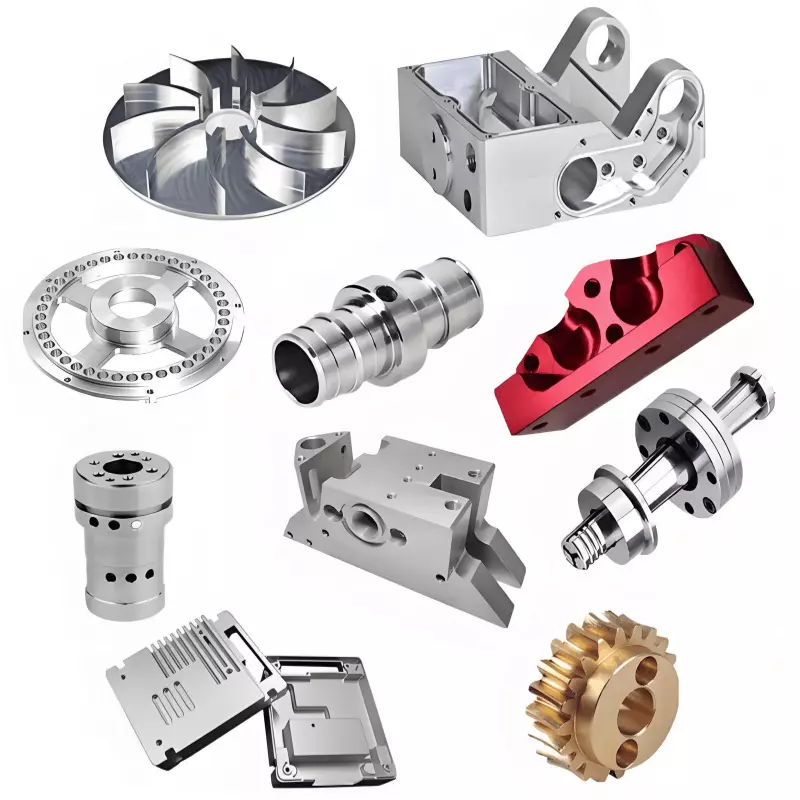
When moving into advanced CNC fabrication design, there are several key techniques that can help improve precision, efficiency, and scalability. Multi-axis CNC fabrication design considerations are critical for complex parts, especially when working with 5-axis or multi-axis machines. These setups allow for more intricate geometries and smoother finishes, but they also require careful planning of the part geometry and toolpaths to avoid collisions and ensure optimal machining.
Custom toolpath strategies and 3D contouring are essential for achieving complex shapes with high accuracy. Using specialized software for CNC toolpath optimization can significantly reduce machining time while improving surface quality. This is especially important when designing for CNC machining, as the right toolpath can make or break the efficiency of the process.
Automation, AI, and generative tools are revolutionizing CNC fabrication design. These technologies help automate repetitive tasks, suggest optimal toolpaths, and even generate design variations based on specific constraints. Incorporating AI-assisted CNC design can enhance both prototyping speed and production consistency.
Designing CNC parts for scalable production and mass manufacturing involves creating designs that can be easily replicated and assembled. This might mean standardizing features or simplifying complex geometries without sacrificing quality. Additionally, sustainable CNC fabrication design and material optimization are gaining importance. Choosing eco-friendly materials and designing parts that minimize waste can lower costs and reduce environmental impact, aligning with modern manufacturing trends.
By leveraging these advanced techniques, I can ensure that CNC fabrication design is not only precise but also adaptable for future growth and sustainability.
Real-World CNC Fabrication Design Applications
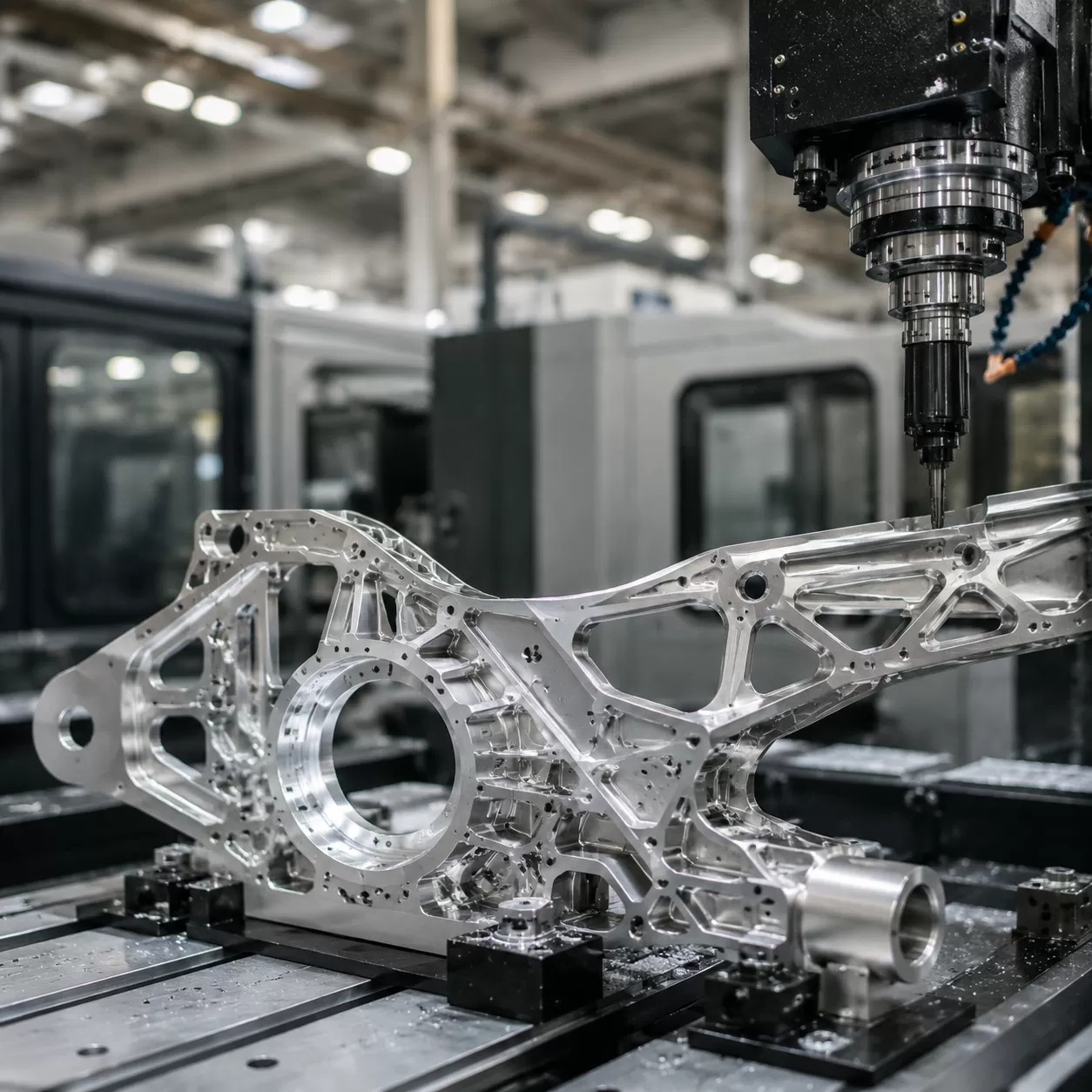
CNC Fabrication Design in Aerospace, Automotive, and Consumer Products
I see CNC fabrication design show up in a lot of high-demand U.S. markets because it gives teams the mix they need: speed, repeatability, and tight control over the final part.
- Aerospace: lightweight brackets, housings, mounts, and precision hardware that need strong material choices and clean CNC machining tolerances
- Automotive: engine components, custom fixtures, prototype parts, and low-volume production runs where CNC design for manufacturability matters
- Consumer products: enclosures, branded parts, wearables, and product prototypes where finish quality and part geometry guidelines affect the final look and fit
For metal-heavy jobs, I usually start with the material first, because the choice affects machining time, tool wear, and cost. A good CNC machining metal approach helps keep the design realistic for production and avoids expensive redesigns later.
CNC Fabrication Design Case Studies and Success Stories
The best CNC fabrication design results usually come from simple choices made early:
- A prototype bracket was redesigned with cleaner corners and better wall thickness, which cut setup issues and improved CNC toolpath optimization
- A consumer product housing was adjusted for fewer deep pockets, which made it easier to machine and reduced lead time
- A production fixture was reworked around the machine setup, which improved accuracy and lowered scrap
In my experience, the strongest wins come from CNC friendly part design: fewer surprises, fewer tool changes, and fewer back-and-forth revisions. When precision really matters, I also pay close attention to how stable the process is, since part accuracy can vary with material, tooling, and machine setup. A helpful reference is how accurate CNC milling can be when I am checking whether a design is realistic for the target tolerance.
Small-Scale CNC Projects vs Industrial CNC Production
I treat small-scale CNC projects and industrial CNC production differently, even when the part looks similar on paper.
| Factor | Small-Scale CNC | Industrial CNC Production |
|---|---|---|
| Goal | Fast CNC prototype design | Consistent CNC production design |
| Cost focus | Keep setup simple | Reduce unit cost at scale |
| Tolerances | Good enough for validation | Tight and repeatable |
| Design style | Flexible, easy to revise | Built for stable repeat runs |
| Material use | Limited quantities | Better material optimization |
| Process | Quick feedback loop | Standardized workflow |
What I Watch For
- Small-scale projects: I keep the design simple, use standard stock sizes, and avoid features that slow down programming or fixturing
- Industrial runs: I focus on repeatability, tool life, and CNC cost optimization through design
- Both cases: I check CNC machinability considerations early so the part works in the shop, not just in CAD
For U.S. customers, this split matters because prototype work often needs fast turnaround, while production work usually needs stable lead times, predictable pricing, and easy scale-up.
Practical Takeaway
If I am designing for real-world CNC fabrication design, I start with the end use:
- Prototype first if I need fast validation
- Production-first if I already know the part will scale
- Material-first if strength, finish, or weight drive the design
- Process-first if setup time or machining limits are the main cost drivers
That approach keeps CNC fabrication design practical, especially when the same part may move from rapid CNC prototyping to industrial CNC design applications later on.
CNC Fabrication Design Mistakes and Troubleshooting
When designing for CNC fabrication, it’s easy to make mistakes that can lead to delays, increased costs, or even failed parts. Some common errors include ignoring CNC machinability considerations, choosing overly complex geometries, or not accounting for proper tolerances. For example, designing parts with tight internal radii or thin walls can cause issues during machining, resulting in scrap or rework. To avoid these pitfalls, it’s crucial to follow a pre-fabrication design checklist that verifies key factors like material compatibility, part geometry, and tolerance requirements.
A good practice is to validate your design before sending it to production. This can involve checking for CNC part geometry guidelines, ensuring the design is CNC friendly, and confirming that tolerances are achievable with your chosen material and machine. Using CAD CAM software for CNC fabrication can help identify potential issues early on through simulation and toolpath analysis. When in doubt, consulting with a CNC fabrication expert or a trusted shop can save you time and money, especially for complex projects or high-precision parts. They can provide valuable insights into possible design errors and suggest adjustments to improve manufacturability and efficiency.
Future of CNC Fabrication Design
The future of CNC fabrication design is moving toward faster setup, better accuracy, and fewer handoffs between design and the shop floor. I see more teams in the U.S. asking for parts that are easier to machine, easier to repeat, and easier to scale from one-off work to full production.
Smart Manufacturing Trends
A few trends are already changing how I approach CNC fabrication design:
- AI assisted CNC design is helping spot weak geometry early, before a part gets sent to the machine.
- Generative design for CNC is making it easier to reduce weight while keeping parts strong enough for real use.
- Real-time shop data is improving CNC toolpath optimization, especially on jobs that need tight CNC machining tolerances.
- Automation is cutting down setup time, which matters a lot for U.S. shops balancing small runs and fast turnaround.
- Sustainability is pushing better CNC material selection guide decisions, so I waste less stock and use material more efficiently.
When I design for modern shops, I also think about how the part will run in production CNC machining if the job grows from prototype to volume.
How Tools Will Change CNC Design
The CNC fabrication design process is getting more connected. Instead of treating CAD CAM for CNC fabrication as separate steps, I expect more teams to use one smooth workflow from concept to toolpath.
| Tool Change | What It Means | Why It Helps |
|---|---|---|
| Smarter CAD/CAM links | Faster handoff from model to machine | Fewer errors |
| AI-driven checks | Flags CNC error prevention in design issues early | Less scrap |
| Better simulation | Shows collisions and weak spots before cutting | Safer builds |
| Cloud collaboration | Easier review across design and production teams | Faster approvals |
That shift matters most when I’m working on custom parts and need the design to match real shop conditions. I often compare ideas against custom CNC machining real scenarios so I can see how a part behaves outside the screen.
What Changes for Users
For everyday users, the biggest change is simpler CNC design for manufacturability. I expect fewer design revisions, faster quoting, and smoother handoff to machining teams.
- Designers will spend more time on CNC part geometry guidelines and less time fixing avoidable issues.
- Engineers will lean harder on CNC machinability considerations during early design.
- Product teams will move faster from CNC prototype design to CNC production design.
- Small businesses will get better results from rapid CNC prototyping without needing a huge engineering team.
My Take
I think the future of CNC fabrication design will reward teams that design for CNC machining from day one, not after the model is finished. The shops and users who keep up with automation, smarter software, and better workflow habits will get faster parts, cleaner results, and better CNC cost optimization through design.