
Brass vs Stainless Steel: Which Metal Is Right for Your Needs?
When choosing between brass and stainless steel, many people ask, “Which is better for my project?” Whether you’re considering hardware, plumbing parts, or decorative items, understanding the key differences can help you make an informed decision. Both metals have unique properties, strengths, and weaknesses that suit different applications. In this article, I’ll break down what brass and stainless steel are, how they compare in performance, cost, and maintenance, and guide you on when to choose one over the other. Let’s explore the core differences between brass vs stainless steel to help you find the best fit for your needs.
What Brass Is
Composition and Basic Properties
Brass is an alloy made primarily of copper and zinc. The ratio of these metals can vary, affecting its strength, color, and corrosion resistance. Brass is known for being easy to work with, having good machinability, and offering decent durability. It’s also non-magnetic, which makes it useful in electrical applications and decorative hardware.
Common Brass Types
There are several types of brass, each designed for specific uses. Some common grades include cartridge brass (high copper content for strength), yellow brass (a classic, bright appearance), and marine brass (higher zinc content for saltwater resistance). Lead-free brass is popular for plumbing fittings, offering a safer option for drinking water systems.
How Brass Looks and Feels
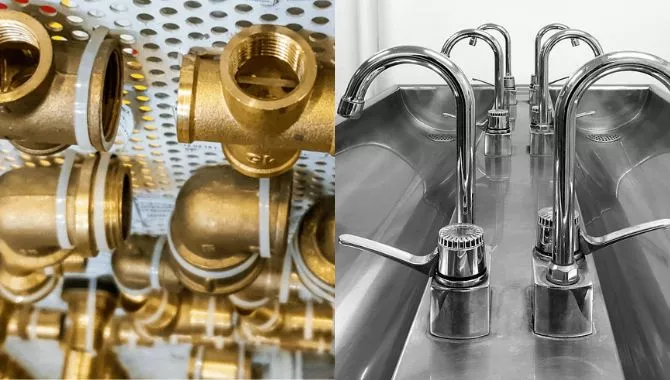
Brass typically has a warm, gold-like appearance that can range from bright and shiny to matte, depending on its surface finish. It feels smooth and solid, with a weight that feels substantial but not overly heavy due to its density. Its feel and appearance make brass popular for decorative hardware, jewelry, and architectural accents.
Where Brass Is Commonly Used
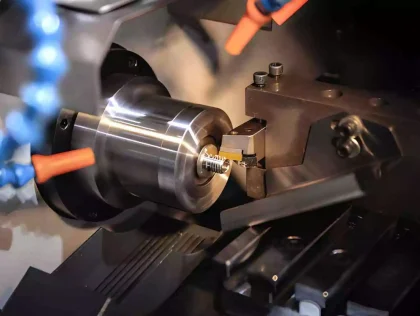
You’ll find brass in many different areas—especially in decorative hardware, musical instruments, and plumbing fittings. Its corrosion resistance, especially in humid environments, makes it ideal for water-related components. Because it’s easy to machine and shape, brass is also used for CNC machined parts in various industries. If you’re interested in this, you might want to explore CNC machining services to see how brass can be precisely fabricated.
What Stainless Steel Is
Stainless steel is a versatile alloy mainly made of iron, combined with chromium (usually 10-20%) and other elements like nickel, molybdenum, and manganese. The chromium creates a thin, invisible layer of chromium oxide on the surface, which provides excellent corrosion resistance and tarnish resistance.
There are several common stainless steel grades, with 304 and 316 being the most popular. Grade 304 is known for its good all-around corrosion resistance and is often used in kitchen appliances and plumbing fixtures. Grade 316, on the other hand, offers even better saltwater resistance, making it ideal for outdoor and marine environments.
How stainless steel looks and feels varies depending on its surface finish, but it generally has a shiny, smooth surface that resists staining and rust. It’s non-magnetic or only slightly magnetic, especially in the austenitic grades, which are widely used due to their strength and durability.
Stainless steel is used in a variety of applications, including food contact tools, kitchen sinks, outdoor fixtures, and medical instruments, thanks to its metal durability and corrosion resistance. Its ability to withstand harsh environments makes it a top choice for both commercial and residential settings. For manufacturing parts with tight tolerances or specific surface finishes, many companies turn to CNC machining for precision.
Brass vs Stainless Steel: Core Differences
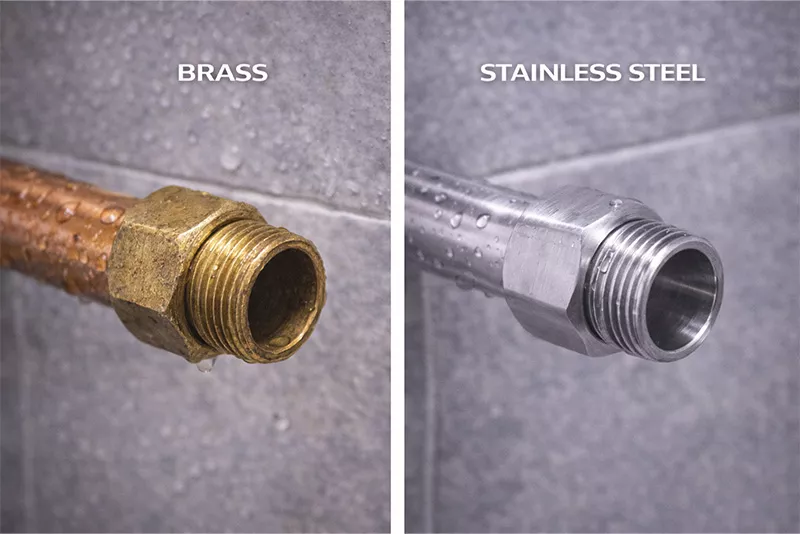
When choosing between brass and stainless steel, understanding their core differences helps you pick the right material for your project. Here’s a quick comparison focusing on strength, corrosion resistance, appearance, weight, and machinability.
| Feature | Brass | Stainless Steel |
|---|---|---|
| Strength & Durability | Moderate strength, softer than steel | Very strong and highly durable |
| Corrosion Resistance | Good, but can tarnish or corrode in harsh environments | Excellent, especially in saltwater or outdoor settings |
| Appearance & Finish | Warm, gold-like, shiny surface | Bright, silvery, can have polished or matte look |
| Weight & Density | Lighter (around 8.4 g/cm³) | Heavier (about 7.9 g/cm³) |
| Machinability & Fabrication | Easier to machine and shape | Slightly harder to machine, requires specialized tools |
Brass is usually easier to work with in CNC machining and part manufacturing, making it a popular choice for decorative hardware or plumbing fixtures. Stainless steel, on the other hand, is favored for its superior strength and corrosion resistance, making it ideal for outdoor, marine, or high-stress applications. If you want to explore how these materials behave during CNC manufacturing, check out what materials can a CNC machine cut.
Brass vs Stainless Steel: Pros and Cons
Brass Advantages and Drawbacks
Brass is known for its excellent machinability, making it easy to shape and customize during CNC machining custom CNC machining services. It’s also highly corrosion-resistant, especially in water fittings and decorative hardware. Brass has a warm, golden appearance, which makes it popular for architectural accents and jewelry. Plus, it’s naturally antimicrobial, making it a good choice for some kitchen tools.
However, brass does have some downsides. It’s softer than stainless steel, so it’s less durable under heavy stress or high-impact use. It can tarnish over time, especially if exposed to moisture or air, requiring regular cleaning to prevent tarnish buildup. Brass may also contain small amounts of lead, which can be a concern for food contact applications unless specifically made lead-free.
Stainless Steel Advantages and Drawbacks
Stainless steel shines in strength and durability. It’s non-magnetic in certain grades and highly resistant to rust and corrosion, especially in saltwater environments—making it ideal for outdoor and marine uses. Stainless steel is also low-maintenance, with a surface that’s easy to clean and resistant to stains and scratches. It’s widely used in kitchen sinks, appliances, and food-grade applications because it’s considered safe and hygienic.
The main drawback? Stainless steel tends to be more difficult to machine and shape, which can increase manufacturing costs. It’s also usually heavier than brass, which might matter in some design applications. Additionally, some stainless steel grades are more expensive upfront compared to brass, especially when high-quality, corrosion-resistant alloys are needed.
In , brass offers easier machining and a classic look but falls short in toughness and tarnish resistance. Stainless steel is stronger, more resistant to corrosion, and easier to clean but can cost more and be trickier to work with during CNC machining. Choosing between the two depends on your specific needs and priorities for durability, appearance, and budget.
Brass vs Stainless Steel: Performance in Different Uses
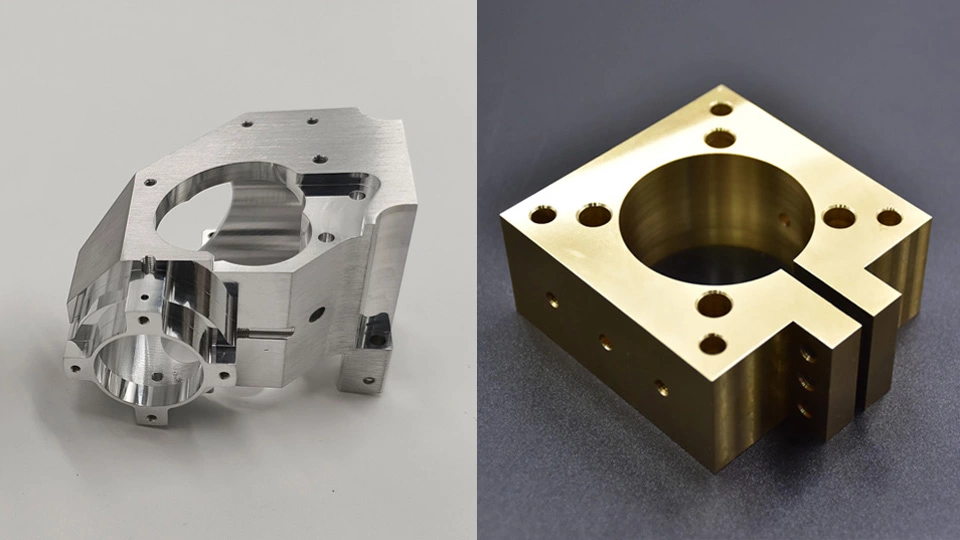
When choosing between brass and stainless steel, it’s helpful to see how each performs in common applications like plumbing, hardware, jewelry, kitchen use, and outdoor environments. Here’s a quick rundown:
Plumbing and Water Fittings
- Brass: Known for excellent corrosion and tarnish resistance, especially in water fittings. It’s easy to work with and widely used in plumbing fittings, thanks to its non-magnetic steel-like properties. Plus, certain types like lead-free brass meet health standards for drinking water.
- Stainless Steel: Offers superior rust and saltwater resistance, making it a top choice for outdoor and marine plumbing. It’s durable and non-corrosive even in harsh environments.
Hardware and Fasteners
- Brass: Common in decorative hardware and fasteners because it’s easy to machine and finish. It resists tarnishing, maintaining a shiny look over time.
- Stainless Steel: Preferred for fasteners when strength and corrosion resistance are critical, such as in industrial or outdoor setups.
Brass vs Stainless Steel: Cost and Value
When comparing brass and stainless steel, price is a crucial factor for many buyers. Generally, brass is less expensive upfront, making it a popular choice for projects on a tight budget. However, consider that brass may require more maintenance over time, especially if it tarnishes or develops patina, which can add to ongoing costs.
Stainless steel, on the other hand, tends to have a higher initial cost, but it offers superior corrosion resistance and durability, which can save money in the long run. Its resistance to rust and stains means fewer repairs or replacements, and less cleaning or polishing.
The long-term value of each material depends heavily on the application environment. For example:
- In outdoor or marine environments, stainless steel often proves to be the better long-term investment due to saltwater resistance and rust resistance.
- For decorative or indoor uses, brass’s lower upfront cost might make it a more budget-friendly option.
If you’re eyeing CNC machining or part manufacturing, factoring in the cost of material and potential maintenance helps ensure you’re choosing the right material without overspending. For detailed info, you can explore materials suitable for CNC machining to find what’s best for your budget and application.
Brass vs Stainless Steel: How to Choose
When brass makes more sense
- Decorative hardware or antique-style fixtures: Brass offers a warm, golden look that’s perfect for traditional or vintage decor.
- Plumbing and water fittings: Brass is highly machinable and corrosion-resistant, especially in freshwater applications.
- Non-magnetic options needed: Brass is non-magnetic, making it suitable for sensitive electronic components or precise instruments.
- Ease of machining: When quick, affordable CNC machining or part manufacturing is a priority, brass is often preferred due to its good machinability.
When stainless steel makes more sense
- Outdoor and marine environments: Stainless steel’s saltwater resistance and rust resistance make it ideal for outdoor use.
- Kitchen appliances and tools: Food-safe stainless steel (e.g., 316-grade) is the best choice for cookware, sinks, and food contact surfaces.
- Durability and strength: For heavy-duty applications like hardware, fasteners, or structural parts, stainless steel’s higher strength is key.
- Corrosion resistance: When the environment is aggressive or prone to moisture, stainless steel outperforms brass in resisting tarnish and rust.
Key buying factors
| Factor | Brass | Stainless Steel |
|---|---|---|
| Cost | Usually cheaper upfront | Slightly higher initial cost |
| Maintenance | Regular cleaning to prevent tarnish | Low maintenance, resistant to stains and rust |
| Appearance | Warm, golden look | Sleek, modern silver finish |
| Durability | Good, but softer | Very durable and strong |
| Corrosion resistance | Good in freshwater | Excellent in harsh environments |
Choosing between brass and stainless steel mainly depends on your specific needs—whether for style, environment, or durability. Think about where it’s going to be used, how much wear it will take, and your budget to make the best call. If you want detailed insights on CNC machining or CNC part manufacturing options for these materials, consider this guide on CNC machining services.
Brass vs Stainless Steel: Maintenance and Care
Cleaning Brass
Brass often reacts with air and moisture, which can lead to tarnishing and dullness over time. To keep brass looking its best, regular cleaning is essential. A simple mix of mild soap and warm water usually does the trick. For more stubborn tarnish, a brass polish or a gentle homemade mixture of vinegar and salt can help restore its shine. When cleaning brass, avoid abrasive scrubbers that can scratch the surface, and always dry it thoroughly to prevent further oxidation. If you’re working on precision parts or decorative hardware, knowing how to properly clean brass can extend its lifespan and keep it looking vibrant, which is especially important in applications like plumbing fittings or jewelry.
Preventing Tarnish on Brass
Tarnish resistance isn’t automatic with brass, especially if it contains lead or other alloy metals. To prevent tarnish, consider applying a clear lacquer or protective coating, or store brass items in a dry, low-humidity environment. For items exposed to moisture, frequent cleaning and sealing can significantly reduce tarnishing. Avoid exposing brass to harsh chemicals or saltwater, which can accelerate corrosion. Regular maintenance, including polishing and protective treatments, helps uphold brass’s appearance in decorative hardware and other high-visibility applications.
Cleaning Stainless Steel
Stainless steel is known for its low-maintenance surface, making cleaning relatively straightforward. A mixture of warm water and a mild detergent usually suffices. For tougher stains or fingerprints, a non-abrasive cleaner or specialized stainless steel polish can restore its shine. It’s best to clean stainless steel with soft cloths or non-abrasive pads to avoid scratching. Also, routine wiping down prevents buildup of dirt or grime that can affect its surface finish, especially in food contact applications like sinks or kitchen appliances. Stainless steel’s resistance to rust and stains makes it ideal for both residential and outdoor use, including saltwater environments.
Avoiding Rust, Stains, and Scratches
While stainless steel is highly corrosion-resistant, it’s not entirely immune. To preserve its surface, avoid using steel wool or harsh abrasive cleaners that can leave scratches or dull the finish. Regular cleaning with gentle products helps prevent rust formation and staining from food, grease, or environmental factors. For outdoor environments or marine conditions, choosing a high-grade stainless steel, like 316, can provide extra saltwater resistance. Proper care, including wiping off salt or chlorine residue, prolongs the beauty and integrity of stainless steel parts and fixtures used in plumbing, hardware, or CNC machined parts.
Brass vs Stainless Steel: Safety and Health Considerations
When choosing between brass and stainless steel, safety and health are key factors, especially for applications involving prolonged contact with skin or food. Brass can sometimes contain lead, which has raised health concerns. Many manufacturers now produce lead-free brass alloys to meet safety standards, making them safer for plumbing fittings and decorative hardware that touch water or skin. However, it’s essential to verify the lead content before use, especially in drinking water systems.
On the other hand, food-safe stainless steel grades like 304 or 316 are widely recognized for their non-reactive, corrosion-resistant properties, making them an ideal choice for kitchenware, food contact surfaces, and utensils. They do not leach harmful substances, ensuring safety when used in cookware and food storage.
For those with allergies or sensitive skin, stainless steel tends to be a more suitable option since it’s generally hypoallergenic and non-magnetic steel often has fewer skin irritation issues. Brass, especially if it contains trace amounts of lead or other alloys, might cause allergic reactions in some people. Always check the composition and intended use to prevent any health concerns. For detailed info on choosing the safest options, consider consulting with specialists who understand material safety standards for metals used in healthcare and food applications.
Brass vs Stainless Steel: Final Comparison by Use Case

Here’s a quick guide on which metal works best for different applications:
| Use Case | Best Material | Why | Notes |
|---|---|---|---|
| Plumbing | Brass | Corrosion-resistant, easy to mold | Brass fittings are common in water lines due to their durability and machinability, making them a top choice for plumbing hardware. Learn how CNC machining can produce precise plumbing fittings here. |
| Decor | Brass | Attractive appearance, tarnish develops a vintage look | Brass is favored for decorative hardware and jewelry thanks to its warm color and ability to be polished or aged easily. |
| Cookware & Sinks | Stainless Steel | Food-safe, rust and stain resistant | Non-magnetic stainless steel grades are popular for kitchen sinks and cookware because they combine durability with a sleek look. For top-quality parts, consider CNC precision here. |
| Outdoor Parts | Stainless Steel | Saltwater and weather resistance | Stainless steel, especially high-grade types, resist corrosion in outdoor and marine environments, making them ideal for outdoor fixtures and marine hardware. |
| Overall | Depends on Needs | Both metals excel in different areas | For example, brass is great for fittings and decor, while stainless steel wins in durability and corrosion resistance for outdoor or high-moisture areas. Choosing the right material depends on your specific requirements like strength, appearance, and budget. |
In short, if corrosion resistance and long-term durability are key, especially outdoors, stainless steel tends to be the better pick. For detailed projects like plumbing fittings, brass’s machinability and ease of shaping make it a go-to. Knowing the right metal for each purpose helps you get the best value and performance out of your parts.