Understanding the Combined Process and Its Quality Challenges
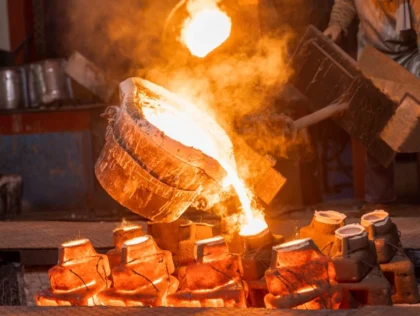
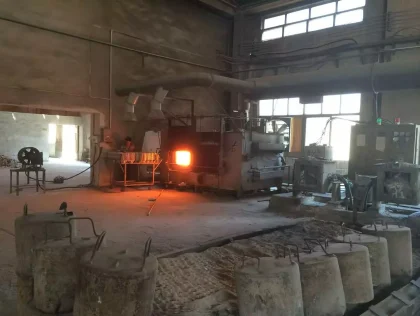
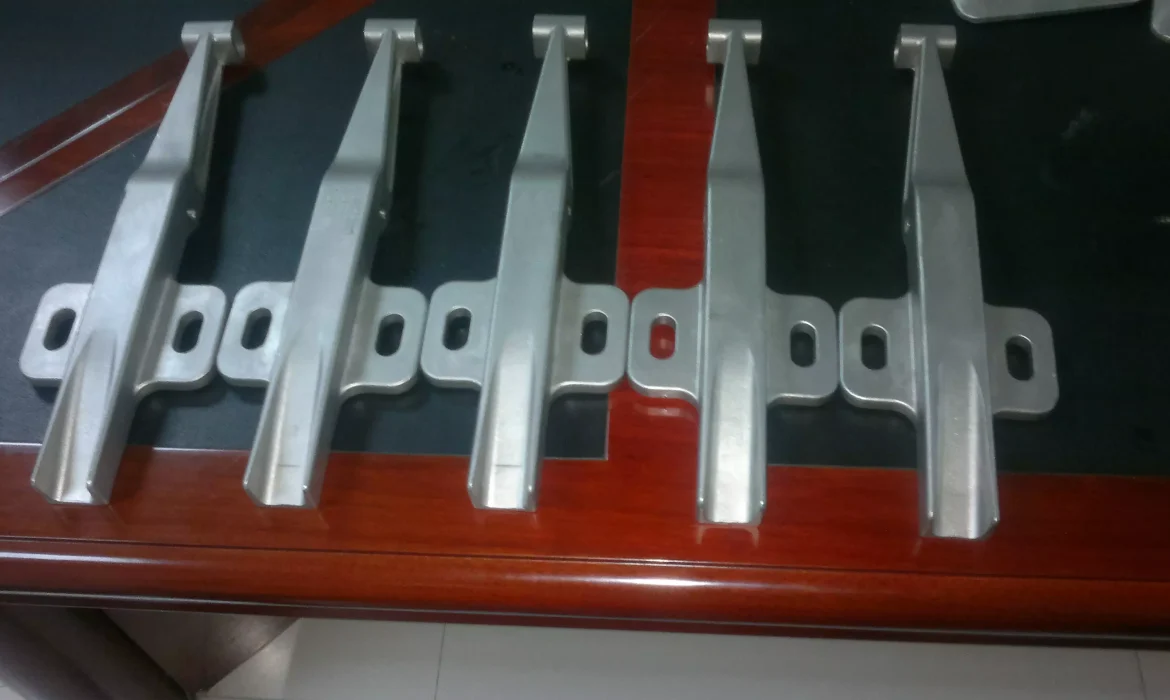
When working with stainless steel investment cast plus CNC machined components, the quality game starts long before the final part rolls off the machine. It’s a multi-step journey: investment casting creates the raw blank, followed by heat treatment, then CNC machining finalizes the shape and surface.
Here’s how these processes interact—and where most issues crop up:
- Cast blank → Heat treat → CNC machining: The cast blank is formed via lost wax (investment) casting, usually in grades like 316L, 17-4PH, or Duplex stainless steel. After casting, parts go through heat treating to achieve desired mechanical properties. Only then do they enter the CNC machining phase for precise features and tight tolerances.
- Defects hidden until machining: Many defects, especially porosity, non-metallic inclusions, and distortion, become apparent only after machining removes surface material. What looks fine as a raw casting can reveal costly flaws once critical surfaces or thin walls are precision-machined.
- Common defects post-machining:
- Porosity: Gas pockets trapped during casting; invisible externally but show up under X-ray or once machined.
- Inclusions: Dirt, slag, or oxides embedded in the metal; often cause weak spots or cracking during CNC.
- Distortion: Warping after heat treat or rough machining. Thin-wall sections are especially vulnerable.
- Most affected materials:
- 316L: Austenitic, great corrosion resistance, but prone to micro-cracking if coolant and machining parameters aren’t dialed in.
- 17-4PH: Precipitation-hardening grade; heat treatment can induce distortion or cracking if uncontrolled.
- Duplex Stainless Steel: Tough to machine; sensitive to heat and stress, making porosity and distortion major concerns.
Because the defects often pop up only after CNC work begins, a robust quality control approach that monitors each step is critical to avoiding costly scrap or rework. Getting the interface right between casting, heat treatment, and machining isn’t guesswork—it demands tough inspection standards, precise process controls, and understanding how machining exposes hidden flaws.
At MS Machining, we’ve seen firsthand how early detection of these issues preserves production flow and exports >99.9% defect-free stainless steel investment castings ready for CNC finish. But it starts here: knowing the process pitfalls and material behaviors that make quality control crucial.
Raw Material and Wax Pattern Quality Control
Quality control starts even before casting—right at the raw material and wax pattern stage. For stainless steel investment castings, rigorous inspection of the incoming melt is crucial. This includes full certification of the stainless steel melt along with spectroscopy testing to confirm chemical composition matches the required grade, whether it’s 316L, 17-4PH, or Duplex. Any deviation here can lead to costly defects later.
Next, wax patterns—the backbone of lost wax casting—must meet tight dimensional tolerances. We perform dimensional checks using precise gauges and rely on strict visual standards to catch pattern flaws like warpage or tears. These defects can cause casting inconsistencies that show up after machining.
Finally, the shell mold’s integrity is closely monitored, including the uniformity of the ceramic coating thickness. Consistent shell thickness prevents hot spots, reduces shrinkage porosity, and ensures overall cast quality. Controlling these factors before pouring sets the stage for fewer defects post-machining.
For a deeper dive into stainless steel casting basics and material grades, check out our comprehensive stainless steel investment casting guide.
Casting Process Controls That Prevent 90% of Post-Machining Issues
Controlling the casting process is crucial to avoid most defects that only show up after CNC machining. Key steps include:
- Pouring temperature and cooling rate monitoring: Keeping these consistent helps reduce internal stresses and shrinkage defects. Too hot or too fast cooling can cause porosity or cracks later revealed during machining.
- Real-time X-ray and fluorescent penetrant inspection: These non-destructive tests catch internal voids and surface flaws early, so only quality castings move forward. Real-time X-ray is especially critical in spotting hidden porosity before machining.
- Porosity classification per ASTM E192: Classifying casting defects to industry standards sets clear acceptance criteria. This ensures you catch unacceptable pores that could cause weak points post-machining.
- Hot Isostatic Pressing (HIP): HIP is a game changer for stainless steel investment castings, especially for 17-4PH and duplex grades prone to internal pores. It’s mandatory when parts require maximum density and fatigue resistance but optional for less critical applications.
Using these casting controls dramatically reduces defects like porosity and distortion that otherwise become costly after CNC machining. For a deeper dive on how investment casting interacts with CNC machining quality control, check out our detailed investment casting vs. CNC machining guide.
Pre-Machining Preparation and First Article Validation
Before CNC machining begins on stainless steel investment cast parts, thorough pre-machining checks are essential to ensure accuracy and quality. One key step is 3D scanning the raw casting and comparing it against the CAD model. This helps identify any dimensional deviations early, so stock allowance can be correctly planned for CNC operations.
Verifying stock allowance is critical—too little material won’t leave enough margin for machining, while too much adds unnecessary time and cost. We confirm this allowance precisely to avoid surprises during the CNC milling process.
Heat treatment uniformity also plays a major role. Hardness mapping across the casting ensures consistent mechanical properties, reducing risks of distortion or uneven wear during machining. This verification step guarantees the part is ready for precise cutting without unexpected material issues.
For machining stainless steel investment castings, we rely on these pre-machining controls to catch problems before they affect final quality, saving time and maintaining tight tolerances. For more on the CNC machining process on investment cast parts, check out our detailed guide on alloy CNC machining services.
CNC Machining Quality Control Points
Controlling quality during CNC machining of stainless steel investment castings requires a sharp focus on several critical factors.
- Fixture Design and Repeatability: Thin-wall castings like 17-4PH or Duplex grades are prone to distortion if not held firmly yet gently. Well-engineered fixtures that provide consistent, repeatable clamping reduce the risk of movement and deformation during machining.
- In-Process Probing & Tool Wear Compensation: Regular probing helps verify dimensions as machining progresses, catching drift early. Tool wear compensation software adjusts cutting paths in real time, maintaining tight tolerances and avoiding scrap due to worn tools.
- Coolant Management: Austenitic stainless steels (e.g., 316L) are sensitive to thermal stresses, which can cause micro-cracking if cooling isn’t managed properly. Using clean, well-pressurized coolant directed precisely on cutting zones prevents heat buildup and improves surface integrity.
- Surface Finish Requirements: Surface finish expectations vary by application:
- Fine finishes often require Ra 0.8 μm or better, especially for medical or aerospace parts.
- General industrial uses may accept Ra 3.2 μm.
- Sometimes, the original cast surface is retained where machining isn’t necessary, but this must be clearly specified and controlled.
Meeting these CNC machining quality control points reduces defects and ensures consistent dimensional accuracy. For in-depth insights on precision machining techniques and fixture design, exploring detailed precision CNC machining services can provide additional guidance.
Advanced Dimensional and Geometric Verification
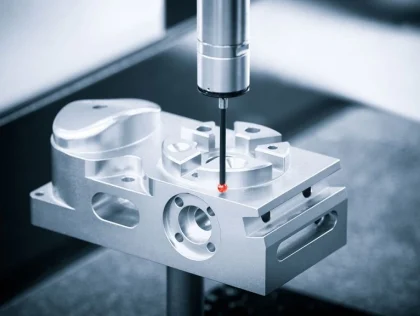
When it comes to quality control for stainless steel investment cast + CNC machined components, advanced dimensional verification is crucial. Coordinate Measuring Machine (CMM) inspection plays a key role here, especially in establishing accurate datum alignment. Unlike fully machined parts, cast components often require datums referenced from rough casting features combined with machined surfaces. This hybrid approach helps capture the true shape and position of features after machining, accounting for any distortion or shrinkage.
Geometric Dimensioning and Tolerancing (GD&T) poses unique challenges on cast-to-finish parts. Variability in casting means tolerances often need adjustment compared to solid-forging or billet CNC parts. It’s important to apply GD&T principles balancing functional fit and manufacturability, especially on critical mating surfaces.
For First Article Inspection (FAI), full layout inspection covering all critical dimensions and features is ideal, ensuring 100% data on compliance. However, in production runs where consistent quality is proven, reduced sampling plans such as C=0 can be effective—if supported by a robust process control system.
Integrated CMM inspection strategies combined with a well-planned FAI process guarantee dimensional accuracy investment casting customers demand. These methods also help catch subtle issues before machining, saving costly rework.
For detailed insights on precision metal component production, check out our page on special CNC machining processes.
Non-Destructive and Destructive Testing Standards
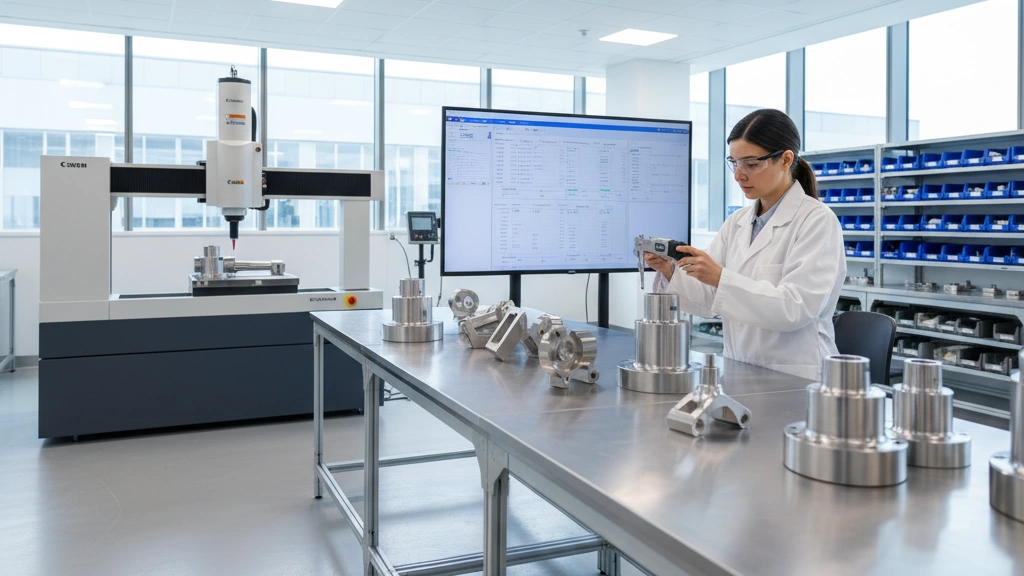
Quality control for stainless steel investment cast and CNC machined components relies heavily on both non-destructive and destructive testing methods to catch hidden defects and verify material integrity.
Radiography inspection focuses on critical zones that become accessible only after CNC machining removes excess material or reveals internal areas. This step is essential to detect subsurface porosity, shrinkage cavities, and inclusions that traditional inspections might miss before machining.
Ultrasonic testing (UT) complements radiography by targeting near-surface defects such as cracks or laminations, especially in thicker sections or complex geometries common with stainless steel grades like 316L and 17-4PH.
For internal structure analysis, cross-section macro-etching is used to reveal grain structure, segregation, and possible heat treatment issues. This destructive test provides insight into the quality of the casting and the effectiveness of post-casting processes such as heat treatment.
Finally, mechanical property coupon testing from actual production runs confirms that tensile strength, hardness, and impact resistance meet spec requirements. This ensures that the combined investment cast and CNC machined parts deliver reliable performance in demanding environments.
Together, these testing standards form a powerful quality control framework that catches defects early and maintains consistent material properties across stainless steel investment cast components.
Surface Integrity and Corrosion Resistance Protection
Protecting the surface integrity of stainless steel investment cast and CNC machined components is critical to ensure long-lasting corrosion resistance. Two common finishing processes, passivation and electropolishing, are essential here. These treatments follow standards like ASTM A967 and QQ-P-35, which validate the removal of free iron and contaminants that can compromise corrosion performance.
Pickling is another vital step, especially to remove any alpha phase and embedded iron particles that form during machining. Proper pickling control prevents surface discoloration and helps maintain the alloy’s corrosion-resistant properties.
To verify effectiveness, salt spray testing and pitting resistance assessments are regularly performed. These tests simulate harsh environments to check for surface breakdown or localized corrosion, ensuring the part can withstand the conditions expected in actual service.
Maintaining these surface integrity standards protects investment castings from premature failures and upholds the high quality demanded in industries like aerospace and medical devices. For related insights on thermal system components, see our detailed coverage of heat exchanger parts and their material considerations.
Documentation and Traceability Package
A solid quality control program for stainless steel investment cast and CNC machined components relies heavily on thorough documentation and traceability. In 2025, a complete quality dossier doesn’t just include test results and inspection reports—it’s a detailed digital record that tracks every step of production, from raw material certification to the final machined part.
Key elements of the traceability package include:
- EN 10204 Certification: Most buyers in the U.S. expect at least an EN 10204 3.1 certificate, which verifies material batch testing. For higher-risk aerospace or medical parts, the 3.2 certificate is essential, as it involves inspection by an independent third party and confirms the entire manufacturing and testing process of both the casting and machining operations.
- Material and Process Traceability: Each casting batch is linked to the melt certification, and every CNC batch is traceable through process logs, heat treating records, and inspection data. This ensures full accountability if an issue arises.
- Digital Twin Records: Modern quality control now embraces digital twins—virtual models that mirror the actual part and its manufacturing history. These help predict potential failure points or deviations before physical testing, optimizing quality.
- Blockchain-Style Traceability: Some advanced shops are implementing blockchain technology for tamper-proof, decentralized tracking of quality data. This delivers unmatched transparency and trust to industries like aerospace, where part provenance is critical.
In today’s market, a detailed, digitally backed traceability package isn’t optional—it’s a must-have. This approach guarantees full visibility of stainless steel investment casting quality control from start to finish, giving manufacturers and end-users unmatched confidence in their parts.
For an in-depth understanding of machining quality control on complex alloys, check out our guide on CNC machining Hastelloy steel parts.
Common Failure Modes and How Top Shops Eliminate Them
In stainless steel investment cast + CNC machined components, failure modes like porosity showing up after machining and distortion after roughing are some of the biggest headaches. Many shops first spot these issues only when precision goes out the window or parts fail inspection, leading to costly reworks or outright rejection.
Porosity Exposed After Machining
Porosity hidden inside the casting sometimes becomes visible only after CNC cutting thins the walls. This can cause leaks, cracks, or weakened zones that fail in service. The best shops prevent this by:
- Relying on real-time X-ray inspections and strict porosity classification per ASTM E192 standards before machining.
- Using hot isostatic pressing (HIP) for critical aerospace and medical components where porosity tolerance is near zero.
Distortion After Roughing
Heat treatment and rough machining can introduce distortion, especially with grades like 17-4PH or Duplex stainless steel. This throws off dimensional accuracy and interferes with GD&T compliance. Top shops control this by:
- Applying uniform heat treatments with tight hardness mapping to avoid uneven stresses.
- Designing fixtures that minimize part movement during CNC operations.
- Performing early 3D scans and in-process probing to catch distortion early.
Real-World Lessons from Aerospace and Medical Rejections
We’ve seen parts rejected because porosity wasn’t caught early, causing leaks in aircraft hydraulic components. In medical devices, distortion led to parts not fitting properly in assemblies, risking patient safety. These failures drive industry leaders to adopt comprehensive quality control from melt certification to final CMM inspection.
For top results, choosing a supplier experienced in both casting and machining quality control is key. MS Machining, for example, consistently keeps defect rates under 50 ppm by mastering these controls and using advanced inspection strategies. You can discover how they handle challenging aerospace parts in their aerospace machining components manufacturing capabilities.
Key takeaways to avoid common failures:
- Invest early in NDT like X-ray and ultrasonic testing.
- Use heat treatments and HIP selectively based on material and part criticality.
- Tighten CNC fixtures and in-process inspections to catch distortion fast.
- Study and apply lessons learned from real aerospace and medical component failures.
This approach helps ensure your stainless steel investment cast + CNC machined parts meet demanding US aerospace and medical industry standards with minimal surprises.
Choosing a Supplier That Actually Masters This Process
Finding a supplier who truly understands quality control for stainless steel investment cast and CNC machined components isn’t easy. You want to spot green flags, not red flags.
Red-flag signs include:
- Lack of documented quality systems specific to cast-plus-machined parts
- No experience with key stainless steel grades like 17-4PH or Duplex
- Poor communication on heat treatment, porosity control, or dimensional inspections
- No clear traceability or certification like EN 10204 3.2
Green-flag capabilities you should look for:
- Proven track record with tight tolerance cast-to-finish parts
- Expertise in real-time inspections such as X-ray and CMM checking for both casting and machined features
- Robust pre-machining validation processes and heat treatment control
- Documented defect rates well below industry averages, ideally under 50 ppm
- Thorough passivation and corrosion resistance management tailored to stainless steel alloys
At MS Machining, we consistently achieve defect rates below 50 ppm by integrating deep process knowledge with advanced quality controls. From detailed technical reviews to precision CNC machining and final passivation, our team handles every step methodically. Our focus on core quality points—like in-process probing, fixture repeatability, and full traceability—means you get parts that meet or exceed specs every time.
If you’re searching for a partner who masters the entire chain—investment casting, heat treating, and CNC machining—explore how our proven approach to manufacture hardened steel machining parts delivers unmatched reliability and value.