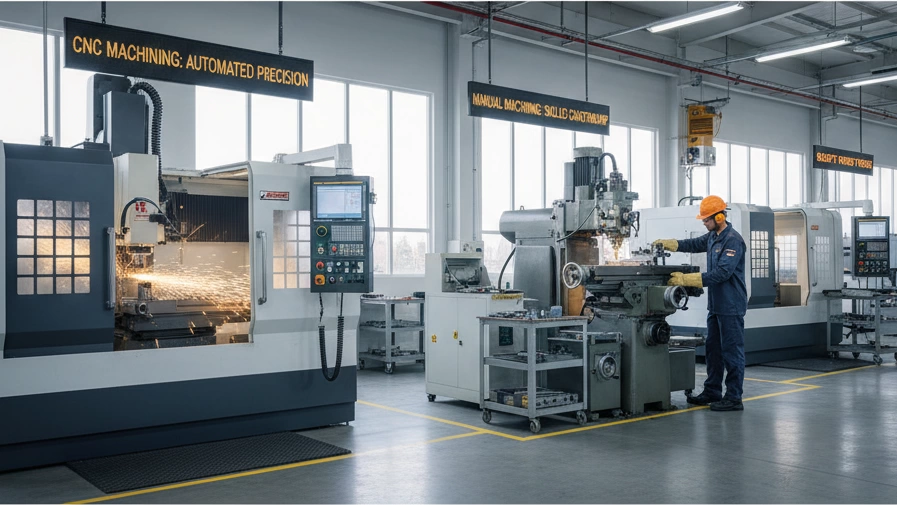
What Does CNC Stand For? The Real Meaning Explained
CNC stands for Computer Numerical Control—a term that’s become the backbone of modern machining. Simply put, it’s the use of computers to control machine tools like mills, lathes, and routers. Instead of turning knobs or cranking handles manually, you use digital commands to guide the machine’s movements with precision.
A Brief History: From NC Tapes to Modern CAD/CAM
The story starts back in the 1950s with Numerical Control (NC) machines, which used punched tapes to instruct machines on where to cut. It was revolutionary back then, automating tasks that were previously 100% manual. Fast forward a few decades, and the introduction of the “Computer” in CNC machines changed everything. Today, rather than physical tapes, machines read digital files generated by CAD (Computer-Aided Design) and CAM (Computer-Aided Manufacturing) software.
How the “Computer” Part Works Today
The computer in CNC isn’t just a basic controller; it’s a smart system running software that translates your design into machine instructions called G-code. This code tells the machine exact movements—like how fast to spin, where to move the tool, and how deep to cut. Controllers interpret these instructions in real-time, allowing the machine to operate automatically with minimal human intervention.
To sum up:
- CNC = Computer + Numerical Control
- Evolved from punch tapes (1950s NC machines) to advanced CAD/CAM integration
- Uses G-code generated by software, executed by machine controllers
- Provides precise, repeatable automation on almost any tool you can imagine
In 2025, understanding CNC means more than knowing what it stands for—it’s about appreciating the digital brains behind the machine, turning your designs into perfect parts.
CNC Machining vs Manual Machining: Side-by-Side Comparison (2025)

Here’s a quick look at how CNC machining stacks up against manual machining in 2025 across key factors:
| Factor | CNC Machining | Manual Machining |
|---|---|---|
| Precision & Repeatability | High precision with ±0.0002\” common; consistent batch quality | Depends on machinist’s skill; less consistent for large runs |
| Production Speed & Volume | Fast, supports high-volume, 24/7 lights-out manufacturing | Slower; better for low volume or single parts |
| Setup Time & Lead Time | Longer setup but faster overall for repeat jobs | Quick setup for simple jobs; slower for complex parts |
| Labor Skill Requirements | Programming and monitoring skills needed; less manual operation | Highly skilled machinist required for all tasks |
| Initial Cost & Operating Cost | Higher upfront cost ($15K to $500K+); lower per-part cost long-term | Lower upfront cost ($3K–$15K); higher labor cost per part |
| Material Waste | Optimised tool paths reduce scrap | More material offcuts due to operator variability |
| Flexibility for Custom/One-Off Parts | Less flexible for one-off without reprogramming | Very flexible and quick for prototypes or repairs |
| Safety | Safer with enclosures, less direct operator interaction | Higher risk due to manual tool handling |
CNC shines for high precision, volume, and complex jobs thanks to automation and software control. Manual machining still holds ground for quick prototype work, tiny batches, and situations where programmer skills or budget are limited.
For detailed precision insights and how CNC achieves this, check out our guide on metrology and precision.
How a CNC Machine Actually Works (Step-by-Step)
A CNC machine follows a clear, logical process from design to finished part, making it very efficient and precise. Here’s the typical workflow:
Design (CAD): Everything starts with a digital 3D model created using CAD (Computer-Aided Design) software. This model defines the exact shape and dimensions of the part you want to make.
CAM Programming: Next, CAM (Computer-Aided Manufacturing) software takes the CAD design and plans the tool paths—basically, how the machine will move to cut the part.
G-code Generation: The CAM program then converts these tool paths into G-code, a language that the CNC machine’s controller understands. G-code tells the machine exactly where and how fast to move, what tools to use, and when to cut or stop.
Machine Setup: The operator sets up the CNC machine, mounting the raw material and installing the correct cutting tools. The controller is loaded with the G-code program.
Automatic Tool Paths vs. Human Hand Wheels: Unlike manual machining where the machinist physically moves the tool using hand wheels, CNC machines follow the automatic tool paths defined by the G-code, moving the cutting tool precisely without manual input during operation.
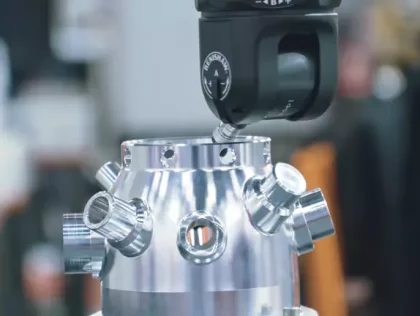
Real-Time Monitoring and Feedback Loops: Modern CNC machines include sensors and software that constantly monitor variables like tool position, speed, and load. Any deviations are corrected in real time to maintain accuracy and prevent errors.
This tightly controlled process is why CNC machining delivers such high precision and repeatability compared to manual methods. For industries like medical equipment manufacturing, where exact tolerances are crucial, CNC machines are indispensable—you can see enhancements in parts like spiral groove bearings for medical devices partly thanks to this precise machining technology.
How Manual Machining Works (The Traditional Way)
Manual machining relies heavily on the hands-on skill and experience of the machinist. Common machines used include Bridgeport mills, engine lathes, and surface grinders. These are controlled manually, meaning the operator adjusts the cutting tools and workpieces by hand using wheels, levers, and dials.
Key tools that support precision in manual machining include Digital Readouts (DROs), dial indicators, and edge finders. DROs help machinists track exact positions on the machine axes, while dial indicators measure small distances or alignment issues. Edge finders assist in locating precise workpiece edges before cutting begins.
Because manual machining depends on the operator’s expertise, the quality and speed of work can vary significantly. This traditional approach still holds value where nuanced control and experienced judgment are needed, especially for one-off parts or custom jobs.
Key Advantages of CNC Machining in 2025

CNC machining today offers unmatched precision, with tolerances as tight as ±0.0002\” becoming standard. This level of accuracy ensures parts fit perfectly every time, reducing rework and scrap.
Another huge benefit is the ability to run machines 24/7 with lights-out operation. This means shops can keep producing parts overnight or unattended, dramatically boosting output without extra labor costs.
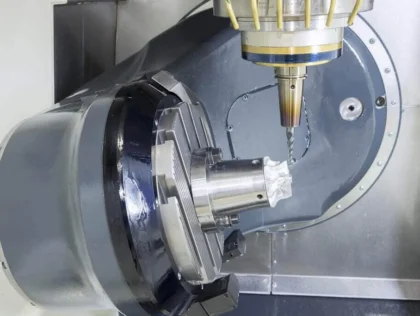
CNC machines now handle incredibly complex geometries, especially with advanced 5-axis and mill-turn capabilities. These multi-axis setups allow for intricate designs impossible or very time-consuming to do manually. If your project demands complexity, checking out specialized 5-axis CNC machining services can be a game-changer.
Traceability and quality control also improve thanks to CNC’s digital nature. Every tool path, run, and adjustment gets logged, helping with audits and consistent quality. Plus, CNC gear easily integrates with Industry 4.0 technologies—think IoT sensors, real-time monitoring, and predictive maintenance—that keep machines running smoothly and reduce downtime.
Overall, CNC machining in 2025 isn’t just faster or more precise; it’s smarter and more connected, driving efficiency and quality in ways manual machining can’t match today.
When Manual Machining Still Wins (Yes, It Happens)

Despite all the advances in CNC machining, manual machining still holds its ground in certain situations. For one-off prototypes and quick repairs, manual machines offer unmatched flexibility and speed without the need for programming or lengthy setups. When dealing with extremely low-volume runs or oversized parts that don’t fit standard CNC machines, manual machining remains a reliable choice.
Shops staffed with highly skilled journeyman machinists also favor manual methods because their craftsmanship and experience can deliver precise results on tricky jobs that challenge automation. Plus, budget constraints often make manual machines the go-to option for hobbyists, startups, or smaller shops not ready to invest in expensive CNC equipment.
If you’re working on custom or restoration projects, like gunsmithing or artistic metalwork, manual machining lets you control every cut by hand, which some craftspeople still prefer for the personal touch and adaptability.
For more detailed machining options, our precision aluminum machining services demonstrate how CNC and manual methods can complement each other depending on your production needs.
Real-World Applications: CNC vs Manual
In 2025, the choice between CNC and manual machining often comes down to the specific industry and the nature of the work.
Aerospace & Medical: These industries rely heavily on CNC machining due to the extreme precision and repeatability required. Almost 100% of parts—from complex aerospace components to precise medical devices—are made using CNC machines. If you\’re working on medical manufacturing devices and equipment, CNC ensures strict quality control and consistency.
Job Shops & Tool-and-Die: Here, it\’s common to see a mix of both CNC and manual machining. CNC handles high-volume or complex jobs, while manual machining is still trusted for quick setups, one-offs, or repairs. This balance allows shops to meet a range of client needs without sacrificing efficiency.
Restoration, Gunsmithing & Artistic Work: These areas often favor manual machining due to the hands-on control needed for delicate, low-volume, or custom parts. Skilled machinists rely on their expertise rather than automation, working with manual lathes and mills to create unique and often intricate pieces.
Understanding where CNC or manual machining fits in your project helps you choose the most efficient and cost-effective method—especially as industries push for greater precision and automation.
Cost Breakdown: CNC Machine vs Manual Machine (2025 Prices)
When it comes to costs in 2025, the price gap between manual and CNC machines remains significant but understandable given their capabilities.
- Entry-level manual mill or lathe typically runs between $3,000 and $15,000. These machines suit smaller shops or hobbyists focused on low-volume or simple jobs.
- An entry-level 3-axis CNC machine usually costs from $15,000 up to $80,000, depending on features like precision, size, and included software.
- For higher-end needs, industrial 5-axis CNC machines start around $150,000 and can go beyond $500,000. These handle complex geometries and heavy-duty production.
Beyond purchase price, hourly operating costs tell a fuller story: CNC machines generally require more upfront investment but offer labor savings, less material waste, and higher throughput. Manual machining costs might be lower initially but can add up due to longer lead times and labor intensity.
For small shops, the return on investment (ROI) for CNC machines often falls between 1 to 3 years, especially when producing higher volumes or precision parts consistently. Manual machines might save money upfront but may slow down growth or limit complexity.
Choosing the right machine depends on your shop’s volume, budget, and part complexity. For shops handling tough alloys or specialty materials, pairing CNC capabilities with expert service like our alloy CNC machining services can improve cost-efficiency and quality in the long run.
The Future: Is Manual Machining Dying?
Manual machining isn’t disappearing anytime soon, but the landscape is definitely shifting. Today’s trends lean heavily toward hybrid machines—equipment that blends manual setups with CNC controls—plus collaborative robots (cobots) that assist machinists by handling repetitive or dangerous tasks. Add in the rise of more user-friendly CNC software, and shops are finding it easier than ever to automate complex jobs without losing craftsmanship quality.
Despite this, skilled manual machinists remain in high demand but short supply. Their deep hands-on experience and problem-solving know-how can’t be fully replaced by machines, especially for custom, one-off, or intricate work that calls for a human touch.
Looking ahead to 2030 and beyond, manual machining will coexist alongside CNC automation. The future likely involves more integrated workflows where manual skills complement advanced technology—especially in smaller shops, prototyping, or restoration industries. So rather than dying out, manual machining is evolving, keeping its place in a smart, hybrid manufacturing world.
Choosing the Right Option for Your Shop
Picking between a CNC machine and manual machining comes down to several key factors. Here’s a simple checklist to help you decide what fits your shop best:
Part Complexity: If your parts have complex shapes or require tight tolerances, CNC machining is usually the way to go. Manual machining works fine for simpler designs.
Production Volume: For high-volume runs, CNC machines offer faster throughput and consistency. Manual machining is better suited for low-volume or one-off jobs.
Budget: CNC machines require a bigger upfront investment and ongoing costs, while manual machines are generally cheaper to start with. Keep in mind software, programming, and maintenance for CNC.
Timeline: CNC can drastically cut lead times thanks to automation. If you’re on a tight schedule, CNC may be necessary.
Skill Level: CNC reduces the dependency on highly skilled operators since much is automated. Manual machining demands experienced machinists with hands-on skills.
When to Outsource: If buying a CNC machine isn’t feasible yet or your projects don’t justify it, outsourcing to a trusted CNC shop like MS Machining is smart. Outsourcing still gives you access to advanced CNC capabilities without the big investment.
In many cases, combining both manual and CNC machining through a reliable partner helps deliver quality parts efficiently while managing costs and flexibility. Evaluate your current and future needs carefully to make the right choice for your shop.
Why MS Machining Recommends Starting with CNC in 2025
At MS Machining, we’ve been proudly serving US manufacturers since 2008, helping shops transition to efficient, reliable CNC machining solutions. Our experience shows that starting with CNC in 2025 is the smartest move for most shops looking to improve precision, cut lead times, and scale production.
We offer free Design for Manufacturability (DFM) feedback alongside our quoting process, so you get expert insights before committing. This helps avoid costly mistakes early and ensures your parts are optimized for CNC manufacturing.
Here are a few real-world examples from our work:
- A local aerospace supplier reduced part rejects by 60% using our advanced 5-axis CNC machining services.
- A medical device startup accelerated prototype turnaround from weeks to days through efficient CAD/CAM workflows.
- A small job shop expanded their capabilities with CNC turning services, landing bigger contracts thanks to improved repeatability.
If you’re deciding between manual and CNC machining for your shop, starting with CNC gives you a competitive edge—especially for complex parts and higher volumes. Check out our detailed 5-axis CNC machining services or explore how CNC milling can handle complex components with ease.