What Are PTFE Machined Parts?
Are you searching for reliable, high-performance components for your industry? PTFE machined parts might be the solution you need. These custom-made components are fabricated from PTFE, a highly versatile fluoropolymer known for its excellent chemical resistance, low friction, and exceptional electrical insulation properties. Unlike standard molded parts, PTFE machined parts are precisely cut and shaped to meet tight tolerances, making them ideal for specialized applications.
PTFE machined parts serve a variety of industries, including chemical processing, aerospace, electronics, and medical fields. Their ability to withstand extreme temperatures and corrosive environments makes them a go-to choice for demanding applications. Whether you need seals, bushings, insulators, or complex prototypes, PTFE CNC machining delivers the accuracy and consistency necessary to keep your equipment running smoothly.
In the following sections, I’ll walk you through what PTFE is, why it’s ideal for machined components, the differences between virgin and filled PTFE, and when CNC machining is the best method over molding.
Why PTFE Machined Parts Work So Well
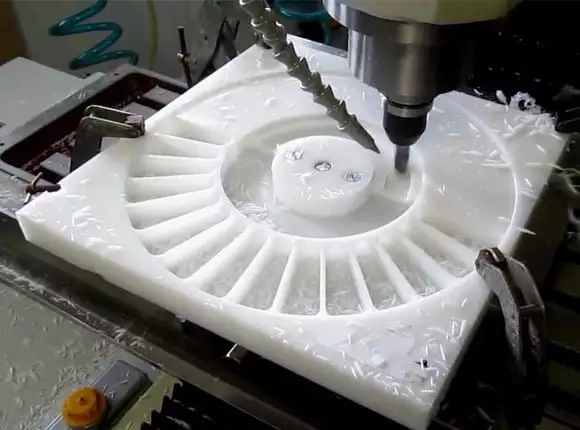
PTFE machined parts are highly valued across many industries thanks to their unique combination of properties. One of the key reasons they perform so well is their outstanding chemical resistance. PTFE, often known as Teflon, can withstand corrosive chemicals, making it ideal for uses in chemical processing plants and fluid handling systems. This is why many manufacturers turn to chemical resistant machined components for critical applications.
Another major advantage is low friction. PTFE surfaces are incredibly smooth, which results in minimal resistance during movement. This property makes PTFE bearings and bushings perfect for applications where reducing wear and energy loss is essential. You can explore more about low friction bearings PTFE to see how these components boost performance and longevity.
Thermal stability is another key feature. PTFE can operate effectively across a wide temperature range, from cryogenic temperatures up to around 500°F (260°C). This stability ensures that PTFE machined parts won’t deform or lose their properties in high-heat environments, making them suitable for high-temperature insulators PTFE or other applications where heat endurance matters.
PTFE’s electrical insulation capabilities are also top-notch. It’s an excellent dielectric material, meaning it can prevent electrical currents from passing through, making PTFE machined parts essential in electrical and electronic applications. This property is why PTFE is often used for custom insulators, spacers, or cable parts, providing safety and reliability.
Additionally, PTFE exhibits low outgassing and hydrophobic behavior, meaning it resists absorbing water and releasing gases. This makes PTFE ideal for use in clean and sterile environments, such as pharmaceutical and semiconductor manufacturing, where contamination control is critical.
Together, these qualities make PTFE machined parts a go-to choice for applications demanding durability, chemical compatibility, and high performance in challenging conditions.
Common PTFE Machined Parts
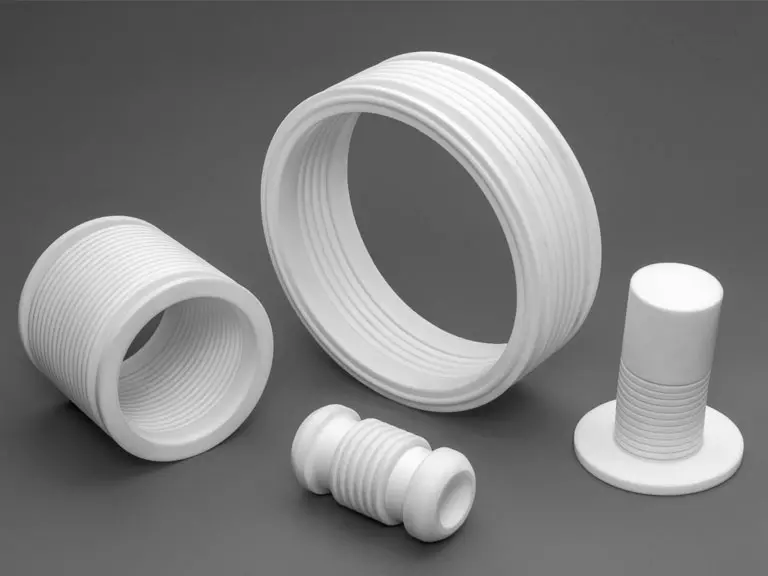
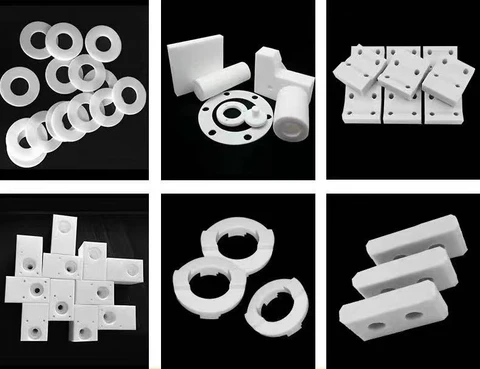
PTFE is widely used for a variety of machined parts because of its unique properties. Some of the most common components include PTFE seals and gaskets, which are essential for preventing leaks in fluid systems. These parts are often custom-cut to fit specific equipment and can withstand harsh chemicals and high temperatures.
PTFE bushings and bearings are another popular application, especially in environments where low friction and corrosion resistance are critical. They help reduce wear in moving parts and extend the lifespan of machinery. When it comes to valves, PTFE valve seats and back-up rings are essential for ensuring tight sealing in aggressive media, even at elevated temperatures.
Additionally, PTFE is used for insulators, spacers, and cable parts thanks to its excellent electrical insulating properties and hydrophobic nature. You’ll also find PTFE nozzles, manifolds, fittings, rollers, and guides in applications that demand chemical resistance and low friction.
For projects that require complex geometries or unique specifications, custom PTFE prototypes are available. These are ideal for testing out new designs or for specialized equipment, offering the flexibility needed to meet demanding industry standards.
Whether you need standard parts or custom solutions, PTFE machined parts are trusted across industries for their performance and durability.
PTFE CNC Machining Methods
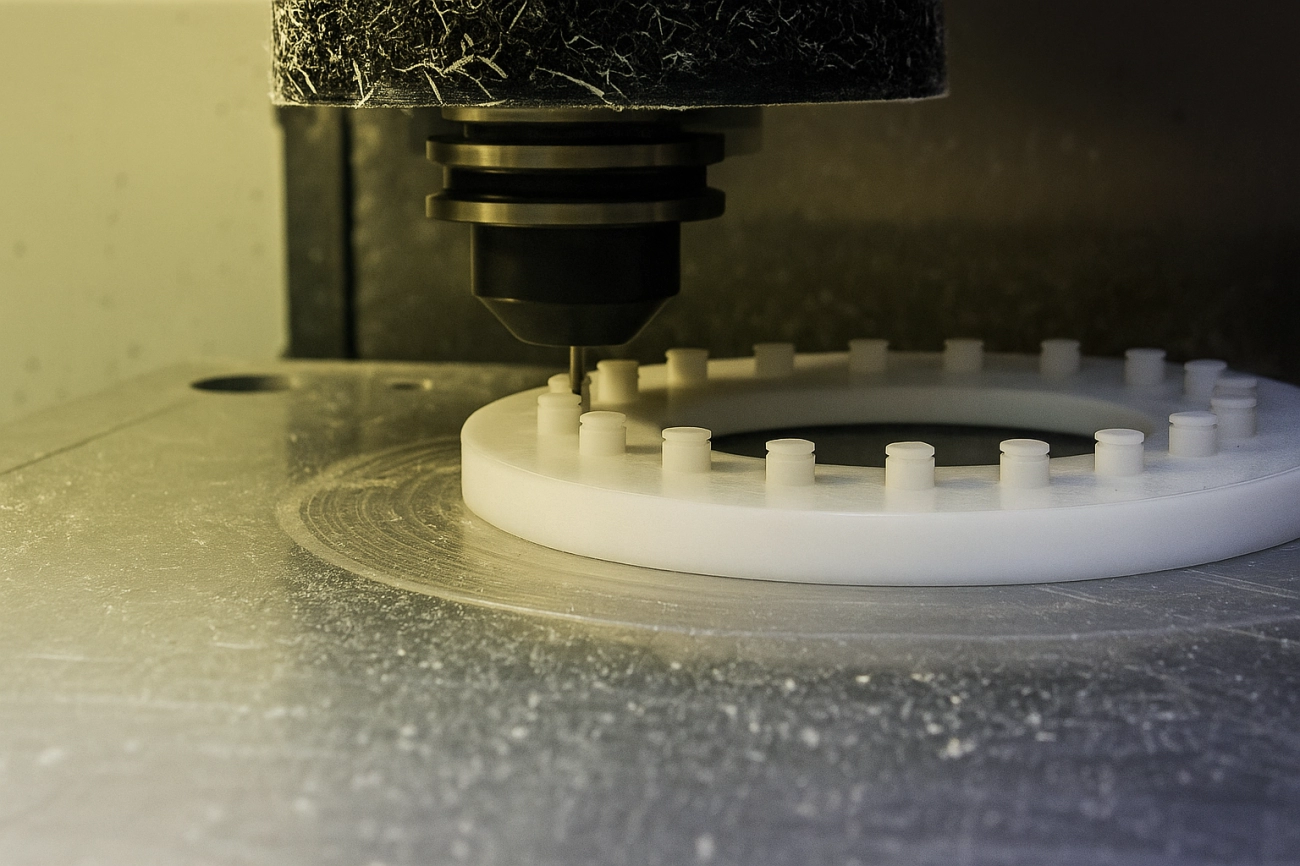
When it comes to creating precise PTFE machined parts, CNC machining is the go-to method. Two common techniques are CNC turning and CNC milling.
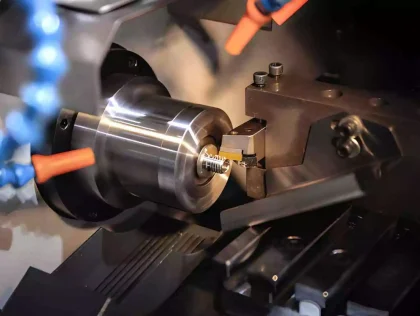
CNC turning for PTFE parts is ideal for producing round components like bushings, seals, and rollers. It involves rotating the part while a single-point tool shapes it, delivering high accuracy. Since PTFE is soft and can be tricky to clamp, choosing the right tools and speeds is important to avoid deformation.
CNC milling for PTFE parts offers flexibility for complex shapes like valve seats, insulators, or custom fittings. Milling involves moving a multi-point cutter across the material to carve out desired features. This method is great for creating intricate geometries while maintaining tight tolerances. You can also perform drilling or even multi-axis machining to handle more complex designs or features that require numerous facets.
When machining PTFE, selecting the right tools is crucial. Carbide cutters with sharp edges are often used because they provide clean cuts without excessive heat buildup. Proper cutting strategies, such as light feed rates and appropriate spindle speeds, will reduce surface finish issues and prevent material melting or softening.
Coolant and chip control are also key. Although PTFE doesn’t generate as much heat as metals, managing heat and removing chips effectively helps in maintaining dimensional stability and surface quality. Using coolant or mist lubrication can prevent surface melting and keep cutting tools sharp, especially during extended machining jobs.
For those interested in exploring specific CNC tools suitable for PTFE, check out CNC machining tools. Proper tool choice and machining strategies can help you produce reliable, high-quality PTFE components every time.
PTFE Machining Challenges
Working with PTFE machined parts isn’t always straightforward. There are specific challenges tied to its unique properties that can affect precision and durability.
One of the biggest issues is thermal expansion and tolerance drift. PTFE tends to expand when it heats up, which can cause dimensional shifts during machining or in service. This makes tight tolerances harder to maintain without careful planning.
Creep and long-term deformation are also common concerns. Even after machining, PTFE parts can deform slowly under constant load or heat, affecting long-term performance—particularly in sealing or bearing applications.
Because PTFE is quite soft, clamping and handling can be tricky. It easily scratches or deforms if not secured properly, which may lead to surface finish problems or dimensional inaccuracies.
Heat buildup during machining can cause surface finish issues and increase tool wear. Without proper coolant or chip control, the surface quality may suffer, requiring rework to meet specifications.
To reduce rework and improve stability, it’s crucial to understand these challenges upfront. Using appropriate machining techniques, choosing the right cutting tools, and managing heat effectively can make the process smoother. For more on optimizing PTFE CNC machining, check out CNC milling basics.
PTFE Tolerances and Design Tips
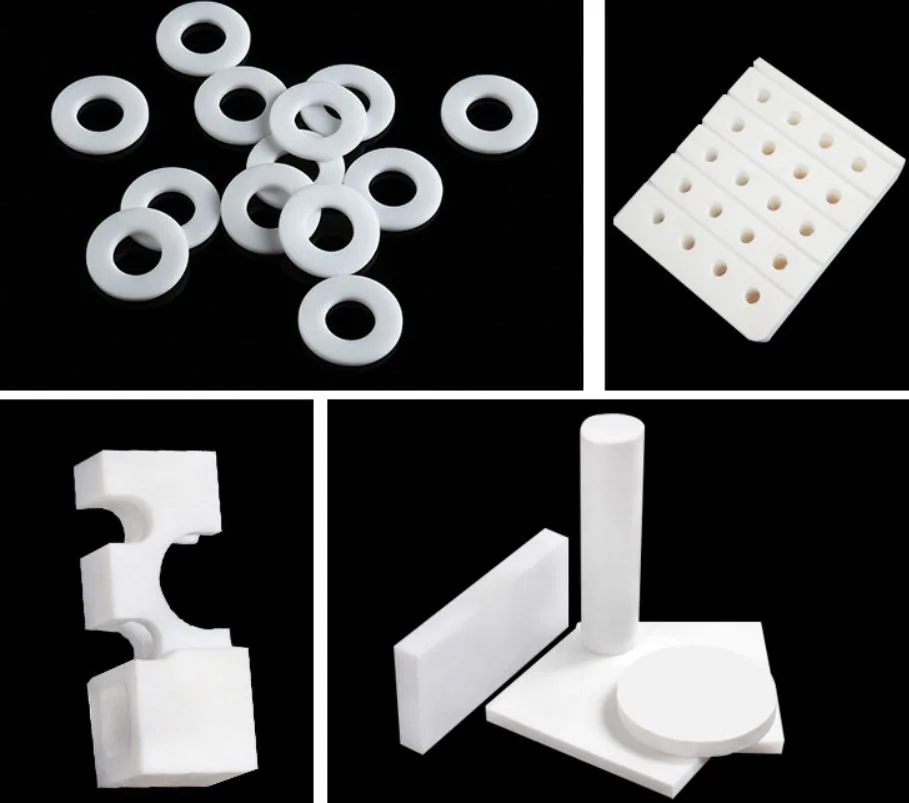
When designing PTFE machined parts, understanding realistic tolerances is key to ensuring proper fit and function. PTFE naturally expands and contracts with temperature changes, so expecting tight tolerances similar to metals isn’t practical. Generally, a tolerance of ±0.005 to ±0.010 inches is achievable for most CNC machined PTFE components, but this depends on part size and complexity.
DFM (Design for Manufacturing) for PTFE parts is essential. Simple geometries, adequate wall thicknesses, and avoiding sharp internal corners help reduce manufacturing issues. Incorporate features like radiused edges and generous tolerances to make the machining process smoother and more cost-effective.
Annealing and stress relief are crucial steps after machining to improve dimensional stability. PTFE can develop internal stresses during machining, leading to deformation over time. An annealing process, typically involving controlled heating, helps relieve these stresses and ensures long-term stability.
When choosing between virgin or filled PTFE, consider the application’s requirements. Virgin PTFE is softer and easier to machine with tight tolerances. Filled PTFE compounds (like those with glass or carbon fillers) provide added strength and wear resistance but can decrease machinability and precision. Balance your needs for performance vs. manufacturability.
Threads, undercuts, and inspection planning must be carefully considered. PTFE’s softness means threads may need special attention — often, oversizing or pre-threading is used to prevent damage. Under-cuts should be made with sharp, compatible tools to avoid surface tearing. Additionally, plan for thorough inspection methods, such as coordinate measuring machines (CMM), to verify important dimensions given PTFE’s flexibility.
Incorporating these design and production tips helps ensure that your PTFE machined parts perform reliably in demanding applications, whether it’s in chemical processing, aerospace, or medical devices. For more on successful PTFE CNC machining, exploring metal CNC machining can offer additional insights into precision manufacturing techniques.
PTFE Machined Parts by Industry
PTFE machined parts play a key role across many industries, thanks to their unique properties. Here’s a look at how different sectors use these custom Teflon components:
Chemical Processing and Oil & Gas
In chemical processing, PTFE’s excellent chemical resistance makes it ideal for seals, gaskets, and linings that handle aggressive substances. Oil and gas operations benefit from PTFE bushings and valve seats that withstand harsh environments and high temperatures. To meet strict industry standards, many manufacturers turn to precision CNC machining for high-tolerance parts.
Aerospace and Defense
Aerospace applications demand materials that are lightweight, durable, and able to withstand extreme conditions. PTFE’s thermal stability and electrical insulation properties make it perfect for insulators, bearings, and seals in aircraft systems. For defense technology, custom PTFE parts help ensure reliability in sensitive equipment, often requiring complex geometries that are best produced via advanced CNC machining methods.
Medical and Pharmaceutical
In medical settings, PTFE machined parts are valued for their biocompatibility, low friction, and sterile surface qualities. Used in medical devices, implants, and pharmaceutical manufacturing, these parts must meet strict cleanliness standards. Precision Teflon CNC machining helps create complex, small-scale components like spacers, seals, and tubing connectors.
Semiconductor and Electronics
The semiconductor industry relies on PTFE for its electrical insulating properties and high purity. Machined PTFE insulators and guides are essential for manufacturing equipment that demands tight tolerances and high performance. CNC turning for PTFE is often used to produce these precise components.
Food and Beverage
PTFE’s FDA compliance and low outgassing make it perfect for food processing equipment, such as fittings, nozzles, and rollers. These parts need to be reliable, easy to clean, and resistant to corrosion. Custom PTFE fabrication ensures these parts meet safety standards and manufacturer specifications.
Automotive and Energy
In the automotive industry, PTFE machined parts are used in fluid handling, seals, and gaskets that require excellent chemical resistance and low friction. For energy applications, especially in renewable and nuclear sectors, PTFE components withstand high temperatures and corrosive environments, often necessitating precision CNC machining to achieve durability and compliance.
No matter the industry, PTFE machined parts offer a durable, versatile, and cost-effective solution. Whether it’s a custom prototype or a high-volume production run, selecting the right machining method and material formulation makes a big difference in performance.
How to Choose a PTFE Machining Supplier

When selecting a supplier for PTFE machined parts, there are several key factors to consider to ensure you get high-quality components that meet your needs:
| Factor | What to Look For |
|---|---|
| Precision and consistency | Make sure the supplier can produce parts with tight tolerances and uniform quality. This ensures your parts fit and function as designed every time. Consider checking their CNC turning and milling capabilities. Learn about precision CNC machining for PTFE. |
| Material traceability | Confirm they can track the source of the PTFE material, whether virgin or filled, to ensure quality and compliance. Traceability is key for sensitive applications like aerospace or medical devices. |
| Prototype and production support | Choose a supplier that can handle both quick prototypes and full-scale production. This flexibility helps you test designs early and scale smoothly. |
| Fast quoting and lead times | Look for quick response times and reliable delivery schedules. Efficient quoting helps keep your project on track, especially for urgent needs. |
| Quality checks and dimensional verification | Insist on thorough inspections, including dimensional verification and material inspection reports. This guarantees your machined PTFE parts meet specs and standards. |
Selecting the right PTFE machining supplier based on these factors can save you time, money, and headaches, especially when working with complex geometries or tight tolerances. Doing your homework on their capabilities and quality measures pays off in the long run.
PTFE Machined Parts Applications and Performance
PTFE machined parts excel in a range of demanding applications thanks to their unique blend of properties. They’re ideal for high wear and low-friction systems, making them a top choice for machinery that needs smooth, long-lasting components. Their excellent chemical resistance means they can handle highly corrosive fluids without degrading, perfect for industries like chemical processing or oil and gas.
In environments with high temperatures or high electrical voltage, PTFE components maintain stability where other materials might fail. This makes PTFE seals, gaskets, and insulators reliable even under extreme conditions. They’re also widely used in clean and sterile environments such as medical or food processing facilities, where purity and resistance to contamination matter.
Thanks to their long-lasting performance, custom PTFE components are often designed for applications that demand durability and minimal maintenance over time. Whether it’s high-quality bushings, valve seats, or guides, PTFE machined parts deliver consistent, reliable results in many critical industries. If you’re thinking about your next project, exploring the versatile applications of PTFE machined parts can provide the durability and performance your operation needs.