If you’re exploring CNC fabrication, you’re stepping into a world of precision manufacturing that transforms raw materials into complex, high-quality parts. Whether you’re a product designer, engineer, or business owner, understanding how CNC machining works can make all the difference in your project’s success. From prototypes to high-volume production, CNC fabrication offers unmatched accuracy, repeatability, and efficiency. Ready to discover how this cutting-edge process can elevate your manufacturing? Keep reading to unlock the secrets behind CNC fabrication and what sets it apart in today’s competitive industry.
What Is CNC Fabrication?
CNC fabrication is a process that combines subtractive manufacturing with computer-controlled automation. It uses advanced CNC machines—like mills and lathes—that operate based on digital instructions to produce precise parts. Unlike traditional fabrication methods, which may rely on manual techniques or molds, CNC fabrication offers unmatched accuracy and consistency.
Key Advantages of CNC Fabrication:
| Advantage | Explanation |
|---|---|
| Precision | Achieves tight tolerances, often within ±0.001″. |
| Repeatability | Produces identical parts time after time. |
| Efficiency | Speeds up production, reducing lead times. |
| Flexibility | Easily switches between part designs with digital files. |
This modern approach ensures complex geometries and tight specifications are met reliably, making it ideal for industries requiring high-precision manufacturing. Whether you need prototype parts or high-volume production runs, CNC fabrication delivers the consistency and efficiency that traditional methods can’t match.
How the CNC Fabrication Process Works
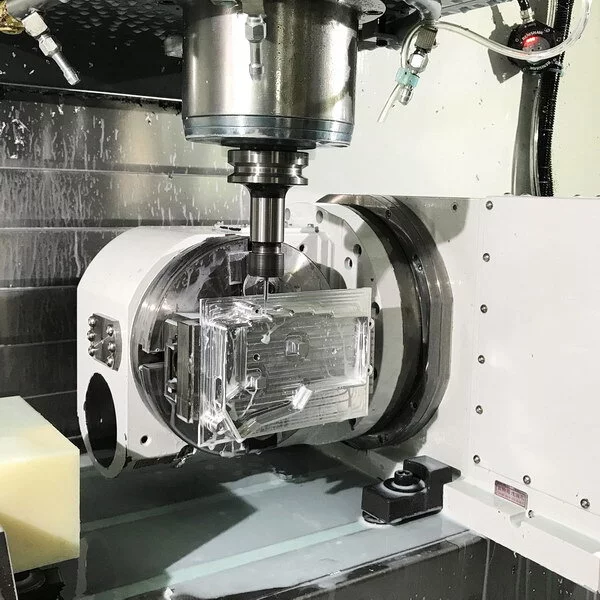
Understanding how CNC fabrication works can help you better plan your projects and work effectively with your machining partner. The process involves several clear steps, starting from designing your part to the final quality check.
First, it all begins with creating a detailed design using CAD (Computer-Aided Design) software. Once the design is ready, it’s translated into a CNC programming language called G-code through CAM (Computer-Aided Manufacturing) software. This programming defines toolpaths, or the specific routes the cutting tools will follow, ensuring precision and repeatability.
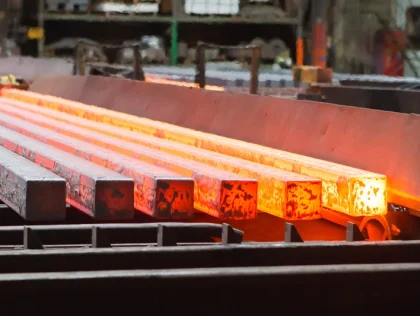
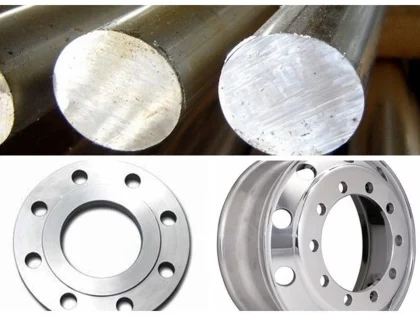
Next, your chosen material is selected and prepared. Common materials like aluminum, steel, or plastics are cut to size and secured onto the machine bed. Then, the CNC machine is set up—tools are installed, and the workpiece is properly aligned.
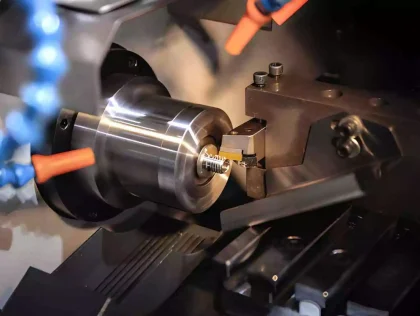
The actual machining operations follow. Using advanced CNC milling and turning techniques, the machine removes material based on the programmed G-code, shaping the part to tight tolerances. This includes processes like drilling, boring, threading, or multi-axis cutting, depending on the complexity of the part.
After machining, post-processing may be necessary. This could include deburring, surface finishing, or heat treatments. The part then undergoes inspection, often using coordinate measuring machines (CMM) or laser scanning, to confirm it meets the required tolerances. Final quality control ensures every part is produced consistently and to the highest standards.
Throughout this process, understanding tools like toolpaths and G-code — the language CNC machines understand — is essential. It’s this combination of high-precision CNC machining process and automation that makes CNC fabrication so efficient and reliable for producing complex, custom parts. For more on specific CNC machining methods, check out CNC milling and turning.
Key CNC Fabrication Techniques and Machine Types
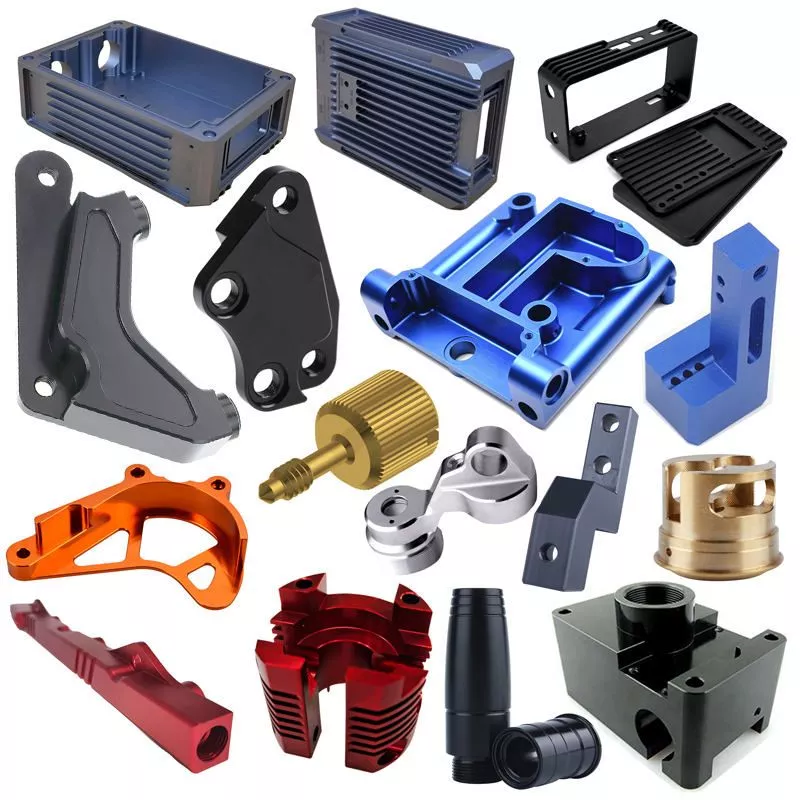
When it comes to CNC fabrication, choosing the right technique depends on your project’s complexity, material, and production volume. Some common methods include CNC milling, turning, drilling, boring, threading, and advanced multi-axis machining.
CNC Milling is highly versatile and can produce both simple and complex parts. It uses rotating cutting tools to shape your material, whether it’s a block of aluminum or steel. 3-axis milling handles basic shapes, while 4- and 5-axis CNC machining enables more intricate designs and tighter tolerances. For example, precision CNC machined carbon steel parts benefit from advanced 5-axis milling to achieve detailed features fast and accurately.
Turning involves rotating a workpiece against stationary cutting tools. This technique is ideal for producing round parts like shafts or cylindrical components. It’s often combined with milling for full-featured machining.
Other techniques like drilling, boring, and threading focus on creating holes, internal features, or screw threads in your parts. These are especially useful in custom metal fabrication projects, where precision is key.
Advanced multi-axis machining—like 5-axis CNC machining—takes things to the next level. It allows for complex geometries and reduces the need for multiple setups, saving time and improving accuracy. This approach is perfect for high-precision projects, especially when manufacturing prototypes or small batch runs.
Choosing the right CNC fabrication technique means balancing complexity, material properties, and production needs. For larger volumes or simple parts, basic milling or turning may do. But for intricate, high-precision components, investing in multi-axis CNC milling or other advanced techniques delivers the best results.
Materials Commonly Used in CNC Fabrication
When it comes to CNC fabrication, choosing the right material is essential for achieving the desired strength, durability, and finish. The most common materials include metals like aluminum, steel, titanium, and brass, as well as plastics like ABS, polycarbonate, and PEEK. Each material has unique traits that make them suitable for different projects and industries.
Metals:
- Aluminum is lightweight, easy to machine, and offers good corrosion resistance, making it popular for prototypes and aerospace parts.
- Steel provides high strength and durability, perfect for heavy-duty applications.
- Titanium is known for its excellent strength-to-weight ratio and corrosion resistance, widely used in medical and aerospace fields.
- Brass is softer, with great machinability and a smooth finish, often used in decorative parts or fittings.
Plastics:
- ABS is affordable, easy to cut, and suitable for prototypes and interior parts.
- Polycarbonate offers impact resistance and clarity, used in safety equipment and optical parts.
- PEEK is a high-performance plastic with exceptional chemical resistance and strength, often used in medical devices and aerospace.
Composites:
- These are increasingly popular in CNC fabrication because they combine lightweight properties with high strength. They are ideal for specialized applications where weight savings are critical.
Choosing the right material also depends on factors like machinability, corrosion resistance, and application requirements. For example, aluminum and plastics are easier to machine quickly, making them ideal for rapid CNC production, while titanium and composites are favored for high-strength, lightweight needs. If you want to explore more about metals custom-fabricated for specific needs, check out our metal parts fabrication options.
Benefits and Limitations of CNC Fabrication
CNC fabrication offers many advantages that make it popular for producing high-precision parts. For example, it can achieve tolerance accuracy of around ±0.001 inches, ensuring parts fit perfectly every time. This level of precision is essential for industries like aerospace and medical devices.
Another key benefit is scalability. CNC machining is ideal for both prototypes and large production runs, adapting easily to different order sizes. It also reduces waste since computer-controlled toolpaths optimize material use. Plus, rapid CNC production speeds up the process, helping companies meet tight deadlines.
CNC can handle complex parts that would be difficult or impossible with traditional methods, thanks to advanced multi-axis machining. For example, 5-axis CNC machining allows for intricate contours and detailed features.
However, there are some limitations. Setup costs can be high, especially for small quantities or one-off projects. Material and size constraints may also restrict what can be machined—big or very soft/highly abrasive materials might pose challenges. Compared to methods like sheet metal fabrication, 3D printing, or casting, CNC may not always be the most cost-effective for one-off or very simple parts.
Here’s a quick table:
| Benefits | Limitations |
|---|---|
| ±0.001″ tolerance accuracy | High setup costs |
| Scalable for small to large runs | Material and size restrictions |
| Waste reduction | Not ideal for very soft or soft/highly abrasive materials |
| Rapid prototyping and production | Sometimes less cost-effective for simple, low-volume parts |
| Complex geometries possible | Equipment and tooling costs |
Overall, CNC fabrication strikes a good balance for precision, complexity, and speed but isn’t always the best choice for every project. For complex parts and tight tolerances, it’s hard to beat. To see how it compares to other methods, check out CNC tolerance standards for more insights.
Common Applications Across Industries
CNC fabrication plays a vital role across many industries, thanks to its precision, repeatability, and ability to handle complex designs. In aerospace, CNC machining process are used to produce high-strength components that meet strict safety standards, ensuring reliability even in extreme conditions. Automotive manufacturing relies heavily on CNC milling and turning for creating custom parts, from engine blocks to transmission components, with tight tolerances.
The medical industry uses CNC fabrication for making precise surgical instruments, implants, and equipment that require high accuracy and biocompatible materials like titanium and PEEK. In electronics, CNC machining helps produce intricate circuit boards and enclosures, ensuring reliable performance and tight fits. Architectural projects use CNC fabrication for custom metal features, decorative panels, and structural components that blend aesthetics with durability.
Heavy machinery and industrial equipment benefit from CNC’s ability to produce durable, high-precision parts efficiently. For example, companies involved in manufacturing heavy-duty gear components rely on high-precision machining services to meet exact specifications and improve overall machine performance.
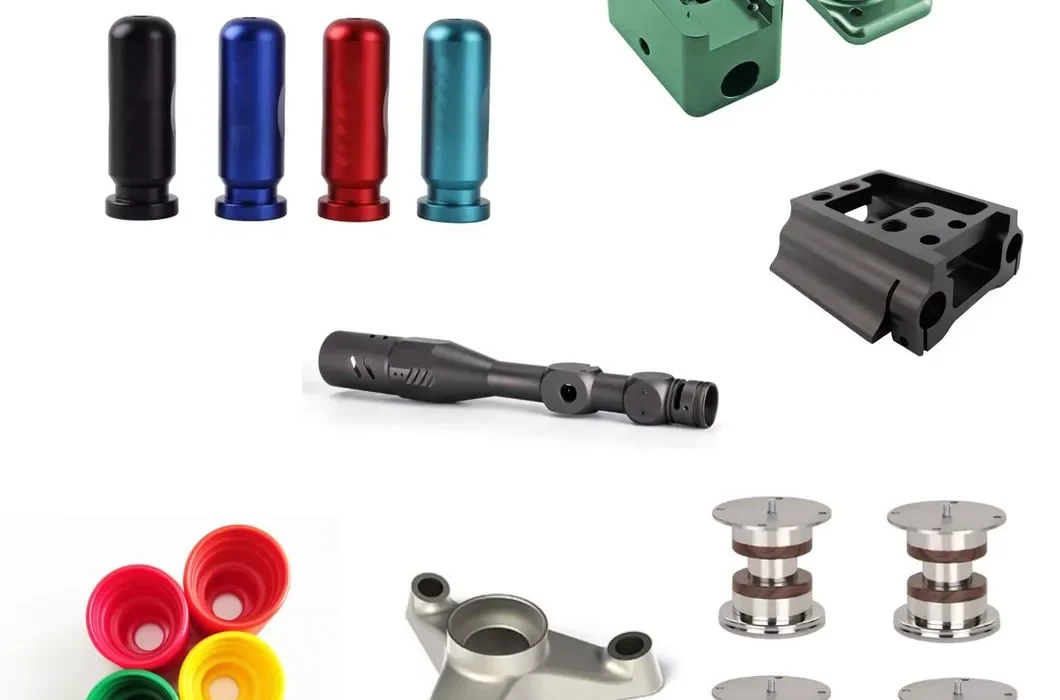
Overall, CNC fabrication offers tailored solutions to solve specific engineering problems across these diverse sectors. Its ability to handle different materials—from aluminum and steel to plastics and composites—makes it an essential tool for modern manufacturing. To explore how CNC fabrication can meet your industry’s needs, consider examining precision machined parts for heavy machinery.
Design Guidelines for Successful CNC Fabricated Parts
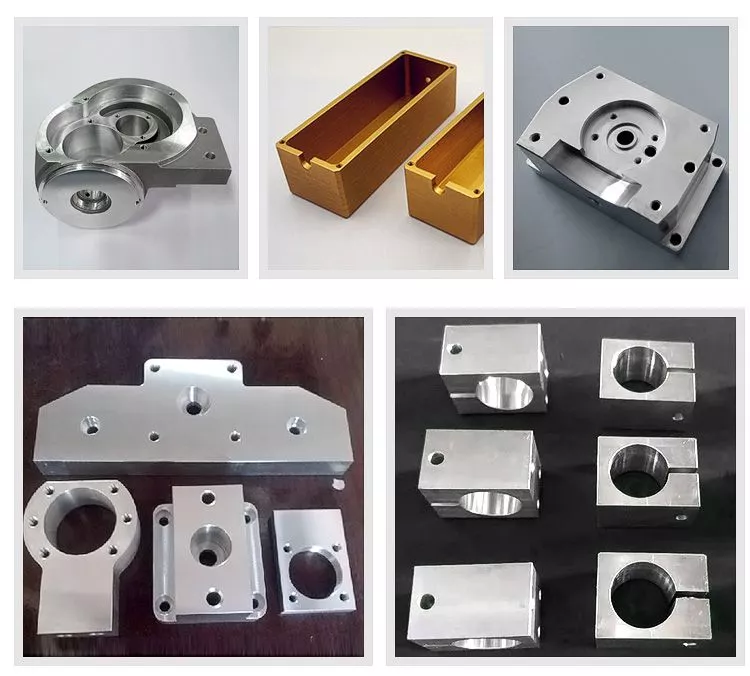
When designing parts for CNC fabrication, following some key guidelines can make a big difference in quality, cost, and turnaround time. First, design for manufacturing (DFM) — this means thinking about how the CNC machining process will handle your part from the start. Keep things simple: avoid unnecessary complexity or detailed features that can drive up costs and extend machining time.
Pay close attention to wall thickness — uneven or too-thin walls can cause warping or breakage. Use generous radii instead of sharp corners, which reduces tool wear and makes machining easier. Also, set realistic tolerance standards to balance precision with affordability; tighter tolerances mean higher costs.
To keep costs down, consider reducing machining time by optimizing your CAD files. Use clear, well-organized designs that specify features and avoid overly complex geometries. Early collaboration with your CNC fabrication partner can help identify potential issues and suggest design tweaks. You can also learn more about CAD file best practices to ensure your files are ready for efficient manufacturing.
In short, designing parts with manufacturing in mind — focusing on simplicity, proper tolerances, and clear specifications — helps you get high-quality, precise CNC machined parts faster and at a better price. Want to ensure your designs are optimized? Reach out to trusted CNC specialists who can guide you through the process.
Factors Affecting Cost and Lead Time in CNC Fabrication
When it comes to CNC fabrication, a few key factors can significantly impact the overall cost and lead time of your project. Understanding these drivers helps set realistic expectations and plan accordingly.
Materials are a big part of the equation. Different metals like aluminum, steel, or titanium vary in cost and machinability. Plastics such as ABS or polycarbonate tend to be more affordable, but their performance specs differ. Choosing the right material for durability and cost efficiency is crucial—a high-quality material might cost more upfront but reduce machining time and post-processing needs.
Machining time directly influences project costs. The more complex or detailed a part is, the longer it takes to produce. This is especially true in precision CNC fabrication, where tight tolerances increase the toolpath complexity and cutting time.
Part complexity—think intricate geometries or tight tolerances—can drive up costs. More complex designs require specialized tooling and longer setup times, which can quickly add up, especially for small batch runs or prototypes.
Quantity plays a vital role. Small runs or prototypes tend to have higher per-piece costs because setup and tool changes are fixed costs. However, producing larger batches typically reduces the overall cost per part due to manufacturing efficiencies and economies of scale.
Surface finish and post-processing steps like polishing, coating, or heat treatment add to both lead time and cost. If a high-gloss appearance or specific coating is needed, expect longer turnaround times and higher expenses.
Batch size influences project planning. For prototypes, quick turnarounds are key, and costs are generally higher per piece. For larger production runs, fixed setup costs are spread across many parts, lowering the cost per item.
In , understanding these factors can help you optimize your design for CNC fabrication, balance quality with budget, and choose the right manufacturing partner. If you’re interested in advanced precision, CNC milling and turning can be tailored for specific needs, and I recommend exploring CNC aluminum cutting for lightweight yet strong parts or CNC aerospace machining for high-spec applications.
Quality Control and Precision Standards in CNC Fabrication
Ensuring consistent quality in CNC fabrication means using robust inspection methods like Coordinate Measuring Machines (CMM) and laser scanning to verify that parts meet all specifications. These techniques help detect any deviations early, so adjustments can be made before completion.
Adhering to industry standards such as ISO and ASME is essential for accuracy in CNC tolerances. These standards set strict guidelines for dimensional accuracy and surface finish, ensuring every part fits and functions correctly. Implementing traceability systems is also critical, allowing us to track materials, processes, and inspections for full accountability.
In-process checks are performed at key stages of the CNC machining process, not just at the end. This helps catch errors early and reduces waste or rework. The final verification typically involves precision measurement tools and inspection reports to confirm that parts meet all specified tolerances and quality benchmarks.
For precision CNC fabrication, combining these inspection methods with strict adherence to standards ensures high-quality, reliable parts every time. Want to explore how we maintain such tight tolerances? Visit our CNC machining manufacturing page for more details about our quality control practices.
Choosing the Right CNC Fabrication Partner
Selecting a reliable CNC fabrication partner is crucial for ensuring your project meets quality, precision, and deadline expectations. When evaluating options, consider their experience with CNC machining processes, especially in precision CNC fabrication for your specific materials. A partner with a strong background in CNC milling and turning, along with advanced capabilities like 5-axis CNC machining, can handle complex designs and tight tolerances effectively.
Materials expertise is another key factor—making sure they know how to work with metals like titanium or stainless steel, and plastics like PEEK or polycarbonate. Certification and quality standards, such as ISO or ASME, are signs of a commitment to quality control and traceability, which are vital for consistency across batches.
Reliability and customer support should never be overlooked. A good partner stays responsive, provides clear communication, and offers CNC prototyping services to help you refine your designs quickly, saving both time and money. For the best results, I recommend partnering with a provider like MS Machining, known for its precision engineering, fast turnaround times, and dedicated customer service. Their experience in custom metal fabrication and high-precision machining services ensures you get parts that meet your specifications every time.