
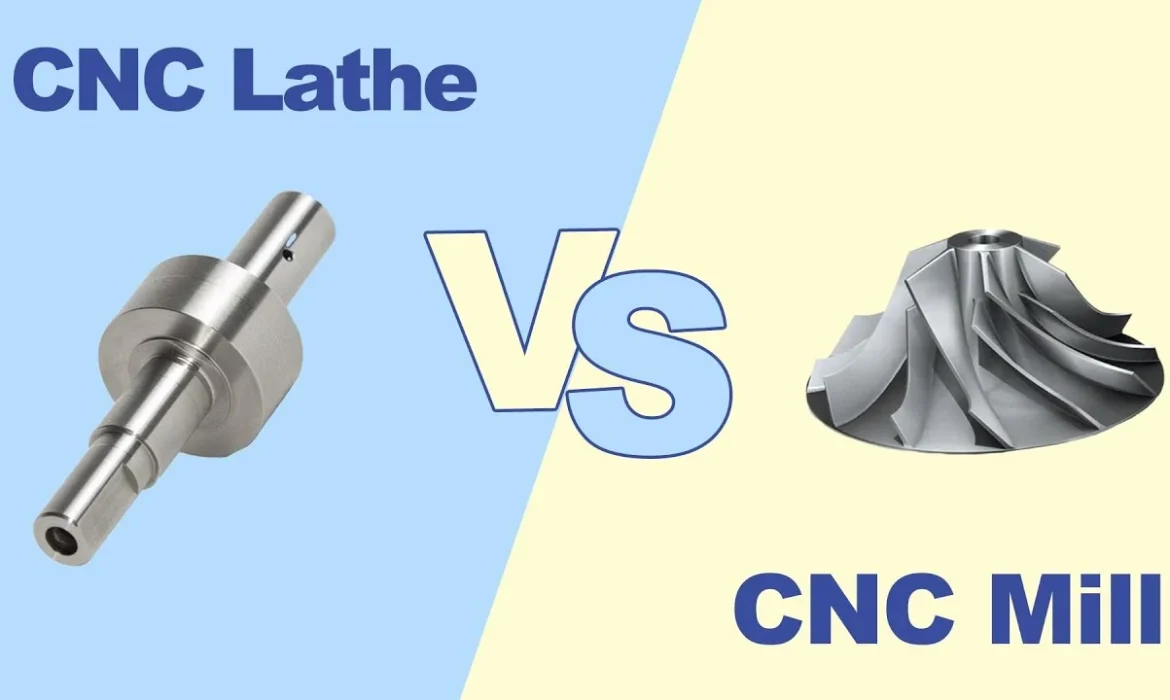
Ideally, every part would be designed with a specific manufacturing process in mind. However, in practice, we frequently see drawings where a prismatic component is forced onto a lathe, or a perfectly cylindrical shaft is slated for a 4-axis mill. This "mismatch" between design and process is often the root...
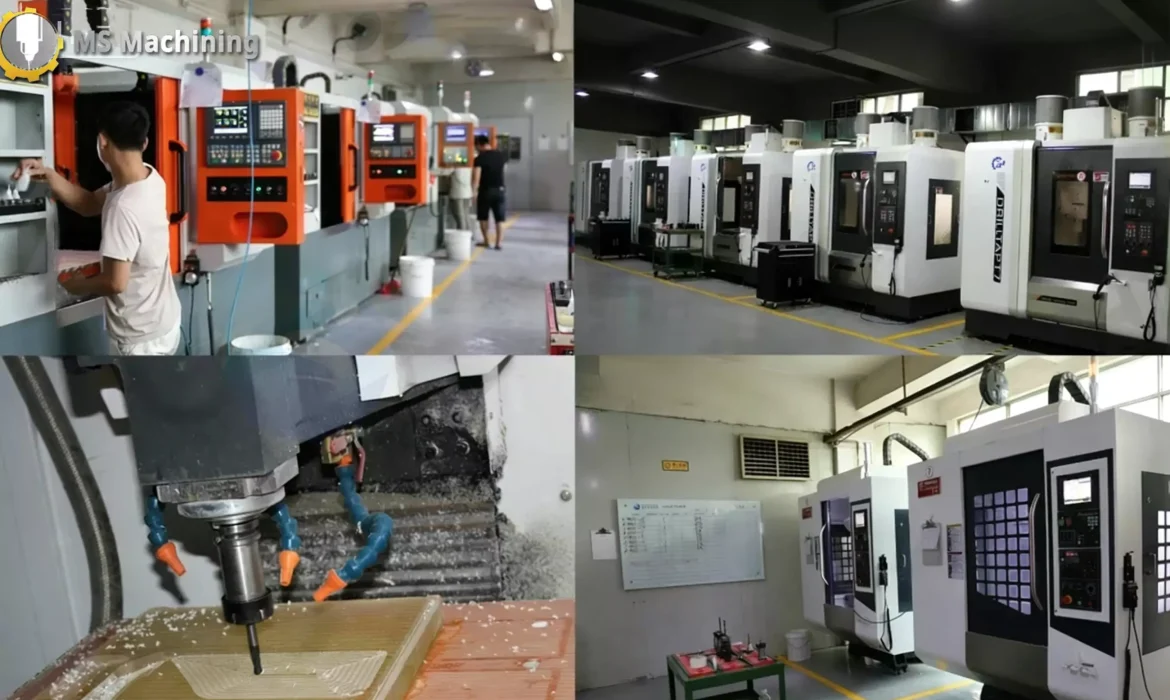
Understanding CNC Machining Center Capabilities: VMC, Turning, and 5-Axis Systems
In the high-precision manufacturing landscape, selecting the appropriate CNC machining center configuration is a strategic decision that dictates part integrity, cycle efficiency, and total cost of ownership. Modern machining centers have transcended basic material removal; they are now sophisticated, multi-axis integration platforms capable of consolidating milling, drilling, and boring into...

Aluminum Prototype Machining: Technical Solutions for Functional Parts
1. Why CNC Beats 3D Printing for Functional Testing When you're in the early R\&D phase, 3D printing is great for "look and feel." But if your part needs to fly on a drone, handle high pressure, or survive a robotic arm's vibration, you need the real deal. That’s where...
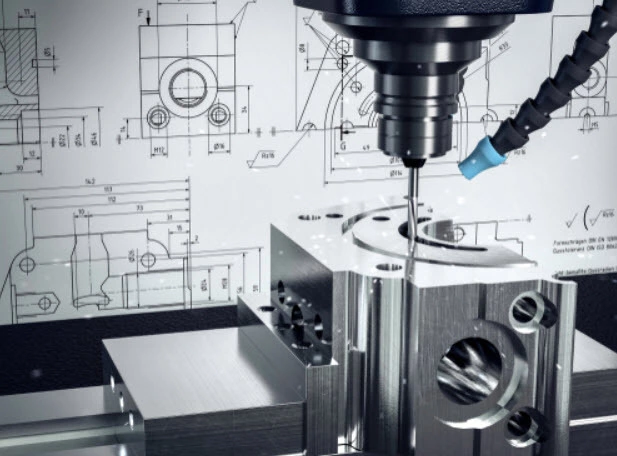
How Should I Prepare CAD Files For CNC Machining: A Detailed Guide
The transition from a digital concept to a physical, high-precision component is one of the most critical phases in modern manufacturing. At the heart of this transition lies the CAD (Computer-Aided Design) file. However, a common misconception among designers is that a visually complete 3D model is automatically a manufacturable...
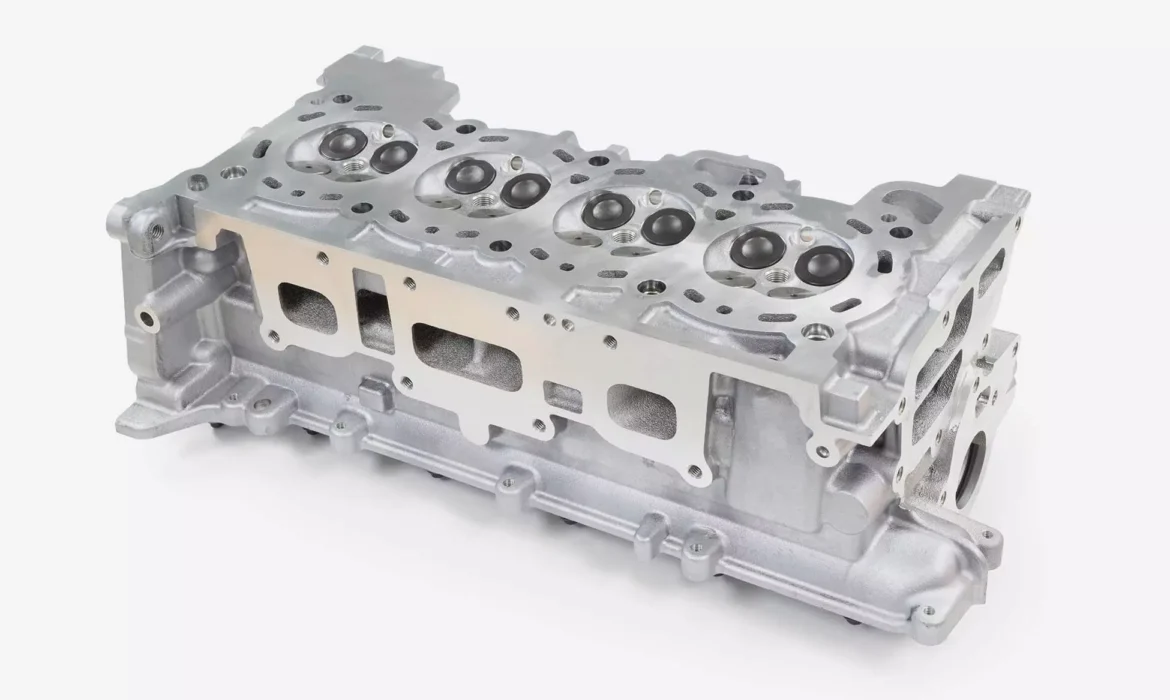
Engineering Guide to Stainless Steel Investment Casting: Balancing Precision, Alloy Selection, and Cost
Achieving Near-Net Shapes: How lost-wax casting minimizes secondary CNC machining operations and material waste. In modern precision engineering, Steel Investment Casting is the primary method for achieving "near-net shape" geometry. When working with expensive stainless alloys like 316L or 17-4 PH, subtractive manufacturing from a solid bar often results in...
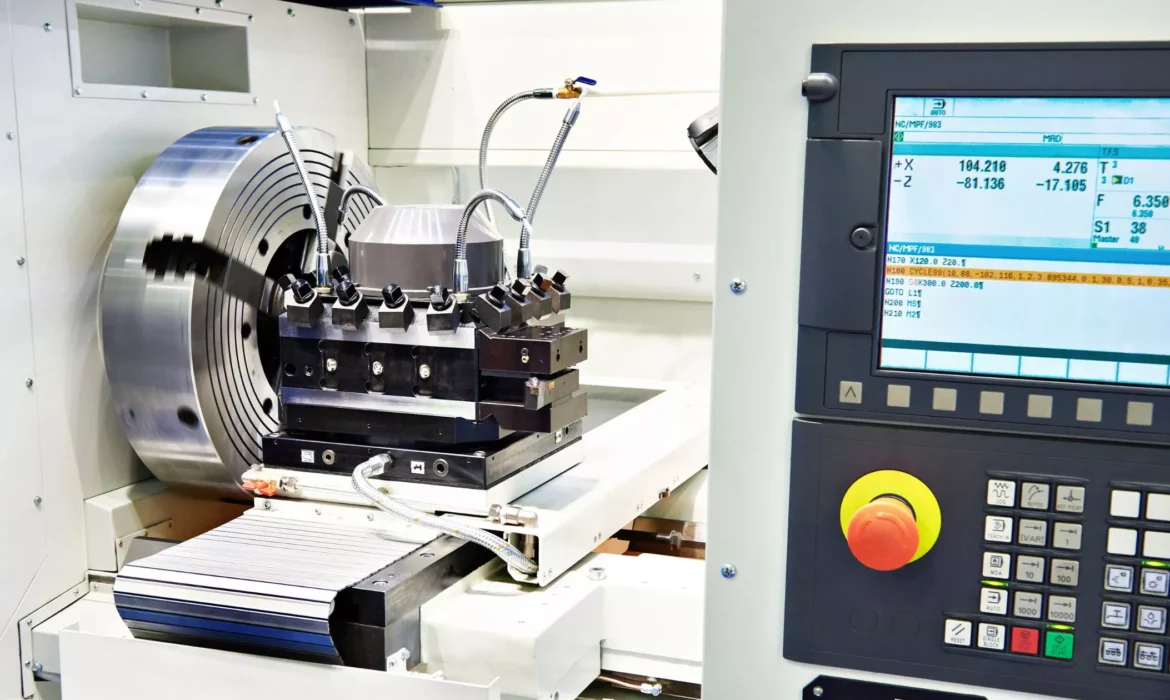
35 Machining Processes Explained: How to Select the Right Method for Your Parts
3 Reasons Why Most Machining Guides Don’t Help You Decide Many machining guides online simply list process names or technical descriptions without helping clients make a real choice. Commonly, they name processes like milling, turning, or EDM, but provide no context about which materials, geometries, or part complexities each is...